Baby Black Snake: Identifying Rat Snake and Racer Hatchlings
Baby black snakes are gray and blotchy, not black, and belong to two species: rat snakes and racers. ID both, tell them apart, and end the copperhead confusion.
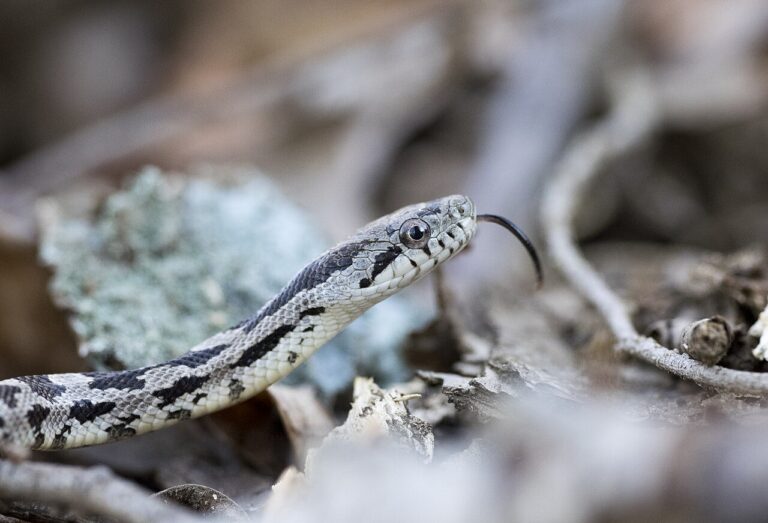
Baby black snakes are gray and blotchy, not black, and belong to two species: rat snakes and racers. ID both, tell them apart, and end the copperhead confusion.
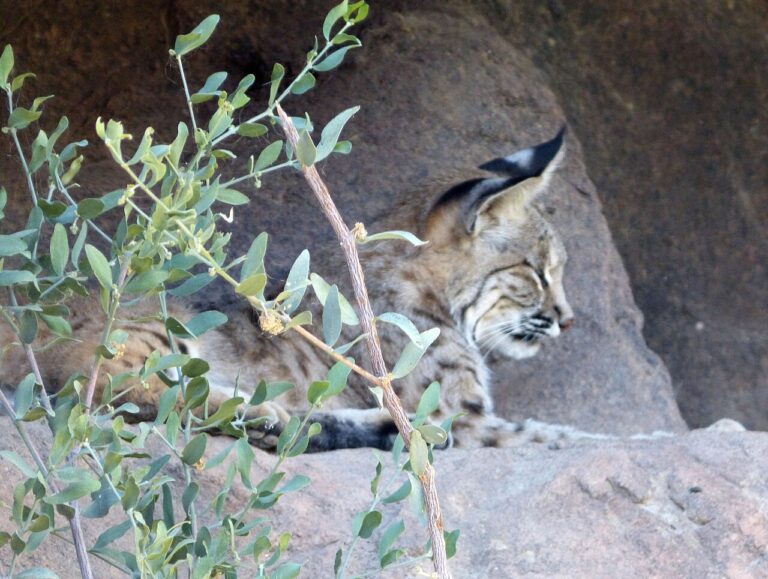
Bobcat sounds decoded: the famous winter breeding scream, growls, hisses, kitten chirps, and how to tell a bobcat from the fox and owl it gets confused with.
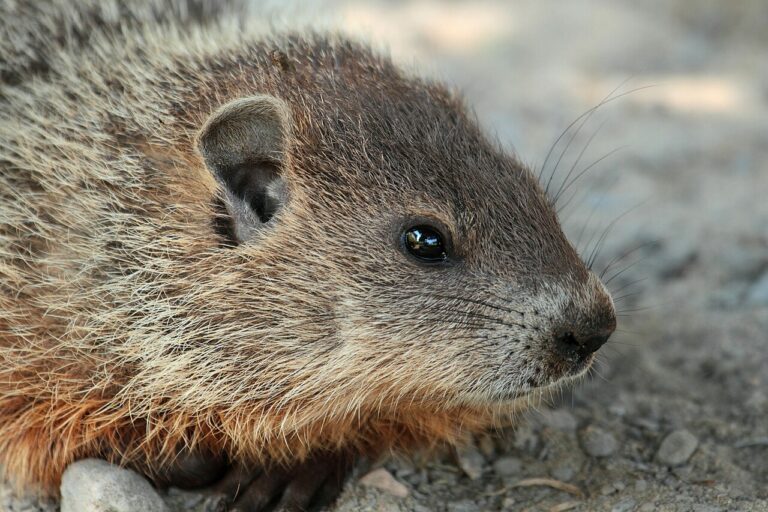
Groundhog poop is rare to find because groundhogs use dedicated underground latrines. What it looks like, how to tell it from rabbit and deer droppings, and what a find means.
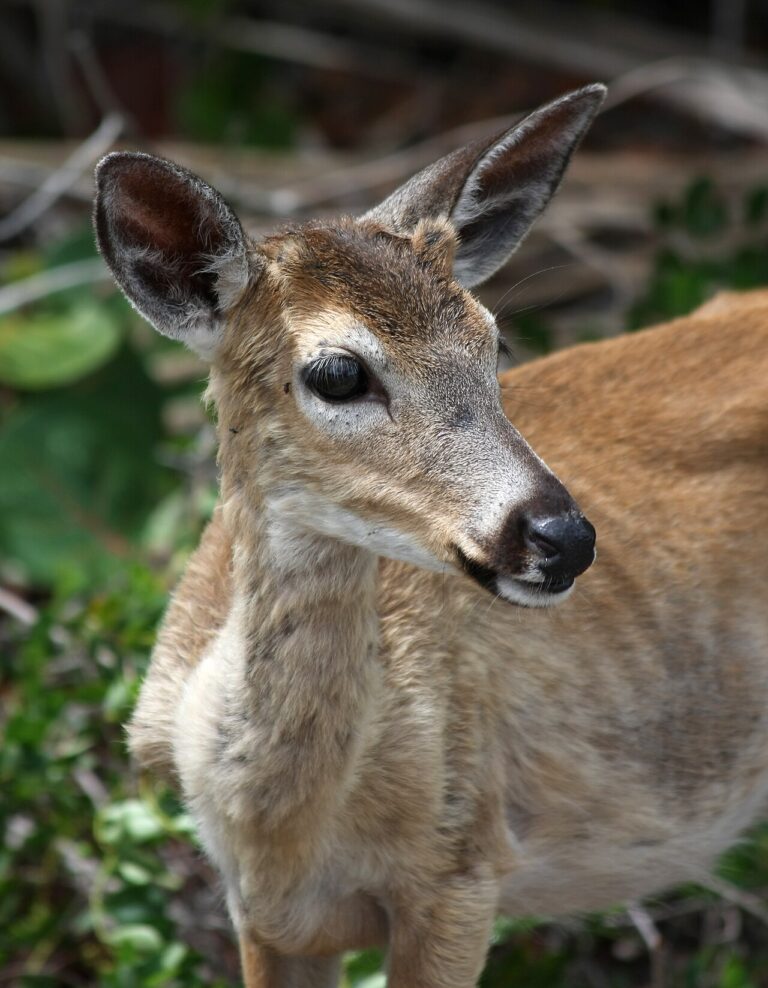
Deer sounds decoded: the alarm blow, social grunts, fawn bleats, rut grunting and the snort-wheeze, plus the distress bawl that actually warrants a look.
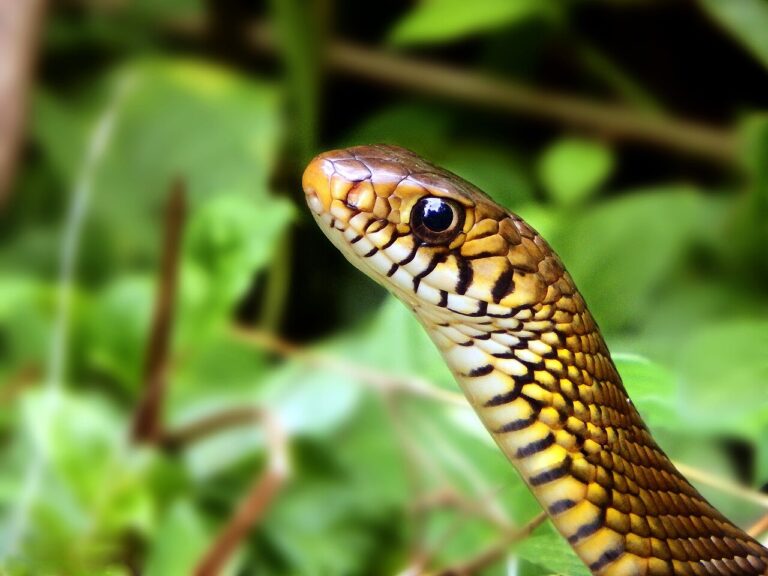
Baby rat snakes are gray and blotchy, nothing like the plain adults, and get mistaken for copperheads every August. ID, the saddle-vs-hourglass check, and what to do.
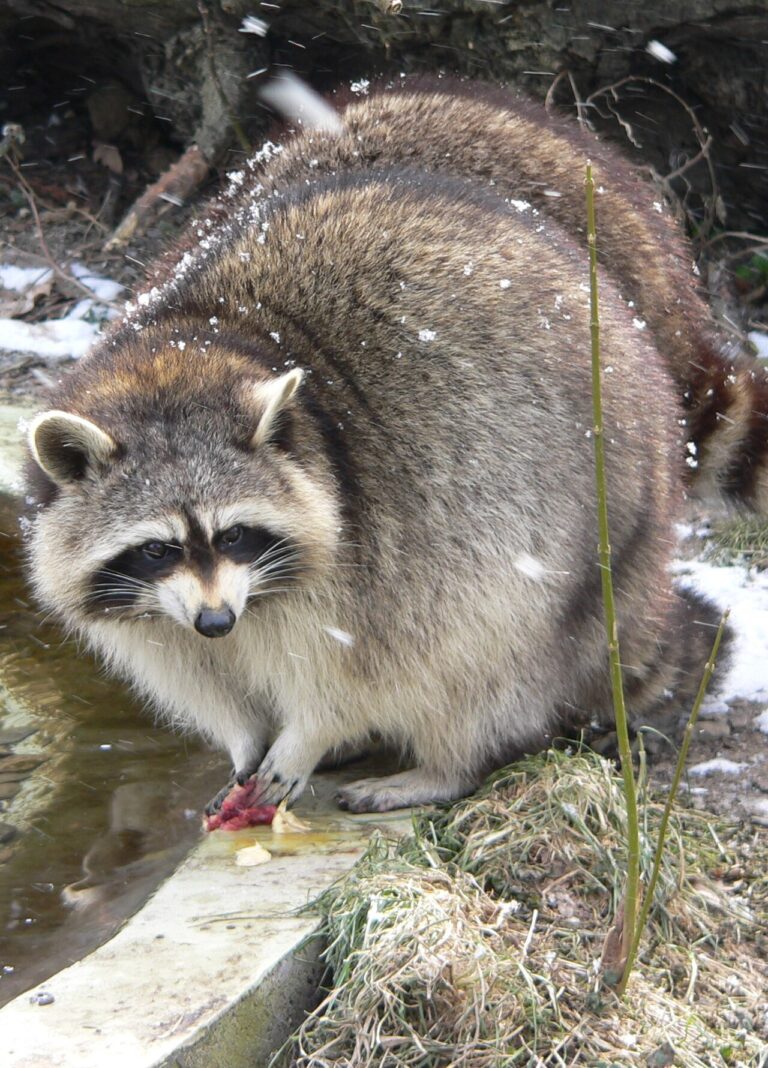
Raccoon sounds decoded: chittering kits, growls, the 2 am brawl screeches, the baby-cry from the chimney, and the attic diagnosis that names your night tenant.
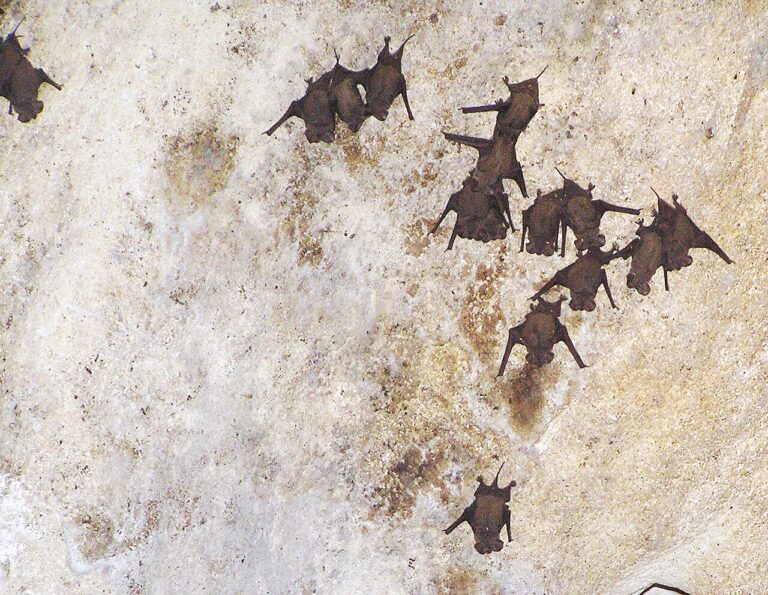
Most bat sounds are above human hearing. What you can hear, chittering, clicks, sunset scratching, and how to tell bats in walls from mice, squirrels, and birds.
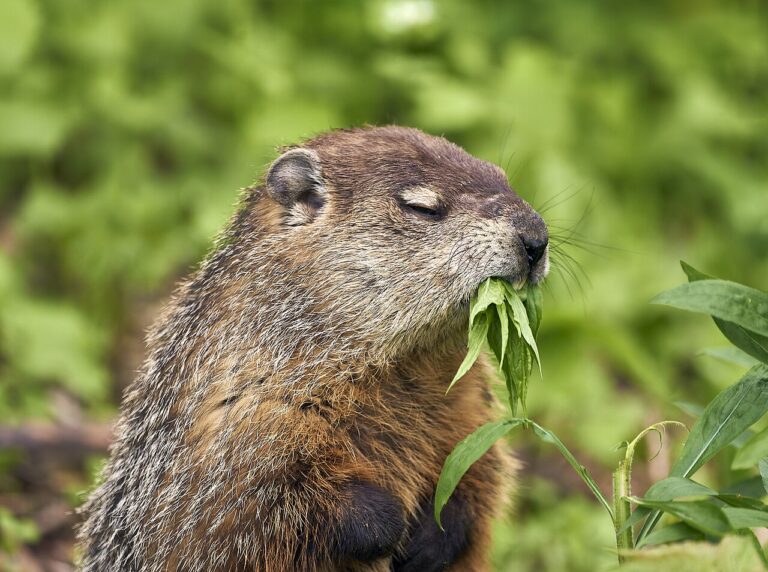
A baby groundhog is called a kit, born underground in April and surfacing in June. Growth timeline, found-a-baby triage, and the eviction calendar that works.
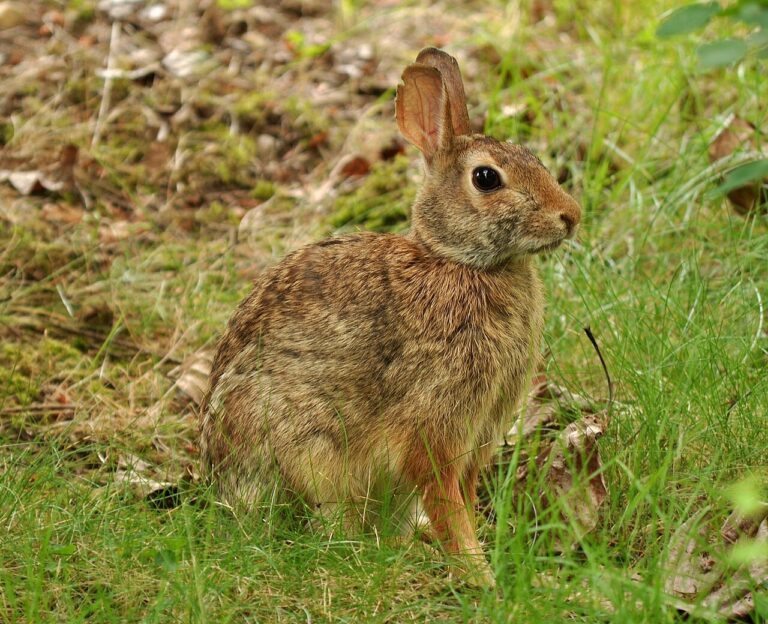
Rabbit poop is perfect pea-sized spheres of plant fiber, up to 300 a day per rabbit. ID vs deer and squirrel, safety for kids and dogs, and the fertilizer bonus.
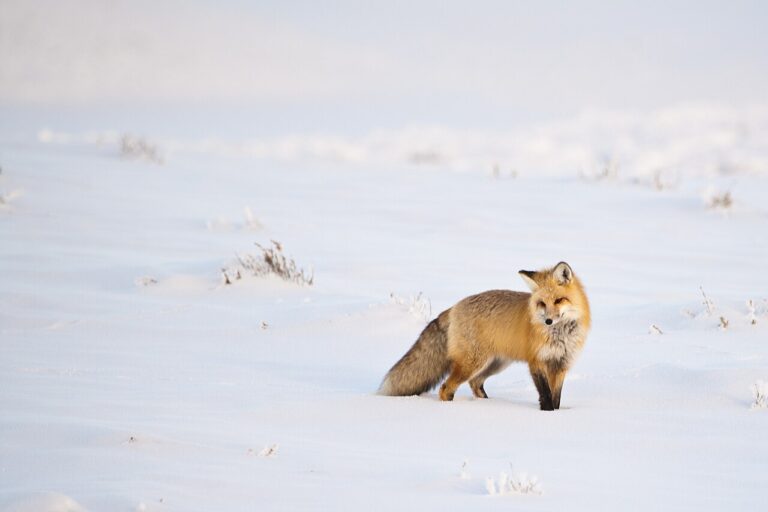
Fox sounds decoded: the famous vixen scream, wow-wow contact barks, gekkering chatter, den whines, and how to tell a fox from the owls and bobcats it gets blamed on.