Fox Poop: Identification, Health Risks, and What It Reveals
Fox poop is a twisted, tapered rope left in plain sight on purpose. ID vs coyote, dog, and raccoon, the parasite risks, safe cleanup, and what the contents reveal.
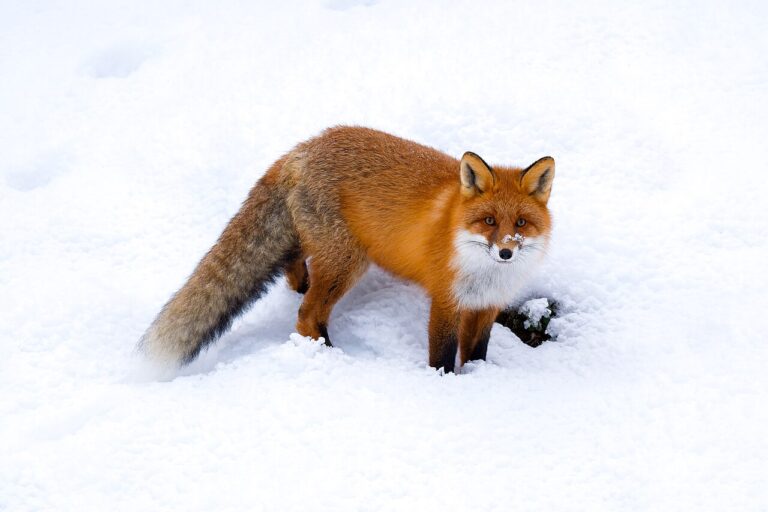
Fox poop is a twisted, tapered rope left in plain sight on purpose. ID vs coyote, dog, and raccoon, the parasite risks, safe cleanup, and what the contents reveal.
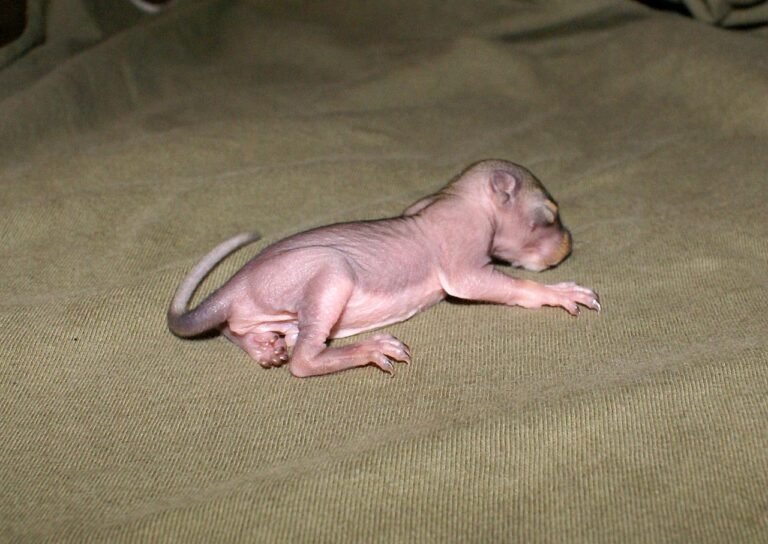
A baby squirrel is called a kit. Week-by-week growth, how to age one at a glance, the reunion method that beats rescue, and the attic rule for baby season.
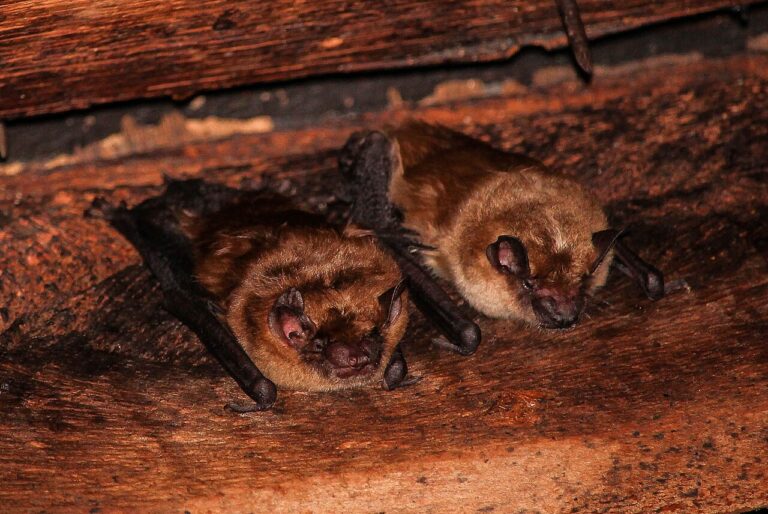
A baby bat is called a pup. How pups grow from pink newborns to flying juveniles in 6 weeks, what to do if you find one, and the rabies rules that are not optional.
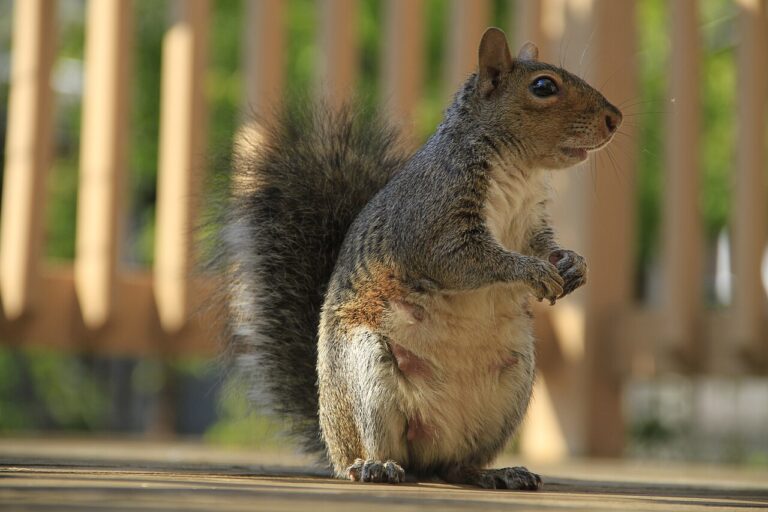
Squirrel poop vs rat poop in three checks: shape, location, and quantity. Rounded scattered pellets mean squirrels; pointed clustered pellets mean rats and action.
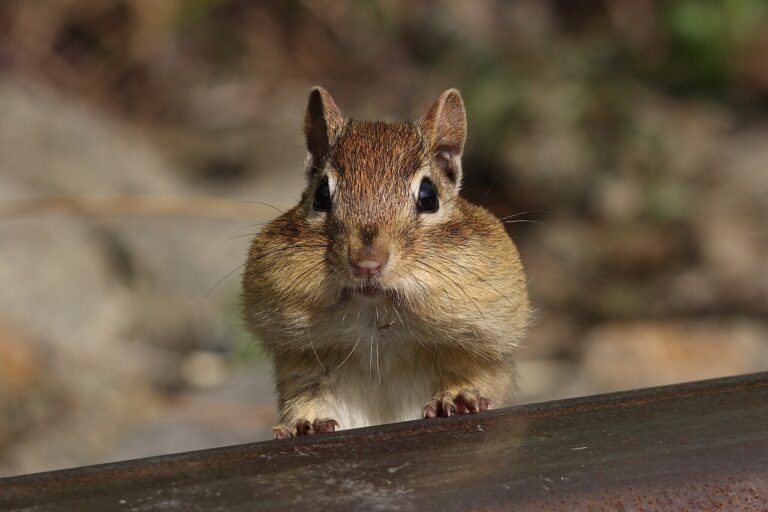
Baby chipmunks are called pups, born blind and bumblebee-sized. Here is the full timeline from birth to independence and what to do if you find one.
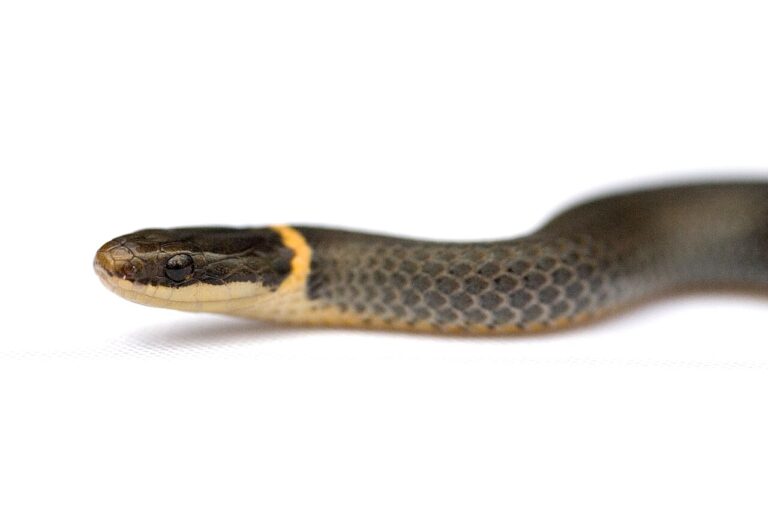
The ring neck snake is a tiny, harmless garden snake with a bright collar and a famous belly-roll bluff. Here is how to identify it and what it eats.
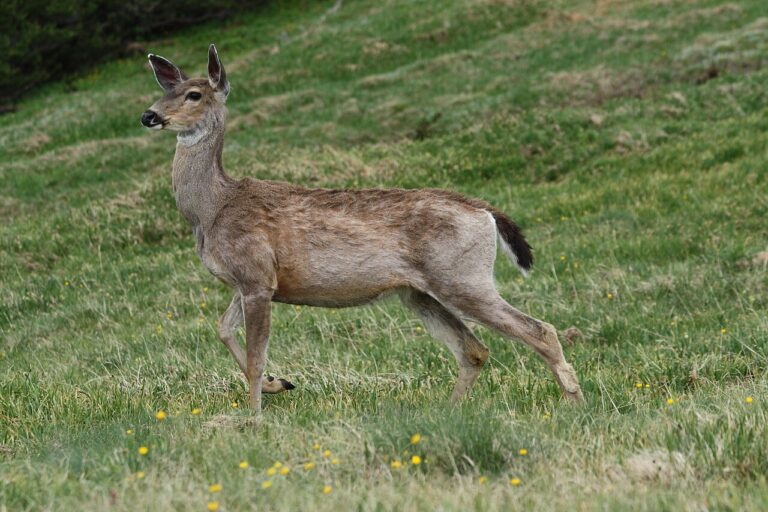
Tail, ears, antlers and escape gait separate mule deer from whitetails in seconds. A full field comparison including range overlap and hybrids.
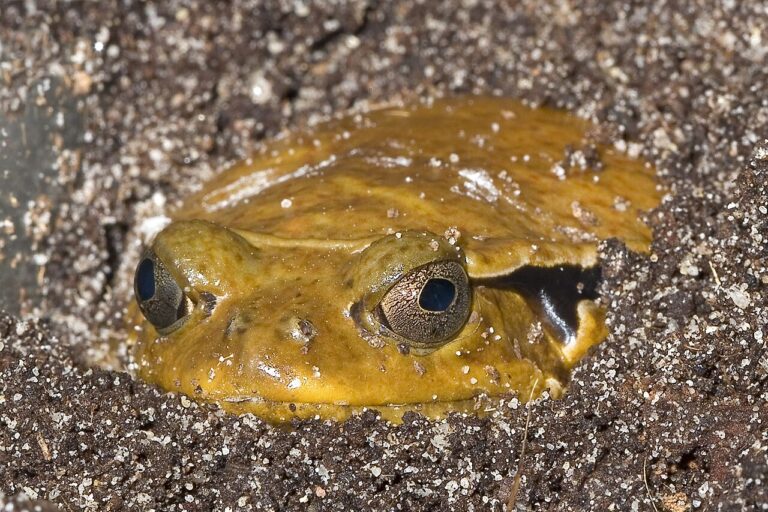
Tomato frogs secrete a white glue when threatened and spend most of their time buried. Here is the care guide and which species you actually have.
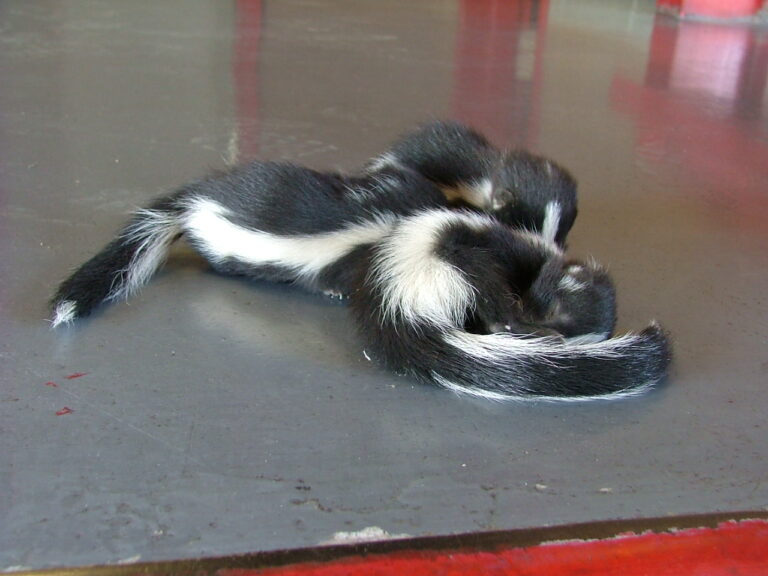
Skunk kits can spray from about eight days old, before their eyes open. Here is how they develop and why a lone kit is usually not abandoned.
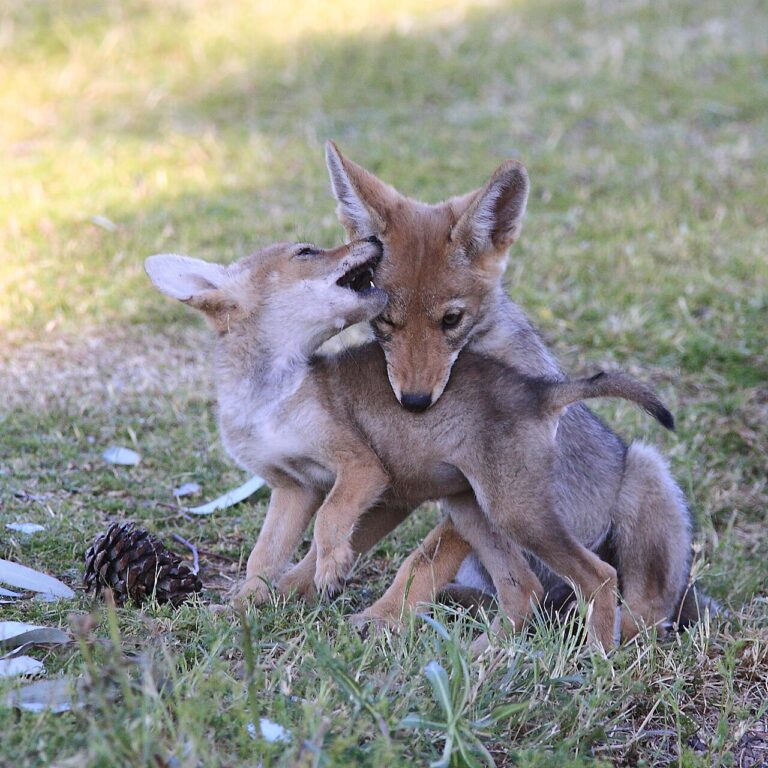
Coyote pups look like puppies and are taken home every spring, which is illegal and harmful. Here is how to identify them and why to leave them alone.