Birds That Eat Other Birds: Every Predator Explained
Hawks, falcons, owls and shrikes hunt adult birds, while jays and grackles take eggs. Which predator is at your feeder and what you can legally do about it.
Every guide on The Faunalist in one archive. Browse identification help, species profiles, feeding advice, and regional birding guides for North American backyards.
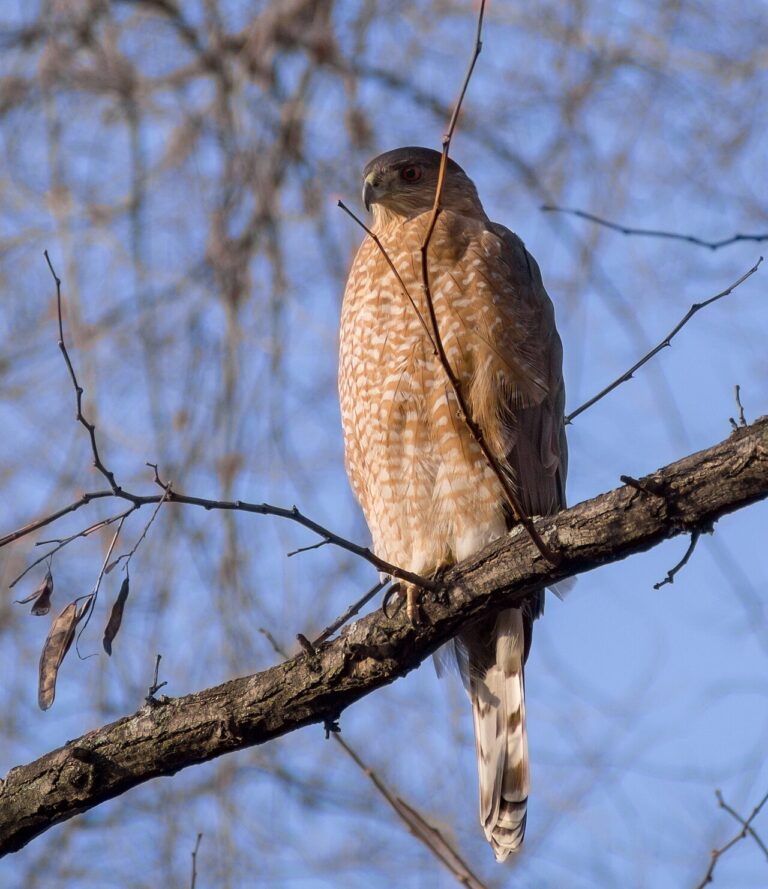
Hawks, falcons, owls and shrikes hunt adult birds, while jays and grackles take eggs. Which predator is at your feeder and what you can legally do about it.
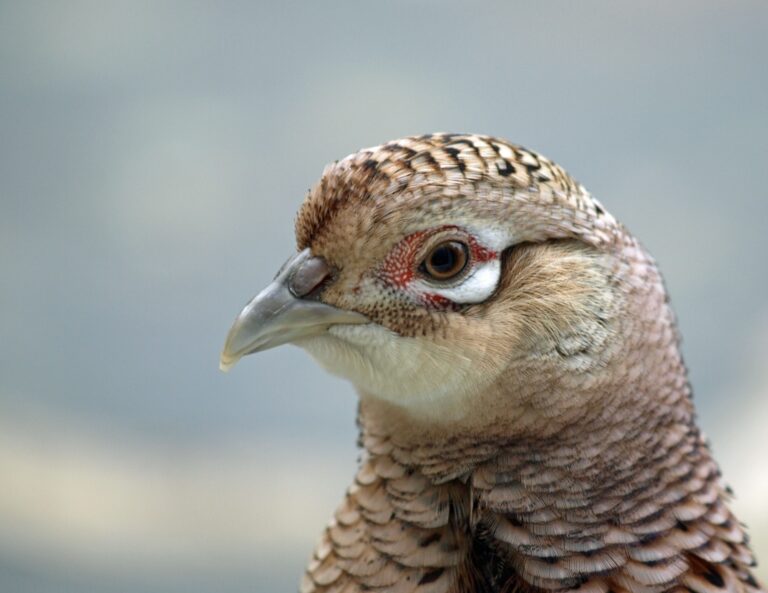
A female pheasant is a hen: mottled brown, no neck ring, no wattles, and a tail half the length of a cock’s. Every field mark, nesting, eggs and look-alikes.
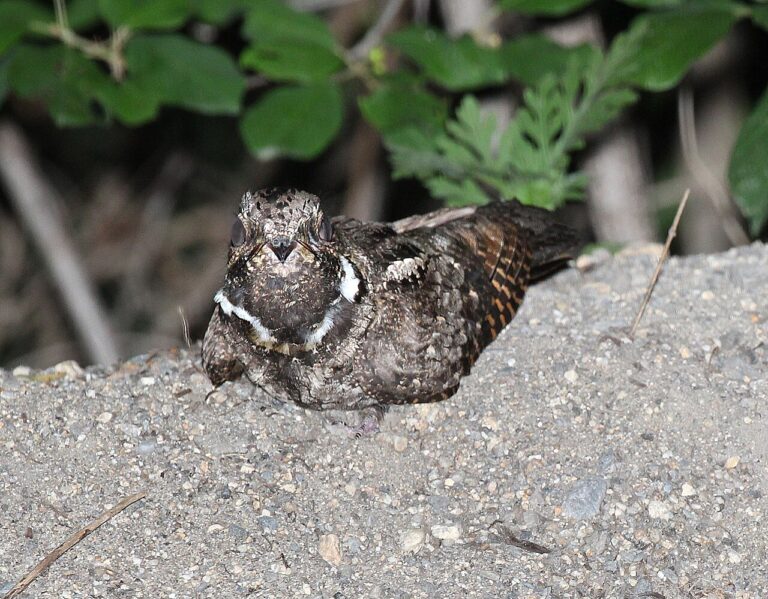
A whip-poor-will says its own name hundreds of times without pausing. Why the call repeats, how moonlight controls it, and why you hear far fewer of them now.
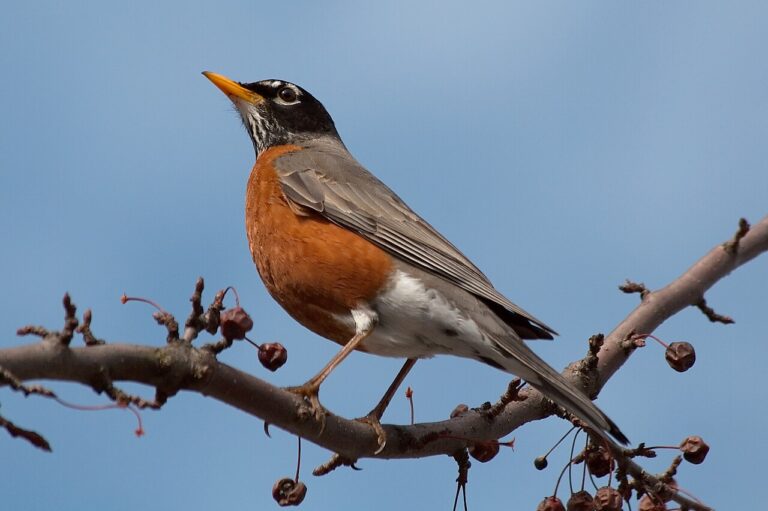
A robin’s cheerily song plus six calls, including a hawk alarm designed to be impossible to locate. Why robins sing before dawn and what night singing means.
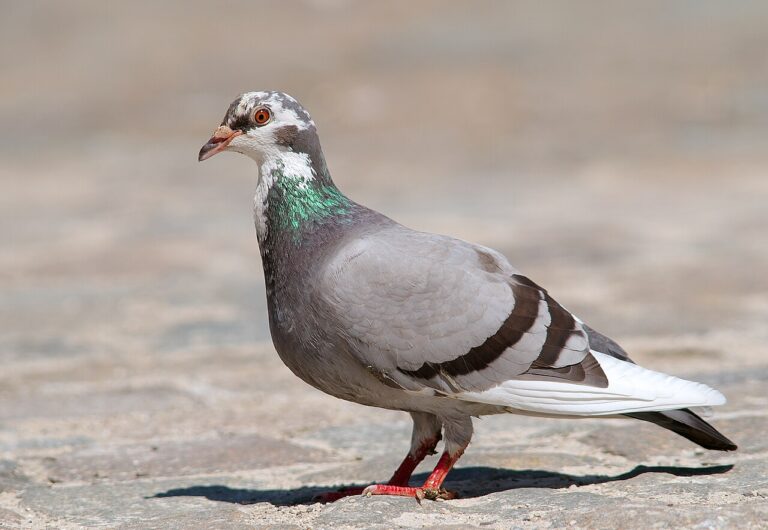
Pigeon cooing is almost always a male advertising a nest site. The perch coo, bow coo, nest call, wing clap and the hissing wheeze that squabs make.
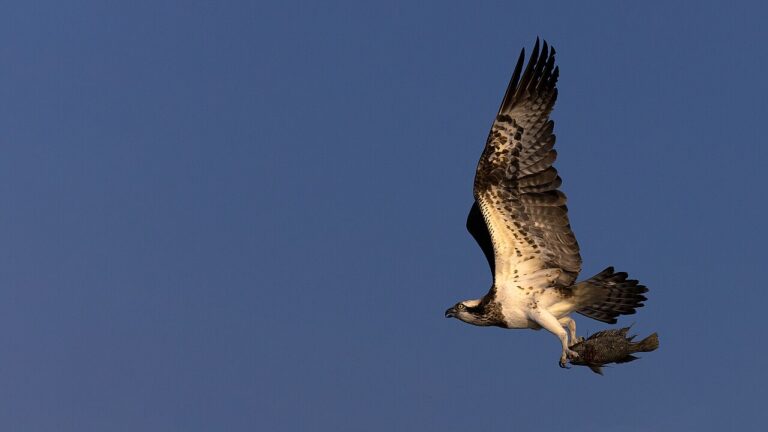
Ospreys plunge, herons ambush, cormorants chase underwater. The five fishing styles, the birds that use them, and how to keep herons out of a garden pond.
Owls, hawks, kestrels and even shrikes hunt mice. A barn owl family removes 1,000 or more rodents a season. Which birds hunt them and how to attract them.
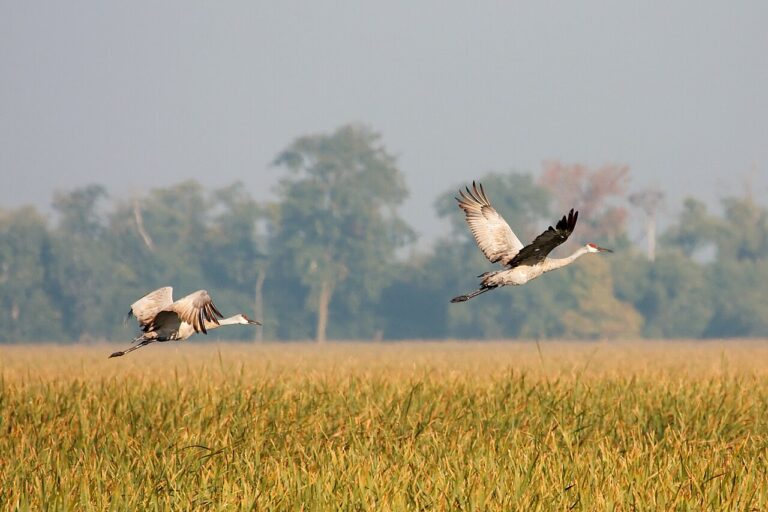
Sandhill crane sounds carry over 2 miles thanks to a 4-foot windpipe coiled in the breastbone. The rattle, unison call, guard call, purr, and colt peeps explained.
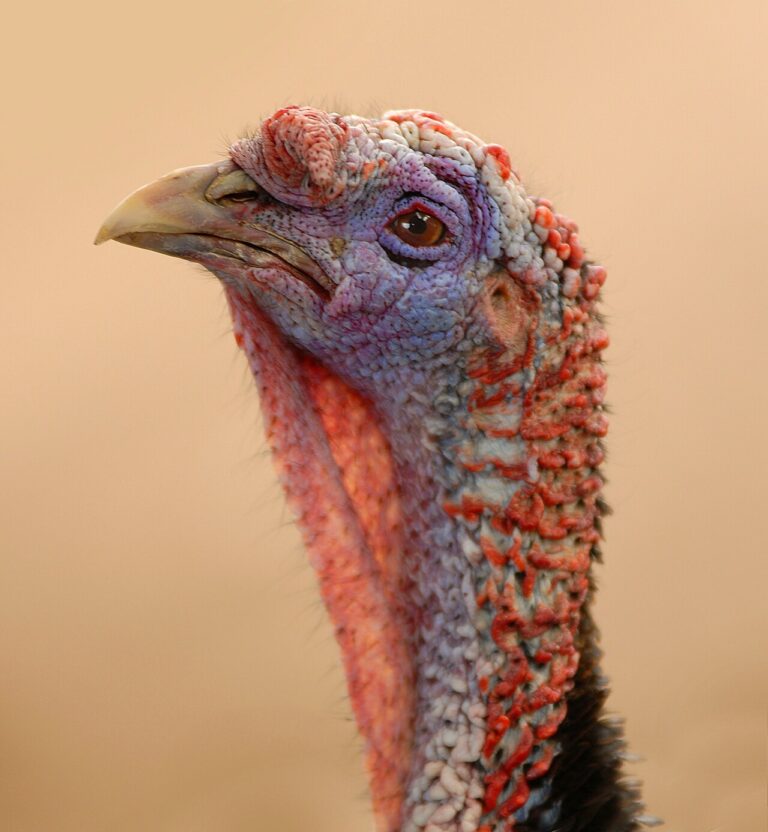
A female turkey is a hen: smaller, duller, with a lightly feathered grey head and brown-tipped breast feathers. Every field mark, plus why some hens grow beards.
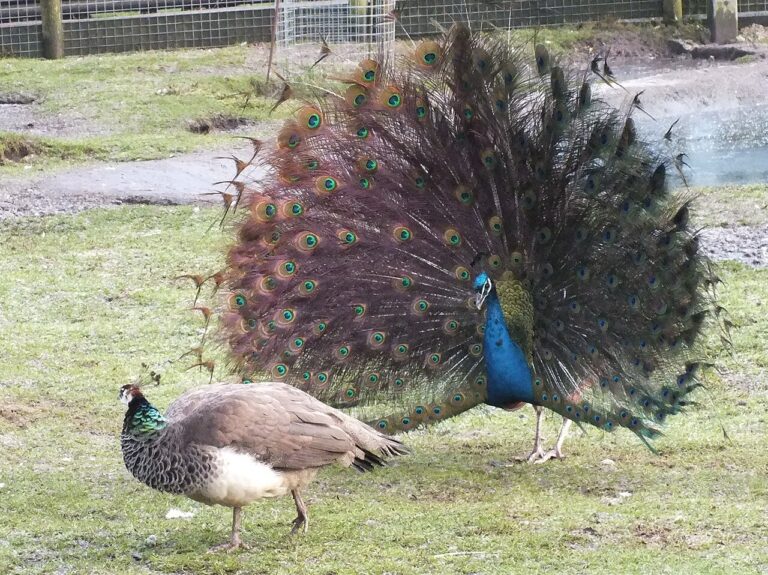
A peacock sounds like someone shouting for help. The may-awe scream, night calling, alarm honks, and the infrasound in a train rattle that humans cannot hear.