What Is a Group of Ducks Called? Raft, Paddling, and Flock
A group of ducks is called a raft on water, a paddling when swimming and a flock in flight. Why ducks have so many names, why gaggle belongs to geese, and what a brood of ducklings is.
Every guide on The Faunalist in one archive. Browse identification help, species profiles, feeding advice, and regional birding guides for North American backyards.
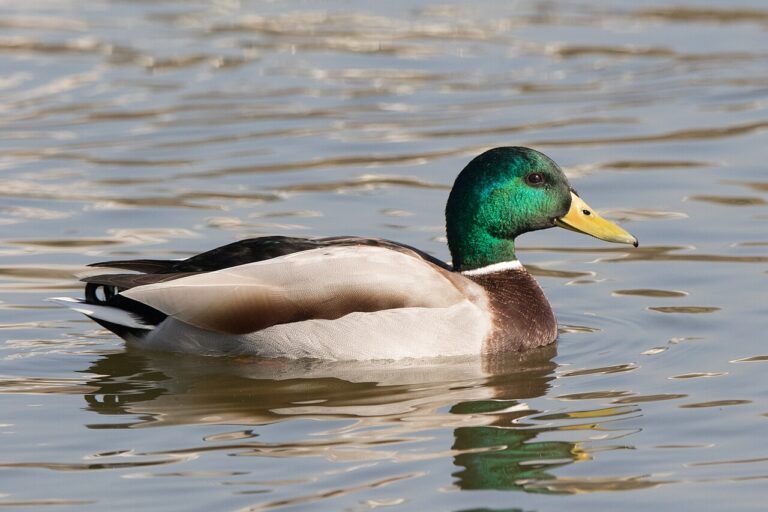
A group of ducks is called a raft on water, a paddling when swimming and a flock in flight. Why ducks have so many names, why gaggle belongs to geese, and what a brood of ducklings is.
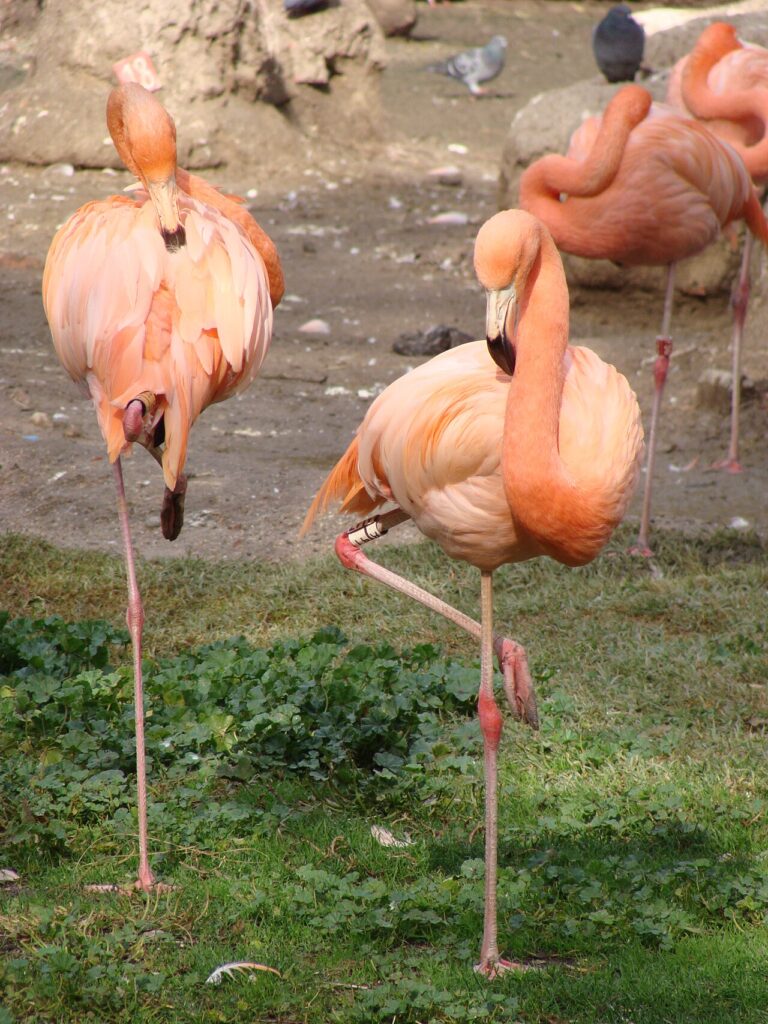
A group of flamingos is called a flamboyance, along with stand, colony, regiment and pat. Where the name came from, and how colonies of over a million birds display in unison.
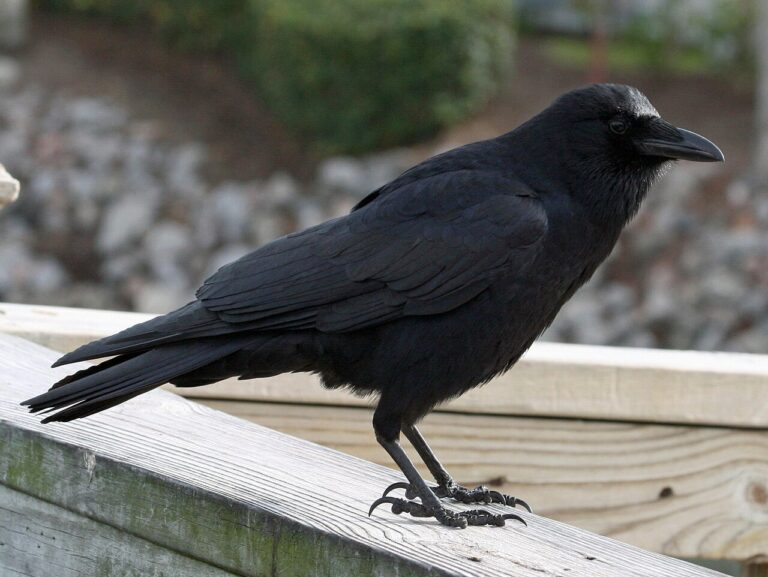
A group of crows is called a murder, or simply a flock. Where the name came from, why crows really gather around their dead, and how winter roosts reach tens of thousands of birds.
A group of ravens is called an unkindness or a conspiracy. Where both dark names came from, why murder belongs to crows, and how ravens actually group in pairs, families, and huge winter roosts.
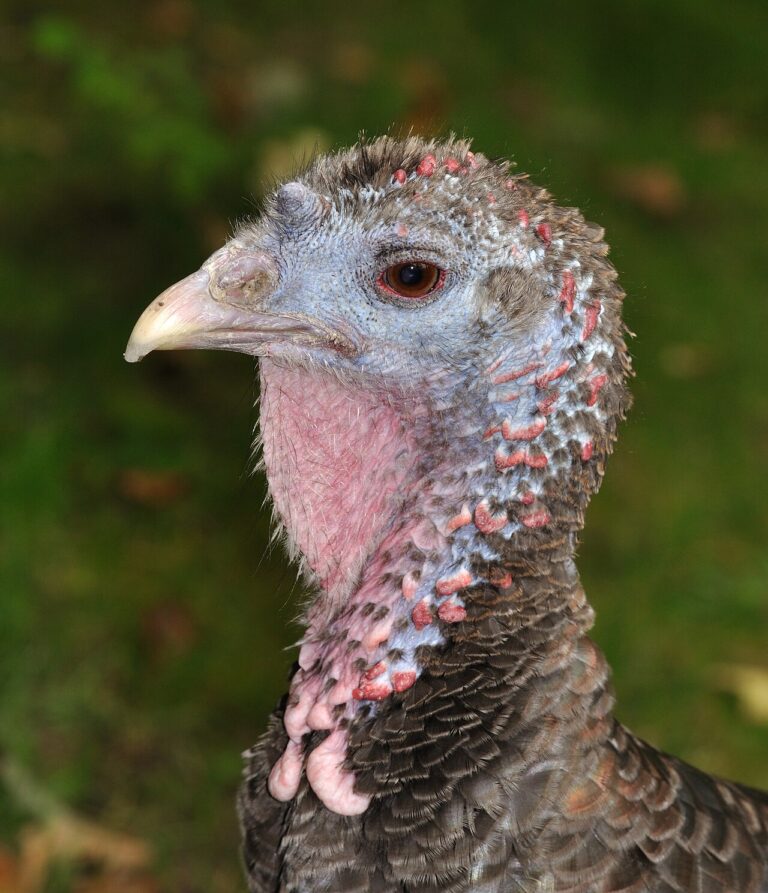
A group of turkeys is called a rafter, or simply a flock. Where the odd word rafter comes from, what a gang and a brood mean, and how real turkey flocks form and grow through the year.
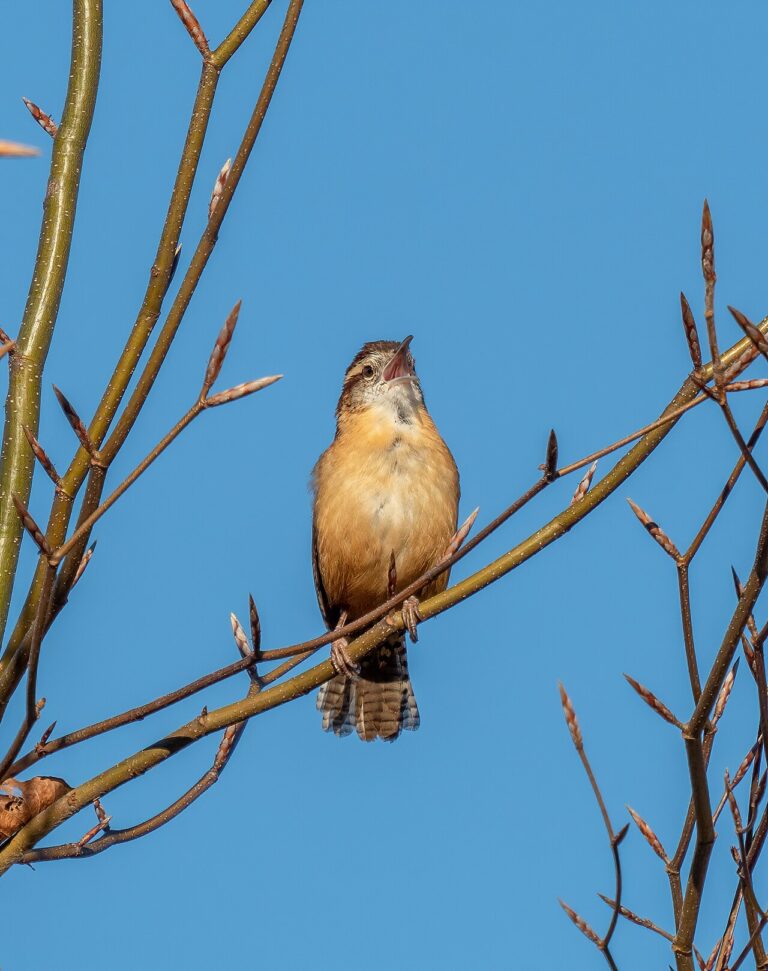
A 20 gram bird that sings teakettle-teakettle loud enough to carry hundreds of metres, year round. The song, the alarm rattle, and the duet most people miss.
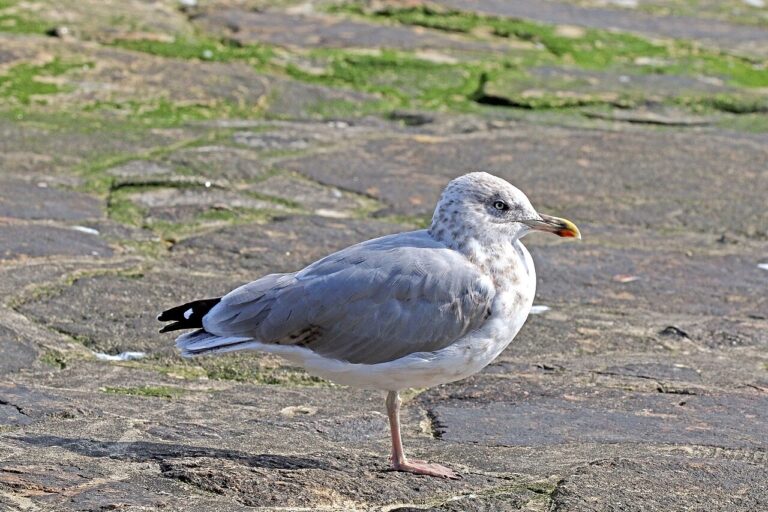
The seagull long call signals territory and identity, and mates recognise each other by voice. Every call decoded, plus why gulls scream at 4am in summer.
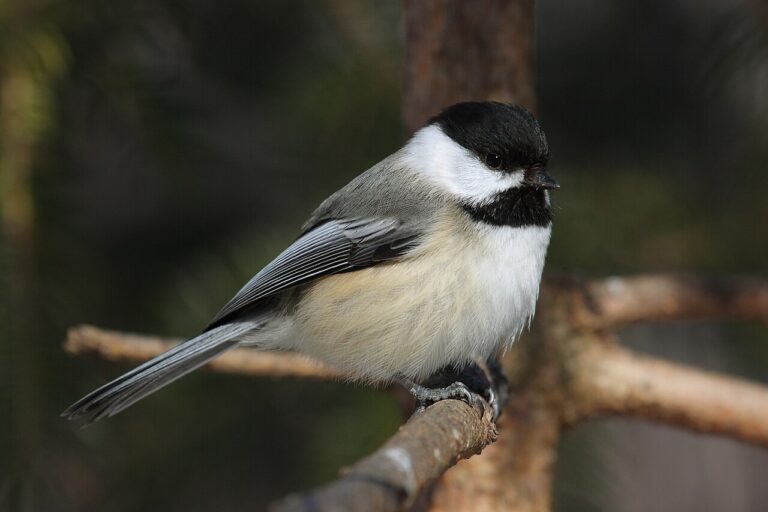
Wrens, chickadees and hummingbirds all eat spiders, and parents select them deliberately for the taurine nestlings need. Which birds, and what really eats the most.
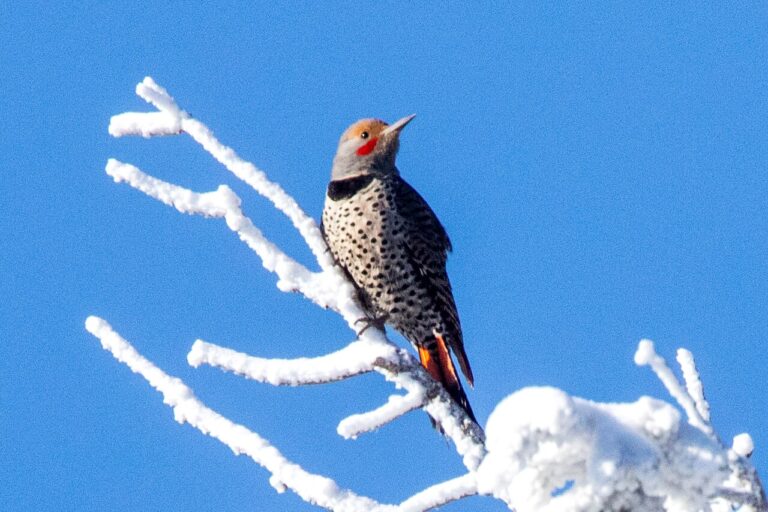
Northern flickers get half their diet from ants. Which birds eat them, why over 200 species rub live ants through their feathers, and what really eats the most.
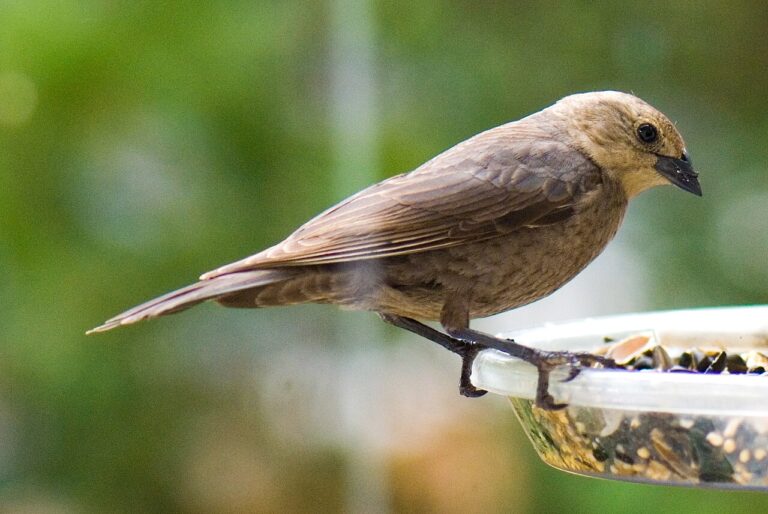
A female cowbird is plain grey-brown with a blank face and a thick conical bill. Identification, why she builds no nest, and which birds reject her eggs.