Raven Sounds: The Croak, the Knock, and Every Other Call
Ravens make over 20 sounds: the deep croak, hollow knocking, bell notes, and mimicry of wolves and machines. How to tell raven calls from crow caws by ear.
Every guide on The Faunalist in one archive. Browse identification help, species profiles, feeding advice, and regional birding guides for North American backyards.
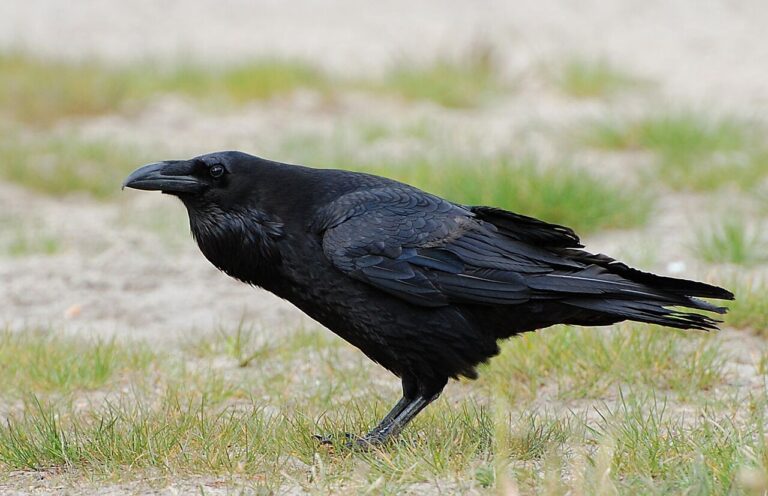
Ravens make over 20 sounds: the deep croak, hollow knocking, bell notes, and mimicry of wolves and machines. How to tell raven calls from crow caws by ear.
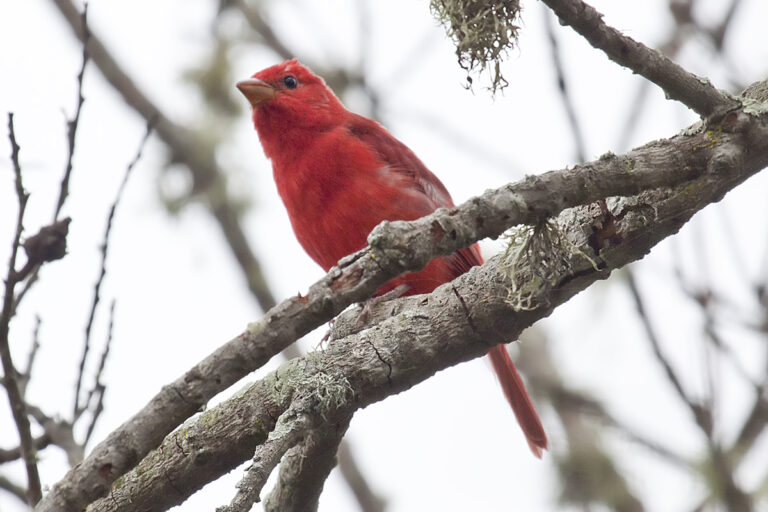
Summer tanagers, kingbirds, and red-headed woodpeckers hunt bees in the US. There are no true bee-eaters in North America. How they avoid the sting, and hive risk.
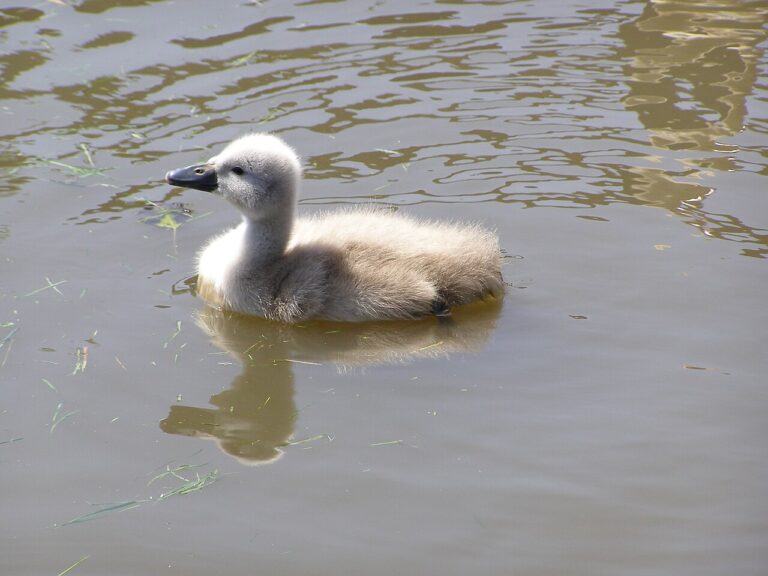
A baby swan is called a cygnet. What it looks like, how many eggs swans lay, what cygnets eat, why they ride on parents’ backs, when they turn white, and when they leave.
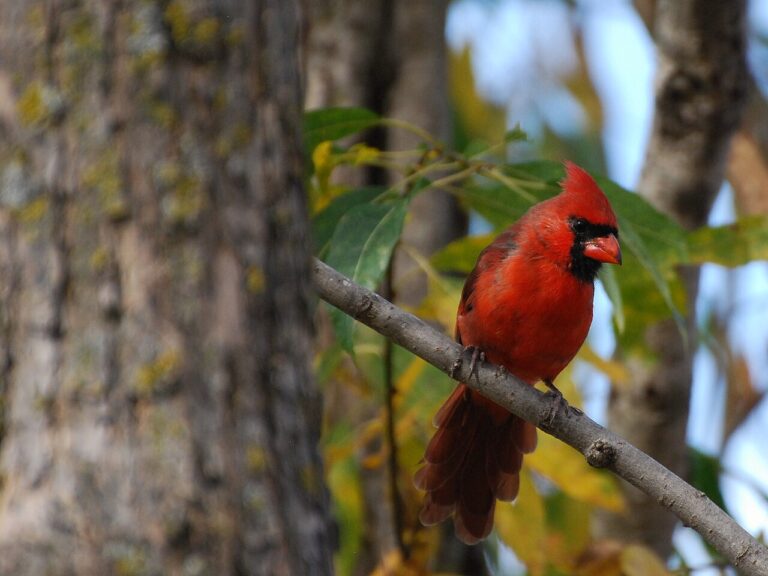
A cardinal tattoo usually means a visit from someone who died. Memorial designs, male vs female cardinals, the lifelong pair, black and white options, and small placements.
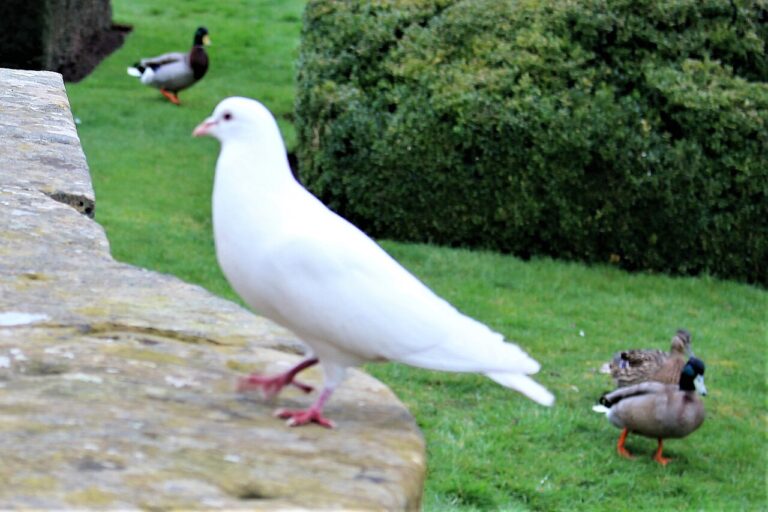
A dove tattoo means peace, love, and hope, and often memorial. What one, two, or three doves mean, the olive branch and broken chain, and which dove you are actually getting.
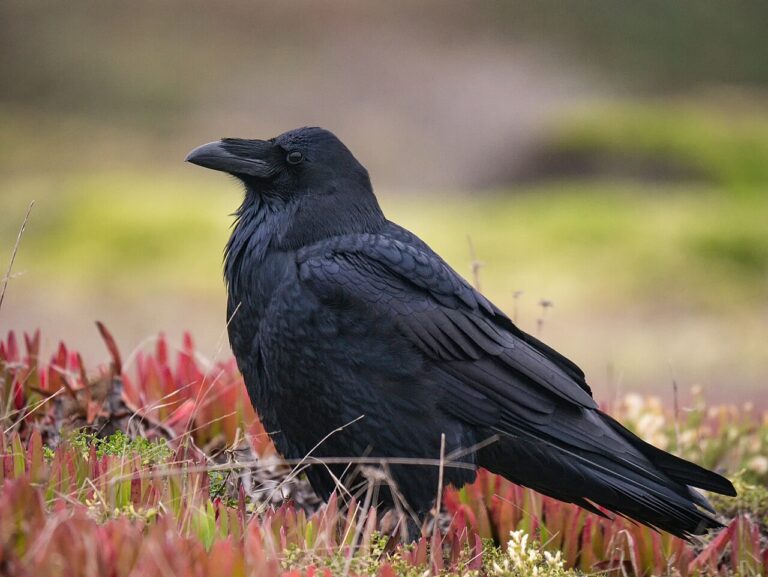
A raven tattoo means mystery, knowledge, and fate. The Viking raven and Odin’s Huginn and Muninn, Poe’s Nevermore, the Northwest Coast trickster, and the styles that suit the bird.
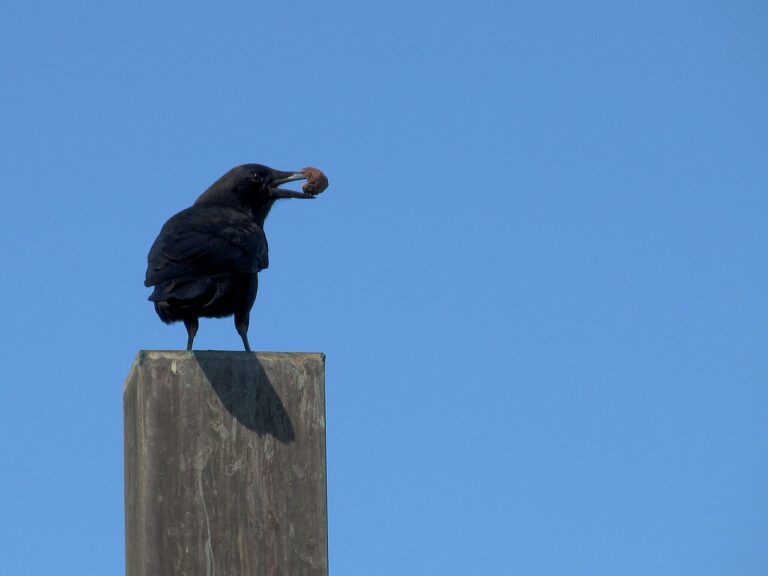
A crow tattoo means intelligence, transformation, and adaptability. What it signals for men and women, the skull pairing, Yatagarasu and The Crow, and crow vs raven designs.
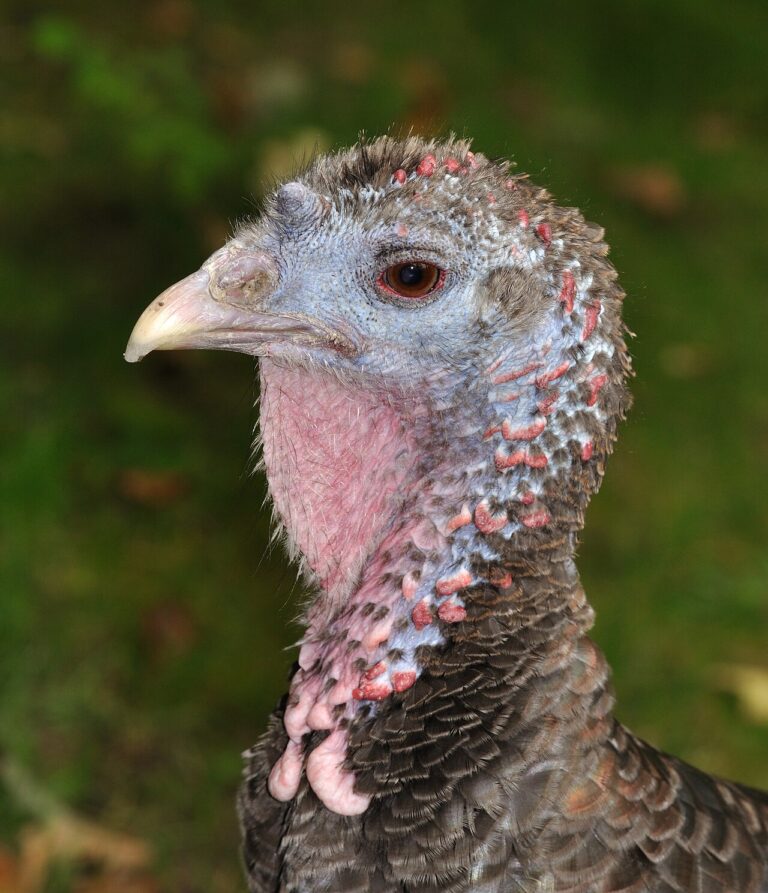
Turkey sounds decoded: the mile-carrying gobble, hen yelps and purrs, the alarm putt, kee-kee whistles, shock gobbles at owls and crows, and the dawn roost soundtrack.
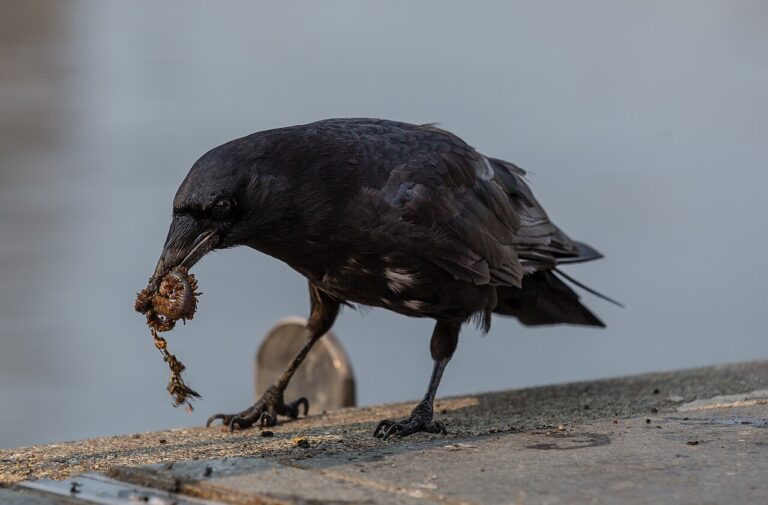
Crow sounds decoded: what caw counts and rhythms mean, the strange rattle, happy crow chatter, mobbing screams, mimicry of hawks and humans, and crow vs raven by ear.
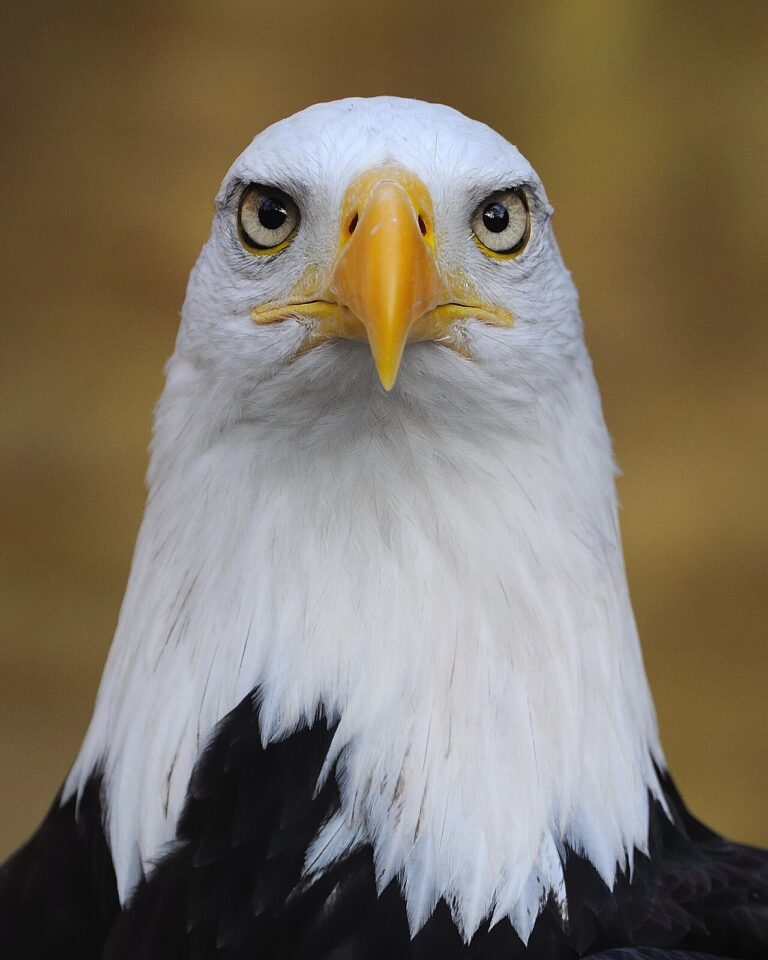
What an eagle tattoo really means: freedom, courage, and vision at the core, plus bald vs golden eagles, the eagle and snake design, Aztec eagle warriors, and placements.