Leopard Gecko Habitat: The Tank Setup That Actually Works
A leopard gecko habitat needs belly heat, three hides, a safe substrate and a real temperature gradient. Exact targets and the mistakes to skip.
Beyond the feeder. Guides to the mammals, reptiles, and other wildlife that share your backyard, from squirrels and raccoons to deer and foxes.
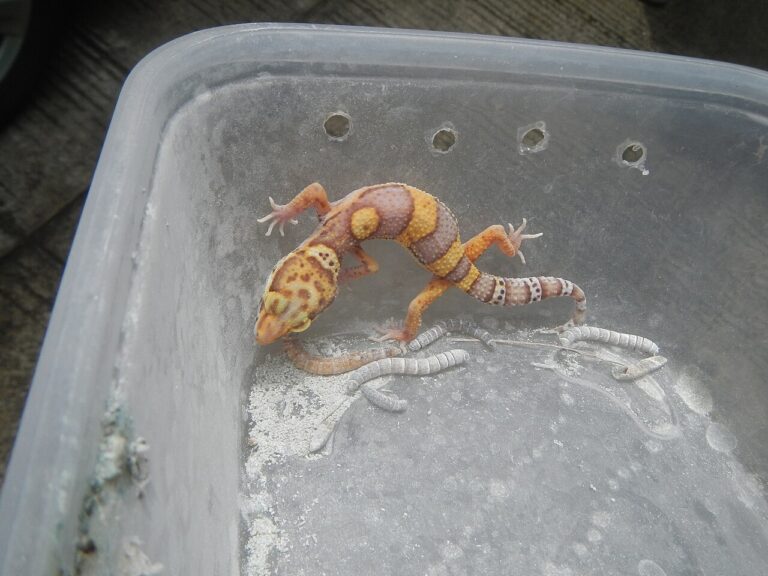
A leopard gecko habitat needs belly heat, three hides, a safe substrate and a real temperature gradient. Exact targets and the mistakes to skip.

Panther chameleon males reach 21 in and live 5 to 7 years. Locales, enclosure, lighting, temperatures, diet and what a full setup really costs.

Arctic foxes live 3 to 6 years in the wild and up to 16 in captivity. What kills most of them, how lemming cycles set the number, and the oldest on record.

Pacman frogs have maxillary teeth, vomerine teeth, and two bony odontoid fangs. What each one does, the measured bite force, and how to avoid a bite.

A blue tree frog is a green tree frog without yellow pigment, not a separate species. What causes the color, how rare it really is, and whether it is safe to handle.

The desert iguana is a 10 to 16 inch herbivorous lizard of the Mojave and Sonoran deserts, and the most heat tolerant lizard in North America.

Leopard geckos live 15 to 20 years in captivity and about 6 to 8 in the wild. Males outlive bred females, and three husbandry mistakes cause most early deaths.

One adult crested gecko needs at least an 18 x 18 x 24 inch vertical enclosure. Here are the sizes, temperatures, humidity levels and furnishings that keep them healthy.

The Virginia opossum has the shortest life of any North American mammal its size. Aging, not just predators, sets the ceiling at about 3 years in the wild.

Wild groundhogs average 2 to 3 years while captive ones reach 14. Here is what kills them, how hibernation sets the limit, and what the numbers look like at every stage.