Iguana Food: The Greens to Feed and 12 Foods to Never Feed
Green iguanas are strict herbivores. Here is the 80 percent greens rule, the calcium ratio that decides whether the diet works, and the foods that cause kidney damage.
Beyond the feeder. Guides to the mammals, reptiles, and other wildlife that share your backyard, from squirrels and raccoons to deer and foxes.
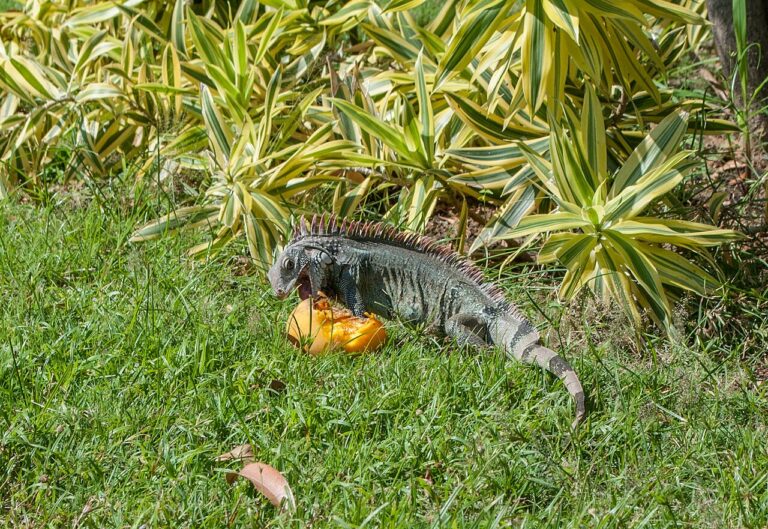
Green iguanas are strict herbivores. Here is the 80 percent greens rule, the calcium ratio that decides whether the diet works, and the foods that cause kidney damage.
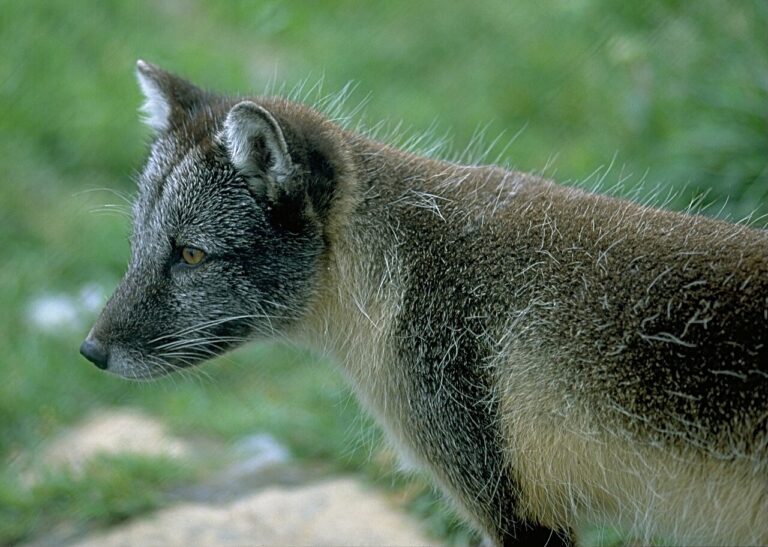
Where Arctic foxes live, what they eat, how their fur handles extreme cold, and why the Scandinavian population is still critically endangered.

How to recognize a cottontail, where it sleeps, when it nests, and what to do about the wild rabbits living in your yard.
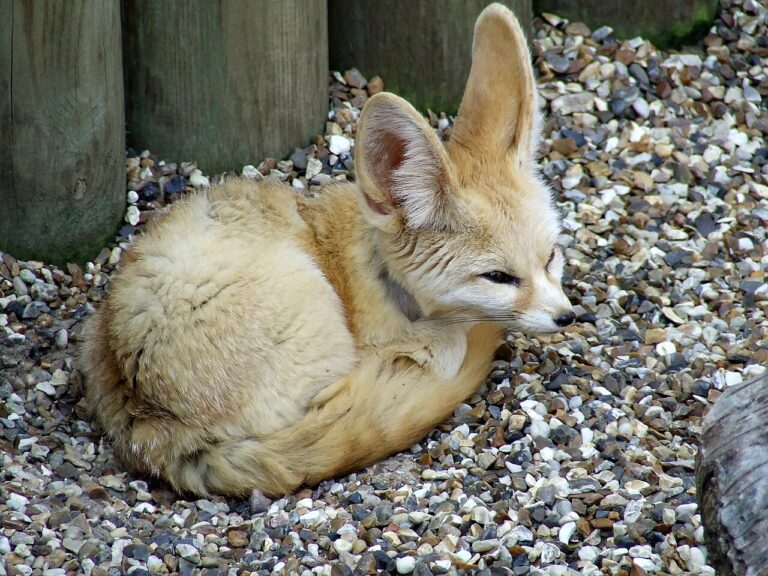
What a pet fennec fox costs, where it is legal, how loud it gets at night, and why it suits experienced exotic keepers rather than first time owners.

A bullfrog tadpole can spend three years in the water and grow to 6 inches before it sprouts legs. Identification, diet, care and where to buy them.

The red-eyed tree frog is famous for the wrong reasons. It carries no toxin, it is not rare, and the red eyes are a one-second startle display. Facts, care and costs.

The eastern painted turtle is the only painted turtle with straight rows of shell scutes. Here is how to identify it, what it eats, how long it lives, and what keeping one really costs.

Grass and hay carry 80 to 90 percent of a sulcata tortoise diet. Here is the safe plant list, the foods that cause pyramiding, and how often to feed at each age.

An iguana bite cuts rather than crushes, and the real danger is what grows in the wound. Bite force, first aid, infection risk, and the warning signs that come first.

The eastern mud turtle stays under 4 inches, closes its shell like a box, and is often mistaken for a young snapping turtle. Here is how to identify, find, and keep one.