Types of Foxes: The 12 True Foxes and 11 Pretenders
Twelve true foxes live in the genus Vulpes, and about eleven more animals carry the name without belonging to it. Here is how to tell them apart, starting with the five that live in the US.
Beyond the feeder. Guides to the mammals, reptiles, and other wildlife that share your backyard, from squirrels and raccoons to deer and foxes.

Twelve true foxes live in the genus Vulpes, and about eleven more animals carry the name without belonging to it. Here is how to tell them apart, starting with the five that live in the US.

An orange iguana is either a male green iguana in winter breeding color or a bred red morph. Which one you are looking at, what it costs, and how it behaves.

Coyotes are crepuscular, not nocturnal. Why city coyotes move only at night, what a daytime sighting really means, and when they are most active.
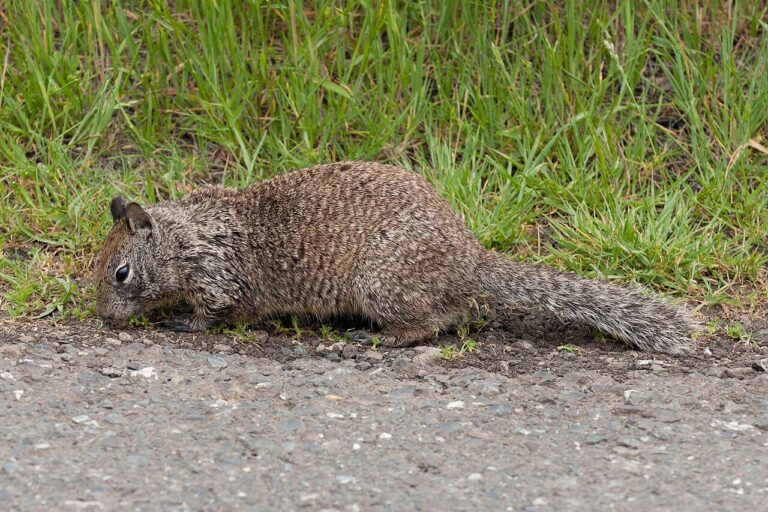
Tree, ground, and flying squirrels cover about 60 North American species. Here are the 12 you are most likely to see and the field mark that identifies each.
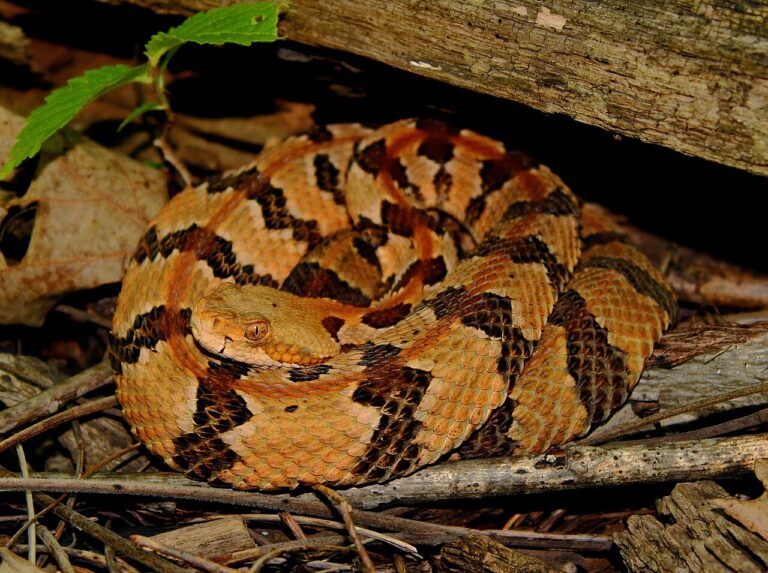
Snakes do not hibernate, they brumate. Here is where they go in winter, at what temperature they shut down, and why some dens hold thousands of them.
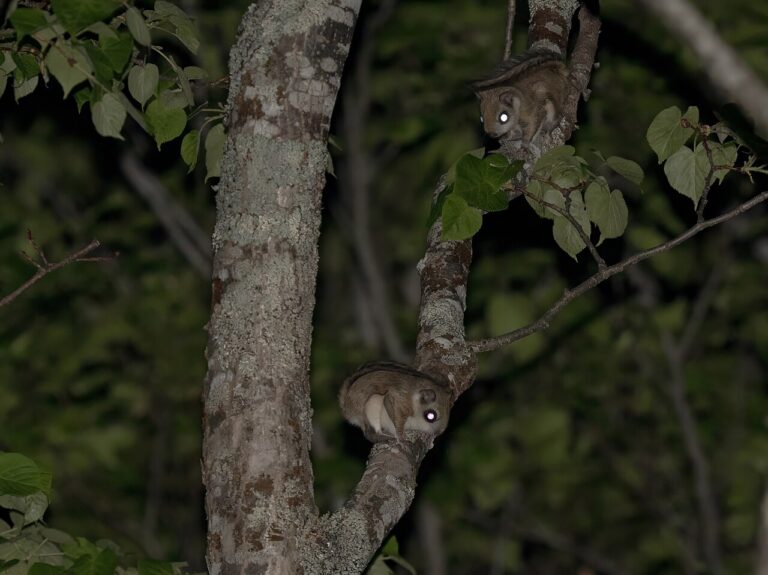
Two real species carry the name Japanese flying squirrel: the palm sized momonga and the cat sized musasabi. Here is how they differ, how far they glide, and why you cannot own one.

Every domestic rabbit belongs to one species, while North America holds about 15 wild ones. The breeds, the body types and how to tell them apart.
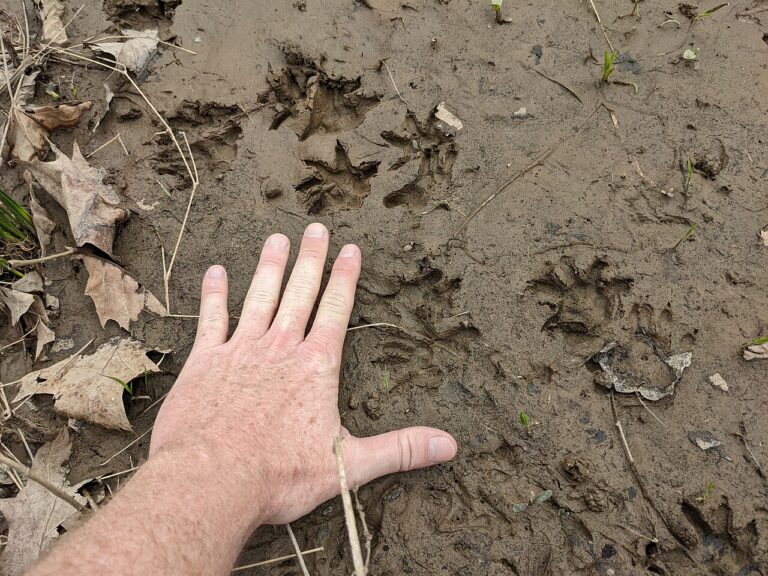
Possums feed from dusk to dawn, with a peak in the first hours after dark. A daytime opossum is usually hungry, not sick. Here is the full schedule.
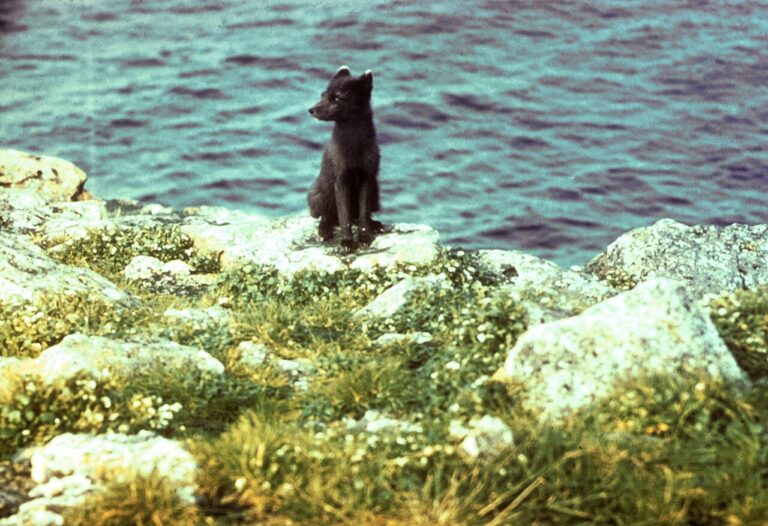
Arctic foxes rest comfortably at 58 degrees below zero. Here is how the fur, the paws, the fat reserves and the caching habit add up to survival.
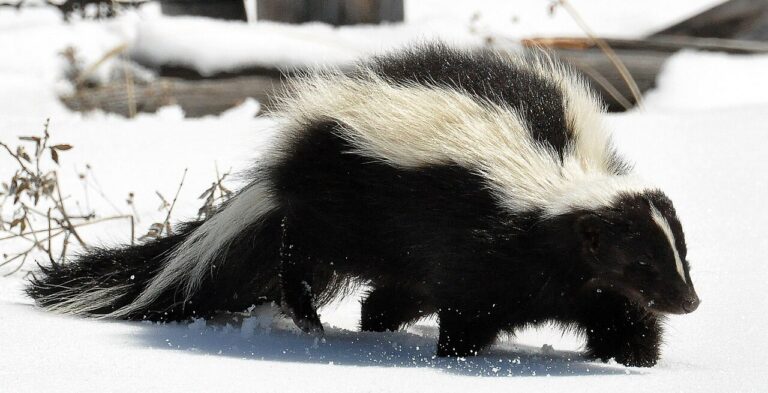
Skunks forage from dusk to dawn and sleep underground by day. Why a daytime sighting usually is not rabies, where they den, and what actually keeps them out of a yard.