Tarantula Spiritual Meaning: Symbolism and Signs
Spiritually, a tarantula stands for patience, self-reliance and the slow kind of change that happens out of sight. The tarantula spiritual meaning grows out of how the animal lives. Burrowing species typically wait near their retreats for prey, can move quickly when needed, and shed their exoskeletons to grow. Each of those habits turns into a lesson about timing.
A sighting adds a second layer. A tarantula on a desert road in October, one in your garage, one in a dream and a dead one on the porch each point somewhere slightly different. The facts come first. In North America, only widow spiders and recluse spiders are dangerous to humans, as Rutgers Cooperative Extension notes, but tarantulas can still cause painful bites or injuries from defensive hairs, so give the animal space.
As a sign, a tarantula points to patience, self-reliance and growth that takes time. Where you meet it shifts the message. In the house it asks you to guard your space, on your path it asks you to slow down, and in a dream it marks a fear you are ready to face.
What Do Tarantulas Represent Spiritually?
Tarantulas represent patience, transformation and independence. The patience comes from the way they hunt. Burrowing tarantulas typically wait near their retreats, detect vibrations from passing prey, and strike when an insect comes within reach.
Transformation comes from the molt. A growing tarantula splits its old exoskeleton, pulls itself out soft and exposed, then hides until the new skin hardens. That makes it an image of change that costs something and needs a safe place to finish. Independence comes from the solitary life. Adults typically live alone and meet others mainly to mate; burrowing females can remain at one retreat for much of their lives.
The tarantula differs from the general spider symbol in one key way. The common spider symbol centers on the web, on weaving and building patterns. A tarantula does not spin an aerial snare web. Burrowing species line their retreats with silk and hunt by ambush, making them images of grounded strength and timing rather than design. Black widows carry a sharper symbolism of danger and boundaries, and they belong to a different spider family entirely.
How Tarantula Behavior Shapes the Symbolism
Tarantula behavior shapes the symbolism through three habits, the burrow, the long wait and the molt. Desert species of the genus Aphonopelma, such as the Arizona blond tarantula (Aphonopelma chalcodes), dig or take over a burrow and line it with silk. They spend the day inside and come out at dusk to sit at the entrance.
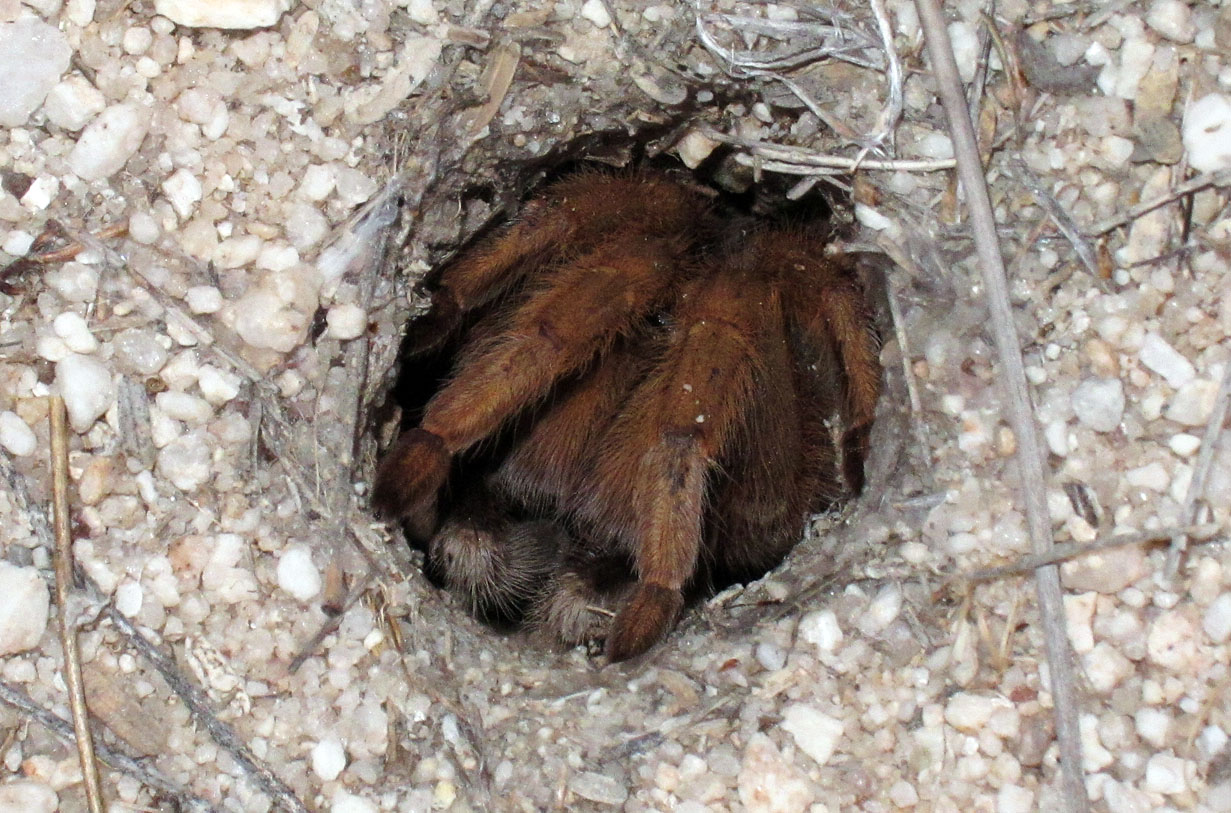
Long life adds weight to the patience theme. The Arizona-Sonora Desert Museum reports that male desert blonde tarantulas typically live about 10 to 12 years, while females can live beyond 20 years. Males spend much of their lives growing before leaving to seek mates. A female settled at her burrow is an image of rootedness. The wandering male is an image of the risk that comes with leaving home.
Movement completes the picture. A tarantula walks slowly and deliberately, then covers the last inch to its prey in a sudden lunge. That contrast is the heart of the symbol. Calm is not the same as passive. The animal saves its energy for the one moment that counts, and a sighting carries that same lesson.
What Does It Mean When You See a Tarantula?
Seeing a tarantula means it is time to slow down and act with intent, and the setting sharpens that message. A tarantula on your path points to a decision you are rushing. One in your home points to your personal space and who gets access to it. A dream tarantula points to a fear that has grown larger in your mind than in life.
| Encounter | What it points to | What to do next |
|---|---|---|
| On your path or a road | A decision you are rushing | Pause before you commit |
| In your house or garage | Boundaries and privacy | Review who and what you let in |
| In a dream | A fear ready to be faced | Name the fear and take one small step |
| A dead tarantula | A cycle that has closed | Let go of a plan that has run its course |
| On your hand or body | Trust and stillness under pressure | Stay calm and let it walk off |
| A shed skin | Growth that needs protection | Give a new project time before you show it |
A dead tarantula is the strongest ending symbol of the set. It marks a closed chapter, not a threat. A shed skin looks similar but means the opposite. The spider survived and grew, and the empty shell is proof of a change already done.
A tarantula on your body is rare outside of pet keeping. It points to trust and to staying still while something unsettling passes. Stillness is the right practical answer too, because a startled tarantula is more likely to flick hairs or bite.
Why Are You Seeing Tarantulas in Your House?
A tarantula in your house may be a wandering male searching for mates, especially during the local breeding season. Mature male Aphonopelma leave their burrows and can cross roads and patios or enter through open doors. Timing varies by species and region, and searching males can travel by day as well as at night. An October sighting alone does not identify the spider’s sex.
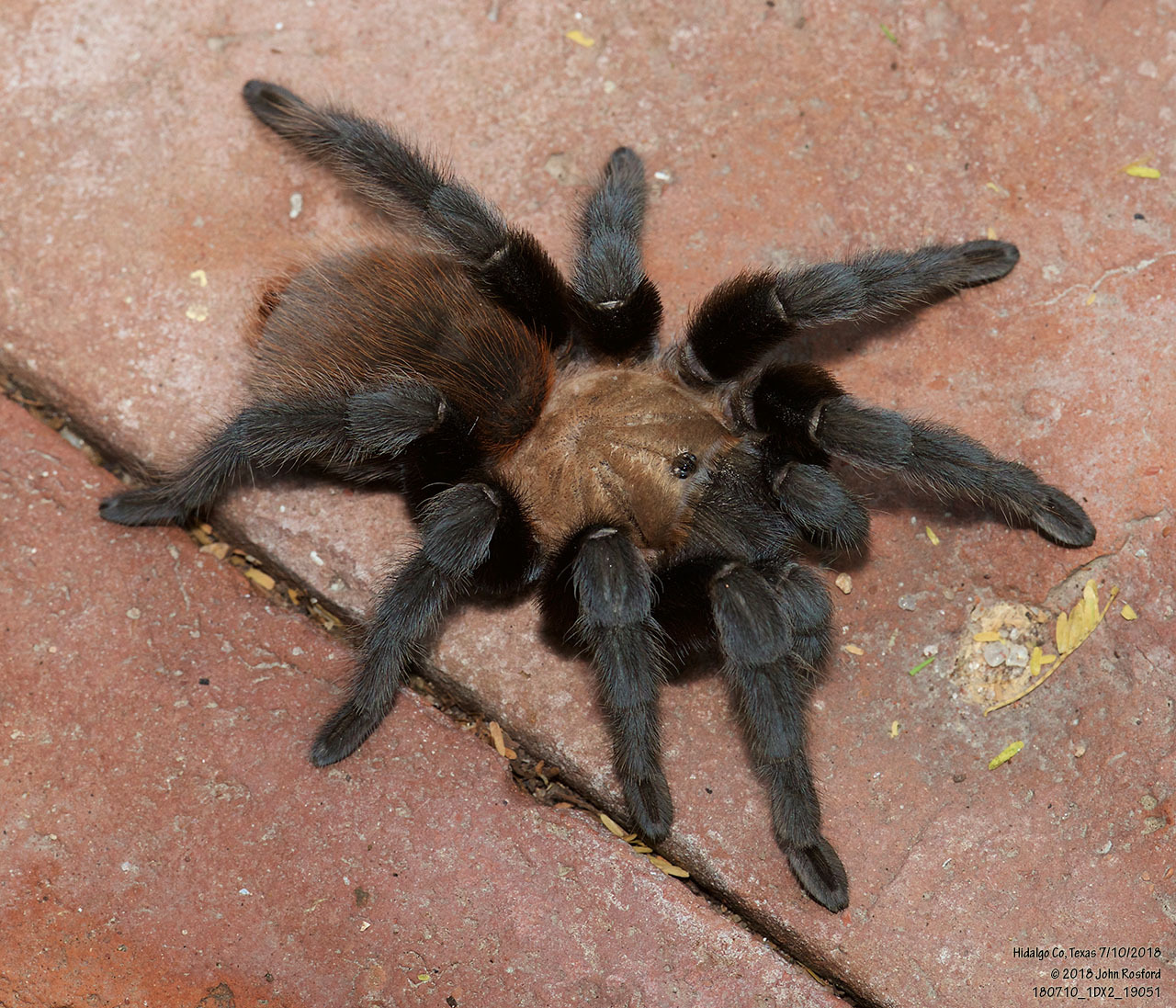
Shelter draws them in as well. Gaps under doors, cracks in foundations and cluttered garages give a ground-dwelling spider a place to hide during the day. Door sweeps and a cleared garage floor take away most of that cover.
A tarantula indoors points to boundaries. Something has crossed into your space, and the visit asks whether you invited it. It also points to a season of searching, since the visitor is itself out looking for a partner. Black house spiders are web builders that can settle into window frames, while a wandering male tarantula is typically passing through.
What Do Repeated Tarantula Sightings Mean?
Repeated tarantula sightings point to a lesson you have not acted on yet. One sighting is a nudge toward patience. Several in a season return to the same area of life, so look at what you keep postponing or forcing.
There is also a plain explanation in the fall. Males travel the same routes, and a house near open desert or grassland can see several in a few weeks. Keep both views in mind. The natural cause explains why the spiders arrive, and the meaning is what you take from it. A short note of where and when each one appeared shows whether the pattern follows the season or your own turning points.
What Does a Black Spider Mean Spiritually?
A black spider points to protection, mystery and the hidden side of a situation. Black marks what is not yet seen, and a spider marks patience and craft, so together they point to something working in the background. Black and white spiders call for careful identification first, because their color pattern separates one group from another.
A black tarantula is not a black widow. Tarantulas are large, hairy and thick legged. Mature female black widows are nearly 1/2 inch (13 mm) long, glossy and marked with red, and males are about half that size. Black widows crossing your path carry a warning about boundaries that a tarantula does not.
What Are a Tarantula’s Predators and What Scares It Away?
A tarantula’s most specialized enemies include tarantula hawks, large spider wasps including the genus Pepsis. The female wasp stings a tarantula, paralyzes it and drags it into a burrow, where she lays a single egg on its body. The larva then feeds on the living spider.
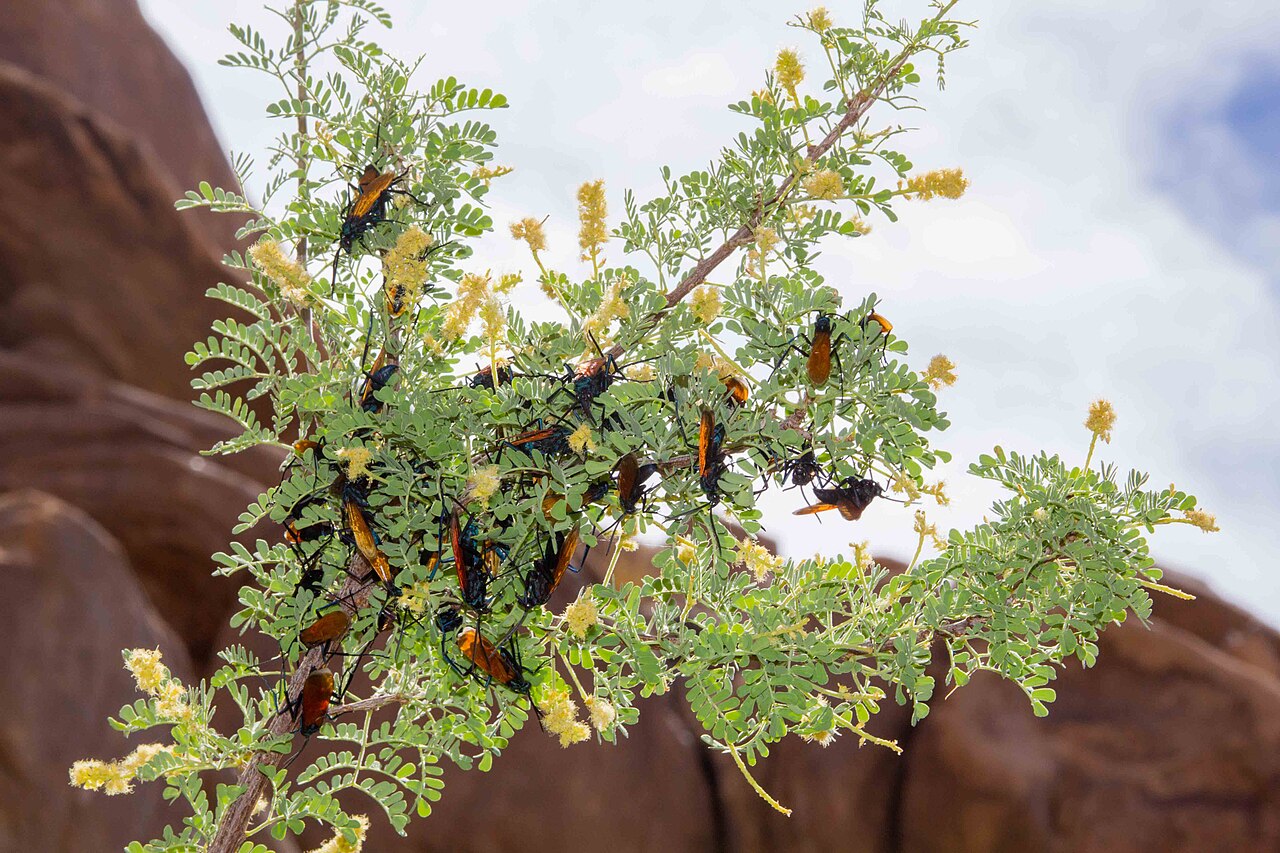
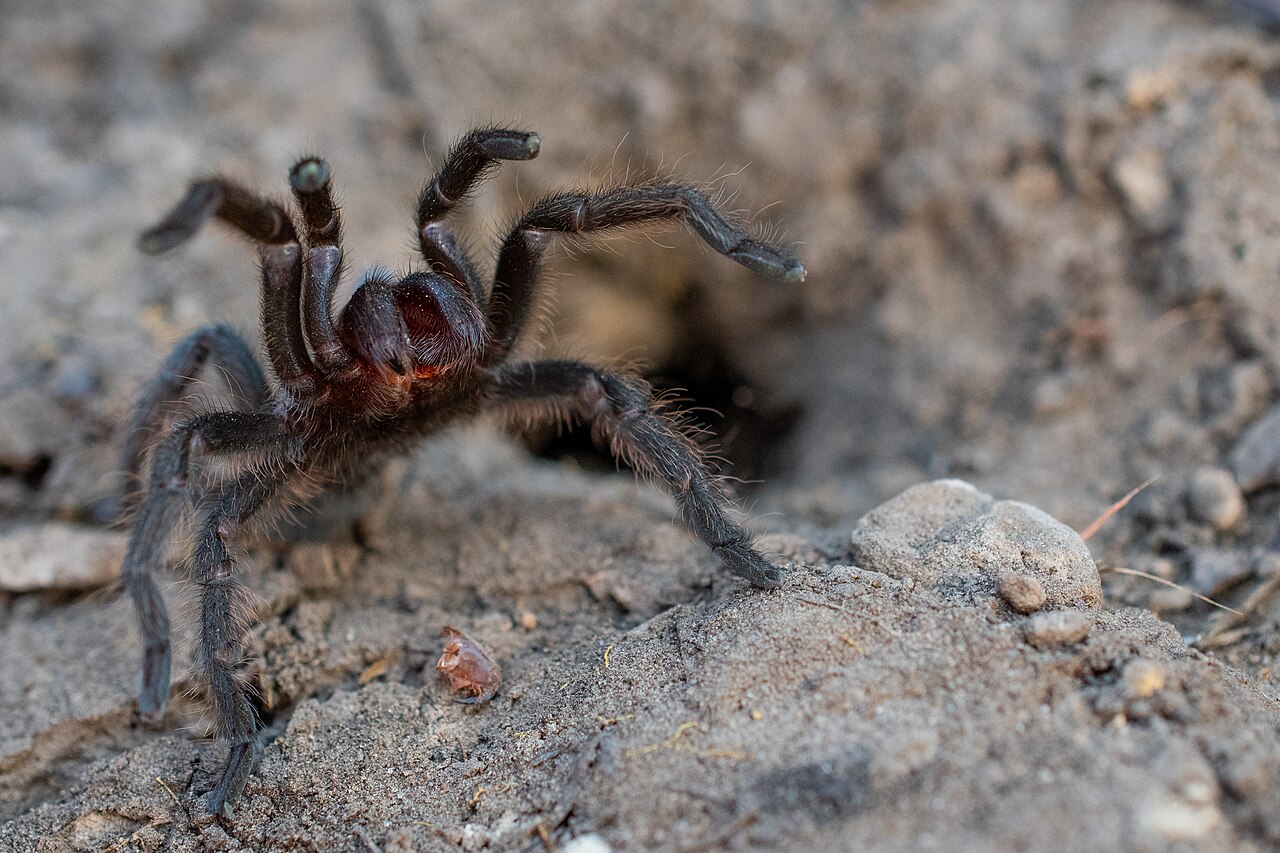
Birds, snakes, lizards, skunks and coyotes also eat tarantulas, and wandering males are exposed outside their retreats. A burrow, retreating, fangs and defensive displays all help protect the spider. Some American species also kick barbed hairs from the abdomen toward an attacker. Rearing up to expose the fangs is a warning display that can precede a bite.
Disturbance and strong light can make a tarantula retreat, but searching males also cross open ground in daylight. To reduce house visits, seal gaps around doors and foundations and remove clutter near entrances. Human threats include road traffic, habitat loss and collection for the pet trade, with their importance varying by species and location. The predator side adds weight to the symbol. Patience is a strength, but the tarantula also shows how exposed you are once you leave your shelter.
Tarantula Safety: Bites, Hairs and Handling
Bites from tarantulas native to North America typically cause mild effects, including pain at the bite site, according to Poison Control. This description does not cover every species kept as a pet. Spiders are generally timid and seldom bite people. Bites happen mainly when a spider is trapped against the skin or is being handled. Wash a bite with soap and water and contact a poison center for advice. Trouble breathing or swelling of the lips, tongue or throat requires emergency help.
Defensive hairs are another hazard. Some tarantulas from the Americas release urticating hairs that typically irritate skin and can injure the eyes. Do not rub exposed eyes. Poison Control advises evaluation by an eye doctor if the eyes are affected.
Black widow spiders raise a different safety question, because widows and recluses are the only North American spiders dangerous to humans. A tarantula needs no killing. Use a container to return a native wild tarantula to nearby shelter outdoors; keep a suspected escaped pet contained and contact its keeper or a local animal service.
The Tarantula as a Spirit Animal
The tarantula as a spirit animal stands for people who work alone, think before they move and grow through hard changes. Its strength is endurance. Its weakness is isolation. A person drawn to the tarantula builds one secure base and defends it, and this animal asks that person to leave the burrow when the timing is right, not only when forced.
As a guide, the tarantula teaches three habits. Wait for the right moment. Protect yourself during a vulnerable change. Use force sparingly and only when it matters. Each of those lessons matches the animal’s real life, and that keeps the symbol grounded.
Frequently Asked Questions
Do tarantulas get attached to humans?
No, tarantulas do not typically form social bonds with people. A pet tarantula sitting calmly on a hand should not be treated as a sign of affection. It can still bite or, in species with urticating hairs, release hairs when startled.
What attracts tarantulas to your house?
Prey insects and sheltered hiding places can draw tarantulas near a house, while gaps and open doors let them enter. Porch lights can attract insects that provide food for spiders. Wandering males may also enter while searching for mates, with the season varying by species and region.
How long do tarantulas live?
Lifespan varies by species and sex. The Arizona-Sonora Desert Museum reports that female desert blonde tarantulas can live beyond 20 years, while males typically live about 10 to 12 years. Males spend much of that time growing before leaving their burrows to seek mates. Their mate searching explains why males become conspicuous during the breeding season.
Are tarantulas found in the United States?
Yes, native tarantulas of the genus Aphonopelma live in the southern and southwestern United States, including California, Arizona, New Mexico and Texas. These native burrowers differ from tropical tree-dwelling species, although Aphonopelma are also kept as pets. They typically spend much of their lives in or near a burrow, with mature males leaving to seek mates.
What does a tarantula in a dream mean?
A tarantula in a dream points to a fear that feels bigger than it is. A calm dream spider suggests you are ready to face it. One that chases or bites points to pressure you are avoiding while awake, and a molting one points to a change already underway.
Is it good luck to see a tarantula?
Often yes. A tarantula points to patience and steady progress, not to a warning. The animal is shy and slow, and its visit asks for calm rather than alarm. The exception is a sighting that leaves you anxious, which points to a fear worth naming and facing.
Sources
Explore more: Insect Spiritual Meanings: 15 Bugs and What They Signal