Do Termites Make Noises? Clicks, Knocks and Hollow Walls
Do termites make noises? Yes, they do, though the sounds are faint. Most people first notice them as soft ticking in a wall at night, a sound with several other possible causes. You hear termites only with your ear close to the wall in a quiet room.
Yes, termites make noises. Soldiers bang their heads against tunnel walls and workers chew wood, which sounds like faint clicking or rustling heard only up close. A hollow, papery sound when you knock on wood is a more useful hint, but only a probe and an inspection can confirm termites.
What Noises Do Termites Make?
Termites typically make two sounds you can hear, a dry clicking from soldiers and a soft rustling from workers. When the colony senses a threat, soldiers bang their heads against the walls of their tunnels. The vibration travels through the wood and alerts the rest of the colony. To a human ear it typically sounds like faint, irregular ticking.
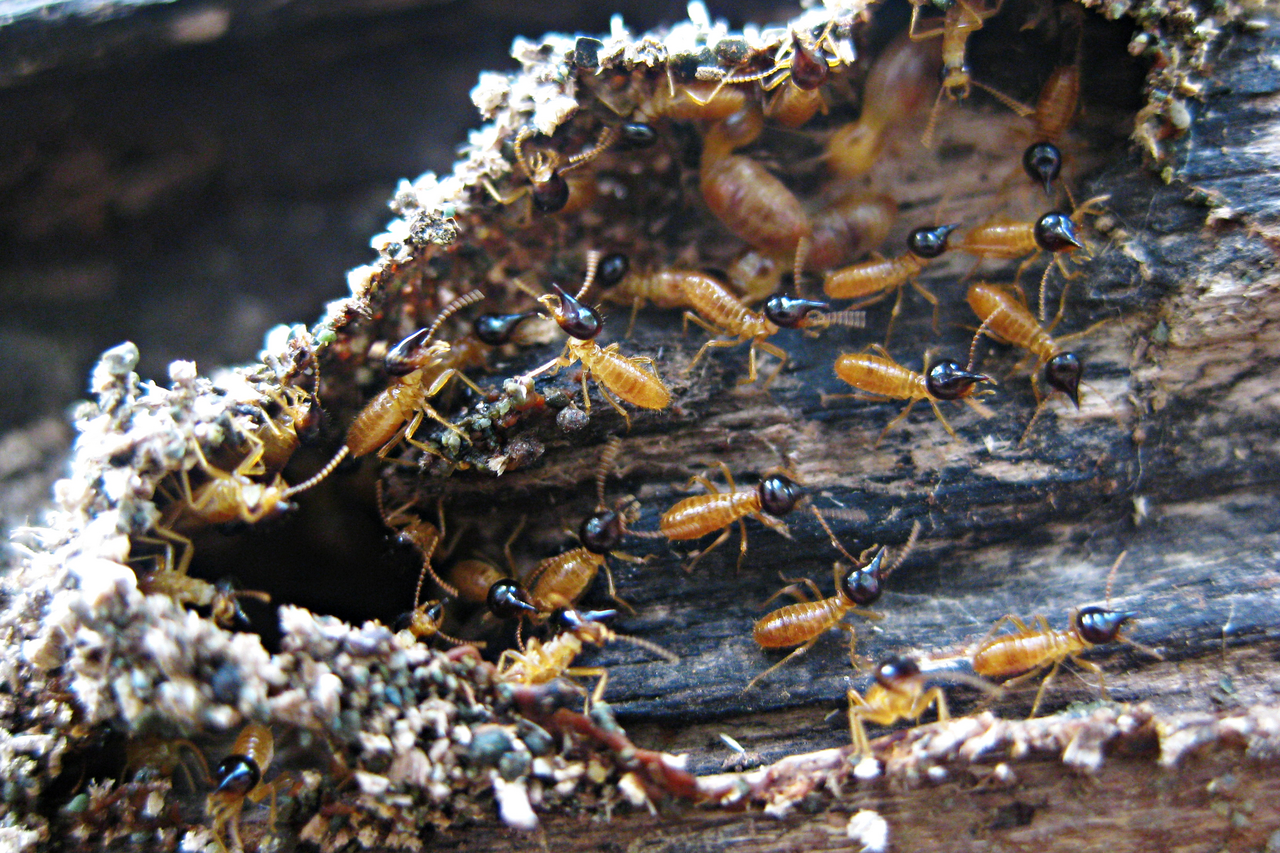
Workers make the second sound. They chew wood around the clock, and in an active gallery you can pick up a quiet crunching or rustling. Eastern subterranean termites (Reticulitermes flavipes) and western drywood termites (Incisitermes minor) both feed inside the wood. Pest researchers use sensitive microphones and vibration sensors to pick up these feeding and alarm sounds and locate colonies hidden inside walls.
When Are Termites Most Active?
Night is the easiest time to listen. The house goes quiet while the colony keeps working, so press an ear to the wall after the heating and appliances switch off.
Eastern subterranean termites typically swarm in spring, western drywood termites in late summer and fall, and a colony inside a heated home feeds all year, so silence in winter does not rule out a colony.
Does a Hollow Wall Mean Termite Damage?
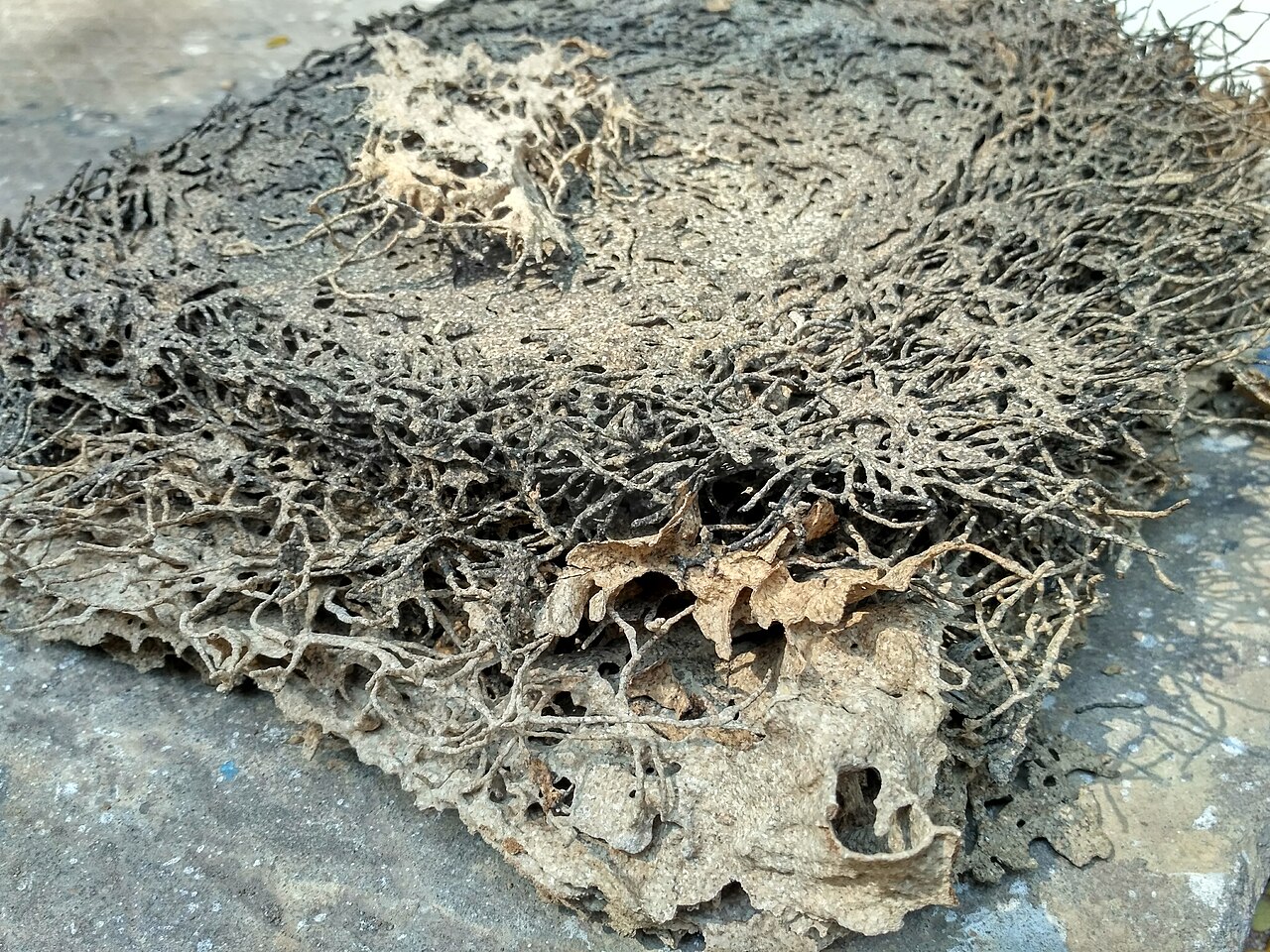
A hollow, papery sound when you knock on wood is one of the most useful home checks for termite damage, but it only counts when the screwdriver probe and the other signs agree. Termites eat wood from the inside and leave a thin outer shell, so the board looks sound but rings empty. Knock along baseboards, door frames and window sills with a knuckle or the handle of a screwdriver. Compare each spot with a stretch of wood you know is solid.
Then press the tip of a flat screwdriver into the suspicious spot. Healthy wood resists. Damaged wood gives way, crumbles or opens into tunnels that may hold mud (subterranean termites) or dry pellets (drywood termites), as the University of Florida IFAS Extension describes. Termite droppings are small, hard pellets pushed out of drywood galleries. The other first signs of termites in a house are mud tubes on foundation walls, discarded wings near windows and paint that bubbles over the wood.
A hollow sound on its own proves little. Drywall over an empty stud bay rings hollow, and so does plaster that has come loose from its lath. Mark each suspicious spot with tape, listen there again at night, and call a licensed inspector when the knock, the probe and the sound agree. Termites in a house are commonly read as a sign of hidden decay that needs attention.
Termites or Something Else in the Wall?
Steady, faint clicking close to wood points to termites, while scratching and scurrying points to rodents. Mice and rats are louder and move from place to place along the wall. Termites stay where the wood is. Cockroaches rustle and scrabble too, but they come out at night in kitchens and bathrooms where you can spot them.
Bugs that look like termites cause most mix-ups, and carpenter ants (Camponotus spp.) lead the list. Carpenter ants push out fibrous sawdust mixed with insect parts, drywood termites leave hard, six-sided pellets, and subterranean termites pack their tunnels with mud. Flying ants have pinched waists and bent antennae. Termite swarmers have a thick waist, straight antennae and four wings of equal length, and the workers inside the wood are pale, soft and about 1/4 inch long.
Loud chirping at night has nothing to do with termites. Crickets call loud enough to fill a room. Ticking that follows the heating cycle comes from pipes and wood expanding and contracting as they warm and cool. If the sound starts when the furnace starts, check the pipes first.
| Sound or sign | Likely cause | How to check |
|---|---|---|
| Faint, steady clicking near wood | Termite soldiers | Listen at night with an ear on the wall |
| Soft crunching inside a board | Termite workers feeding | Knock test and screwdriver probe |
| Scratching that moves along the wall | Mice or rats | Look for droppings and gnaw marks |
| Fibrous sawdust below wood | Carpenter ants | Look for insect parts, since hard pellets point to drywood termites |
| Loud chirping after dark | Crickets | Follow the sound to floor level |
| Ticking when the heat comes on | Pipes or wood expanding | Match the sound to the furnace cycle |
Frequently Asked Questions
What is a termite’s worst enemy?
Ants are the main predators of termites. They raid colonies, carry off workers and catch winged swarmers the moment they leave the nest. No smell or sound drives an established colony out of a house. Dry wood with no soil contact makes a home far less attractive to new ones.
Is it safe to sleep in a room with termites?
Yes. Termites do not sting, and they rarely bite people. Only soldiers can pinch, and usually only when handled or when a colony is disturbed. The clicking in the wall poses no danger to anyone sleeping next to it. The risk is to the wood, not to you. Swarmers that fly out indoors cannot start a colony without soil and moisture and die within a few days.
Sources
- University of Florida IFAS Extension, Drywood and Subterranean Termite Signs
- Acoustical Society of America, Acoustic Detection of Termites in Wood
- Orkin, Do Termites Bite People?
- Orkin, Termite Season and Swarming Times