White Rabbit Symbolism: Spiritual Meaning, Signs and Christian Art
Spiritually, a white rabbit stands for purity, new beginnings, good luck and a quiet nudge to trust your intuition. White rabbit symbolism also has a second life in stories. Lewis Carroll’s anxious rabbit with a pocket watch, Grace Slick’s song for Jefferson Airplane and the line “follow the white rabbit” in The Matrix all turn the animal into a guide toward something hidden.
The color does most of the work. White fur reads as clean and unwritten, and the rabbit adds speed, fertility and alertness. Context decides which side leads. A white rabbit in a dream, one crossing your yard and one in a Renaissance painting each point somewhere different.
As a sign, a white rabbit points to a clean slate and luck that arrives fast. Christian painters used it for innocence, and Titian set one beside the Virgin Mary in his Madonna of the Rabbit. In pop culture it is a guide into the unknown, from Alice’s Wonderland to Neo’s Matrix.
What a White Rabbit Symbolizes
A white rabbit symbolizes purity, renewal, luck and intuition, a sharper and lighter version of what any rabbit stands for. The brown rabbit carries fertility and quick wit. Add the white coat and the message shifts toward a fresh start. White adds innocence and the sense that nothing has been written on this page yet.
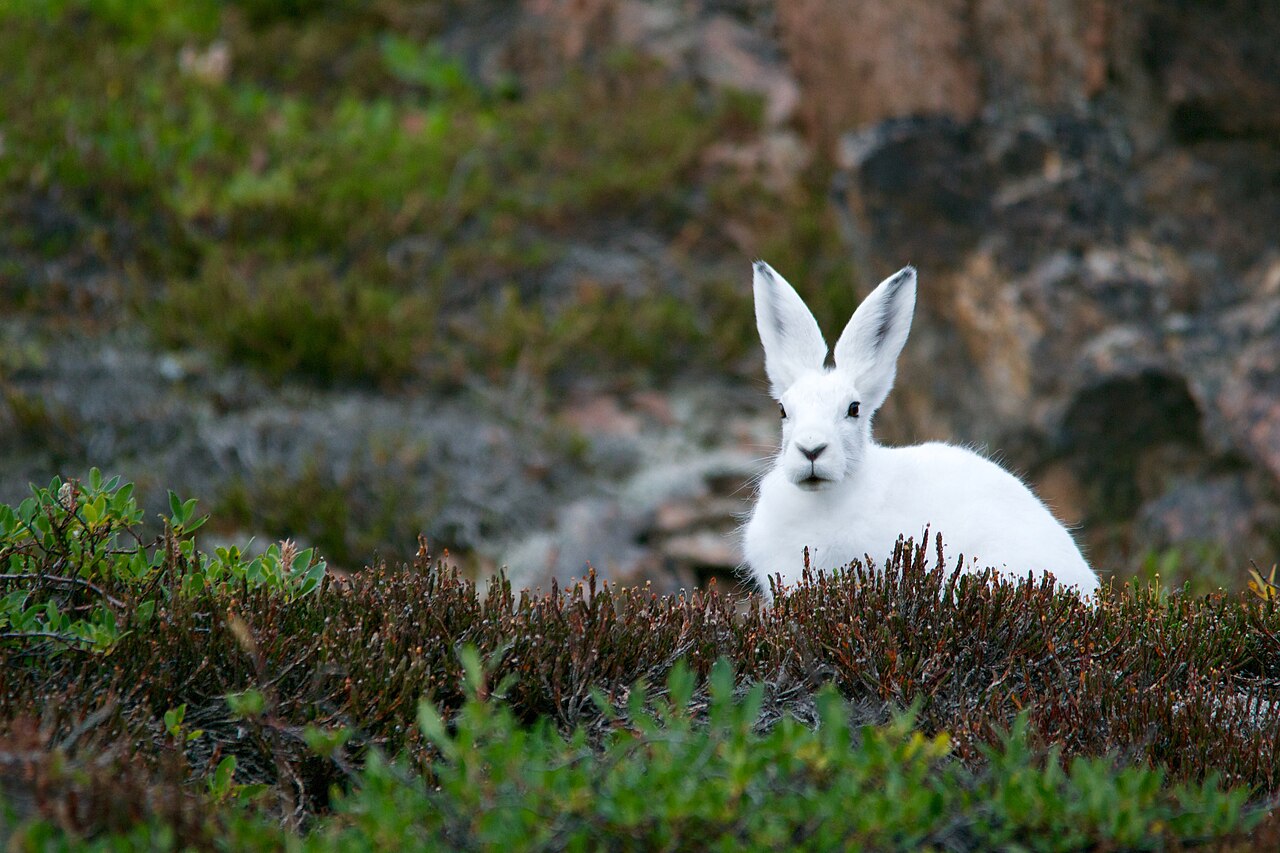
Rabbit symbolism in general covers every color, omen and sighting, while the white animal has its own layer of art and story. A hare is a different animal, not another name for a white rabbit.
The fur matters too. A true albino rabbit lacks pigment entirely, so it has white fur and pink or red eyes. Other white rabbits have dark or blue eyes and carry white coat genes without being albino. Carroll gave his White Rabbit pink eyes, so the most famous white rabbit in fiction is an albino.
| Context | Source | What the white rabbit stands for |
|---|---|---|
| Sighting or dream | Modern spiritual reading | A clean start, quick luck, trusting your gut |
| Christian art | Titian, Madonna of the Rabbit | The purity of the Virgin Mary |
| Chinese moon lore | Jade Rabbit (Yutu) | The elixir of immortality, Mid-Autumn Festival |
| Japanese moon lore | Tsuki no usagi | Self-sacrifice, rice cakes (mochi) |
| Literature | Lewis Carroll, 1865 | Hurry, the guide into Wonderland |
| Music | Jefferson Airplane, 1967 | Altered perception, “feed your head” |
| Film | The Matrix, 1999 | A call to wake up to a hidden reality |
10 Spiritual Meanings of a White Rabbit
A white rabbit carries ten spiritual meanings, and each one fits a different situation. They are modern readings rather than the doctrine of a single faith, except where a named painting or text stands behind them.
1. Purity White is the color of the unmarked. A white rabbit points to a clean motive, a clear conscience or a decision made for the right reasons. In Christian art the image has a named source. Titian painted the Madonna of the Rabbit around 1530, and the white rabbit under the Virgin’s hand stands for her purity.
2. New Beginnings Rabbits move in short bursts from cover to open ground. A white one marks the moment you leave cover. It fits a new job, a move to a new city or the first weeks after something ends. The rabbit does not plan the whole field. It plans the next jump.
3. Good Luck In the British first-of-the-month custom, saying “white rabbits” is a good-luck charm. A white rabbit at the start of a trip or a project points to luck that comes quickly and leaves quickly. The lesson is speed. Act on the opening while it is still open.
4. Fertility Rabbits breed fast, and a white rabbit joins that fertility with innocence. It points to growth in a family, a garden or a plan that multiplies once it starts. The white coat keeps the reading gentle. This is growth that feels like a gift, not a burden.
5. Abundance A warren full of young is abundance in its plainest form. A white rabbit near your home points to enough rather than excess. Think of a full table that does not need to be guarded. The animal eats what grows around it and wastes little.
6. Intuition Rabbits sense danger before they see it. Their ears turn on their own and their eyes sit high on the sides of the head, so they catch movement from almost every angle. A white rabbit asks you to trust the early signal. That is the unease you feel before you can explain it.
7. Gentleness The white rabbit stands for strength that does not need to look strong. Its alert posture gives gentleness a watchful edge. It suits a moment when patience will do more than pressure.
8. Vulnerability A white coat is easy to spot. In the wild that is a risk, and the snowshoe hare (Lepus americanus) solves it by turning white only in winter. A white rabbit points to a time when you are exposed. Choose your cover with care and let trusted people close.
9. Transformation A white rabbit marks a passage from one state to another. White dove symbolism of peace belongs to the calm after a change. The rabbit belongs to the change itself, the jump from one field into the next.
10. A Call to Follow Carroll’s rabbit runs past Alice, and she follows without a second thought. A white rabbit that crosses your path points to a question you have not chased yet. A dead rabbit closes a chapter. A living white one opens a door and waits for you to walk through.
White Rabbit Meaning in China, Japan, Aztec Myth and Britain
In China and Japan the white rabbit lives on the moon, in Aztec myth a rabbit darkened the moon, and in Britain its name is spoken for luck. Chinese legend places the Jade Rabbit, Yutu, on the moon beside the goddess Chang’e. The rabbit pounds the elixir of immortality with a mortar and pestle. Families eat mooncakes and look for its outline during the Mid-Autumn Festival, and China named its first lunar rover Yutu in 2013.
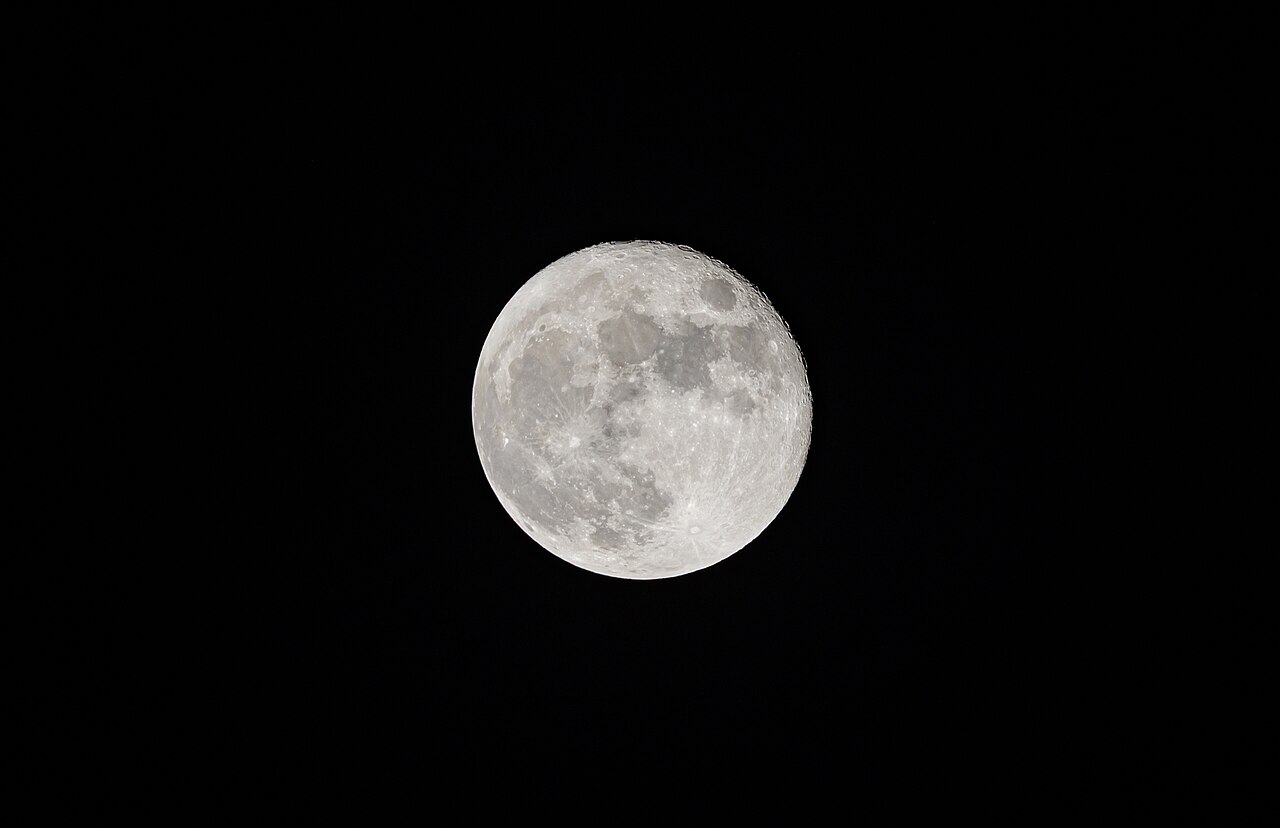
In Japanese folklore the tsuki no usagi pounds mochi, sticky rice cakes, instead of an elixir. The story draws on a Buddhist Jataka tale. A rabbit with nothing to offer a hungry old man threw itself into the fire as food. The old man was a god in disguise, and he placed the rabbit’s image on the moon. The Japanese moon rabbit stands for self-sacrifice, not eternal life.
The Nahua account in the Florentine Codex, compiled by the friar Bernardino de Sahagún, is harsher. Two gods leapt into a fire at Teotihuacan to become the sun and the moon, and both shone with equal force. Another god threw a rabbit into the moon’s face to dim it, and the dark mark is that rabbit. Britain keeps the animal in words. “White rabbits” is a phrase people say for luck on the first day of the month.
Myth, Folklore and Origins of the White Rabbit Symbol
The white rabbit symbol grows out of moon lore, Christian art and the German Easter hare, while the link to a pagan goddess is a 19th century guess. The Venerable Bede wrote in 725 that the Anglo-Saxon month Eosturmonath took its name from a goddess, Eostre. Bede names no animal. Jacob Grimm proposed a German counterpart, Ostara, in his Deutsche Mythologie of 1835, and later writers attached the hare to her. No ancient text connects Eostre with a hare or a rabbit.
The Easter Bunny has a firmer paper trail. A German account from the 17th century describes the Osterhase, an Easter hare whose eggs children searched for in gardens. German immigrants carried the custom to Pennsylvania, and the hare became the American Easter Bunny. Christian Easter celebrates Jesus’s resurrection; the Easter Bunny belongs to the holiday’s egg-giving customs and spring imagery. The Bible itself names no white rabbit. Leviticus 11:6 lists the hare among unclean animals. Titian’s Madonna of the Rabbit supplies a specific Christian image of the white animal as Mary’s purity.
Hare symbolism and moon lore carries the older layer of this story, from the March hare to the hare in the moon. The white rabbit borrows from it but stays closer to home. It is the garden animal turned into a sign of purity and Easter renewal.
The White Rabbit in Alice in Wonderland
The White Rabbit in Alice’s Adventures in Wonderland is the nervous, well-dressed servant whose hurry pulls Alice underground. Lewis Carroll published the book in 1865. In the first chapter a White Rabbit with pink eyes runs past, saying “Oh dear! Oh dear! I shall be late!” Then it takes a watch out of its waistcoat pocket, and that detail sends Alice after it and down the rabbit hole.
The rabbit has no name in the book. Carroll calls him the White Rabbit throughout. He mistakes Alice for his housemaid, Mary Ann, drops his white kid gloves and fan, and later serves as herald at the trial of the Knave of Hearts. Disney’s 1951 film keeps him nameless and gives him the song “I’m Late.” Tim Burton’s 2010 film gives him a name, Nivens McTwisp, with Michael Sheen as his voice.
Readers ask what disorder the White Rabbit has. Carroll gives him none. The text shows a servant terrified of keeping the Duchess and the Queen waiting, and fans read that as time anxiety or a portrait of Victorian hurry. That is a reading of the character, not a diagnosis. It fits his role, because he is the one creature in Wonderland who believes the clock rules everything.
Jefferson Airplane’s White Rabbit: What Grace Slick Meant
Grace Slick wrote “White Rabbit” to point out that the children’s books parents read aloud are full of drug imagery. She wrote it while singing with The Great Society, before she joined Jefferson Airplane. The band recorded it for Surrealistic Pillow in 1967, and the single reached number 8 on the Billboard Hot 100.
The lyrics rework Carroll’s Alice stories. In the song, pills change your size, the caterpillar smokes a hookah, and Slick invokes the Dormouse before her final command, “feed your head.” That command belongs to Slick’s lyrics. She aimed the song at hypocrisy: parents read their children Alice, then acted shocked when those children grew up and experimented.
The music climbs like Ravel’s Bolero, one long crescendo on a marching beat. Slick named Miles Davis’s Sketches of Spain as the spark for its Spanish sound. The song ends at full volume, the opposite of Carroll’s drowsy riverbank opening, and that build is what made the white rabbit a symbol of altered perception.
Follow the White Rabbit: The Matrix, Slang and Sayings
To “follow the white rabbit” means to chase a clue into a deeper reality. The Matrix (1999) uses the instruction as an allusion to Alice following Carroll’s rabbit into Wonderland. Early in the film the words appear on Neo’s computer screen. Moments later a woman at his door has a white rabbit tattoo on her shoulder, and Neo goes out with her. Morpheus later offers the red pill with a promise to show “how deep the rabbit hole goes.”
As slang, “white rabbit” can allude to psychedelic drugs through Jefferson Airplane’s song and its Alice imagery. Slick’s lyrics tied Alice to pills and mushrooms, and the phrase kept that echo. “Down the rabbit hole” has drifted further. It now means any absorbing detour, from a research binge to an evening lost to one online question after another.
The saying “white rabbits” is a British good-luck charm for the first day of the month. You say it as your first words that morning, and some families say “rabbit rabbit” instead. No record explains where the habit began. Treat it as a small game with luck attached, not as an old rite.
The Inner Meaning: Awakening, Change and Initiation
The inner meaning of a white rabbit is awakening, the moment you notice the ordinary world has a door in it. Alice and Neo both cross a threshold by following one. The rabbit hole works as an initiation, a fall that strips away old rules before new ones make sense.
Jostein Gaarder’s Sophie’s World turns the image around. The universe is a white rabbit pulled from a magician’s top hat. Most people crawl deep into the fur and get comfortable, while philosophers climb to the tips of the hairs to look the magician in the eye. Here the white rabbit is wonder itself.
White butterfly symbolism of transformation follows the same arc in a quieter form. The butterfly changes in place, while the rabbit runs toward the change. If a white rabbit keeps showing up in your life, ask which door you have been standing in front of.
Frequently Asked Questions
What does a white rabbit symbolize?
Purity, a fresh start and fast luck sit at the center. The setting decides the emphasis. In a dream it points to curiosity, in your yard to a new phase, and in a painting such as Titian’s Madonna of the Rabbit to innocence. No single rule fixes the meaning for every encounter.
What is the name of the rabbit in Alice in Wonderland?
He has no name in Lewis Carroll’s 1865 book, where he is only the White Rabbit. Disney’s 1951 cartoon keeps him nameless too. The name Nivens McTwisp comes from Tim Burton’s 2010 film, so it belongs to that adaptation rather than to Carroll’s original story.
What disorder does the White Rabbit have in Alice in Wonderland?
None in the book. Carroll never diagnoses him. Readers see time anxiety in his constant checking of the watch and his fear of the Duchess, and some treat him as a picture of Victorian hurry. Those are interpretations of the character, not part of Carroll’s text.
What does “follow the white rabbit” mean?
It means chasing a strange clue toward a hidden truth. In The Matrix (1999), the instruction appears on Neo’s computer screen and echoes Alice’s pursuit of Carroll’s rabbit. Shortly after, he spots a white rabbit tattoo on a visitor’s shoulder and follows her, the first step toward his choice between the red and blue pills.
Why did Grace Slick write White Rabbit?
Slick wrote it to needle parents who read Alice to their children and then condemned drug use. She composed it with The Great Society before joining Jefferson Airplane. She cited Miles Davis’s Sketches of Spain as a musical influence, and the slow Bolero-style build carries the lyrics to their final line.
What does the saying “white rabbits” mean?
It is a British phrase for good luck on the first day of a month. In this British custom, you say “white rabbits” or “rabbit rabbit” before any other words that morning to invite luck for the month. Nobody has documented where the custom started, so its origin stays unknown.
What does a white rabbit mean in the Bible?
The Bible assigns no specific meaning to a white rabbit. Leviticus 11:6 lists the hare as unclean. In Titian’s Madonna of the Rabbit, the white animal represents the Virgin Mary’s purity. Its Easter association comes through later holiday customs, while Christian Easter celebrates Jesus’s resurrection.
Sources