Hare Symbolism: What It Means to See One, Omens and Moon Lore
Seeing a hare is read as a sign of quick intuition, fertility and a change you should move on fast, and hare symbolism across Europe adds a second, stranger layer of transformation and the uncanny. The hare is not a rabbit in folklore any more than it is in biology. It is the solitary, fast, night running animal that was believed to switch shape, carry messages between worlds and belong to the moon.
That double character, luck on one side and warning on the other, is why the readings look contradictory at first. Celtic and pagan material treats the hare as sacred and lunar, medieval Christian writing treats it as both the hunted soul and a figure of lust, and North American traditions give it the trickster role. The traditions are separated below, with the common situations handled at the end.
A hare symbolizes intuition, fertility, rebirth and swift action, and in Celtic and pagan tradition it is a lunar, shape shifting messenger between worlds. Most sources read a sighting as a favorable omen asking you to trust instinct and move quickly. Hares at night or crossing your path carry the strongest reading.
What Does Seeing a Hare Mean Spiritually?
The core spiritual reading is that instinct has outrun thinking, and the hare is telling you to act on it. Because hares are born fully furred with open eyes and are running within hours, the animal stands for readiness rather than preparation, and that distinction carries through almost every tradition that uses it.
What are hares an omen of in practical terms? Most often fertility, new ventures and news that arrives faster than expected. The ambiguous readings come from the hare’s night habits and from its association with witchcraft in early modern Britain, where a hare crossing your path could be taken as a warning to watch who you trust. For a slower paced counterpart, see egret symbolism.
| Situation | Common reading |
|---|---|
| Hare in your garden or field | Fertility, abundance, a productive season ahead |
| Hare crossing your path | Change arriving quickly, decide now |
| Hare seen at night or under the moon | Intuition, hidden knowledge, the strongest omen |
| Same hare returning repeatedly | Confirmation, a guide staying close |
| Hare found dead | A cycle ending, release rather than loss |
| Hare in a dream | Something you are avoiding or outrunning |
| Hares boxing in the open | A conflict that needs settling in daylight |
Hare Symbolism in Celtic Tradition and Paganism
The Celtic meaning of the hare is sacred messenger, and the oldest record is a practical one: Julius Caesar wrote that the Britons would not eat hare, and Boudica is described releasing a hare before battle to read the omen from how it ran. In Irish material hares are repeatedly women in another form, and killing one brought the shape shifting story with it.
What do hares represent in paganism today? The moon, fertility and the turning of spring, usually through the triple hare or three hares motif of animals chasing in a circle, and through modern associations with Ostara. The link to a goddess named Eostre is thin in the sources and mostly rests on one line from Bede, which is worth knowing before repeating it as fact. Compare bat symbolism for the other classic night animal of these traditions.
Hare Symbolism in Christianity and European Folklore

Christian art uses the hare in two opposite ways. Three hares in a circle appear carved in dozens of English parish churches, often read as a Trinity symbol, and a white hare at the feet of the Virgin Mary signals chastity and victory over lust. At the same time, bestiaries and sermons used the hare’s famous breeding rate as an emblem of lust itself.
In secular folklore the hare is usually unlucky to meet and lucky to carry, which is where the rabbit’s foot charm comes from. Many English counties held that a hare running through a village street foretold fire. The protective note sits alongside bear symbolism, where strength rather than speed does the same job.
Hare Symbolism in Native American and East Asian Traditions
In many Native American traditions the hare is a trickster and a culture hero rather than an omen. Nanabozho, the Great Hare of Anishinaabe tradition, shapes the world and breaks rules while doing it, and Algonquian accounts of Michabo tell related stories. These are presented as beliefs held within those traditions.
East Asian traditions put the hare on the moon. Chinese and Japanese accounts describe the Moon Rabbit pounding either the elixir of immortality or rice cakes, and the hare is the fourth sign of the Chinese zodiac, read as diplomatic, cautious and lucky. Buddhist Jataka tales tell of a hare that offered itself in sacrifice and was placed in the moon as a reward. For a comparable North American animal with a creation role, see bison symbolism.
Seeing a Hare in the Garden, at Night or Repeatedly
A hare in the garden is the most favorable of the common sightings, read as fertility and a productive stretch ahead, and in farming folklore as a good year for the ground itself. One crossing your path is read as change already moving, with the instruction to decide rather than deliberate. A hare that sits and watches you instead of bolting is treated in several traditions as the clearest form of the message.
Night sightings carry the strongest weight because of the lunar link, and a hare under a full moon is the classic image of intuition and hidden knowledge. Repeated sightings are read as a guide staying close rather than as a warning. A dead hare is usually read as a cycle closing rather than as an ill omen, and in dreams the animal normally stands for something you are outrunning. Readers tracking omens by animal may also want beaver symbolism for the patient, building counterpart.
Frequently Asked Questions
What defines a hare?
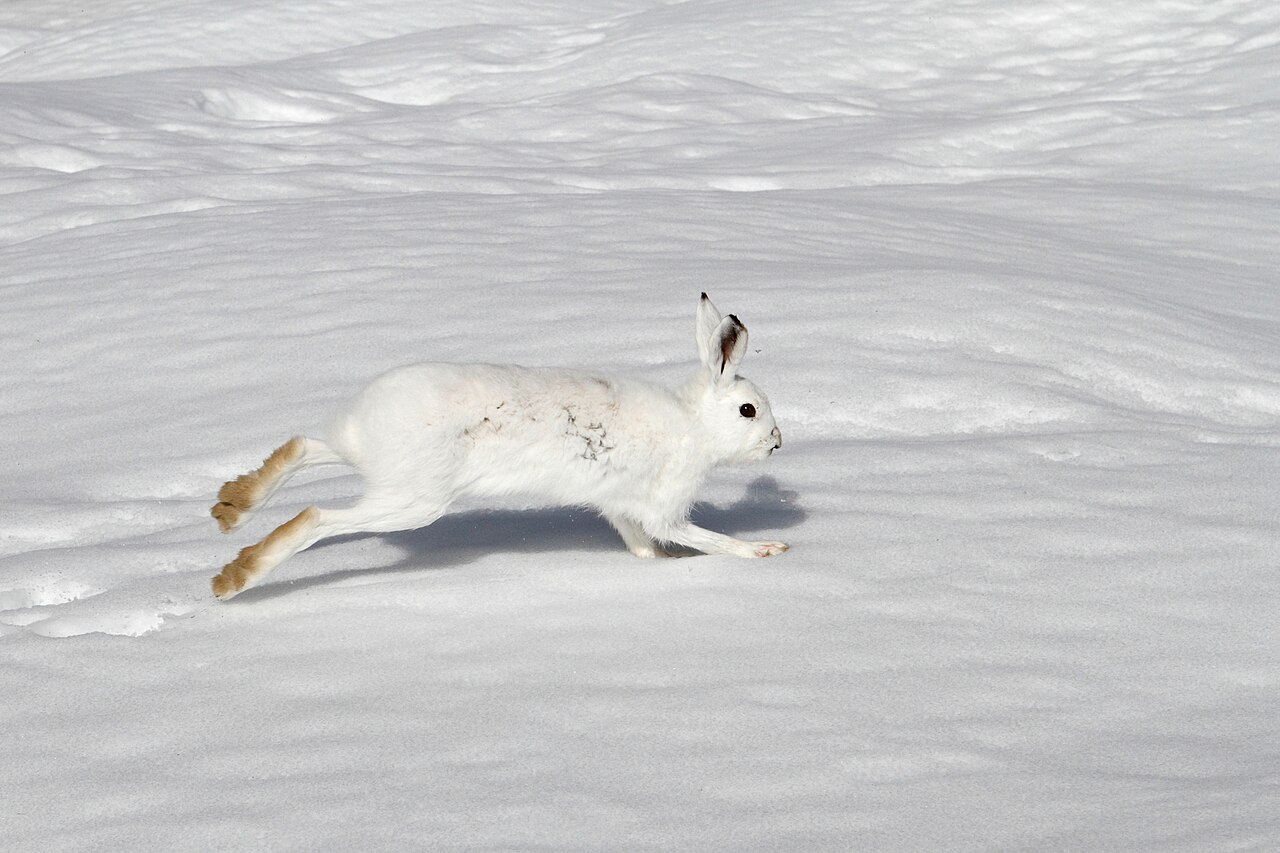
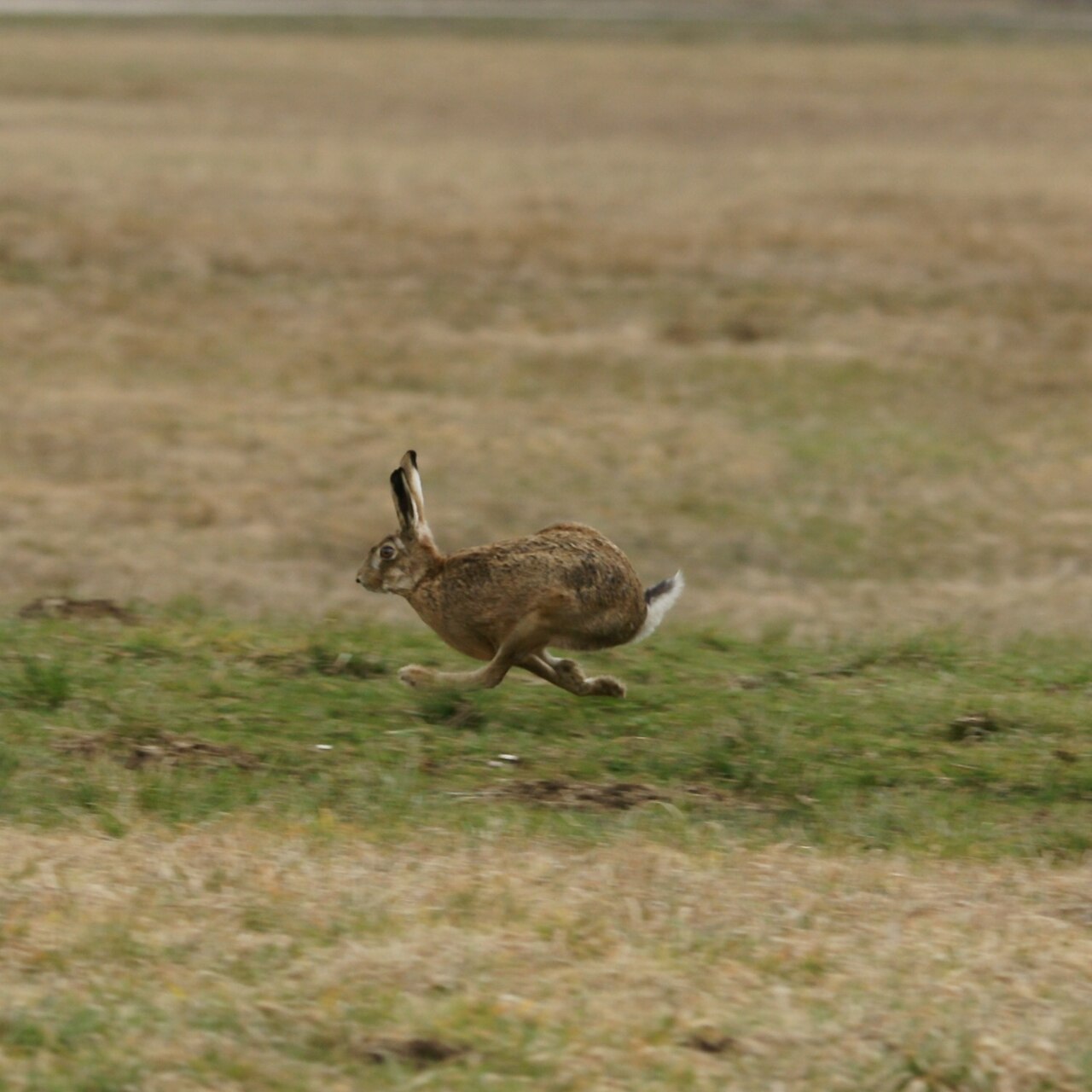
Hares are larger and leggier than rabbits, with longer ears and black ear tips, and they live above ground rather than in burrows. Young hares, called leverets, are born furred with open eyes and can run almost immediately, while rabbit kits are born blind and naked in a nest. Hares also run from danger instead of freezing or going underground.
Is it rare to see a hare?
In most of the United States, yes, because true hares here are jackrabbits in the West and Southwest and snowshoe hares in the North and in mountain forests. Almost every hare sighting in the East is actually a cottontail rabbit. Hares are also solitary and most active at dawn, dusk and night, so even where they are common they are seen far less often than rabbits.
Which goddess is associated with hares?
Several. Eostre, the Anglo Saxon spring goddess named by Bede, is the one most often cited, though her hare connection is a later addition rather than a recorded detail. Better attested links run to Aphrodite and Eros in Greek tradition, to Freyja in Norse material through later folk association, and to Andraste through the account of Boudica releasing a hare.
What is the meaning of the circle of rabbits?
The three hares motif shows three animals running in a circle sharing three ears between them, and it appears from Buddhist cave temples in China along the Silk Road to medieval churches in Devon and Germany. Readings vary by setting: the Trinity in Christian churches, fertility and the lunar cycle in earlier contexts, and in all of them an unbroken cycle. See also blackbird symbolism for another animal that crossed traditions this way.