Black Snake: Species, Identification, and Whether to Worry
A solid black snake seen in the US is most often an eastern racer, a black rat snake, or a black phase of the eastern kingsnake, three widespread species that are all nonvenomous and beneficial around homes and farms. Size, scale texture, and habitat narrow the identification quickly, since each species tends to favor a slightly different environment. None of the common black snake species in North America is dangerous to people or pets.
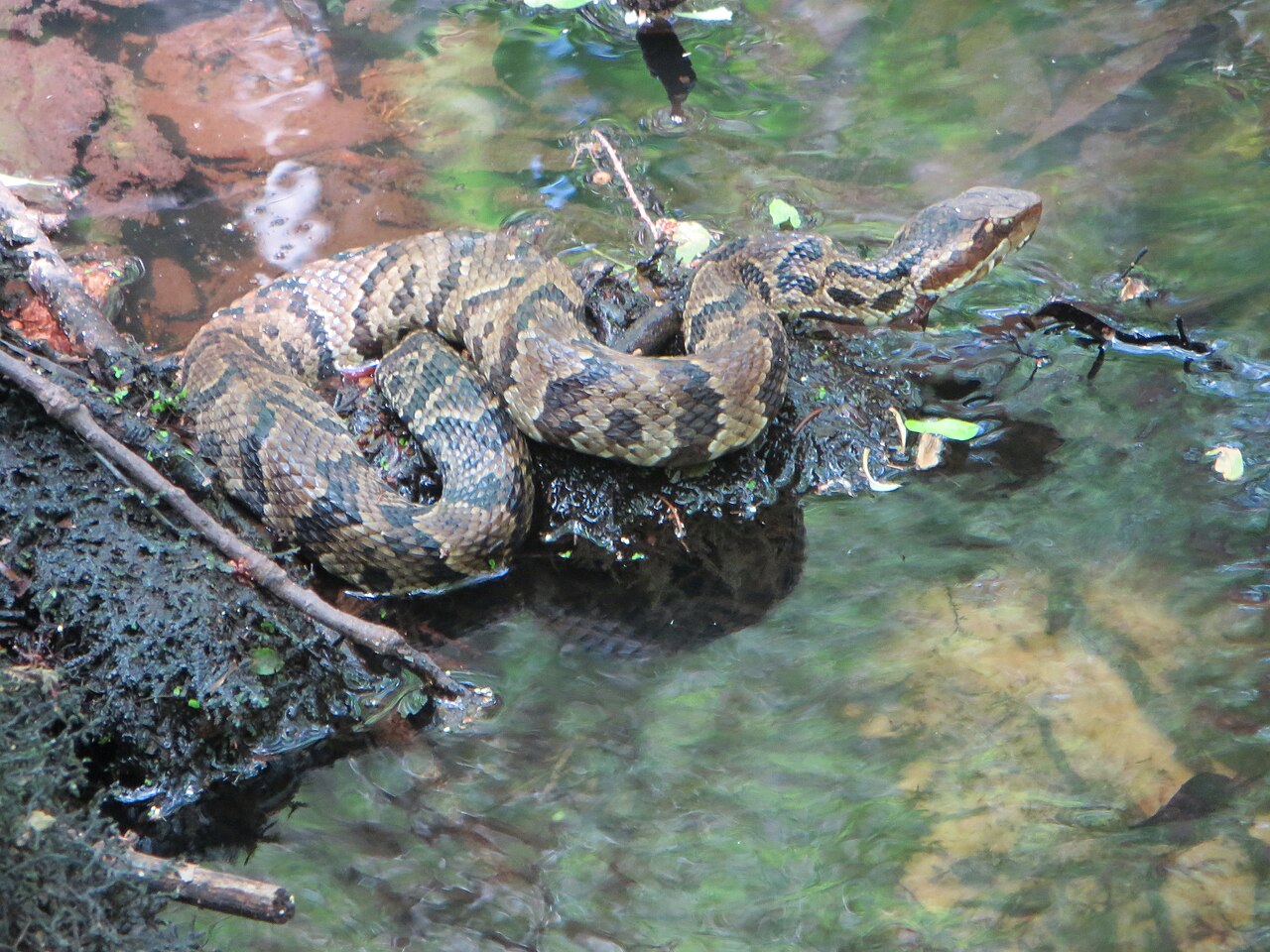
Confusion sometimes arises with the venomous cottonmouth, which can appear nearly black in certain lighting or age, but cottonmouths have a distinctly different head shape and are restricted to wetland habitats in the southeastern US. The species below cover the black snakes people are most likely to encounter in yards, barns, and along woodland edges across the country.
A black snake in the US is usually an eastern racer, a black rat snake, or a black-phase eastern kingsnake, all nonvenomous species that help control rodents. Smooth, glossy scales and a slim build point to a racer, while duller, more angular scales suggest a rat snake or kingsnake.
| Species | Length | Scale Texture | Venom | Habitat |
|---|---|---|---|---|
| Eastern Racer | 36 to 60 in | Smooth, glossy | None | Fields, forest edges |
| Black Rat Snake | 42 to 72 in | Weakly keeled | None | Barns, woodlands |
| Eastern Kingsnake | 36 to 48 in | Smooth, glossy | None | Fields, wetland edges |
| Cottonmouth | 30 to 48 in | Keeled, rough | Yes, venomous | Swamps, wetlands |
What Is a Black Snake Called
No single official name covers every solid black snake in the US, since the term describes a color pattern shared by several unrelated species rather than one specific animal. Eastern racer, black rat snake, and black racer are the names most commonly used interchangeably by people describing a fast-moving, uniformly black snake in a yard or field.
Regional naming adds further variation, with some areas using black snake as a catch-all term regardless of which species is actually present. This makes species-level identification more useful than relying on common names alone, especially when trying to determine whether a specific snake is likely to be aggressive or purely defensive.
Scientifically, Coluber constrictor covers the eastern racer, while black rat snakes fall under Pantherophis, a genus that has been reorganized by researchers in recent years. Both are unrelated at the genus level despite sharing similar coloring and overlapping range across much of the eastern and central United States.
Eastern Racer Identification
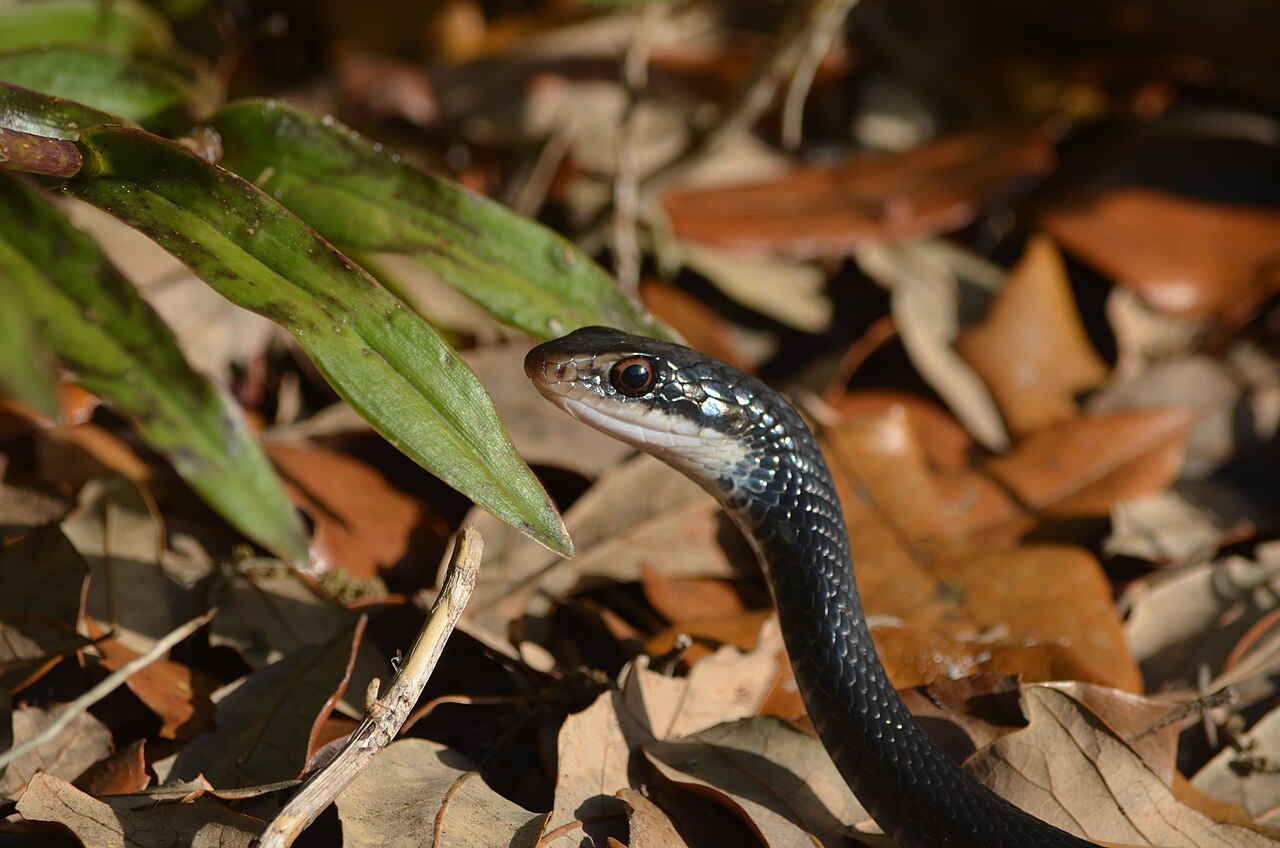
The eastern racer has smooth, glossy black scales, large eyes, and a notably slim, streamlined build built for speed rather than constriction. This species earns its name from genuinely fast movement, often the fastest of any common US snake, and tends to flee at the first sign of disturbance rather than freeze or hide.
Juveniles look completely different from adults, showing a blotched gray and brown pattern that gradually darkens to solid black as the snake matures over its first one to two years. This dramatic pattern shift causes frequent misidentification, since a young racer looks nothing like the adult it will become.
Racers are active, diurnal hunters that rely on speed and keen eyesight to catch prey, a behavioral pattern distinct from the more deliberate, ambush-style hunting seen in rat snakes and kingsnakes. This activity level also makes racers one of the more visible black snakes during daytime hours in open habitat.
Black Rat Snake Identification
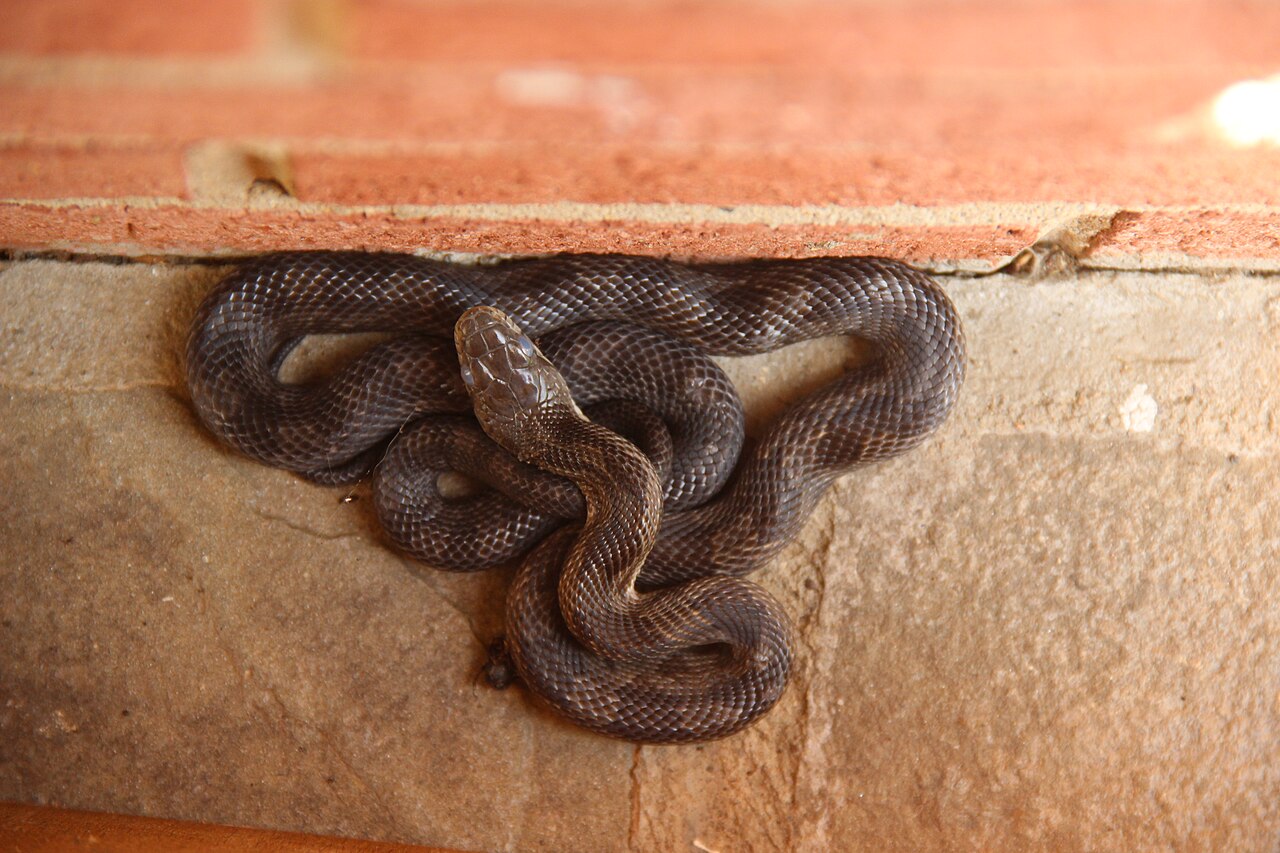
Black rat snakes are heavier bodied than racers, with weakly keeled scales that give the surface a slightly duller, less glossy appearance under direct light. Adults are among the longest snakes in North America, frequently exceeding four feet and occasionally reaching six feet in favorable conditions.
Excellent climbers, black rat snakes are commonly found in barns, attics, and tree cavities, where they hunt rodents and birds with equal skill. This climbing ability, combined with their size, is often what leads to the most dramatic black snake sightings, since a large rat snake in rafters or a tree can appear far more intimidating than its actual temperament warrants.
When cornered, black rat snakes vibrate their tail rapidly against dry leaves, producing a sound that mimics a rattlesnake despite having no rattle at all. This defensive bluff, combined with musk release, is typically the extent of a rat snake’s response even when handled roughly.
Black Phase Eastern Kingsnake
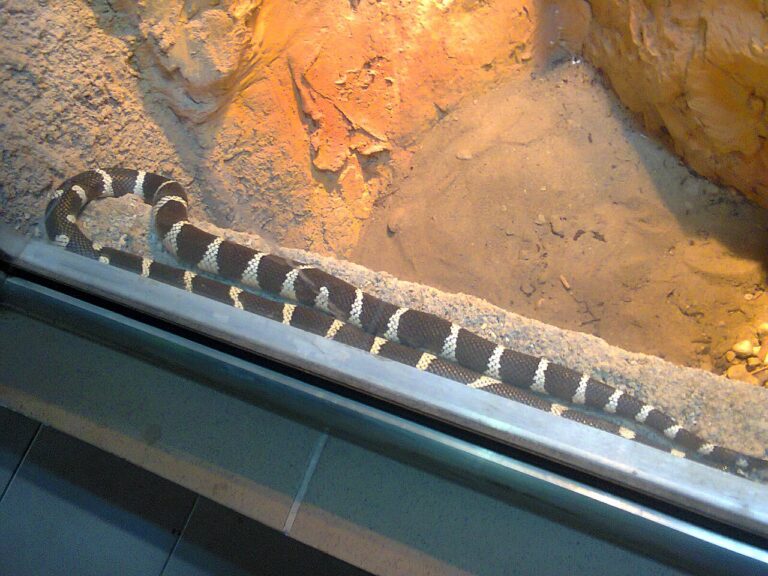
The eastern kingsnake in its black phase shows smooth, glossy black scales similar to a racer, but with faint chain-like light banding still visible on close inspection, especially along the sides. This banding is the clearest way to distinguish a black kingsnake from a true melanistic racer at a glance.
Kingsnakes are famous for preying on other snakes, including venomous species like copperheads and even rattlesnakes, thanks to a natural resistance to pit viper venom. This trait makes kingsnakes particularly valuable to have around a property, since their presence can reduce local populations of more dangerous snake species over time.
Unlike the fast-moving racer, kingsnakes are more deliberate and constrict their prey rather than relying on speed to subdue it. This slower, more methodical behavior is a useful secondary clue when trying to distinguish a black kingsnake from a similarly colored racer in the field.
Are Black Rat Snakes Aggressive
Black rat snakes are not aggressive by nature and strongly prefer to avoid confrontation, relying first on stillness and camouflage before attempting to flee if given the opportunity. Defensive behavior only escalates to tail vibration, musk release, or a strike when a snake feels genuinely cornered with no escape route available.
A defensive bite from a black rat snake, while startling, causes only minor scratches given the size and shape of the teeth, which are designed for gripping prey rather than causing serious injury. No venom is involved, and the wound typically requires nothing more than basic first aid cleaning.
Handling wild rat snakes unnecessarily increases the likelihood of a defensive response, so the safest approach around any black snake, aggressive-seeming or not, is simply to give it space and allow it to move away on its own rather than attempting to interact directly.
What Attracts Black Snakes to Your House
Rodent activity is the single biggest draw for black snakes near a home, since mice and rats are a primary food source for both racers and rat snakes. Homes with accessible attics, wall voids, or outbuildings that support rodent populations are far more likely to attract a black snake looking for an easy meal. Faunalist Tip: sealing exterior gaps larger than a quarter inch and reducing rodent access addresses the root attraction rather than only removing the snake itself.
Clutter, woodpiles, and dense ground cover close to a foundation also provide the kind of shelter black snakes favor for both hiding and hunting. Removing unnecessary debris from around a home’s perimeter reduces available cover without needing to target the snake directly.
Water sources and bird feeders can indirectly attract black snakes as well, since spilled seed draws rodents, which in turn draws snakes looking for prey. Managing these secondary attractants is often more effective long term than repeated snake removal alone.
Should You Leave a Black Snake in Your Yard
Leaving a black snake in place is usually the better choice, since both racers and rat snakes provide significant rodent control that benefits gardens, barns, and homes without any cost or effort required. A single black rat snake can consume dozens of rodents in a season, reducing both crop damage and the risk of rodent-borne disease.
Removal becomes reasonable only in specific situations, such as a snake persistently entering living spaces or a location where residents have a strong, unmanageable fear response that affects daily life. Even then, relocation to a nearby natural area is preferable to killing a nonvenomous, beneficial species.
Local wildlife rehabilitators or extension offices can advise on safe relocation methods when removal is genuinely necessary, ensuring the snake is released in suitable habitat rather than an area where it is unlikely to survive or may create a nuisance for someone else.
Will a Black Snake Chase a Human
Eastern racers occasionally appear to chase a person, though this behavior is almost always a startled snake attempting to flee in the same general direction as a retreating human rather than a genuine pursuit. Racers are fast and erratic when alarmed, which can create the impression of being chased when the snake is simply trying to reach cover.
True aggression toward humans is exceptionally rare in any of the common black snake species, since none view a person as prey and all strongly prefer avoidance over confrontation. Reports of chasing behavior are far more common during the snake’s breeding season, when activity levels and territorial behavior both increase.
Standing still or slowly stepping aside typically resolves the situation quickly, since the snake is oriented toward escape rather than toward the person, and once given a clear path it will move away without further incident in nearly every case.
How to Coexist With Black Snakes Safely
Recognizing that black snakes are functionally beneficial rather than threatening is the first step toward comfortable coexistence, since their diet of rodents directly reduces problems that are far more costly and disease-prone than the snake itself. Most negative encounters stem from surprise rather than any actual aggressive intent on the snake’s part.
Checking before reaching into woodpiles, garden beds, or storage areas where a black snake might be resting reduces the chance of an unexpected close encounter for both parties. Wearing gloves for this kind of yard work adds an extra layer of protection regardless of what might be hiding.
Educating household members, especially children, on how to identify a nonvenomous black snake versus a venomous lookalike builds confidence and reduces the impulse to kill a snake purely out of fear or misidentification, which remains one of the most common threats to beneficial snake populations.
Black Snakes Versus Venomous Lookalikes
The cottonmouth is the primary venomous species sometimes confused with a black snake, particularly in older individuals whose pattern darkens significantly with age. A cottonmouth’s thick, triangular head and vertical pupils, visible at a safe distance, distinguish it clearly from the narrower head and round pupils of racers, rat snakes, and kingsnakes.
Habitat is a strong secondary clue, since cottonmouths are restricted to wetlands, swamps, and slow-moving water in the southeastern US, while racers, rat snakes, and kingsnakes are found in a much broader range of dry and mixed habitats. A black snake seen on a dry field or in a barn is overwhelmingly likely to be a nonvenomous species.
When any doubt remains about a snake’s identity, maintaining distance and avoiding handling is always the safest approach, since correct identification from photographs or a knowledgeable local resource carries no risk compared to attempting to assess a snake up close.
Frequently Asked Questions
What attracts black snakes to your house?
Rodent activity is the main draw, since mice and rats are a primary food source. Clutter and ground cover near a foundation add shelter that makes a property more appealing.
What should I do if I see a black snake?
Give it space and let it move away on its own, since it is almost certainly a nonvenomous, beneficial species. Avoid handling or cornering it to prevent any defensive reaction.
What is a black snake called?
Common names include eastern racer, black rat snake, and black racer, depending on the species and region. No single name applies to every black snake in the US.
Are black rat snakes aggressive?
No, they strongly prefer to avoid confrontation and rely on stillness or fleeing before any defensive display. Bites are rare and only occur when a snake feels cornered.
Should I leave a black snake in my yard?
In most cases yes, since black snakes provide valuable rodent control at no cost. Removal is only reasonable in specific situations involving repeated entry into living spaces.
Is it good to have a rat snake in your yard?
Yes, black rat snakes help control rodent populations that would otherwise damage property and spread disease. Their presence is generally a benefit rather than a concern.
State wildlife agencies and university extension programs maintain regional identification guides for native snake species, useful for confirming a sighting beyond general description.
Related reading: rat snakes, kingsnakes, baby black snakes, hognose snakes, and coral snake versus kingsnake.