Cockatiel Care Guide: Personality, Diet, Cost and Lifespan
Cockatiels are one of the best pet birds for first time owners because they are affectionate, relatively quiet compared to larger parrots, and easy to handle once tamed. Native to the Australian outback, the cockatiel (Nymphicus hollandicus) is a small crested parrot that bonds closely with people and can live well past 15 years with good care.
Before bringing one home, it helps to understand what a cockatiel actually needs day to day: the right cage, a varied diet, daily interaction, and realistic expectations about noise and talking. This guide walks through everything a new owner needs to know, from the famous 3-3-3 rule to health warning signs and honest cost estimates.
Cockatiels are affectionate, low maintenance parrots that whistle more than they talk, live 15 to 25 years, and do best with daily out of cage time. They cost $75 to $250 to buy, plus $200 to $400 a year for food, toys, and vet care.
| Trait | Detail |
|---|---|
| Scientific name | Nymphicus hollandicus |
| Size | 12 to 13 inches (30 to 33 cm) including tail |
| Weight | 2.8 to 4 oz (80 to 115 g) |
| Lifespan | 15 to 25 years with proper care |
| Noise level | Low to moderate, mostly whistles |
| Beginner friendly | Yes |
| Average price | $75 to $250 |
Are Cockatiels Good Pets?
Yes, cockatiels are good pets for most households, including first time bird owners. They are smaller and generally calmer than conures, African greys, or macaws, which makes them easier to manage for people without prior parrot experience.
A well socialized cockatiel enjoys perching on a shoulder, learning simple tricks, and whistling along with music or household sounds. They rarely bite hard once tame, and their small size means less cage space and lower food costs than larger parrot species.
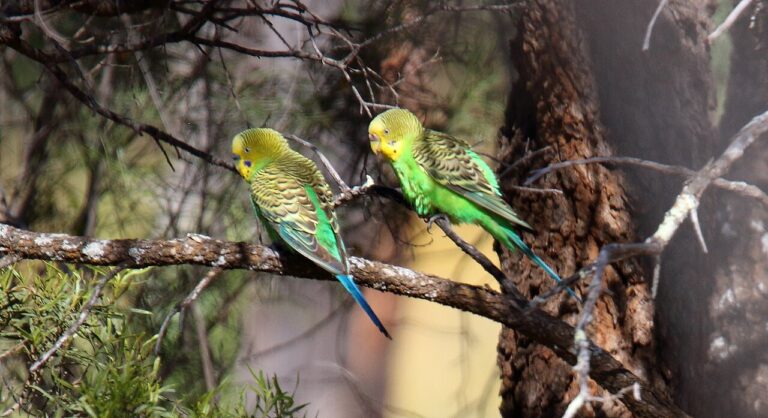
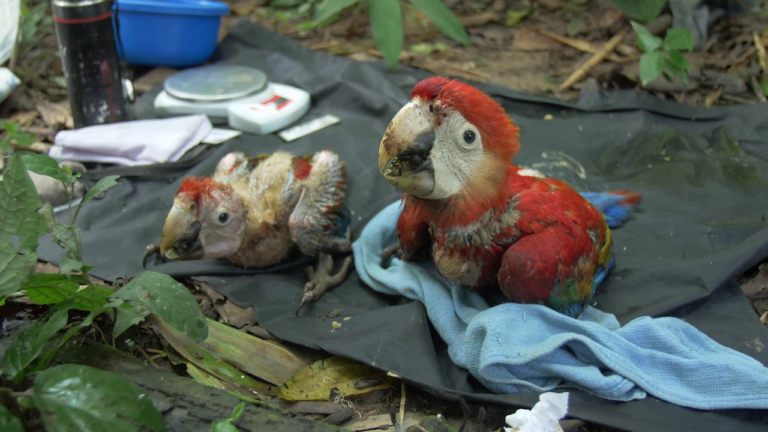
The tradeoff is that cockatiels are still social flock birds. They need daily attention and cannot simply be left in a cage in a back room. Owners who want a lower interaction pet should consider a different species such as a budgerigar, while those drawn to a larger, more colorful bird sometimes compare cockatiels to a cockatoo chick before deciding which is the better fit.
What Is the 3-3-3 Rule for Cockatiels?
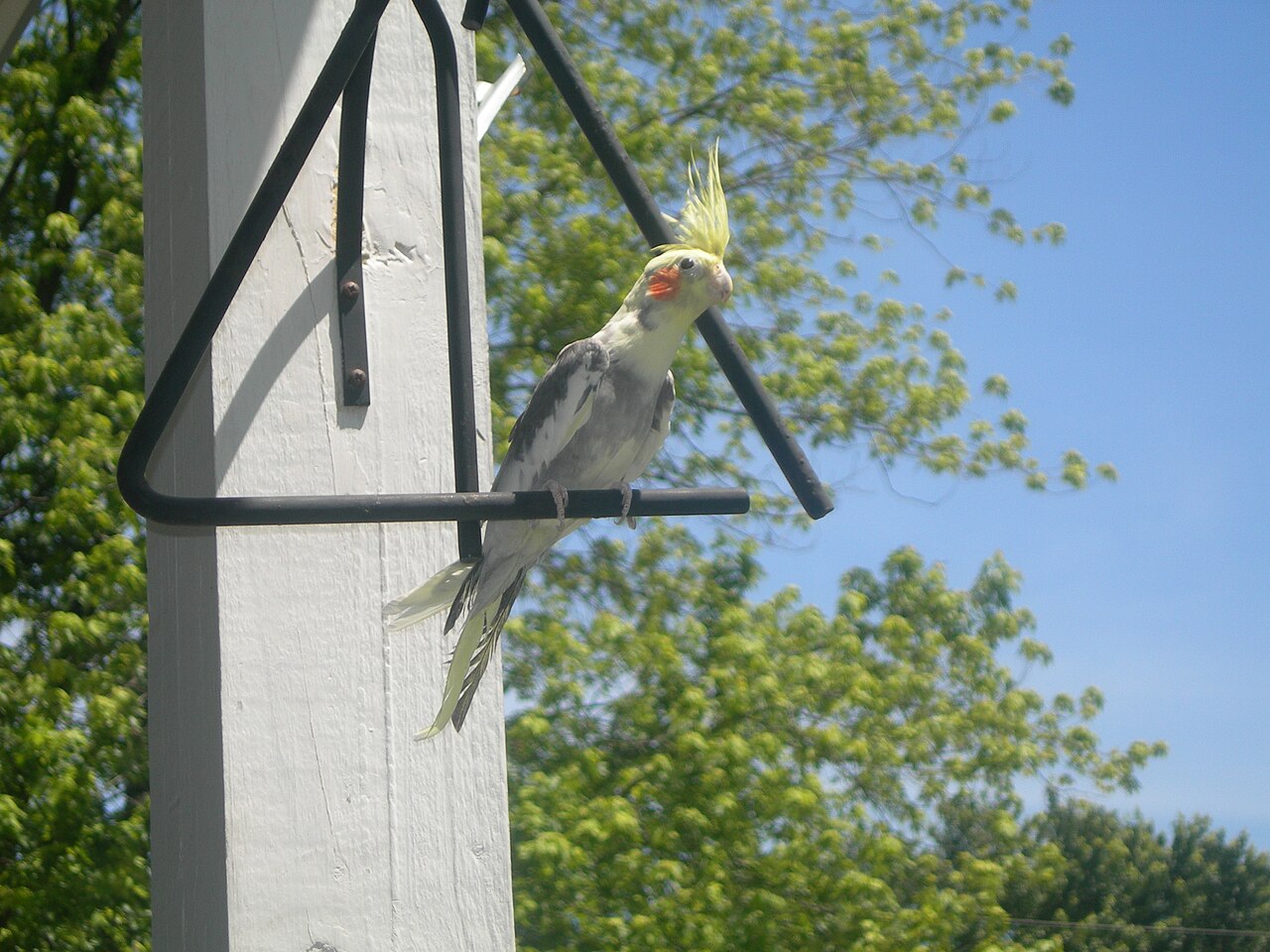
The 3-3-3 rule describes the typical adjustment timeline for a new cockatiel: 3 days to start feeling less afraid, 3 weeks to settle into a routine, and 3 months to fully trust its new home and owner. The rule was originally popularized for rescue dogs, but bird owners now use it to set realistic expectations.
During the first 3 days, a new cockatiel usually hides in a corner of the cage, avoids eye contact, and eats only when the owner is out of the room. This is normal stress behavior, not illness, as long as the bird is still eating and passing droppings.
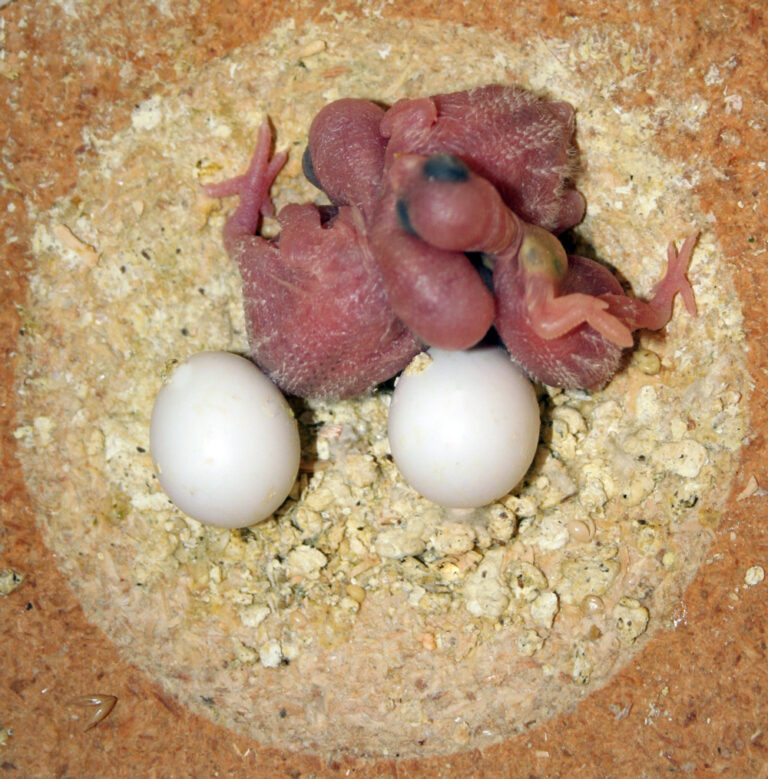
By 3 weeks, most cockatiels accept hand feeding through the cage bars and step onto a finger for short periods. By 3 months, a well handled bird will typically seek out attention, ride on a shoulder, and start whistling or mimicking sounds around the house, much like a hand raised baby cockatiel that has bonded early with its owner.
Cockatiel Appearance and Color Mutations
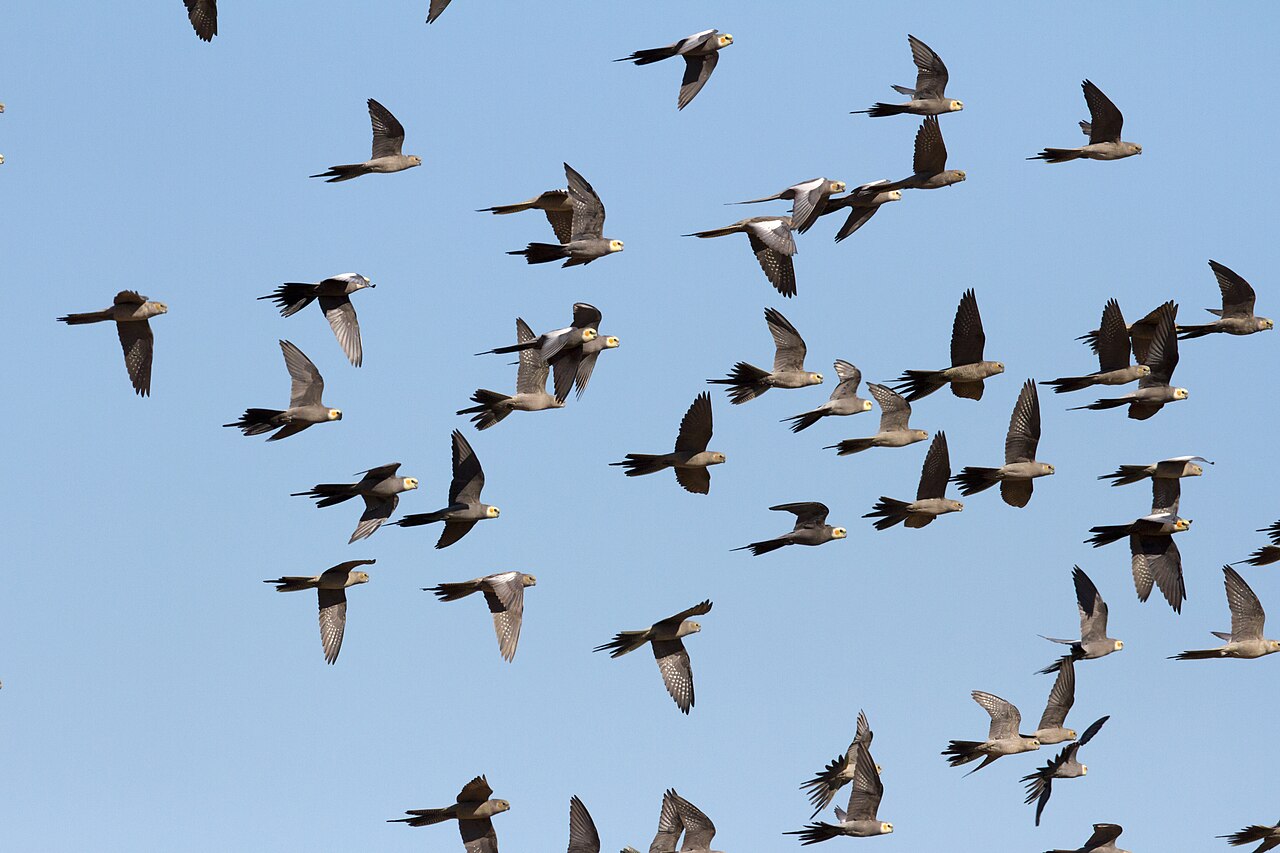
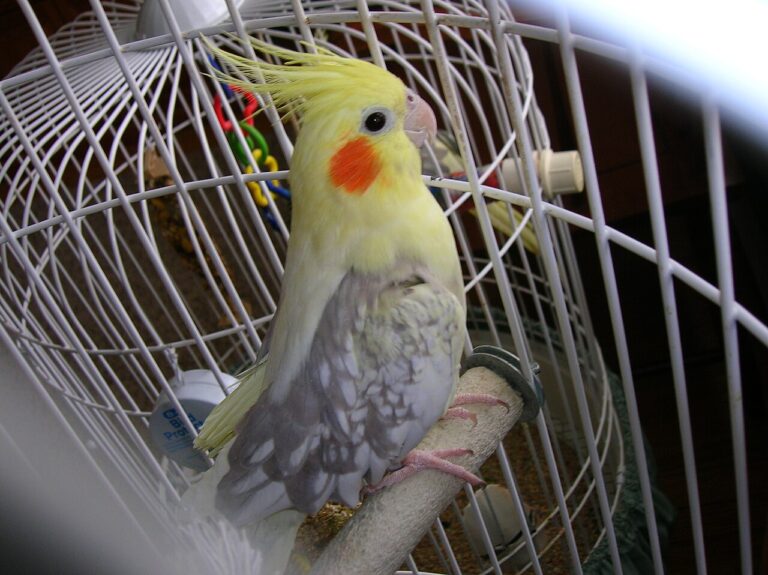
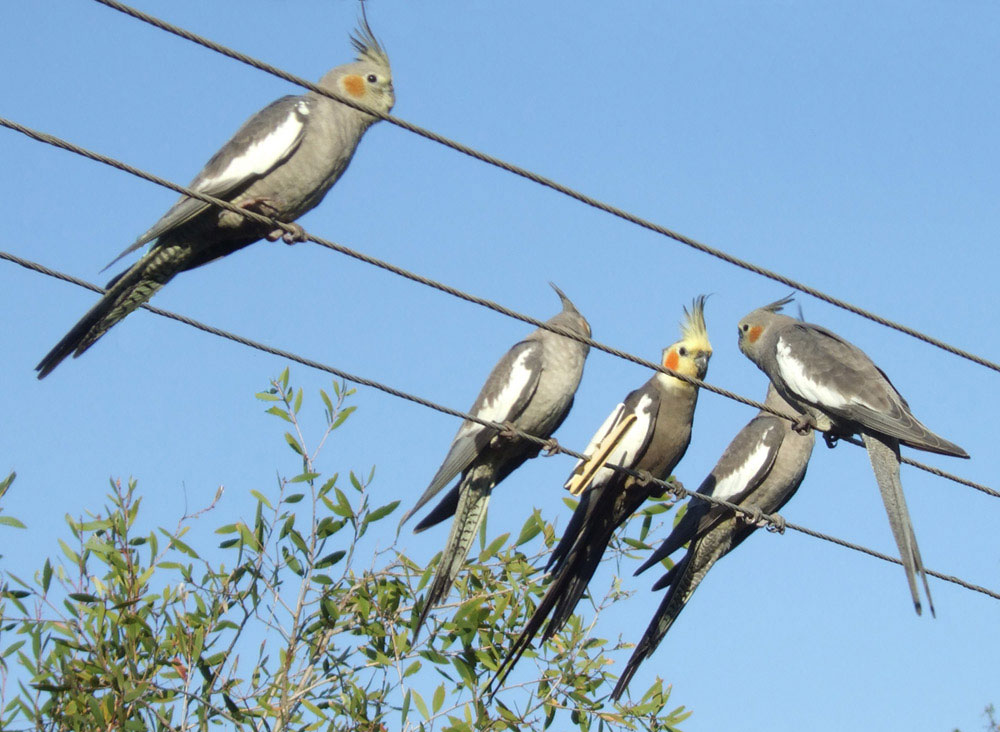
Wild type cockatiels have a gray body, white wing patches, a yellow face in males, and a signature pointed crest that raises and lowers to show mood. Decades of selective breeding have produced dozens of color mutations sold in US pet stores.
Common mutations include lutino (yellow and white with red eyes), pied (patches of gray and white or yellow), pearl (a scalloped feather pattern most visible in females), whiteface (no yellow or orange pigment at all), and cinnamon (a warm brown replacing the gray). Each mutation follows predictable genetic inheritance patterns familiar to breeders.
The crest itself is a reliable mood indicator across every color variety. A crest held high and forward usually signals alertness or excitement, a flat crest against the head can mean fear or aggression, and a relaxed, slightly raised crest usually means the bird is calm and content. Sexing young birds by color alone can be tricky, and many owners compare notes on a female cockatiel versus a male before the adult plumage fully comes in.
Cockatiel Size and Lifespan
A full grown cockatiel measures 12 to 13 inches from beak to tail tip and weighs between 2.8 and 4 ounces, making it noticeably larger than a budgerigar but far smaller than a cockatoo or macaw. Most of that length comes from the long, tapered tail feathers rather than body mass.
With a balanced diet, regular vet checkups, and a safe cage environment, cockatiels commonly live 15 to 20 years, and some well cared for individuals reach 25 or more. Lifespan is heavily influenced by diet quality, since an all seed diet shortens life expectancy compared to a pelleted diet with fresh vegetables.
Because of this long lifespan, adopting a cockatiel is a decade plus commitment. Prospective owners should think about who will care for the bird during long trips, moves, or major life changes before bringing one home.
Do Cockatiels Talk a Lot?
Cockatiels can talk, but they whistle far more often and more clearly than they speak words. Males are generally the better whistlers and talkers, while females tend to communicate more through hissing, chirping, and body language.
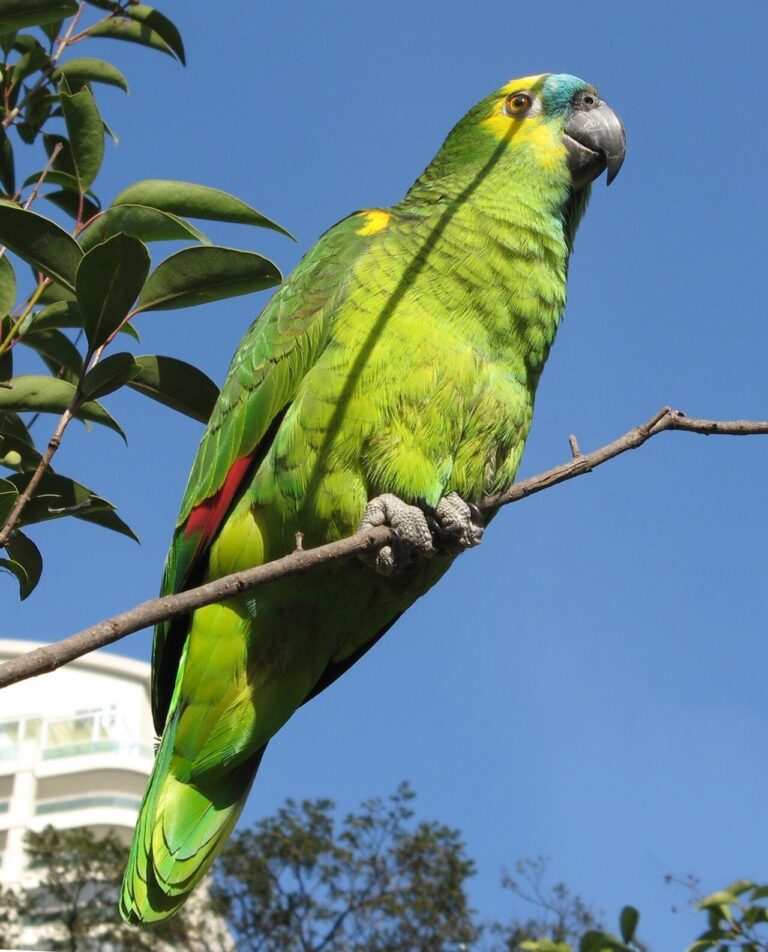
A cockatiel that is taught consistently can learn a handful of words or short phrases, but the words often come out muffled or robotic compared to the crisp speech of an African grey or Amazon parrot. Most owners find their cockatiel picks up whistled tunes far faster than vocabulary.
What cockatiels lack in vocabulary they make up for in expressive sound: contact calls to locate a flock member, a rising “wolf whistle,” and mimicry of ringtones, microwaves, or doorbells are all extremely common in pet cockatiels, in contrast to a baby parrot of a larger species, which often develops clearer speech later in life.
Cockatiel Sounds and Body Language
Beyond whistling, cockatiels use a range of vocal and physical signals to communicate. A single sharp chirp usually means the bird wants attention, while a long, repeated contact call means it cannot see its owner or flock and wants a response.
Hissing paired with a flattened crest and open beak is a defensive warning, often seen when a hand approaches too fast or a bird feels cornered. Beak grinding, on the other hand, is a contentment sound heard most often right before a cockatiel falls asleep.
Wing flipping or flashing, where the bird snaps its wings out and back quickly, can signal either excitement or irritation depending on context. Owners who learn to read crest position, wing posture, and vocal tone together get the clearest picture of what their bird is feeling.
Do Cockatiels Need to Be in Pairs?
Cockatiels do not strictly need a second bird to be healthy, but they do need consistent daily social interaction from either a human or another bird. In the wild, cockatiels live in large nomadic flocks, so isolation for long stretches of the day can lead to stress, feather plucking, or excessive screaming.
A single cockatiel that gets several hours of out of cage time, conversation, and play with its owner every day can be just as content as a paired bird. The ASPCA’s position on companion parrots notes that social birds in the parrot family generally do best with either a dedicated bird companion or significant daily human interaction.
Owners who work long hours away from home should seriously consider a second cockatiel for company, while owners who work from home or have a flexible schedule can often keep a single, well socialized bird happy on their own.
Can You Leave a Cockatiel Alone for Several Days?
A cockatiel should not be left completely alone for 3 or more days without a caretaker checking in at least once daily for food, water, and a basic health check. Cockatiels can technically survive on an automatic feeder and water dispenser for a short trip, but the lack of social contact and safety monitoring is risky.
Short absences of 8 to 10 hours during a normal workday are not a problem for a healthy adult cockatiel with fresh food and water available. The issue is prolonged isolation combined with no one available to notice if the bird stops eating, develops a respiratory infection, or knocks over its water dish.
For any trip longer than a single overnight, arranging a pet sitter, boarding at an avian focused veterinary clinic, or asking a neighbor to check in is strongly recommended over leaving a cockatiel unsupervised.
Cockatiel Diet and Feeding
A healthy cockatiel diet is built around a high quality pelleted feed, which should make up 60 to 80 percent of daily intake, supplemented with fresh vegetables, limited fruit, and only occasional seeds as treats. A seed only diet is nutritionally incomplete and a leading cause of fatty liver disease and shortened lifespan in pet cockatiels.
Safe daily vegetables include leafy greens, carrots, broccoli, and bell peppers, chopped small enough for easy eating. Fruit such as apple, melon, or berries can be offered a few times a week in small portions, with seeds removed from anything like apple cores.
Avocado, chocolate, caffeine, onion, and alcohol are all toxic to cockatiels and must never be offered. Fresh water should be changed daily, and food dishes should be cleaned regularly to prevent bacterial buildup around fruit and vegetable scraps.
Cockatiel Cage Setup and Enrichment
A single cockatiel needs a cage at least 20 inches wide by 20 inches deep by 24 inches tall, with bar spacing no wider than 5/8 inch to prevent head entrapment. Bigger is always better, especially since cockatiels enjoy stretching their wings and climbing.
Perches should vary in diameter and texture, mixing natural wood branches with rope perches to exercise the feet and prevent pressure sores. At least 2 to 3 toys should be rotated in the cage at all times, including shreddable items, foraging puzzles, and bells or mirrors for solo birds.
Cage placement matters as much as the cage itself. Cockatiels do best in a room with natural light and normal household activity, away from direct drafts, kitchen fumes from nonstick cookware, and full sun exposure that can cause overheating.
Common Health Issues in Cockatiels
The most common health problems in pet cockatiels are respiratory infections, fatty liver disease from poor diet, feather plucking from stress or boredom, and egg binding in female cockatiels that lay eggs without a mate present. Early detection makes almost all of these manageable.
Warning signs that require an avian vet visit include labored breathing, tail bobbing with each breath, fluffed feathers held for hours at a time, sudden weight loss, or a change in droppings consistency or color. Cockatiels are prey animals and instinctively hide illness until it is advanced, so subtle changes matter.
Annual wellness checkups with an avian certified veterinarian, along with a stable diet and consistent daily routine, prevent the majority of health problems seen in companion cockatiels.
Cockatiel Cost and Where to Get One
A pet cockatiel typically costs $75 to $150 from a breeder or pet store, with rarer color mutations like whiteface pearl or cinnamon pied sometimes reaching $200 to $250. Adoption through a bird rescue is often cheaper, usually $25 to $75, and comes with the benefit of an already socialized adult bird.
Beyond the purchase price, budget for an appropriately sized cage ($60 to $150), a starter set of toys and perches ($30 to $50), and ongoing monthly costs for pellets, fresh produce, and grit that typically run $15 to $25 a month.
Choosing a breeder or rescue over an impulse pet store purchase makes it easier to see how the specific bird was raised, ask about its diet history, and get an early look at its personality before committing to a 15 plus year relationship.
Related reading: Pineapple Conure.
Related reading: Quaker Parrot.
Related reading: Caique Parrot Care.
Frequently Asked Questions
Are cockatiels good for first time bird owners?
Yes. Cockatiels are widely considered one of the best starter parrot species because they are smaller, generally quieter, and easier to tame than larger parrots like macaws or African greys, while still being social and interactive pets.
Can I leave my cockatiel alone for 3 days?
Leaving a cockatiel completely unsupervised for 3 days is not recommended. Even with an automatic feeder, the lack of daily social contact and health monitoring makes a pet sitter or boarding arrangement a safer choice for any multi day trip.
Do cockatiels talk or just whistle?
Cockatiels can learn a few words, but they are far better known for whistling. Males in particular pick up tunes, doorbells, and ringtones more easily than clear speech, making whistling their primary form of vocal communication.
Do cockatiels need another bird to be happy?
Not necessarily. A single cockatiel can thrive with daily human interaction and out of cage time. Owners who are away from home for long hours should consider a second bird so their cockatiel has consistent social contact.
How much does a pet cockatiel cost?
Expect to pay $75 to $250 to purchase a cockatiel depending on color mutation and source, plus $60 to $150 for a proper cage and around $15 to $25 a month for food and supplies once set up.
Do cockatiels bite?
Tame cockatiels rarely bite hard, and most nips are a startled reaction rather than aggression. Consistent, gentle handling from a young age, combined with reading crest and body language cues, prevents most biting behavior.