How to Get Rid of Flying Ants: 9 Fixes That Work Fast
Flying ants are not a separate species and not a sign that your house is filthy. They are the winged reproductive adults of an ordinary ant colony, released in a single synchronized swarm on a warm, humid, still day. Killing the swarm you can see takes minutes. Getting rid of the colony that produced it takes about a week of targeted work.
The order matters. Spraying the swarm first and hunting the nest later is the reason most people see a second swarm within days. Vacuum, then trace, then bait, then seal, and check whether you are actually looking at ants at all, because winged termites swarm the same way and cost far more to ignore.
To get rid of flying ants fast, vacuum the swarm, then spray strays with 1 teaspoon of dish soap in 1 cup of water, which kills on contact. Swarms come from a mature nest within about 50 ft (15 m), so set sugar and protein bait along the ant trail and seal entry points within a week.
| Method | Speed | Kills the colony? | Best for |
|---|---|---|---|
| Vacuum | Immediate | No | Indoor swarm on a window |
| Dish soap spray | Seconds | No | Strays, kitchen, bathroom |
| Slow-acting gel or liquid bait | 3 to 10 days | Yes | Unknown nest location |
| Boiling water on an outdoor nest | Immediate | Partly | Lawn and patio mounds |
| Diatomaceous earth | 2 to 5 days | Partly | Wall voids, crawl spaces |
| Exclusion and caulking | Permanent | No | Preventing the next swarm |
| Licensed pest control | 1 to 2 visits | Yes | Carpenter ants and termites |
What Are Flying Ants?
Flying ants, properly called alates, are the winged males and virgin queens a colony produces once it is mature enough to reproduce. Most colonies need three to five years before they make any. The workers you normally see are sterile females that never grow wings at all.
The swarm itself is a mating flight. Alates from many nearby colonies launch at the same time so that queens breed with males from other nests, which is why the neighborhood fills with them on the same afternoon. Males die within a day or two. Mated queens land, snap off their own wings, and look for a crack to start a nest in, which is the part that concerns you.
Why Are There Suddenly Loads of Flying Ants?

Because the weather triggered them, not because something changed in your house. Colonies wait for a warm day above roughly 75 F (24 C), high humidity, low wind, and usually the day or two after rain. Those conditions keep the soft-bodied alates from drying out mid-flight and let them cover distance.
That is also why the swarm seems to come from nowhere and stop just as abruptly. A flight lasts a few hours. In the eastern and midwestern United States the peak runs from late June through August, and in the South it can start in April. Seeing them indoors in winter means something different: a colony living inside a heated wall, which is a repair problem, not a seasonal one.
Flying Ants or Termites? Check This First

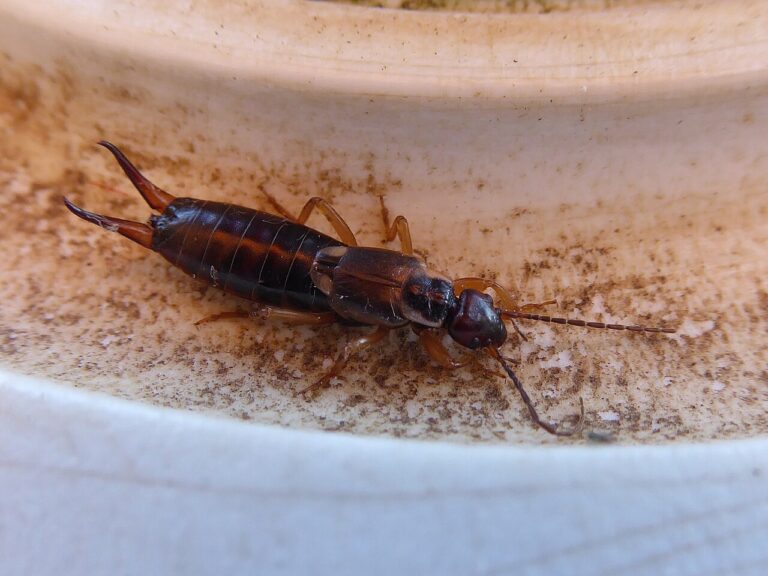
Get this wrong and you treat the wrong insect for a month. A flying ant has a pinched waist, bent antennae shaped like an elbow, and two pairs of wings where the front pair is clearly longer than the back. A winged termite has a straight, cigar-shaped body with no waist, straight beaded antennae, and four wings of equal length that fall off in piles.
Shed wings on a windowsill are the fastest tell. Ant wings scatter and vary in size; termite wings are uniform and heap up. If the wings match, stop reading and call a licensed inspector, because subterranean termites do structural damage that no home remedy touches. The Environmental Protection Agency publishes guidance on identification and pesticide safety at epa.gov.
What Is the Fastest Way to Get Rid of Flying Ants?
A vacuum with a hose attachment. It clears a window full of alates in under a minute, works on flying and crawling insects at once, and leaves no residue on a kitchen counter. Empty the bag or canister into an outdoor trash bin immediately, because mated queens survive the trip and will walk back out.
For the stragglers a vacuum misses, mix 1 teaspoon of dish soap into 1 cup of water in a spray bottle. Soap breaks the waxy layer that keeps an insect from drying out, and a direct hit kills in under a minute. It is safe on most sealed surfaces, costs nothing, and does not leave a repellent film that would keep ants away from the bait you are about to set.
How to Get Rid of Flying Ants Overnight Indoors
Overnight results are realistic for the ants in the room and unrealistic for the colony. Turn off the lights in the swarming room and leave one lamp on over a shallow dish of soapy water. Alates orient toward light, drop into the dish, and the soap stops them from floating off.
Tape a sheet of sticky flypaper to the window frame where they cluster, then close the door and put a rolled towel at the base overnight. By morning the room is usually clear. What you have done is remove one flight, so set bait the same evening rather than waiting to see whether more arrive.
How to Locate a Flying Ant Nest
Follow the workers, not the fliers. Wingless ants walking a steady line are commuting between the nest and a food source, and the line points home. Check at dusk with a flashlight, since many species move most actively in low light, and follow the trail along baseboards, pipe runs, and the outside foundation.
Outdoors, look under pavers, landscape timbers, potted plants, mulch beds, and the first 3 ft (1 m) of soil against the foundation. Indoors, tap suspect wall studs and window frames and listen for a faint rustling; a large carpenter ant nest is genuinely audible in a quiet house. Coarse sawdust with insect parts in it below a joint is the signature of carpenter ants, not of a drill hole.
How Do You Get Rid of Ants If You Don’t Know Where They Are Coming From?
Let them find the nest for you. Slow-acting bait is the only method that works without a known location: workers carry it home, feed it to the brood and the queen, and the colony dies from the inside over 3 to 10 days. Speed is the point of the delay, because a bait that kills on contact never gets shared.
Place bait stations where you actually see ants, not spread around the room, and put out both a sugar-based gel and a protein or grease-based one. Then stop cleaning that path with vinegar or bleach; wiping out the pheromone trail cuts off the delivery route. Expect a visible increase in ant traffic for two or three days. That surge means it is working.
What Smells Keep Flying Ants Away?
Peppermint oil is the most reliable of the household options, with clove, cinnamon leaf, tea tree, and citrus oils close behind. Mix 15 to 20 drops into 1 cup of water with a drop of dish soap and wipe door frames, window sills, and the line where the counter meets the wall.
Be clear about what this does: it repels, it does not kill, and it fades in a day or two. Vinegar works the same way and has the extra benefit of erasing scent trails, which is why it belongs on surfaces you want ants to leave alone and nowhere near an active bait station. Repellents are a perimeter tool, not a solution.
How to Get Rid of Flying Ants in the Kitchen and Bathroom
These two rooms attract ants for opposite reasons. The kitchen offers food, so move sugar, honey, pet food, and ripe fruit into sealed containers, wipe counters with vinegar nightly, and take out the recycling that still smells of soda. Ants are drawn to many of the same residues that bring in fruit flies and fungus gnats.
The bathroom offers water. Flying ants at a shower drain or under a sink almost always mean a slow leak, a sweating pipe, or damp subfloor, and damp wood is exactly what carpenter ants nest in. Fix the moisture before you treat the insects, or you will be baiting the same spot every summer. Run the exhaust fan long enough to actually dry the room.
How to Get Rid of Flying Ants in a Wall Cavity
A swarm emerging from a wall, a ceiling light, or a baseboard gap means the colony is inside the structure. Do not seal the opening first; a sealed nest simply pushes the next swarm into another room. Treat first, close the gap afterward.
Puff a small amount of insecticidal dust or food-grade diatomaceous earth into the void through the existing crack or a pilot hole, using a bulb duster rather than a spray. Dust travels through the cavity, clings to workers, and gets carried through the nest. Wear a mask, keep it out of living space, and if the wood is soft or the sawdust piles keep coming back, bring in a professional. Structural carpenter ant work is not a weekend job.
How to Get Rid of Flying Ants Outside and in the Garden
Outdoors, accept that you cannot eliminate ants and aim at the nests that reach the house. Pour 2 to 3 quarts (2 to 3 L) of boiling water slowly into a lawn or patio mound in the early morning, when most of the colony is still low in the nest. Repeat once or twice over a week and expect the surrounding grass to die back.
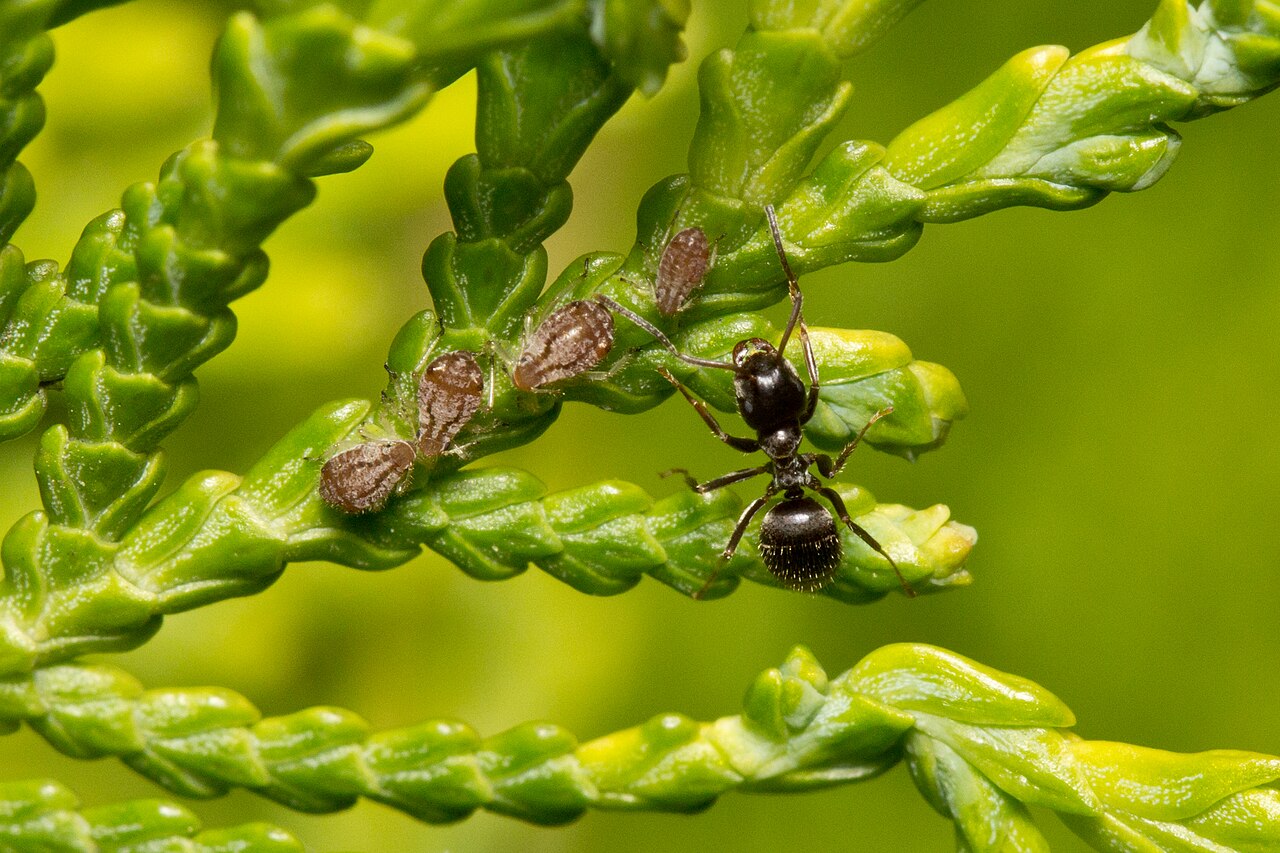
For the rest, remove the conditions: pull mulch back 6 in (15 cm) from the foundation, trim branches that touch the roof, clear gutters, store firewood off the ground and away from the wall, and control aphids on shrubs, since many ants farm them for honeydew. Ants also feed a long list of wildlife, covered in birds that eat ants and what ants eat. Blanket spraying the yard kills those predators too.
Will Flying Ants Eventually Go Away?
The swarm will, on its own, usually within a few hours and almost always within two or three days. Males die quickly and the surviving queens disperse. In that narrow sense, doing nothing works.
The colony will not go away, and neither will the queens that landed and dug in around your foundation. Each successful queen is a new nest that will swarm in its own right in three to five years. The useful move is to treat a swarm as free intelligence: it tells you a mature colony is within about 50 ft (15 m), and the week after a flight is the cheapest time to act. Feeders and sweet fixtures deserve the same attention, as in keeping ants out of a hummingbird feeder.
Related reading: how to get rid of ants.
Frequently Asked Questions
What do flying ants hate the most?
Peppermint oil, cinnamon, clove, and vinegar are the strongest household repellents, and all of them work by masking or destroying the scent trail rather than by harming the ants. Diatomaceous earth is the most effective non-chemical killer, since it abrades the waxy cuticle and dries the insect out.
What won’t ants cross?
A dry line of diatomaceous earth, a fresh band of talc or chalk, and a strip wiped with undiluted vinegar all stop ants for a time. None lasts: humidity, dust, and foot traffic break the barrier within a day or two, and ants simply route around it once the trail is re-established elsewhere.
What is an ant’s worst enemy?
Other ants. Territorial wars between neighboring colonies kill far more ants than any predator does. Beyond that, flickers and other woodpeckers, antlions, phorid flies that parasitize fire ants, and pathogenic fungi in the genus Ophiocordyceps all take a steady toll on colonies.
Do flying ants bite or sting?
Rarely. Alates are built for mating flight, not defense, and most species will not bite a person at all. Winged fire ants are the exception and can sting, and carpenter ant workers deliver a pinch with formic acid that stings briefly. None of the common house-invading species is dangerous to a healthy adult.
Are flying ants dangerous to my house?
It depends entirely on the species. Pavement and odorous house ants are a nuisance. Carpenter ants excavate galleries in damp structural wood and cause real damage over years. Winged termites, often mistaken for flying ants, are far worse. Identify the insect before deciding how worried to be.
How long does flying ant season last?
Individual flights last a few hours, and a local swarming period runs a few days to about two weeks. Across the United States the broader season stretches from April in the South to early September in the North, with the heaviest activity in July after a rainy, humid stretch.