Tree Frog Poop: What It Looks Like and 3 Lookalikes
Tree frog poop is a dark, glossy, cylindrical dropping that looks far too large for the animal that left it, usually 0.2 to 0.6 in (5 to 15 mm) long and packed with shiny insect fragments. Most people find it before they ever see the frog: a row of black smears on a window, a porch railing or the rim of a pool, always under the same spot where the frog sat hunting moths the night before.
Those droppings are the most reliable sign that tree frogs are using your house as a feeding station. They are also the thing homeowners misidentify most often, because a fresh tree frog dropping on glass looks a lot like mouse or roach waste at a glance. This guide covers the size, color and content, where the piles build up, the three lookalikes, and what a change in the droppings says about a frog you keep in a terrarium.
Tree frog droppings are dark brown to black, cylindrical and soft, 0.2 to 0.6 in (5 to 15 mm) long for native species and up to 1 in (2.5 cm) for Cuban or White’s tree frogs. They look wet and shiny when fresh, smear when wiped, contain visible insect wings and legs, and have no chalky white cap.
What do tree frog feces look like?
A fresh dropping is dark brown to black, rounded at both ends, and wet enough to reflect light. It sits on the surface rather than sticking into it, and it stays soft for several hours before drying into a hard crust that takes real scrubbing to remove from glass.
Break one open and the content gives the species away: iridescent beetle wing cases, moth wing scales, ant heads and cricket legs, all held together by very little else. Frogs swallow prey whole and digest the soft tissue, so the chitin passes through almost intact and makes the dropping glitter in direct light.
What you will not see is a separate white portion. Reptiles pass solid white urates, amphibians excrete nitrogen waste as dilute urine instead, so a dropping with a chalky white bead at one end is not from a frog. That single detail resolves most identification questions in one look.
Tree frog droppings: size, shape, color and content
Size tracks the frog, and the range across US species is wide. A spring peeper leaves something the size of a rice grain, while an adult Cuban tree frog (Osteopilus septentrionalis) in Florida can leave a dropping as long as a mouse dropping is wide. The table below gives the reference points for a yard or a terrarium.
| Feature | Tree frog droppings | Notes |
|---|---|---|
| Length | 0.2 to 0.6 in (5 to 15 mm) native species, up to 1 in (2.5 cm) for Cuban and White’s | Large relative to body size, which is why people assume rodent |
| Shape | Cylindrical, rounded ends, often slightly curved or coiled | Soft and smears under pressure, never a dry pellet |
| Color | Dark brown to black, occasionally with a tan film | Lightens as it dries, stays darker than roach waste |
| White part | None | A white tip means lizard or bird, not frog |
| Content | Insect wings, wing cases, legs, visible shine in light | Shiny chitin is the single best confirmation |
| Where you find it | Windows, siding, railings, patio furniture, pool decks, broad leaves | Always below a perch the frog uses repeatedly |
| Accumulation | Two to six droppings in one spot over several nights | Scattered trails across a floor point to rodents instead |
Where tree frog poop shows up around a house
Tree frogs hunt where the insects gather, which in a US suburb means artificial light. Porch lights, security floods and lit windows pull in moths and beetles all night, and frogs climb the wall below the light and wait. Everything they catch leaves a deposit on whatever is directly underneath.
That is why the droppings cluster rather than scatter: glass panes at knee to shoulder height, the top rail of a deck, the lid of a grill, the lip of a pool skimmer, the underside of an awning. Pool decks are the most reported location in the Southeast, because the water draws frogs in and the concrete shows every mark.
Indoors the pattern changes. A frog that slipped through a door leaves droppings on vertical surfaces at odd heights, including curtains and the back of a television, which rodents almost never do; general frog droppings follow the same rule across species.
How often do white tree frogs poop?

A well fed White’s tree frog (Litoria caerulea) passes droppings every one to three days, and often within twenty four hours of a large meal. Juveniles eating daily go daily. Adults fed two or three times a week settle into a rhythm that matches their feeding schedule closely enough to use as a husbandry check.
Temperature and hydration shift the timing. A terrarium that runs cool slows gut transit, and a frog kept too dry produces smaller, firmer droppings. Both show up in the substrate before they show up in the animal’s weight.
Wild Australian green tree frogs and native species are less predictable because meals are, but the same principle holds: no droppings for a week from a frog that is otherwise eating means something in the setup needs attention.
Tree frog poop vs lizard poop
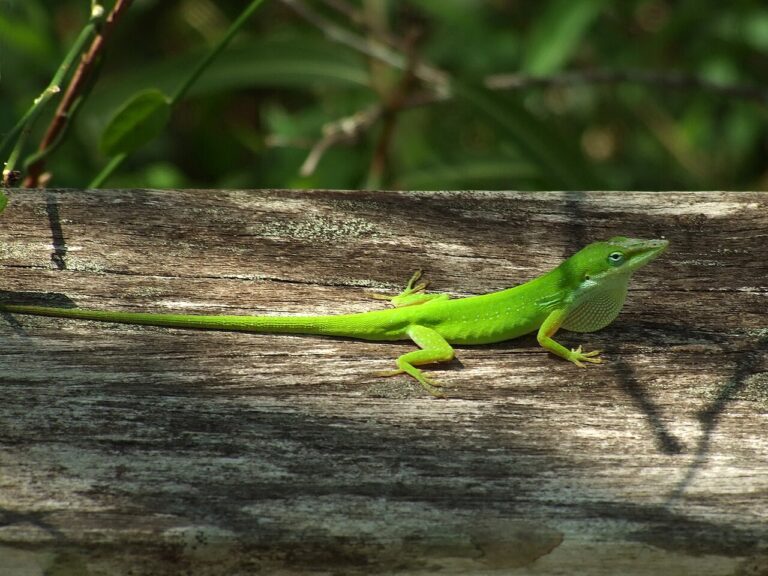
This is the comparison that settles most yard mysteries, because both appear on the same walls and railings. The deciding feature is the white urate tip: anole and gecko droppings carry a distinct chalky white bead at one end, tree frog droppings never do.
Texture separates them further. A gecko dropping dries hard within a few hours and flicks off a window intact, while a tree frog dropping smears into a brown streak if you wipe it too early. Our side by side on frog poop and lizard poop works through the rest of the differences, including what the two look like after a week in the sun.
Tree frog poop vs mouse poop
Mouse droppings are 0.1 to 0.25 in (3 to 6 mm) dark pellets with pointed ends, dry to the touch, and they come in dozens because mice defecate while they travel. Finding them means a trail along a wall, behind an appliance or inside a drawer.
Tree frog droppings are larger individually, soft, rounded at the ends, and they sit in small groups on vertical or exposed surfaces rather than in tucked away runways. If the deposits are on the outside of a window at eye level, no rodent put them there.
Tree frog poop vs roach poop
Roach waste is the hardest of the three to tell apart at a distance because large species leave cylindrical droppings too. Up close, American roach droppings are blunt ended, ridged along the sides, and uniformly dark with no visible inclusions, while smaller roaches leave pepper like specks and brown smears.
Tree frog droppings are smooth sided, larger, and reveal insect parts when crushed. Location helps as well: roach waste accumulates in dark warm interiors, under sinks and behind cabinets, which is exactly where frogs do not go. The same contrast runs through our comparison of roach poop and mouse poop.
What does an unhealthy tree frog look like?
The droppings often change before the frog does. Runny, formless waste over several days, droppings with undigested whole insects, or a sudden stop in output are the three signs worth acting on in a captive animal.
On the frog itself, look for weight loss along the hips and spine, dull or discolored skin, reddened thighs and belly, bloating, or an animal sitting exposed in daylight instead of hiding. Open mouthed breathing and a reluctance to climb are late signs and mean a reptile and amphibian vet rather than a husbandry adjustment.
Thin white threads or moving segments in the waste are parasites, which are common in wild caught frogs and treatable with a fecal exam. Barking tree frogs and other natives taken from a yard should be assumed to carry a parasite load.
Is tree frog poop dangerous?
Tree frog droppings are not poisonous, but amphibians commonly carry Salmonella in their gut, and the CDC links frog and reptile contact to human infections every year, including cases traced to pet amphibians. The bacteria pass in the waste from animals that look perfectly healthy.
Clean up with disposable gloves. Scrape or lift the dropping off rather than spraying it into an aerosol, bag it, then wipe the surface with a household disinfectant and rinse. Keep terrarium water, bowls and decor out of kitchen sinks entirely, and wash hands with soap for twenty seconds afterwards.
Children under five, pregnant people and anyone immunocompromised should not handle the cleanup or the frog. That is the whole of the risk: ordinary hygiene handles it, and no respiratory hazard comparable to bird or bat guano exists here.
Is it good to have tree frogs in your yard?
Yes, on both counts that matter. A single adult tree frog eats hundreds of insects a week, including mosquitoes, moths and beetles, and it does so at the exact spots where porch lights concentrate them. The droppings on your window are the receipt for that work.
Tree frogs are also bioindicators. Their permeable skin makes them sensitive to pesticides and fertilizer runoff, so a yard that keeps a breeding population is a yard with reasonably clean water and soil. Losing frogs that used to call in spring is a signal worth reading.
The exception is the Cuban tree frog in Florida, an invasive species that eats native frogs and leaves much larger droppings. Identification matters there, and American green tree frogs are the native species it most often displaces.
How to clean tree frog droppings off glass and siding
Let the dropping dry completely before you touch it. Wet waste smears into a stain that needs three times the effort, while a dried dropping lifts off glass in one piece with a plastic scraper or a fingernail through a paper towel.
For windows, scrape first, then clean with glass cleaner or a vinegar and water mix. On painted siding and composite decking, soften the crust with warm soapy water for a minute, wipe, and skip abrasive pads. Dark stains that remain on concrete pool decks usually respond to an enzyme cleaner.
Prevention is simpler than cleaning. Switching porch lights to warm yellow bulbs or putting them on motion sensors cuts the insect swarm, and the frogs follow the insects somewhere else within a few nights.
Frequently Asked Questions
Do tree frogs carry diseases?
Tree frogs commonly carry Salmonella bacteria in their gut and can shed it in their droppings, and wild caught frogs often carry internal parasites. Neither spreads through the air. Gloves during cleanup, no contact with food surfaces and thorough handwashing reduce the risk to a negligible level.
Do frogs carry HPV?
No. Human papillomavirus infects only humans, and frogs cannot carry or transmit it. The idea comes from the old folk belief that handling frogs and toads causes warts, which is false; warts are a human virus spread by human contact, not by amphibian skin.
Is it bad to touch a tree frog?
It is bad for the frog more than for you. Amphibian skin absorbs oils, salts, soap residue and sunscreen directly, so dry hands can injure it. If you must move one, use clean wet hands or damp gloves, keep it brief, and wash afterwards because of Salmonella.
Do tree frogs bite?
Tree frogs rarely bite, and the small native species cannot break skin. Large frogs like White’s tree frog may lunge at a finger they mistake for food, which feels like a firm pinch without teeth. There is no venom and no medical concern beyond washing the spot.
Do tree frogs bond with humans?
No. Tree frogs can learn that a keeper means food and may stop fleeing from a hand, but they form no social bond and show no affection. Judge welfare by appetite, weight, skin condition and regular droppings rather than by behavior that resembles tameness.
What do tree frog droppings look like in a terrarium?
Much the same, but softer and often partly mixed into the substrate or stuck to the glass above the water dish. On bioactive setups springtails and isopods clear them within a day, so an accumulation of visible droppings usually means the cleanup crew has crashed.