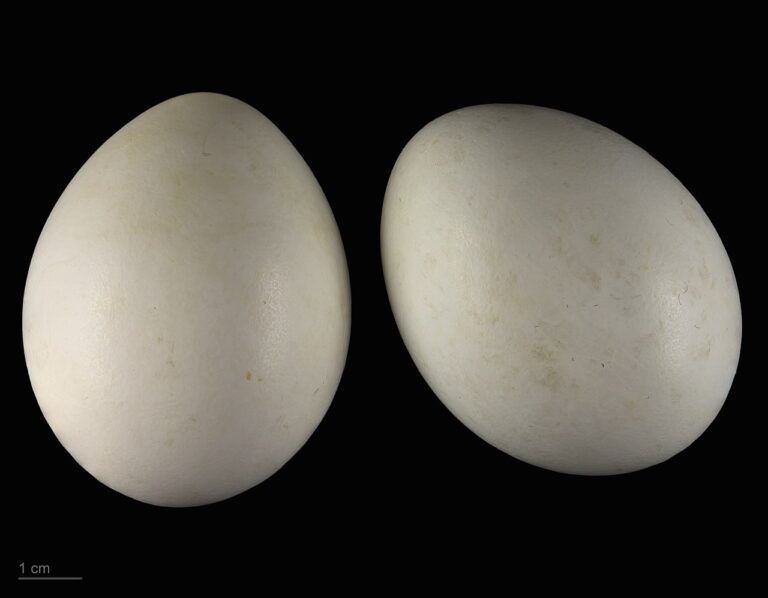
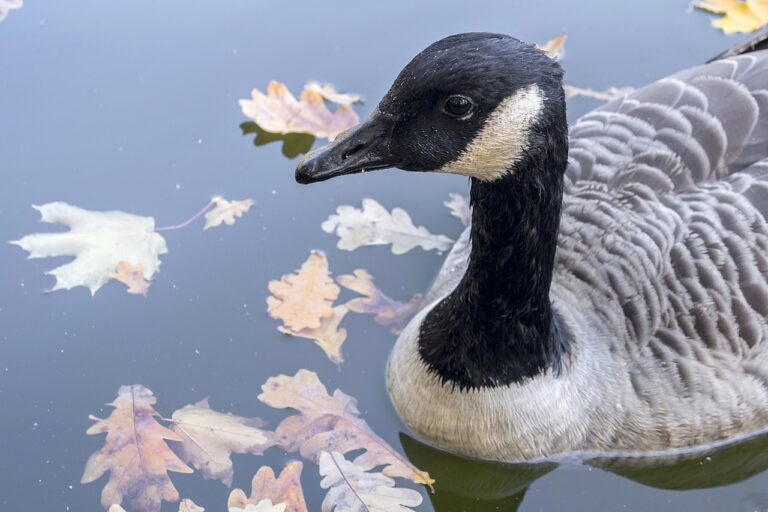
Bird in the House: Spiritual Meaning and What to Do
A bird in the house traditionally means a message is arriving, and across most folk traditions it is read as news from somewhere beyond the household: a blessing, a visit from the dead, or a warning, depending on the bird and the circumstances. The meaning of a bird in the house is not fixed, and the same event is called good luck in one culture and an omen of death in another.
What follows separates those traditions instead of blending them, because the blended version circulating online is where the confusion starts. Beliefs are presented here as beliefs, held by specific people in specific places, and the practical section at the end covers getting the bird back outside unharmed.
A bird that flies into your house is most often read as a messenger: in Christian tradition a sign of the Holy Spirit or a soul passing, in several Native American traditions a carrier of news between worlds, and in English and Celtic folklore an omen of a death in the family. Modern interpretations lean positive, treating the visit as a prompt to pay attention to something you have been avoiding.
| Situation | Common interpretation |
|---|---|
| Bird flies in and leaves on its own | Message delivered, change arriving soon |
| Bird taps or hits a window | Warning, or a departed relative seeking attention |
| Bird enters at night | Strongest death omen in European folklore |
| Same bird returns repeatedly | Message not yet understood, persistence required |
| Bird found dead indoors | End of a chapter, a relationship, or an old identity |
| Bird in the house in a dream | Thoughts or news you have not let yourself hear |
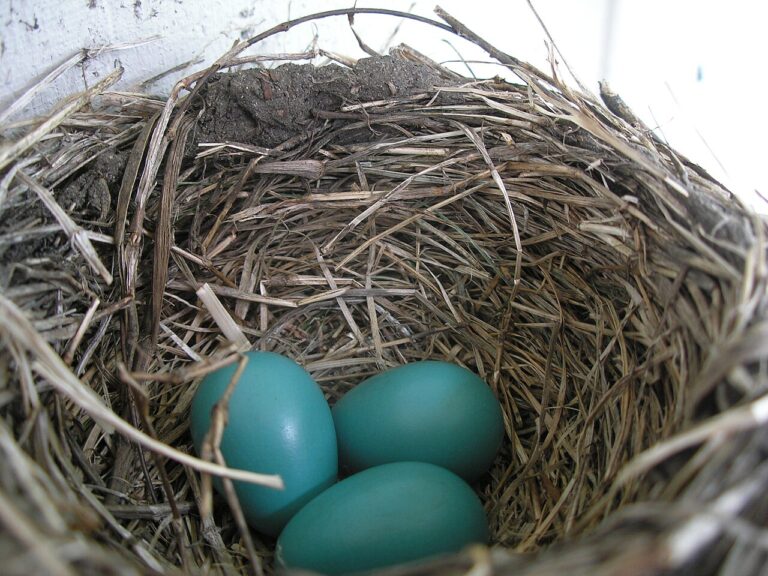
| Bird nests on the house | Protection and prosperity, almost universally positive |
What Does It Mean When a Bird Comes Inside Your House?
The oldest and most widespread reading is simple: birds move between the ground and the sky, so they were understood as couriers between the living world and whatever lies above it. A bird crossing your threshold brings that traffic inside, which is why nearly every tradition treats it as significant rather than accidental.
From there the readings split along one question: does the messenger bring blessing or warning? Mediterranean and East Asian traditions tend toward blessing. Northern European traditions tend toward warning. Both agree that the visit is not neutral, and both say the bird’s behavior while inside matters, with a calm bird read very differently from a panicked one.
Is It Good Luck or Bad Luck to Have a Bird in the House?
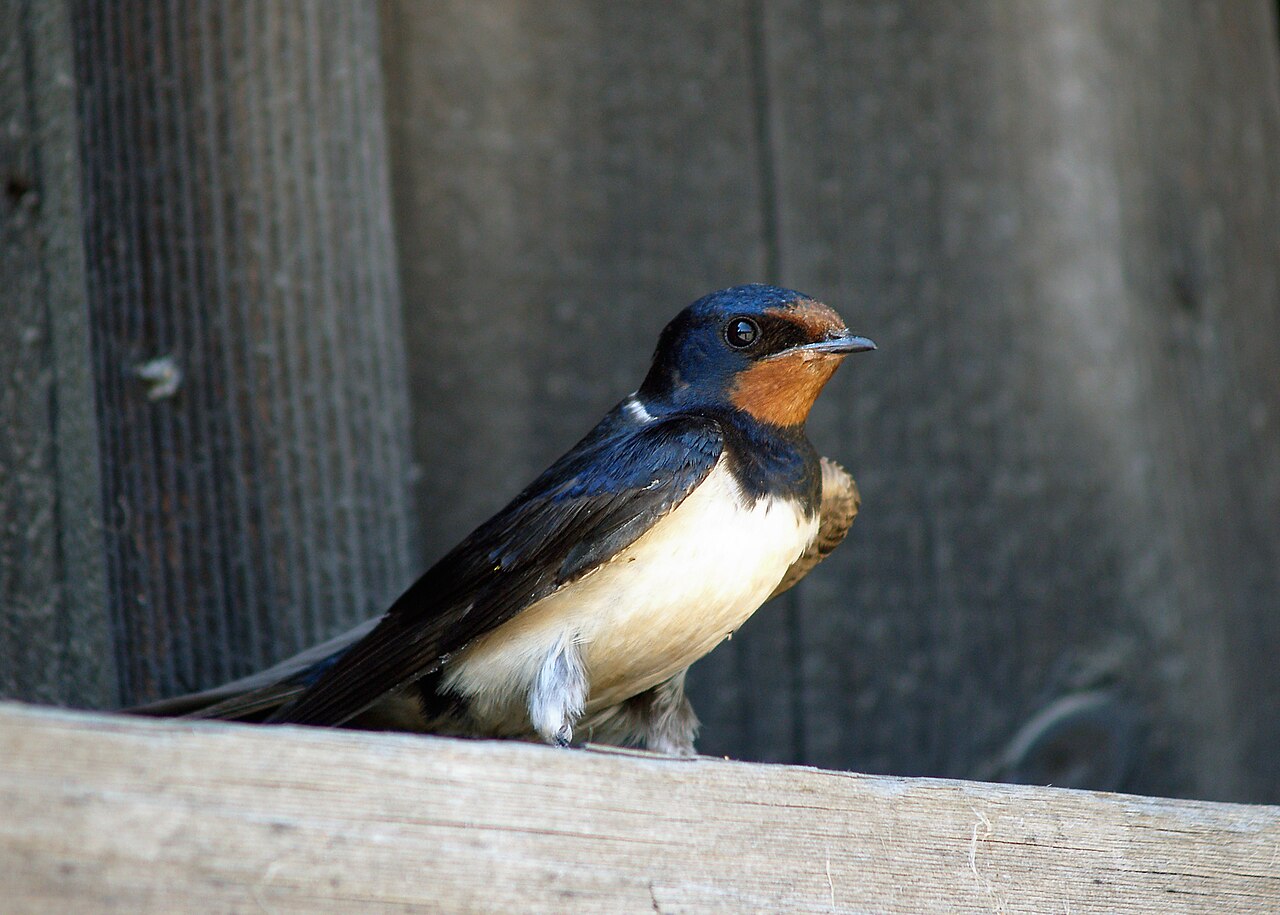
Both, and the split is geographic rather than logical. English, Scottish, and Irish folklore collected in the nineteenth century records the bird indoors as a death omen with unusual consistency, particularly if the bird was a robin, a swallow, or any bird that entered at night. A bird that could not be driven out was the worst version of the sign.
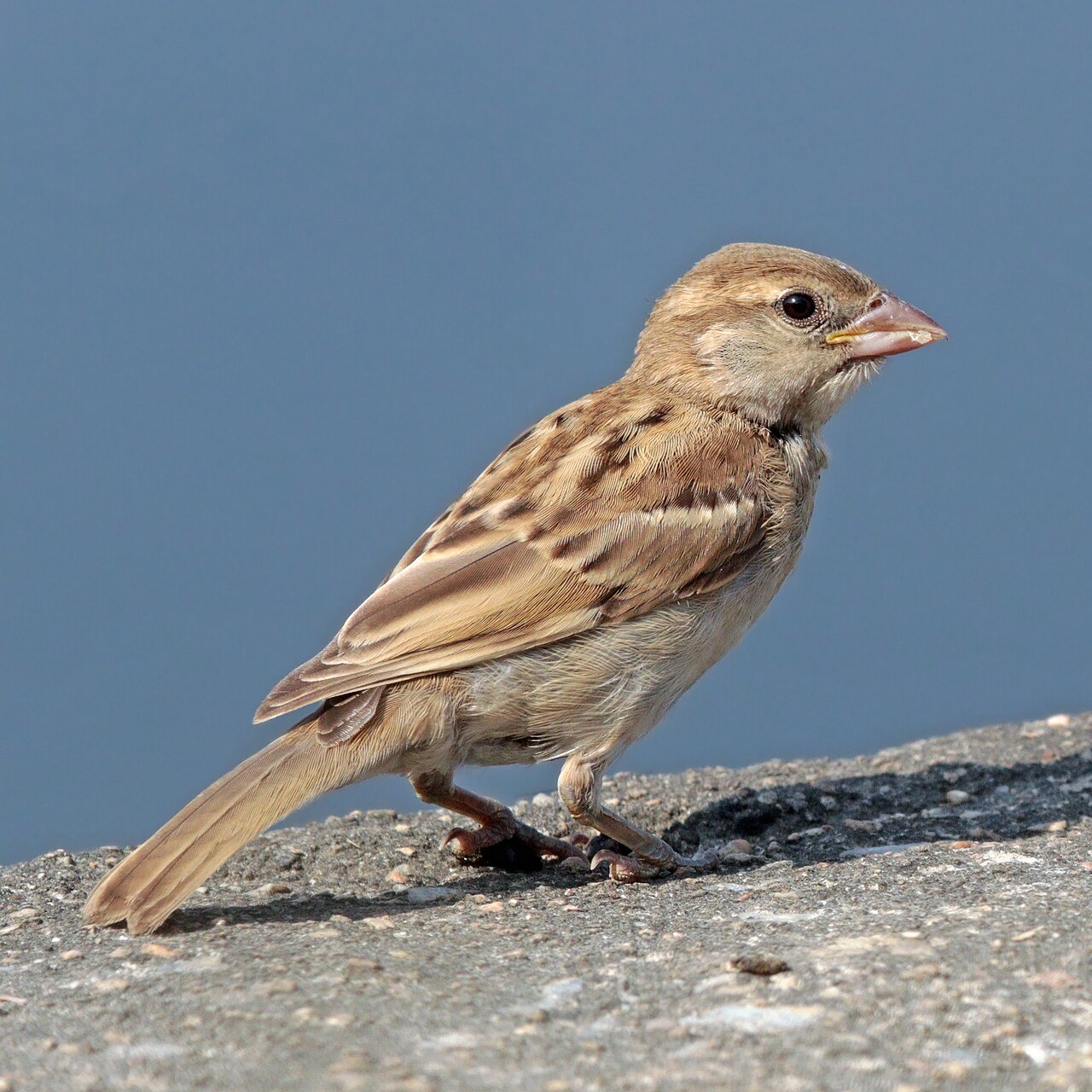
The counter tradition is just as old. In much of continental Europe and across South Asia a bird choosing your home is a sign of trust and incoming prosperity, and in Hindu household belief sparrows entering a home are widely treated as auspicious. Modern spiritual writing has largely adopted the positive reading, which is why the search results now lean optimistic while the oldest sources lean grim.
Christian and Biblical Meanings
In Christian symbolism the bird indoors is read through the dove. The Holy Spirit descends as a dove in all four gospels, so a bird entering a home is often interpreted as a sign of divine presence, protection, or an answered prayer. White birds carry this reading most strongly.
The second Christian reading is the soul. Birds have stood in for departing souls in European Christian art for centuries, which is where the belief comes from that a bird in the house marks a death, recent or coming. Scripture itself gives no verse stating that a bird entering a house means anything, so this is church folk tradition rather than doctrine, and it is worth saying plainly when someone is frightened by what they saw.
Native American, Celtic, and East Asian Traditions
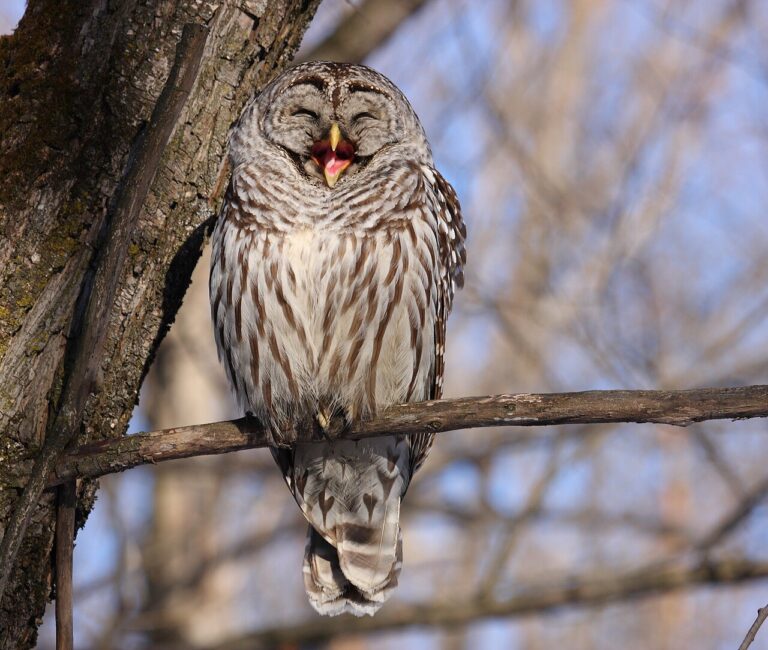
Native American beliefs are not one system, and generalizing across hundreds of nations distorts all of them. In Lakota tradition birds, particularly the eagle, carry prayers upward and bring back answers, so an unexpected bird is attended to as communication. In several Southeastern traditions the owl specifically signals death, while other birds carry no such weight. The honest summary is that the bird species determines the meaning, and the tradition in question determines the species.
Celtic belief ties birds to the Otherworld and to the dead, with the wren treated as sacred and the magpie counted for omens in the familiar rhyme. East Asian traditions run warmer: in Chinese symbolism the swallow nesting on a house brings fortune and the magpie brings happiness and good news, the exact opposite of its British reputation.
Window, Night, Repeated Visits, and Dead Birds
Circumstances change the reading more than species does. A bird that strikes or taps a window without entering is the most reported version of this event, and the folk interpretation is a warning or a relative trying to get your attention. The ornithological explanation is also well documented: birds attack their own reflections in territorial season, and they fail to see glass against a reflected sky.
A bird entering at night is the heaviest omen in European folklore, partly because most songbirds do not fly after dark, so the event itself is genuinely abnormal. A bird returning repeatedly is read as a message not yet received. A bird found dead inside is read as an ending, usually of a phase rather than a life, and this is the one version that modern interpreters treat gently rather than as doom.
Bird as Spirit Animal, Totem, and Omen
The three words get used interchangeably and mean different things. A spirit animal, in contemporary usage, is an animal whose qualities a person identifies with. A totem, in the traditions that actually use the term, belongs to a clan or lineage rather than an individual. An omen is a single event read as a sign, which is what a bird in the house actually is.
Species shifts the message. A cardinal is widely read as a visiting loved one, a sparrow as community and humble provision, a swallow as a safe return home, a robin as renewal, an owl as wisdom or warning depending on tradition, and a blackbird as a threshold between worlds. The house finch carries its own set of meanings tied to cheerfulness and domestic contentment, and insects get the same treatment, as the ladybug indoors shows.
What to Do When a Bird Gets Inside
Work with the bird’s instinct to fly toward light and open space. Close interior doors to confine it to one room, shut the blinds on every window except one, open that window and an exterior door wide, turn off the lights, and leave the room for ten minutes. Most birds find the gap on their own within that window.
If the bird is exhausted and sitting still, a towel dropped gently over it lets you carry it out cupped in both hands. Do not chase it, and do not let a cat into the room. Birds that have struck a window may need a quiet, dark box for an hour before release, and guidance from All About Birds covers window collisions and when a rehabilitator is warranted. After it leaves, find the entry point: a chimney without a cap, a dryer vent, or a gap under the eaves. A properly sited nest box outside often ends repeat visits for good.
Frequently Asked Questions
Is it good luck or bad luck to have a bird in the house?
It depends entirely on the tradition. British and Irish folklore records it as a death omen, especially at night, while much of continental Europe, South Asia, and East Asia read it as incoming prosperity and a sign the home is trusted. Modern interpretation leans positive, treating it as a message rather than a threat.
What does it mean when a bird comes inside your house?
Most traditions read it as a message arriving from outside your ordinary life, with the content set by species and circumstance. A calm bird that leaves on its own is read as a blessing, a panicked or trapped bird as urgency, and a repeat visitor as a message you have not yet acted on.
Which bird is lucky for home?
Swallows top most lists. A swallow nesting on a house is considered protective in European, Chinese, and Middle Eastern tradition alike, and destroying the nest is said to reverse the luck. Sparrows are auspicious in Hindu household belief, and bluebirds carry the strongest positive reading in North American folklore.
Does God send birds as signs, and are birds signs from heaven?
Many Christians believe so, usually on the strength of the dove at Christ’s baptism and the verse about sparrows in Matthew. No scripture states that a bird entering a house carries a specific message, so this sits in the realm of personal faith and folk tradition rather than doctrine.
What are the signs of a bird trying to tell you something?
Interpreters point to three: the bird makes direct eye contact, it stays unusually calm near people, or it returns to the same spot more than once. All three have plain behavioral explanations, including nesting pressure and territorial response to reflections. Both readings can sit side by side without contradicting each other.
If the visits keep happening, the practical answer and the symbolic one often point the same direction: something near the house is attracting birds. A capped chimney, a screened vent, and a nest box placed well away from the door usually settle it, and the sign loses its force once the bird has somewhere better to be.