Owl Dream Meaning: What Each Owl Dream Is Said to Signal
Dreaming about an owl usually points to something you already sense but have not said out loud. Across most traditions the owl in a dream is read as a messenger of hidden knowledge, a warning to look closer at a situation, or a sign that a chapter is ending. The emotion you woke up with matters more than the bird itself: a calm owl dream and a frightening one are read very differently.
Owl dream meaning has been interpreted for thousands of years, and the interpretations contradict each other on purpose. Greek culture tied the owl to wisdom through Athena, while several farming cultures in Europe and the Americas tied the same bird to death and bad luck. Below you will find what each situation is traditionally said to mean, what the Bible actually says about owls, and how the bird is read as a spirit animal, totem and omen.
Dreaming of an owl is traditionally read as a call to trust your own perception: the bird sees what others miss. Depending on the tradition, an owl dream signals hidden knowledge, an approaching change, or a warning about a person or decision. A calm owl suggests guidance, an aggressive or dead owl suggests fear of loss.
What Does an Owl Mean Spiritually in a Dream?
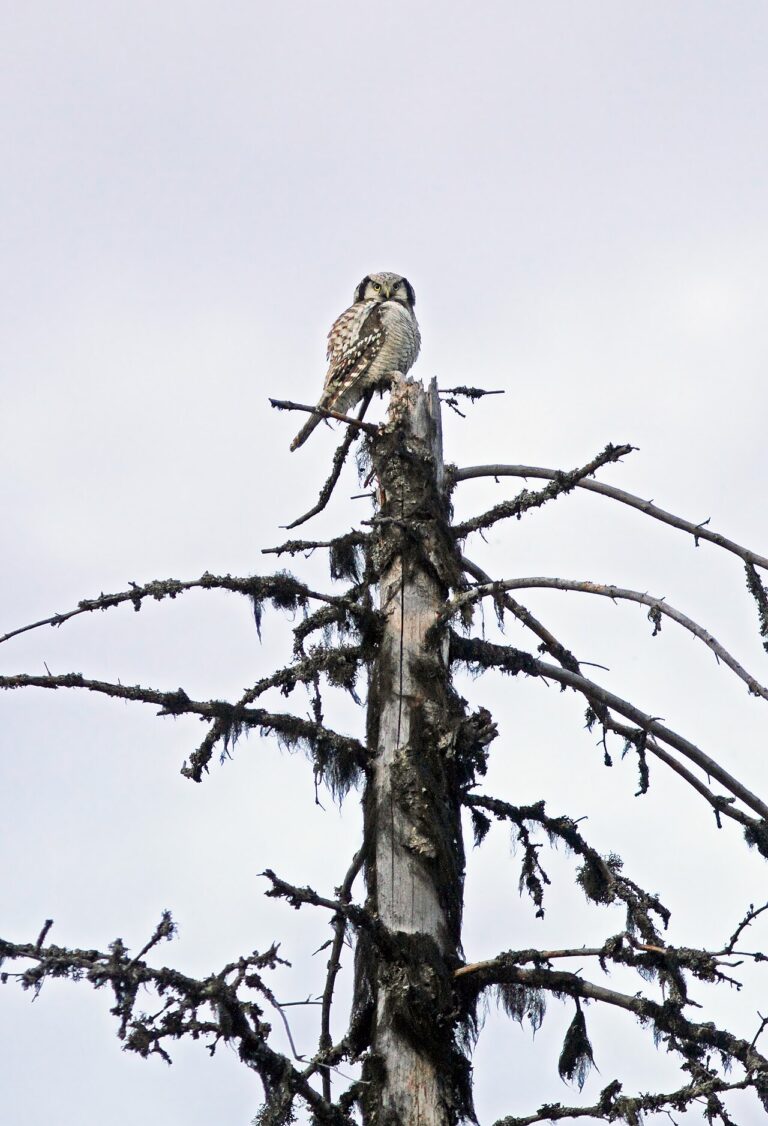
Spiritually, the owl in a dream is said to represent perception that works in the dark. The bird hunts by sound in near total blackness, and almost every tradition that interprets owls builds its meaning on that single fact. A dream owl is therefore read as a prompt to use intuition rather than evidence, especially about a situation you have been avoiding.
The second layer is secrecy. Because owls are nocturnal and silent in flight, folk interpretations connect them to what is concealed: a truth someone is keeping from you, or one you are keeping from yourself. Dream dictionaries from the Victorian era onward repeat this idea, and modern spiritual writers have kept it.
The third layer is transition. In several traditions the owl marks the boundary between one state and the next, which is why it appears in both death omens and in stories about initiation. That is also why the same dream can feel ominous to one person and reassuring to another. For the waking-life version of this bird, see what owls symbolize outside of dreams.
Owl Dream Meaning by Situation

The detail that stays with you after waking is the part worth interpreting. Dream traditions assign different meanings to a perched owl, a flying owl, a screeching owl and a dead one, and the table below collects the readings that appear most often in folklore and in popular dream interpretation.
| Dream situation | Traditional meaning | Emotional tone |
|---|---|---|
| Owl sitting and watching you | A truth is being observed, not yet spoken | Calm, watchful |
| Owl flying toward you | News or a message arriving soon | Urgent |
| White owl at night | Clarity, purity of motive, or a farewell | Solemn |
| Owl screeching or hooting | A warning about a person or plan | Anxious |
| Dead owl | The end of an old way of seeing things | Heavy |
| Owl talking to you | Guidance you already have but resist | Strange, vivid |
| Owl in your house | A hidden matter inside the family | Unsettling |
What Is the Spiritual Meaning of Seeing a White Owl at Night?

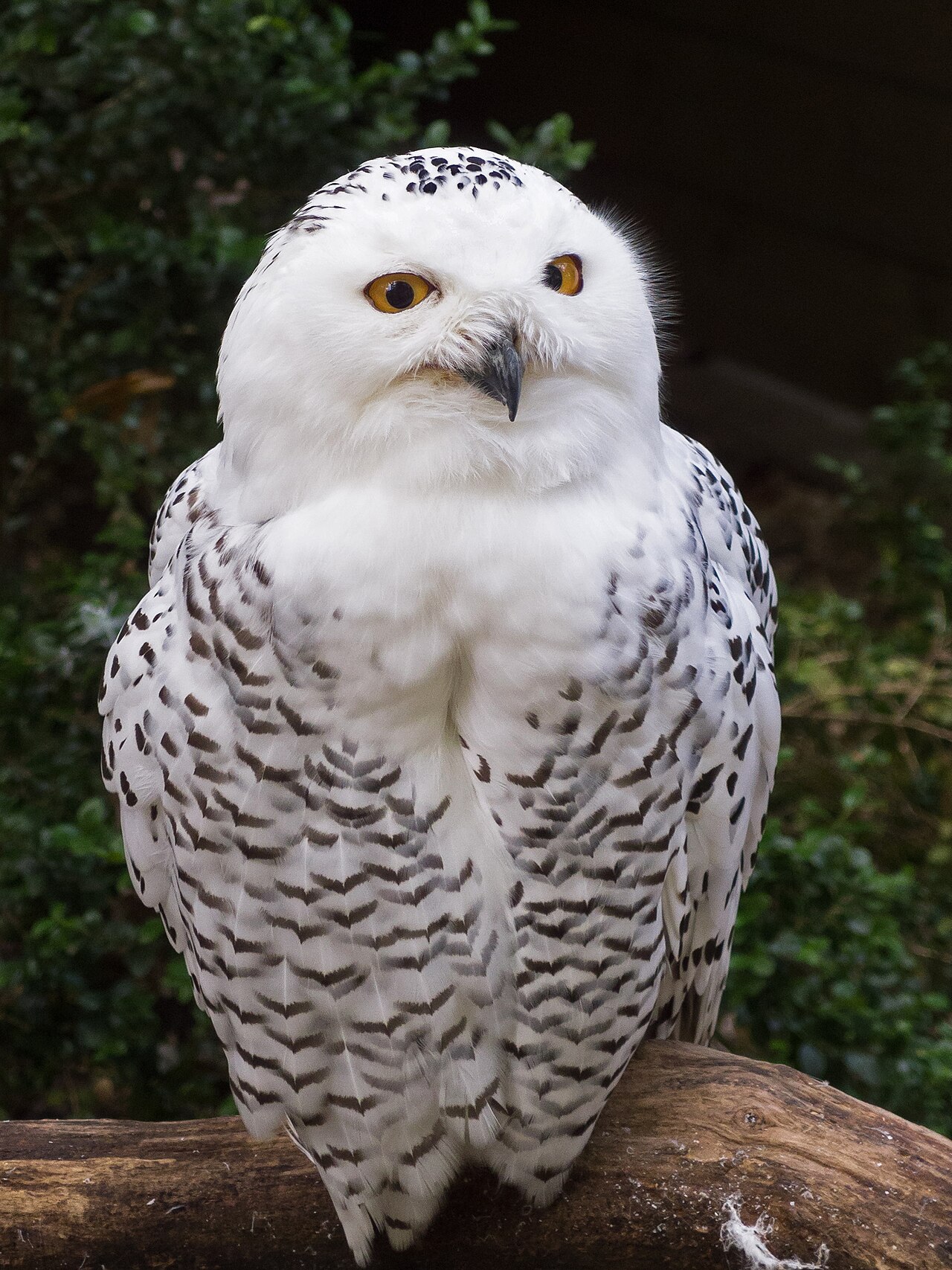
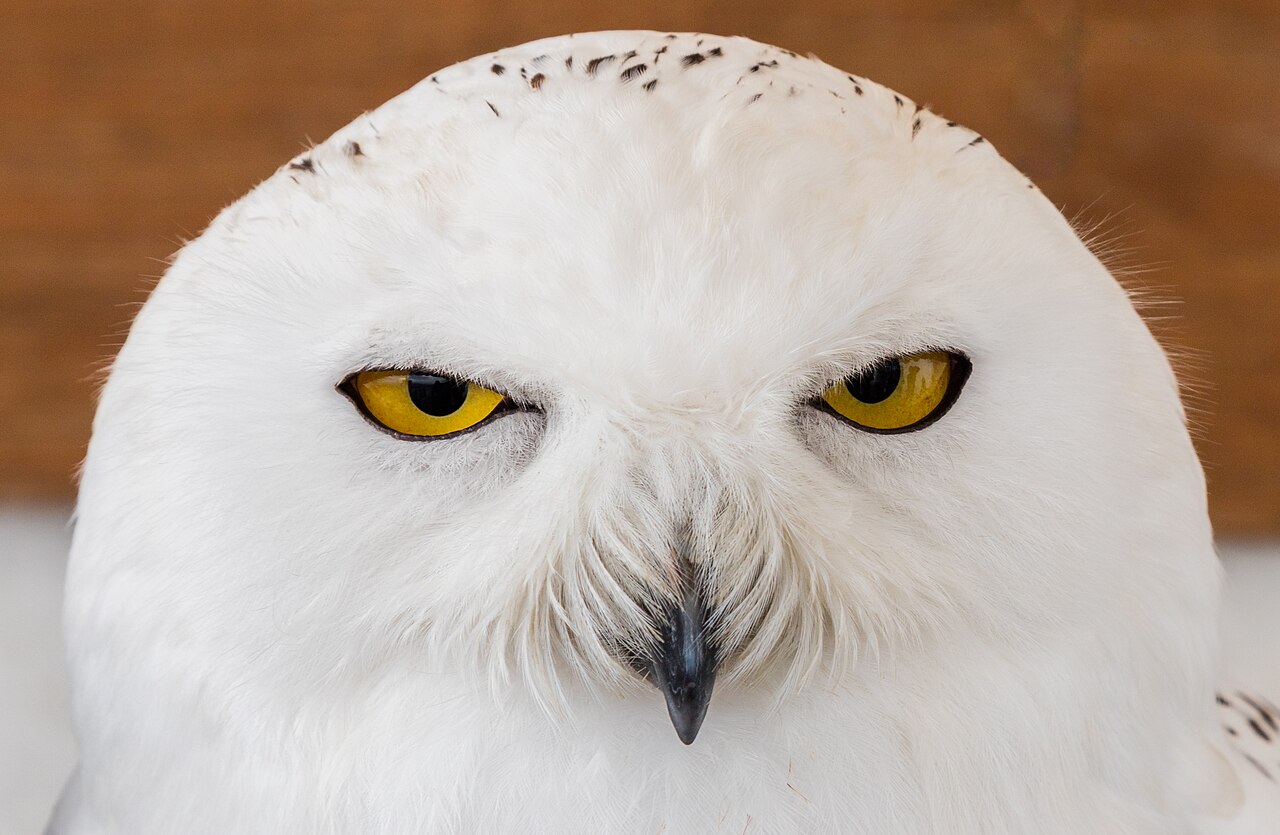
A white owl at night is the single most asked-about owl dream, and the traditional reading is clarity arriving in a dark moment. White is read as truth without decoration, so folk interpretation treats the pale bird as a message that can be trusted even when it is unwelcome. Snowy owls (Bubo scandiacus) and barn owls (Tyto alba) are the two species most people picture here.
In parts of rural Britain and Ireland a white owl crossing your path at night was taken as a sign of a death in the parish, though the same bird nesting near a barn was considered protective. The contradiction is old and never resolved, and most modern interpreters now read the white owl as a farewell to a phase of life rather than to a person.
If the owl in your dream was calm and lit from within, dream writers read it as reassurance. If it startled you, the same writers read it as an instruction to stop ignoring a decision. The question whether owls are good or bad luck has no single answer, and your own reaction is the closest thing to a reliable signal.
Brown, Black and Red Owls in Dreams
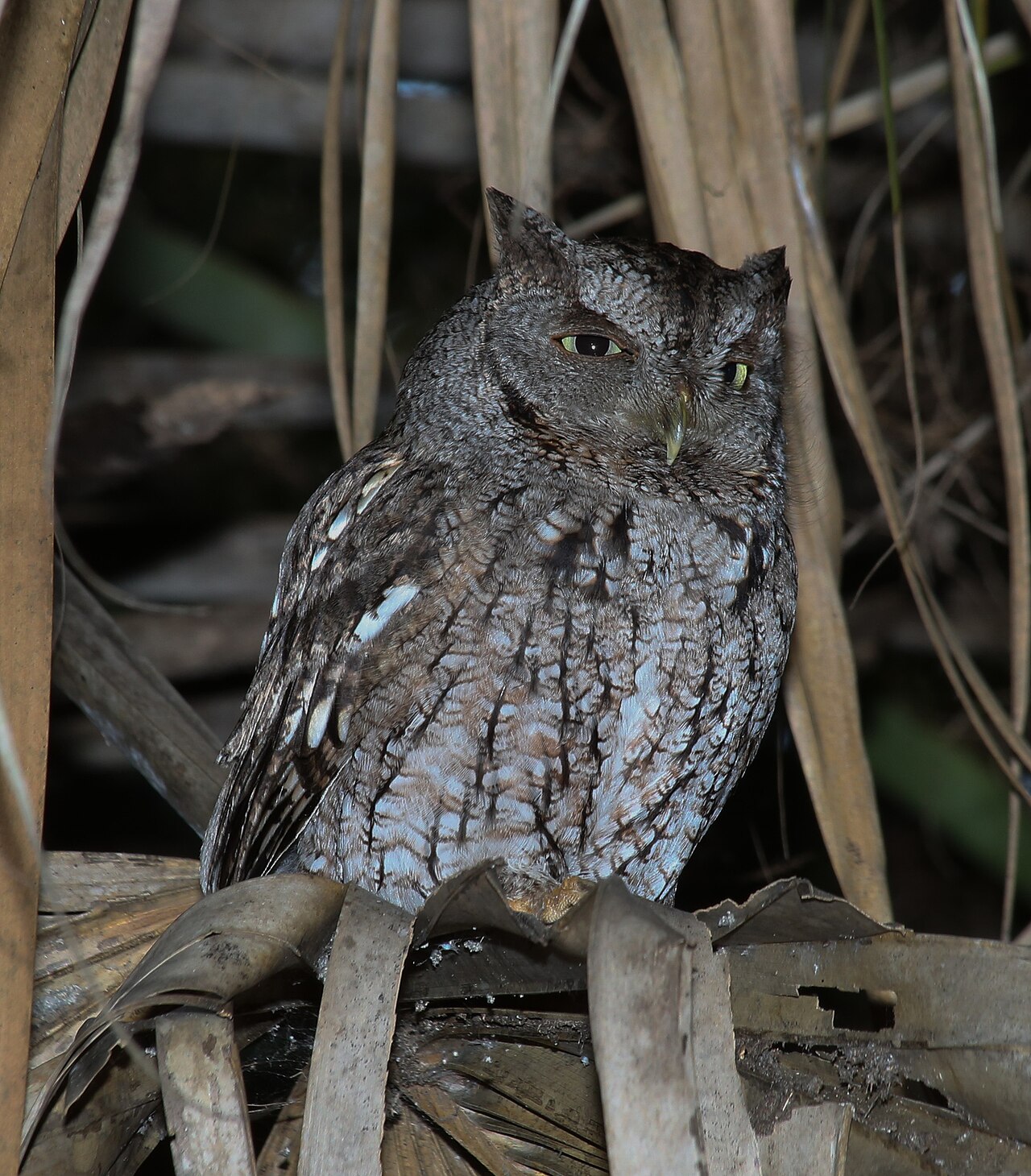
Colour changes the reading in most dream traditions. A brown owl is the everyday version of the symbol and is usually interpreted as practical wisdom: advice from an older person, or your own experience telling you something sensible. Great horned owls and barred owls fit this description and are the owls most Americans actually hear at night.
A black owl is read as the unknown rather than as evil. Interpreters connect it to a part of yourself you have not examined, which is why the dream often comes during periods of change. No North American owl is truly black, so a black owl in a dream is almost always symbolic rather than a memory of a real bird.
A red owl appears in dream reports far more often than in nature, and it is generally read as a warning tied to strong emotion: anger, passion or a conflict about to surface. Treat the colour as the loudest part of the message and the owl itself as the messenger.
Owls Following You or Flying Toward You
An owl flying straight at you is traditionally read as news that cannot be avoided. In this reading the bird is not the threat, the information is, and the dream is understood as preparation rather than prediction. People often report this dream in the weeks before a job change or a family announcement.
Owls following you meaning, as it is usually searched, is the recurring version of the same idea. When the bird appears again and again across several nights, dream interpreters read it as something unresolved: a conversation postponed, a doubt about a relationship, a decision you keep rescheduling. The repetition is the point.
If the owl follows you without ever getting closer, some traditions read it as protection, a guardian keeping pace. If it closes in and you wake up, the common reading is pressure you feel in waking life. For sightings outside of sleep, see what it means when an owl visits you.
What Do They Say When You See an Owl in Your Dream That Talks?
A talking owl is one of the most vivid owl dreams people report, and dream interpreters treat it as the clearest case of self-knowledge in symbolic form. The bird speaks advice you already hold. That is why the words are often simple and why the dreamer usually remembers them.
Older dream manuals read the talking owl as an ancestor or a guide, particularly if the voice was familiar. Modern interpretation keeps the structure and drops the spirits: the owl is your own judgment, given a voice you are more likely to listen to than your own.
If the owl asked you a question rather than giving advice, the traditional reading shifts to a decision you have been dodging. Write the question down on waking. In practice it is usually the exact question you have avoided asking yourself.
Finding a Dead Owl in a Dream
A dead owl is heavy to dream about and is rarely read as a literal omen of death. The usual interpretation is the end of an old way of seeing: a belief that no longer works, a mentor relationship that has run its course, or a fear that has lost its power over you. The symbol of sight has stopped seeing, which is why the image lands so hard.
In several European folk traditions a dead owl nailed to a barn door was believed to ward off bad luck, a practice recorded well into the nineteenth century. That history gives the dead owl a second, protective reading in some interpretations, though it sits uneasily with modern sensibilities.
If you felt grief in the dream, interpreters read it as mourning something real. If you felt relief, the same dream is read as release. The feeling on waking is the deciding factor, not the image.
What Does God Say About Owls in the Bible?
The Bible mentions owls mainly as birds of desolation. In Leviticus 11 and Deuteronomy 14 the owl is listed among birds that are not to be eaten, and in Isaiah 34 owls are described as inhabiting ruined places after judgment has fallen. Job 30:29 has the speaker call himself a companion of owls, which is a statement of isolation, not of wisdom.
So the biblical picture is not the Greek one. Scripture does not present the owl as a symbol of wisdom, and it does not record owls as messengers. Christian interpreters who ask what it means when God sends you an owl are reading the bird through later folk tradition rather than through the text itself, and it is fair to say so plainly.
Where the owl does carry weight in Christian reading is as an image of solitude and of places emptied out. Some devotional writers use it for honest grief or for a season in the wilderness. A fuller treatment sits in the biblical meaning of the owl.
Native American Traditions and the Owl
Owl beliefs differ sharply between Native nations, and treating them as one tradition flattens them. In Lakota tradition owls are associated with protection and with warriors who have earned particular honours, and owl feathers carry that meaning. In parts of Apache and Navajo belief the owl is connected to death and to the spirits of the dead, and hearing one call near a home was taken seriously.
Among several Pueblo peoples the owl is linked to the dead as a guardian rather than as a threat. Among the Hopi the burrowing owl (Athene cunicularia) is associated with the underworld and with the growth of crops, a link that has nothing to do with the European reading of the bird.
If your dream matters to you because of a specific heritage, the reading that counts is the one inside that tradition, not a general one. The spread of meanings here is wide enough that a summary is almost always wrong for somebody.
Celtic, Greek and European Folklore
In Greek tradition the little owl accompanies Athena, which is the root of the entire association between owls and wisdom in Western culture. The bird appeared on Athenian coins, and the phrase about bringing owls to Athens meant doing something pointless because the city already had so many of them.
Celtic sources are darker. In Welsh legend Blodeuwedd is turned into an owl as a punishment, and the bird becomes a creature of night and exile rather than a sage. Irish and Scottish folklore used the owl call as a death warning, particularly if it was heard three nights in a row.
Roman writers inherited the warning reading. Pliny recorded the owl as a funereal bird whose appearance in a city required a ritual response. The same animal that symbolised wisdom in the Greek world carried dread in the Roman one, which is a useful reminder that these meanings are cultural rather than fixed.
East Asian and Islamic Readings
In Japanese culture the owl is largely positive, helped by wordplay: fukurou can be written with characters read as protection from hardship, which is why owl charms are sold widely as good luck items. Chinese tradition is more mixed, with classical sources treating the owl as a bird of ill portent while modern usage has softened considerably.
In many folk traditions across the Middle East and South Asia the owl is read as a bird of ruins and bad fortune, and searches for the meaning of seeing an owl at night in Islam usually land there. It is worth being precise: this is folk belief and cultural inheritance, not a position found in the Quran, which does not assign omens to birds. Classical Islamic scholarship generally rejects bird omens outright.
That tension, between popular belief and formal teaching, is common to most of the traditions on this page. Dream meaning lives in the popular layer almost everywhere.
Owl as Spirit Animal, Totem and Omen
People use spirit animal, totem and omen interchangeably, but in the traditions these words come from they are not the same thing. A totem belongs to a clan or family line. A spirit animal in contemporary usage describes a personal guide. An omen is a single event read as a sign. An owl dream is an omen in the strict sense; calling it your spirit animal is a modern framing.
As a contemporary spirit animal the owl is said to represent discernment, patience and comfort with solitude. People who report the owl as a recurring dream figure often describe themselves as observers, and the symbol fits that self-image well enough that it has become popular in owl tattoo symbolism.
Is an owl a warning? In the omen reading, yes, but a warning in the old sense of advance notice rather than threat. As for whether an owl attracts money, that belief is almost entirely modern and commercial, carried by Feng Shui style owl figurines sold for prosperity, and there is no older tradition behind it. Owls in dreams are about seeing clearly, and that is a different kind of gain. If birds of other kinds visit your sleep, what birds mean in dreams covers the wider pattern. For the biology behind the night vision and silent flight that built all of this symbolism, the Cornell Lab of Ornithology at All About Birds is the reliable source.
Related reading: Hummingbird Dream Meaning.
Related reading: Crow Dream Meaning.
Frequently Asked Questions
What does God say about owls?
The Bible lists owls among unclean birds in Leviticus 11 and Deuteronomy 14, and Isaiah 34 places them in ruined and abandoned land. Scripture presents the owl as a bird of desolation and solitude, not as a messenger or a symbol of wisdom. The wisdom association comes from Greek tradition instead.
Is it good luck or bad luck when you see an owl?
It depends entirely on the tradition. Greek and Japanese culture read the owl as fortunate, while Roman, Celtic and several Native American traditions read it as a warning or a death omen. Most modern interpreters settle on neither, treating the owl as a sign to pay closer attention.
Is an owl a warning?
In omen based traditions, yes. The owl is usually read as advance notice rather than as a threat: news arriving, a truth surfacing, or a decision that cannot be postponed much longer. The warning is about timing more than danger, and the dreamer’s own unease is treated as part of the message.
Does an owl attract money?
That belief is modern and commercial rather than traditional. Owl figurines are sold as prosperity charms, often with a Feng Shui framing, but older owl folklore deals with wisdom, death and hidden knowledge, never with wealth. No historical tradition treats the owl as a money symbol.
What is the angel message of an owl?
In contemporary angel symbolism, which developed in the last few decades rather than in older religious tradition, the owl is said to carry a message about seeing through deception and trusting quiet inner knowledge. It is described as encouragement to stop asking for more proof and act on what you already perceive.
What does it mean when God sends you an owl?
People who use this phrase usually mean a repeated owl sighting that felt deliberate. Read inside Christian tradition it points to a wilderness season: solitude, loss, or being emptied out before something new. It is worth noting the Bible itself never describes owls as sent by God.