What Do Mourning Doves Eat? Complete Diet Guide
Mourning doves eat almost entirely seeds, making up around 99 percent of their diet. They are ground foragers that feed on the seeds of grasses, weeds, and grains, along with waste grain and the seed that other birds knock out of feeders. Unlike most backyard birds, they rarely eat insects. They also swallow grit to help grind seeds and can pack their crop with food to digest later. This guide covers exactly what mourning doves eat, how they feed, the best seeds to offer, and why they behave so differently from other feeder birds.
| Food | Examples | Notes |
|---|---|---|
| Wild seeds | Grass, weed, and wildflower seeds | The bulk of the diet |
| Grains | Millet, cracked corn, milo | Favorites at feeders |
| Sunflower | Black oil and hulled | Taken on the ground |
| Grit | Small stones, sand | Helps grind seed |
| Insects | Rarely eaten | Under 1 percent of diet |
What Do Mourning Doves Eat?
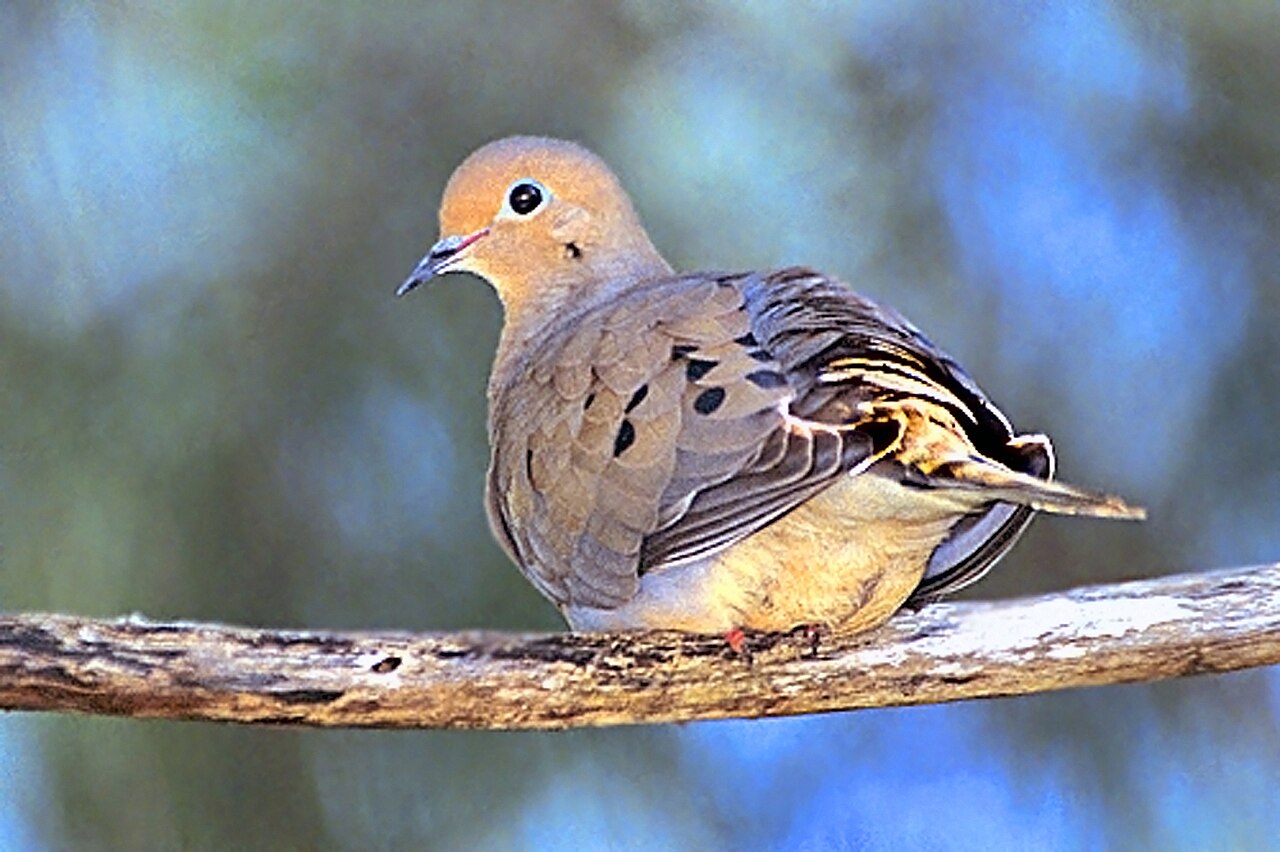
Mourning doves are among the most dedicated seed eaters in North America, and seeds make up nearly their entire diet year round. They feed heavily on the seeds of grasses, weeds, and wildflowers, and they readily take cultivated grains such as millet, cracked corn, milo, and wheat. At feeders and gardens they also eat sunflower seeds, usually from the ground rather than from perches. What makes doves unusual is how little else they eat. According to the Cornell Lab of Ornithology, seeds account for roughly 99 percent of a mourning dove’s diet, so unlike robins or warblers they eat very few insects even when raising young. For the full profile of the bird, see our complete Mourning Dove guide.
How Mourning Doves Feed
Mourning doves are ground feeders built for gathering seeds quickly. Rather than cracking and eating each seed on the spot like a cardinal, a dove swallows many whole seeds rapidly and stores them in its crop, a stretchy pouch in the throat, then flies to a safe perch to digest at leisure. A single dove’s crop can hold a remarkable number of seeds, sometimes thousands of small ones. Because doves cannot crack hard shells the way finches do, they rely on swallowed grit, small stones and sand, held in the gizzard to grind the seeds internally. This is why offering a little sand or fine grit near a feeding area can help doves, and why they are so often seen pecking along gravel driveways and roadsides.
Best Seeds to Feed Mourning Doves
Because doves love seed but feed on the ground, the best foods to offer are small grains and seeds they can gather easily. White proso millet is a top favorite, along with cracked corn, milo, and black oil sunflower seeds. These are exactly the ingredients found in inexpensive mixed birdseed, which is part of why doves flock to it. The key is presentation: doves want their food on the ground or on a low, open platform, not in a hanging tube feeder they struggle to use. Scattering a little seed on the ground or using a platform feeder is the surest way to feed them. For a breakdown of seed types and which birds prefer them, see our guide to the best bird seed.
Do Mourning Doves Eat at Bird Feeders?
Yes, but on their own terms. Mourning doves are too large and clumsy for most hanging tube feeders and small perches, so they rarely feed there directly. Instead they specialize in feeding on the ground beneath feeders, hoovering up the seed that other birds scatter and drop. They will happily use platform and tray feeders, and low ground feeders, where there is room to stand and space to gather seed. If you want doves at a feeder rather than only on the ground, a wide platform stocked with millet and cracked corn is ideal. This ground-feeding habit sets them apart from the clinging and perching birds covered in our bird feeders guide.
What Do Baby Mourning Doves Eat?
Baby mourning doves eat something remarkable called crop milk, a rich, cheesy secretion produced in both parents’ crops, not seeds at first. For the first days of life the squabs, as young doves are called, are fed only this protein and fat-rich crop milk, which both the male and female produce, an unusual trait shared by only a few bird groups. As they grow, the parents gradually mix in more and more softened seeds until the young are eating a seed diet like the adults. This is very different from most songbirds, whose chicks are fed insects, and it is one reason doves can nest so often, since they do not depend on an insect supply to raise young. To learn how to bring these gentle birds to your yard, see our guide to attracting mourning doves.
Do Mourning Doves Eat Bread or Other Foods?
Because doves are such willing ground feeders, people often wonder what else they can eat. The short answer is that seeds and grains are by far the best foods, and many human foods should be avoided. Bread offers little nutrition and can fill a bird without nourishing it, so it is not a good choice. Doves will occasionally sample other items, but they are not built for fruit, suet, or insects the way other birds are, and they do best on the small seeds and grains that make up their natural diet. Sticking to millet, cracked corn, milo, and sunflower gives them exactly what they thrive on. If squirrels or larger animals raid the ground seed you put out for doves, our guide to squirrel-proof feeders can help you protect the supply.
Feeding Mourning Doves Through the Seasons
A mourning dove’s seed diet stays remarkably consistent year round, but the sources shift with the seasons. In spring and summer, wild grass and weed seeds are abundant, and doves forage widely across lawns, fields, and gardens. In fall, they take advantage of ripened seed heads and waste grain left in agricultural areas. In winter, when natural seed is buried under snow in northern regions, feeders become far more valuable, and a steady supply of millet and cracked corn on the ground or a platform can support doves through the hardest months. Because doves do not rely on insects even when nesting, a good seed supply is genuinely all they need in any season. To welcome them reliably, see our guide on attracting mourning doves.
How Much Do Mourning Doves Eat?
Mourning doves eat a surprising amount for their size, and they do it efficiently. A dove will often feed intensively for a short period, rapidly swallowing seeds to fill its crop, then retreat to a safe perch to digest at leisure rather than lingering exposed at the food source. Estimates suggest a mourning dove eats roughly a fifth of its body weight in seed each day, which is why a flock can clear a scattering of seed quickly. This fill-and-retreat strategy is an adaptation that limits the time doves spend on the ground where they are vulnerable to predators. For the backyard birder it simply means doves are enthusiastic, reliable feeders that will happily return to a dependable seed supply day after day.
Do Mourning Doves Eat Safflower or Nyjer?
Doves will take some specialty seeds but have clear preferences. Safflower, a seed many keepers use to deter squirrels and blackbirds, is eaten by mourning doves, so it can be offered on a platform without driving doves away. Nyjer, the tiny black thistle seed loved by finches, is generally too small and is not a dove favorite, though a hungry dove may pick at spilled nyjer on the ground. In practice, doves do best with the larger, familiar staples of millet, cracked corn, milo, and sunflower, and there is rarely a need to buy specialty seed just for them. Offering a good basic mix on the ground remains the simplest and most effective way to feed doves well.
Related reading: what do doves eat.
Frequently Asked Questions
What do mourning doves eat?
Almost entirely seeds, around 99 percent of their diet. They eat the seeds of grasses, weeds, and grains such as millet, cracked corn, milo, and sunflower, and rarely eat insects.
Do mourning doves eat from bird feeders?
Mostly they feed on the ground beneath feeders, eating dropped seed. They will use platform and tray feeders but are too large for most hanging tube feeders and small perches.
What is the best food for mourning doves?
White proso millet, cracked corn, milo, and black oil sunflower seeds, offered on the ground or a low platform. These small grains are exactly what doves gather most easily.
Do mourning doves eat insects?
Very rarely. Unlike most backyard birds, mourning doves eat almost no insects, with seeds making up about 99 percent of their diet even during nesting.
Why do mourning doves eat grit or gravel?
Because they swallow seeds whole and cannot crack shells, doves rely on swallowed grit, small stones and sand, in the gizzard to grind their food internally.
What do baby mourning doves eat?
At first they eat crop milk, a rich secretion made in both parents’ crops, then a gradually increasing amount of softened seed until they eat a full seed diet like adults.
Do mourning doves eat sunflower seeds?
Yes, they eat black oil and hulled sunflower seeds, but usually from the ground or a platform rather than from hanging feeders, which they find hard to use.