What Does an Ant Bite Look Like? Signs, Species and Lookalikes
An ant bite looks like a small red bump, roughly the size of a pinhead to a pencil eraser, with a pale center and a red ring around it. Most are itchy rather than painful and fade in a day or two. The exception matters: a fire ant sting raises a fluid filled white pustule within 24 hours, which is the single most reliable way to tell US ant species apart on skin.
Technically most of what people call an ant bite is a sting. The ant grips with its jaws, then injects venom with a stinger at the rear, which is why fire ant marks often appear in a curved cluster where one insect pivoted and struck several times.
Ant bites appear as raised red welts 0.1 to 0.4 in (3 to 10 mm) across, often in clusters, with intense itching and a burning sting at first. Fire ant stings form a white pus filled blister at the center after about a day. Carpenter and harvester ant bites stay red and flat without a pustule.
What Does an Ant Bite Look Like on Skin?
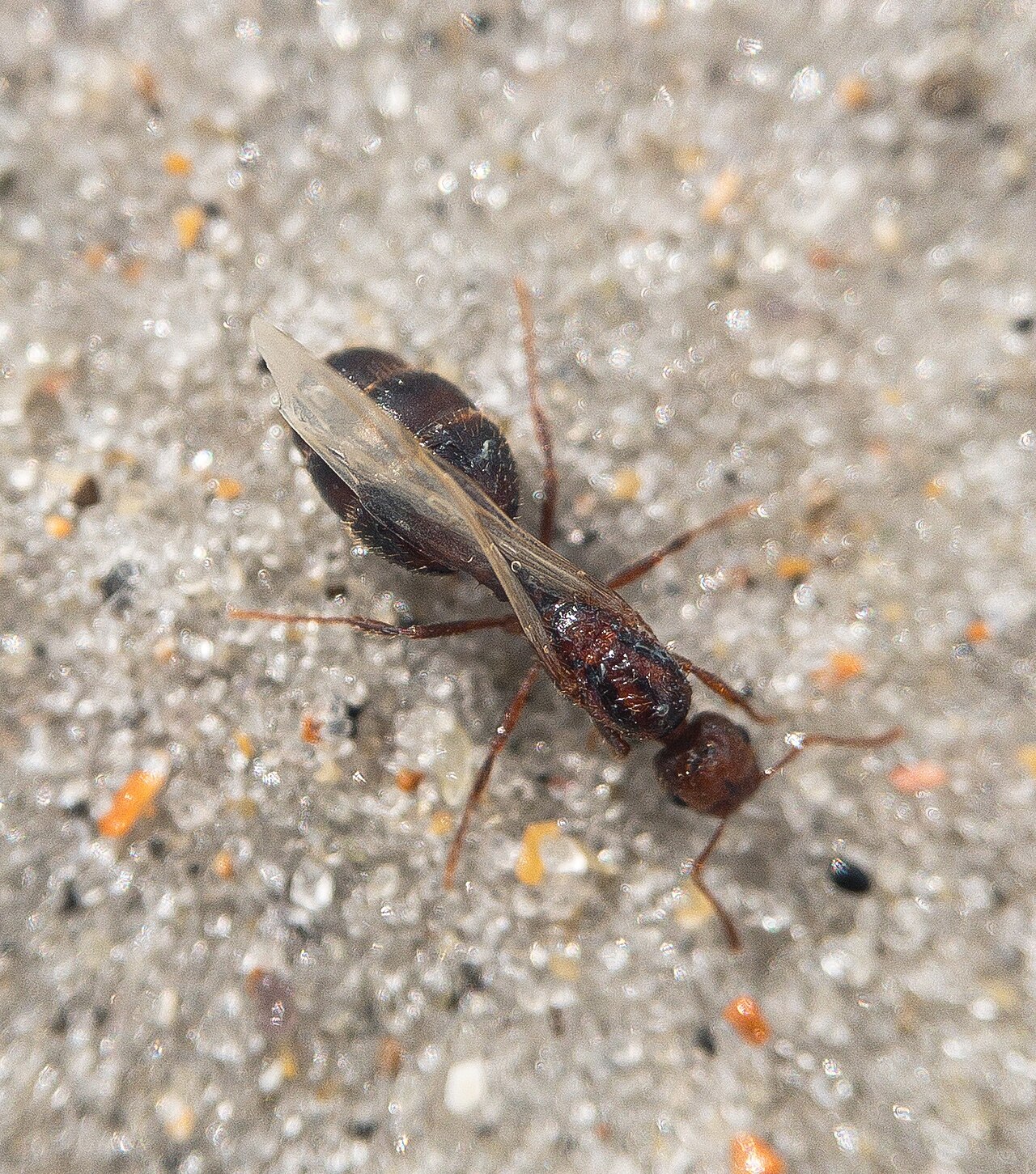
Look for three features: a central puncture point, a red flare 0.2 to 0.6 in (5 to 15 mm) wide, and clustering. Single isolated marks are more often from another insect. Fire ant (Solenopsis invicta) stings burn immediately, swell within an hour and cap with a sterile pustule by the next morning, usually on the ankles after someone steps near a mound.
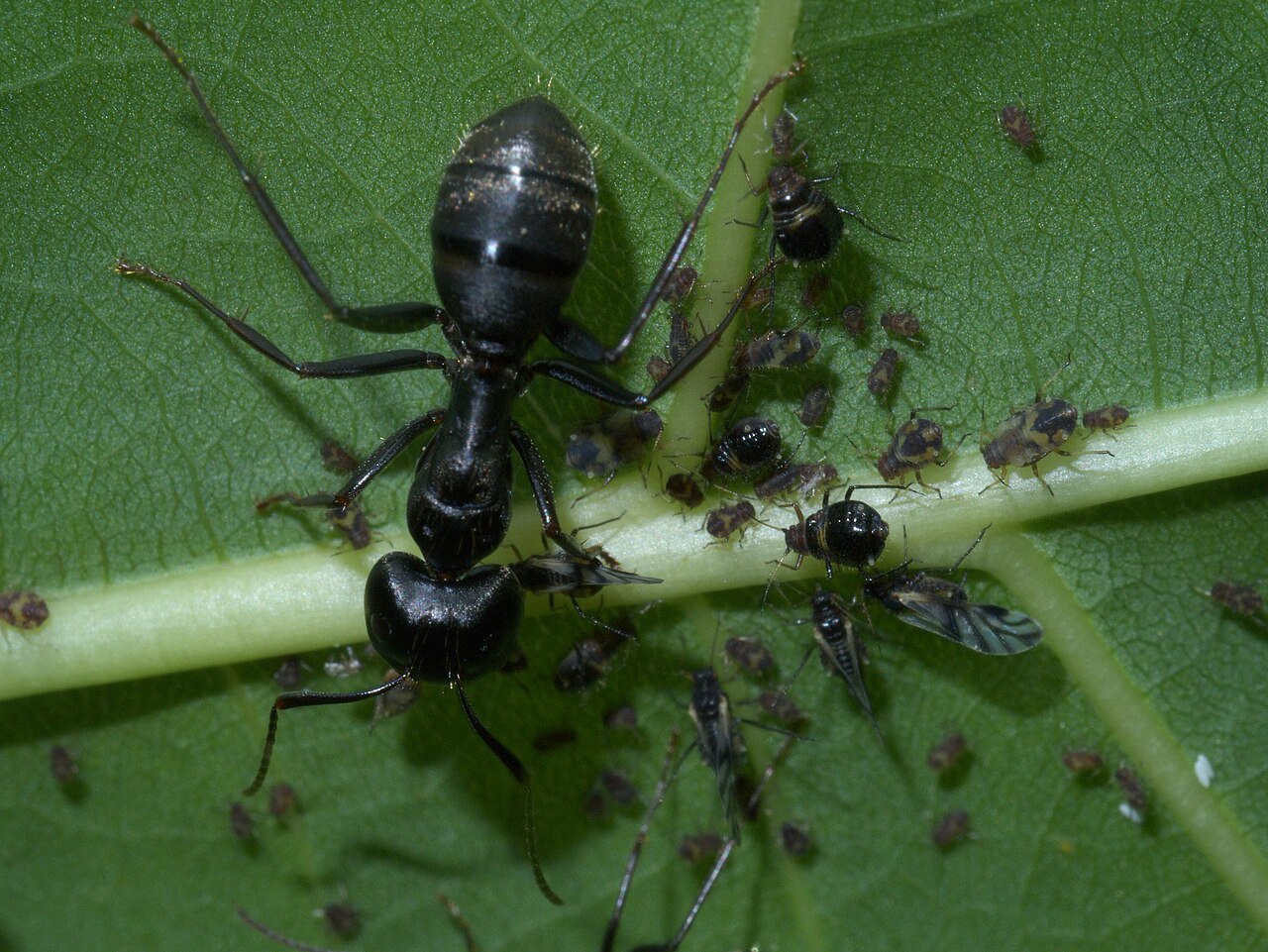
Harvester ants (Pogonomyrmex species) in the Southwest deliver a deep ache lasting hours with far less visible swelling. The black carpenter ant (Camponotus pennsylvanicus) bites with its mandibles and sprays formic acid into the wound, which stings sharply but leaves only a small red mark. See our guide to the carpenter ant bite.
Fire Ant Stings vs Other Ant Bites
| Feature | Fire ant | Carpenter or field ant |
|---|---|---|
| First sensation | Sharp burn, immediate | Pinch, mild |
| Pustule after 24 hours | Yes, white, 0.1 in (2 to 3 mm) | No |
| Pattern | Clusters, arcs, many at once | One or two marks |
| Itch duration | 3 to 10 days | 1 to 2 days |
| Typical location | Feet, ankles, lower legs | Hands, arms |
| Scarring risk | Yes if the pustule is scratched open | Rare |
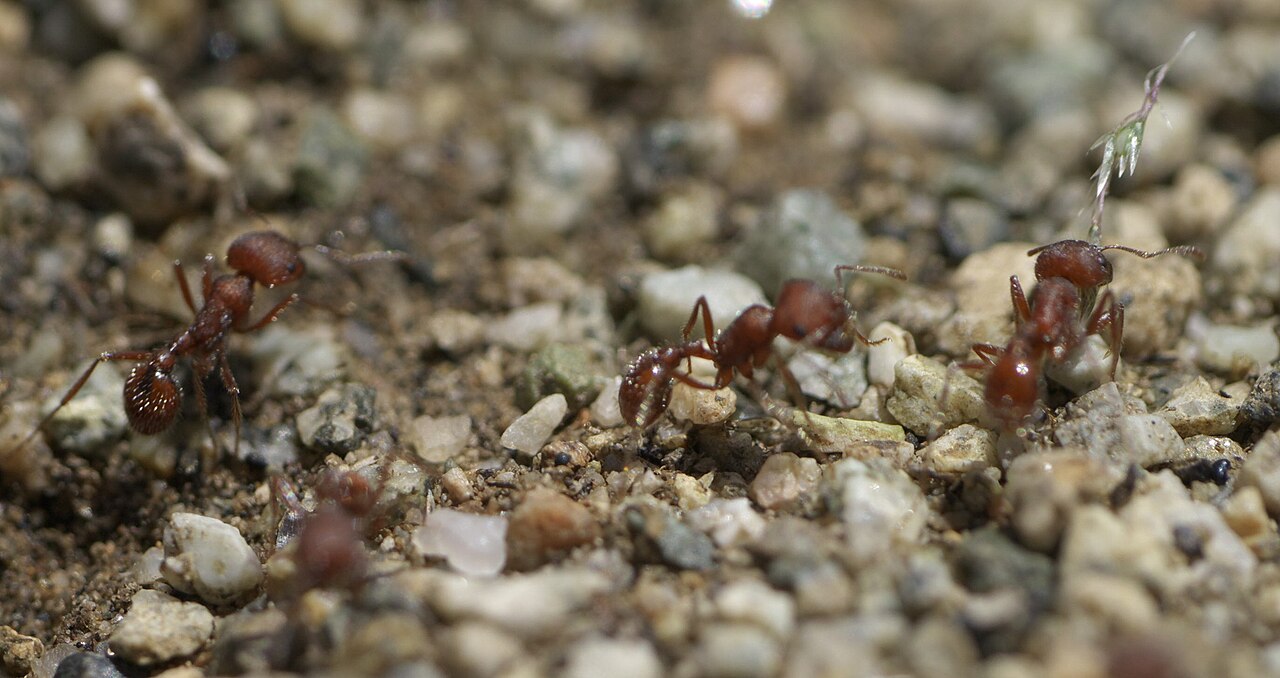
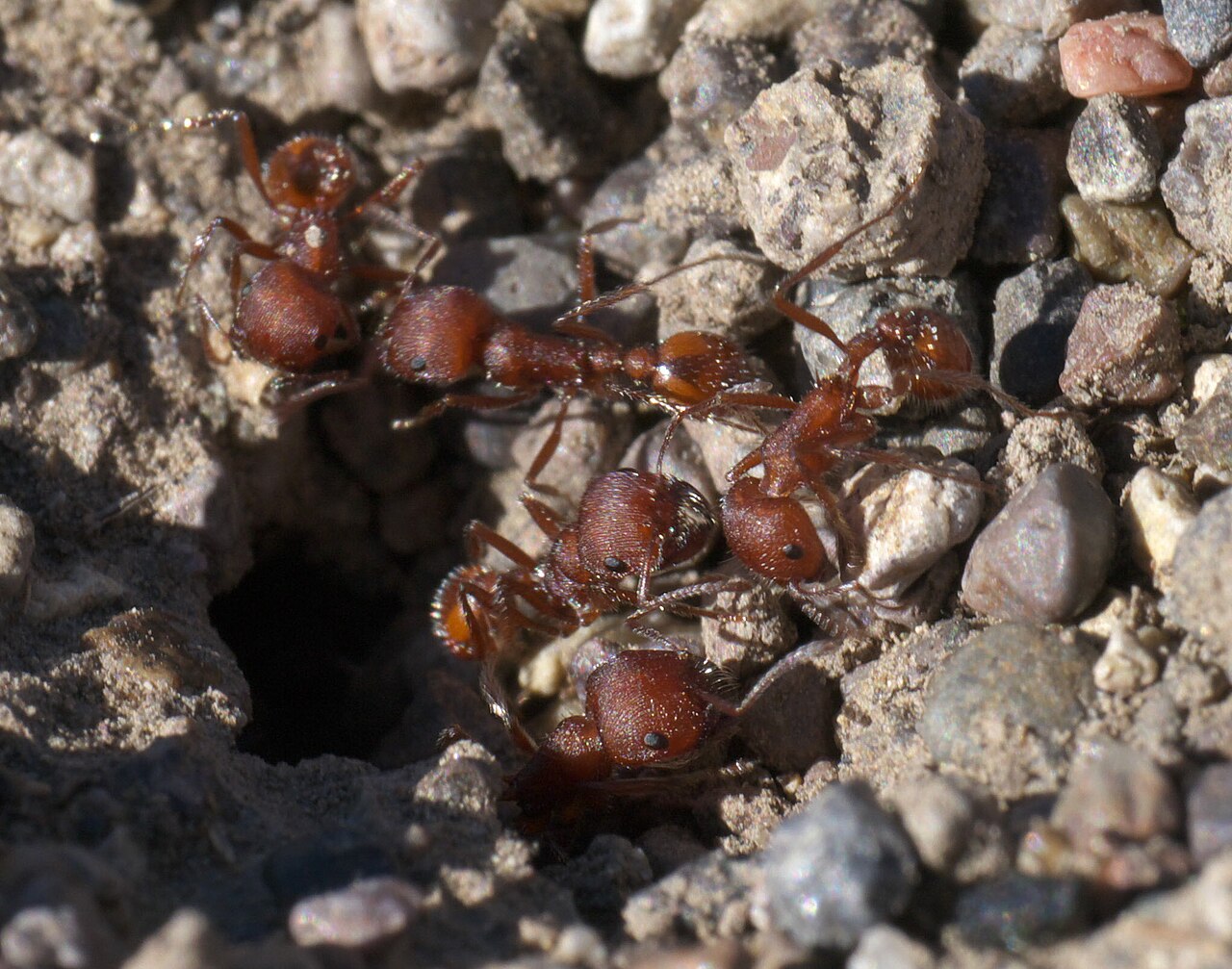
Why do red ants bite? It is defense, not feeding. Fire ants swarm whatever disturbs the mound and sting in unison, which is why victims count dozens of marks instead of one. Both red ants and black ants defend a nest this way, though few genera carry venom strong enough to blister.
What Can Be Mistaken for an Ant Bite?
Flea bites are the most common mix up: small, intensely itchy, also on the lower legs, but with no pustule and often a tiny dark center. Bed bug marks run in lines of three or four on skin covered by bedding rather than on bare ankles, as our guide to bed bug bites shows. A tick bite leaves a single mark, sometimes with an expanding ring, and is painless at the time.
Stinging nettle, spider bites and heat rash also get blamed on ants, and pavement or sugar ants rarely break skin at all, a point covered in our look at whether sugar ants bite.
Treatment and When to Worry About an Ant Bite
The fastest way to get rid of an ant bite is cold plus an antihistamine. Wash with soap and water, ice for 10 to 15 minutes, then use hydrocortisone cream or an oral antihistamine. What calms down fire ant stings most reliably is leaving the pustule intact: it is sterile until opened, and scratching causes the infection and scarring. A red ant bite goes away in 3 to 10 days.
Seek care immediately for hives away from the sting site, swelling of the lips or throat, dizziness or trouble breathing, all signs of a severe allergic reaction. Also see a clinician for spreading warmth and redness after a few days, or for dozens of stings on a small child. Wound and allergy guidance is published by the Mayo Clinic.
Frequently Asked Questions
What happens after an ant bites you?
Expect a sharp sting, redness and swelling within an hour, then itching that peaks on the second day. Fire ant stings add a white pustule after about 24 hours. Most reactions stay local, but a spreading rash, breathing trouble or faintness needs emergency care.
How long does it take for a red ant bite to go away?
The welt flattens in 2 to 3 days and the itch fades within 3 to 10 days. A fire ant pustule crusts over in about a week. Pigment changes where the skin was scratched can take 4 to 8 weeks to clear.
What is the best treatment for red ant bites?
Cold compresses, an oral antihistamine and hydrocortisone cream handle nearly all cases. A baking soda paste or oatmeal soak eases large clusters. Avoid bleach and folk remedies on broken skin, and do not drain the pustule yourself.
Can Benadryl be used to treat ant bites?
Yes. An oral antihistamine such as diphenhydramine is commonly used against itching and swelling from ant stings. Follow the label dose, allow for drowsiness, and check with a pharmacist before giving it to young children.