Yellow Butterfly Symbolism: Spiritual and Biblical Meaning
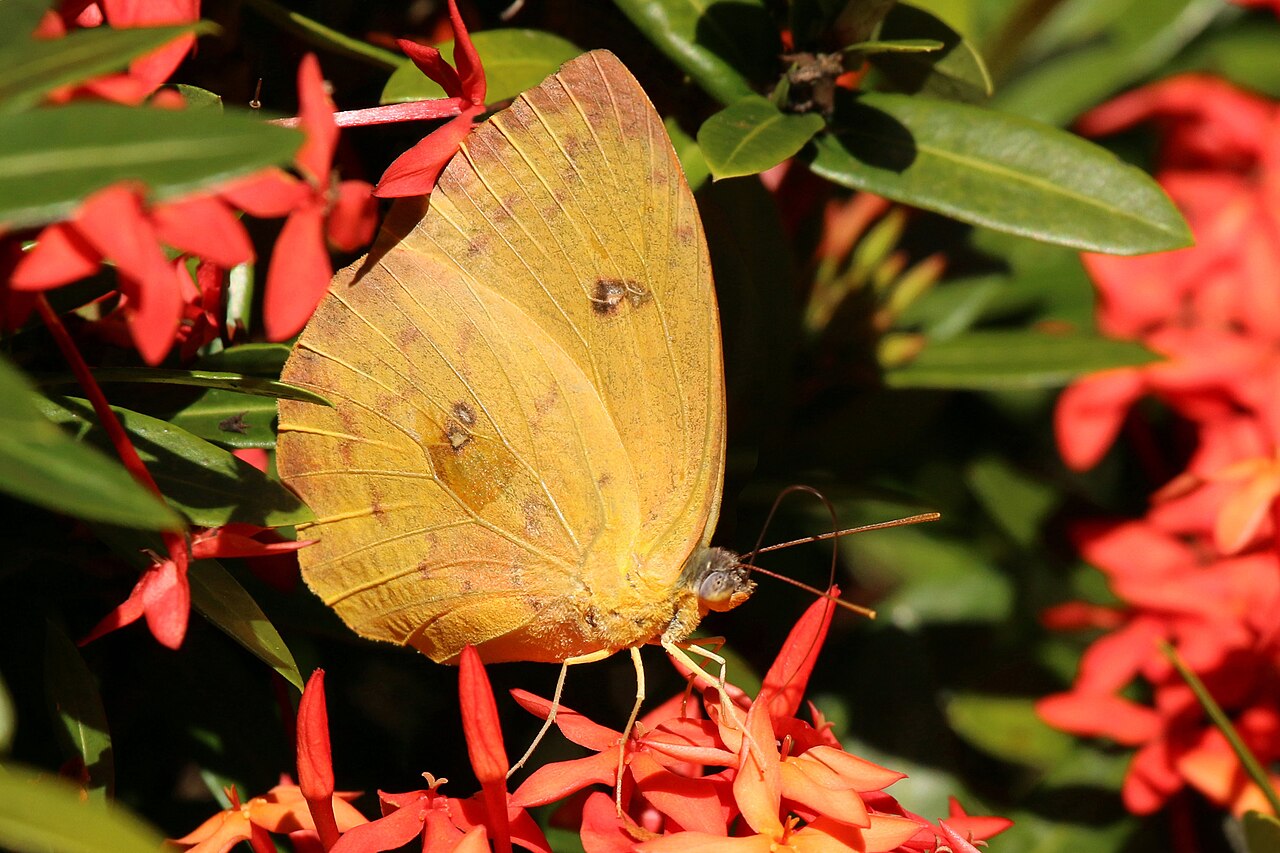
Seeing a yellow butterfly is most often read as a sign of joy, hope and a fresh start, and in Christian tradition as a reminder of resurrection and new life. Yellow butterfly symbolism draws on two things at once: the butterfly’s change from caterpillar to winged adult, and the color of sunlight, gold and ripening grain. In the United States the yellow butterfly in your yard is usually a cloudless sulphur (Phoebis sennae), a clouded sulphur (Colias philodice) or an eastern tiger swallowtail (Papilio glaucus), and all three show up in the months when gardens are at their brightest.
None of what follows is fact about the insect. These are beliefs and interpretations from named traditions, and the Bible itself never mentions a butterfly by name. What the traditions share is a reading of the yellow butterfly as a good sign that asks something small of you: notice it, and let the moment land.
A yellow butterfly symbolizes joy, hope, guidance and a new beginning. In Christian tradition it stands for resurrection, with yellow as the color of divine light. In Native American, Irish and East Asian folklore it is tied to dreams, departed souls and good fortune. Most readers take a yellow butterfly as a message that a hard season is ending.
| Situation | Common interpretation | What is usually happening |
|---|---|---|
| Yellow butterfly in your garden | Blessing on the home, prosperity coming | Sulphurs nectaring on zinnias, lantana or clover |
| Yellow butterfly at your window | A message trying to reach you | Butterfly drawn to light or reflected flowers |
| Yellow butterfly inside the house | Good news or a visitor on the way | Came in through an open door, wants out |
| Yellow butterfly at night | Guidance in a dark time | Almost always a yellow moth, not a butterfly |
| Seeing yellow butterflies repeatedly | Confirmation you are on the right path | Sulphurs patrol the same flowers for weeks |
| Finding a dead yellow butterfly | End of a cycle, a letting go | Adults live a few weeks, death is normal |
| Yellow butterfly in a dream | Creativity, a hidden wish, a loved one’s comfort | Dream symbolism, personal to the dreamer |
What Does a Yellow Butterfly Symbolize?
A yellow butterfly symbolizes happiness, optimism and the kind of hope that follows a hard stretch. Across cultures the butterfly is the animal of transformation, since it spends part of its life as a crawling caterpillar and then emerges winged from the chrysalis. Add the color yellow, which Western color symbolism links to the sun, warmth and the mind, and you get a creature that stands for a bright change you can feel.
In love, yellow butterfly symbolism points to a light, joyful stage rather than deep passion. Couples who see one together often read it as a sign that the relationship is in a growing phase. People going through grief read it the other way around, as a departed loved one checking in with cheer rather than sorrow. The common thread is lightness, which is why the yellow butterfly rarely gets the ominous readings attached to black or brown ones.
Yellow Butterfly Meaning in the Bible and Christianity
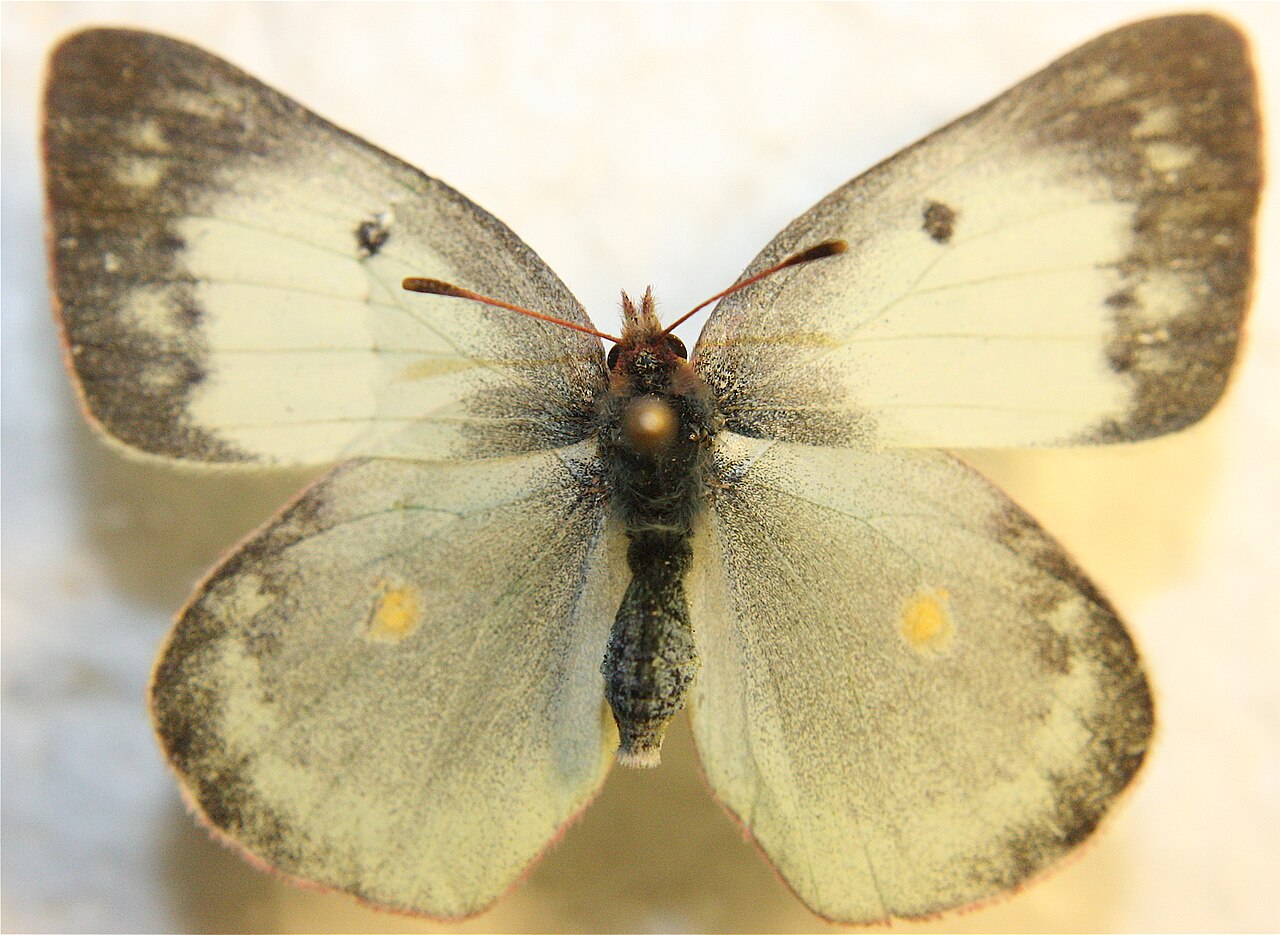
In Christian tradition the butterfly is a symbol of the resurrection, and a yellow one adds the color of divine light. The link is old and visual rather than scriptural. Early Christians saw the caterpillar as earthly life, the chrysalis as the tomb and the emerging butterfly as the risen Christ. For that reason butterflies appear in Easter art, on church banners and in Renaissance paintings of the Christ child, where a butterfly in his hand foreshadows Easter morning.
Yellow and gold carry their own weight in Christian art. Gold leaf halos and yellow robes marked holiness and the glory of heaven, so a yellow butterfly combines the two most hopeful symbols the tradition has. Christians today often describe a yellow butterfly at a funeral or graveside as a sign that God has sent comfort. When God sends you a butterfly, in that reading, the message is that death is not the end of the story.
Many believers also tie yellow butterflies to specific verses about transformation, especially 2 Corinthians 5:17 on becoming a new creation and Romans 12:2 on being transformed by the renewing of the mind. The butterfly is not in the text, but it has become the everyday picture of what those verses describe.
Yellow Butterfly Symbolism in Native American Traditions
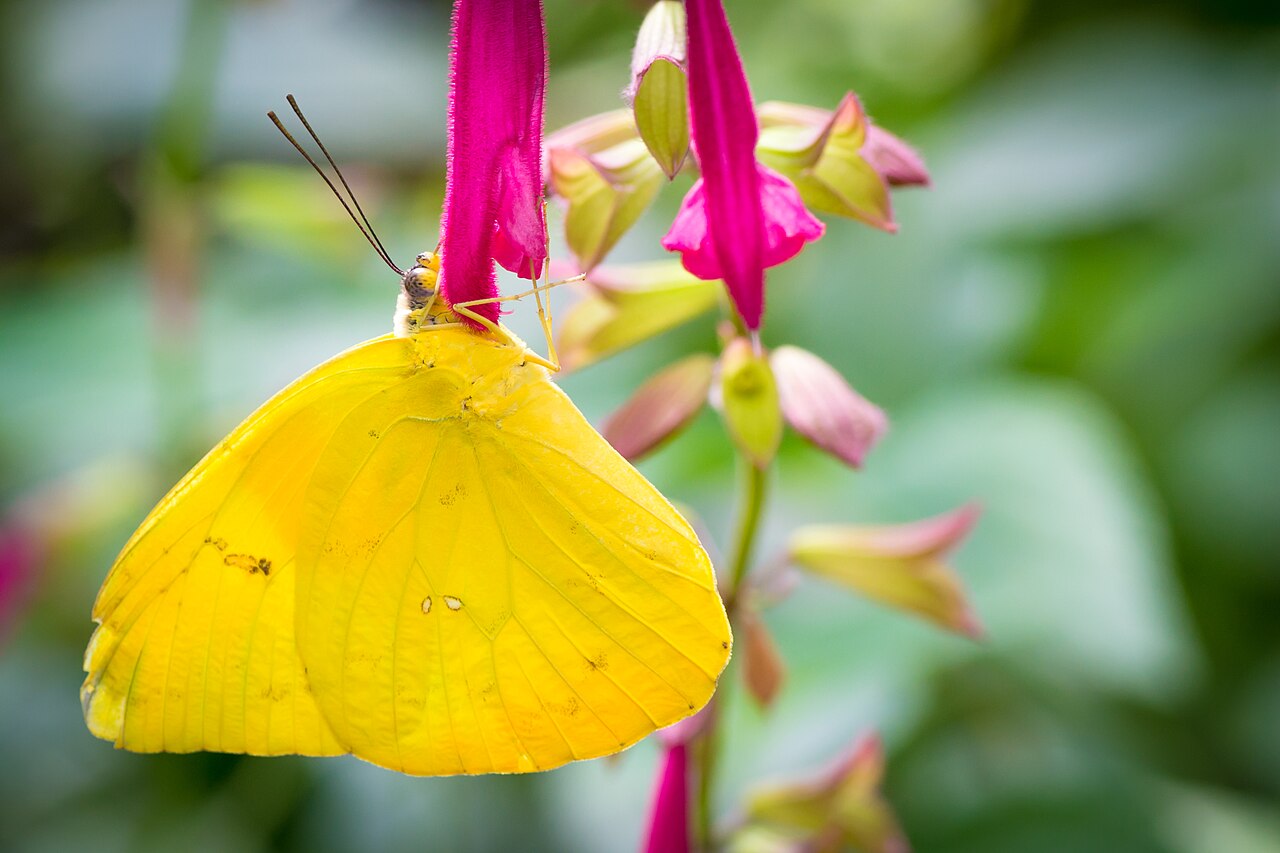
In several Native American traditions the butterfly is a bringer of dreams, change and joy, and yellow adds the meaning of the sun and the east. In Blackfoot tradition the butterfly carries sleep and dreams, and mothers embroidered a butterfly design on a scrap of buckskin tied into a baby’s hair to help the child sleep. In Hopi tradition the Butterfly Maiden, Polik-mana, is danced in late summer to bring rain and a good harvest, and the Butterfly Dance is one of the most watched social dances of the year.
Yellow butterflies in particular are often read through the medicine wheel, where yellow marks the east, dawn and new beginnings in many Plains teachings. A yellow butterfly in that frame is a morning sign, a nudge to begin something. These are living traditions with real differences between nations, so treat any single meaning as one community’s teaching rather than a pan-Indian rule. For a closely related question, see our guide to cricket spiritual meaning. For a closely related question, see our guide to cricket spiritual meaning. For a closely related question, see our guide to cricket spiritual meaning.
Celtic, Irish and Scottish Folklore
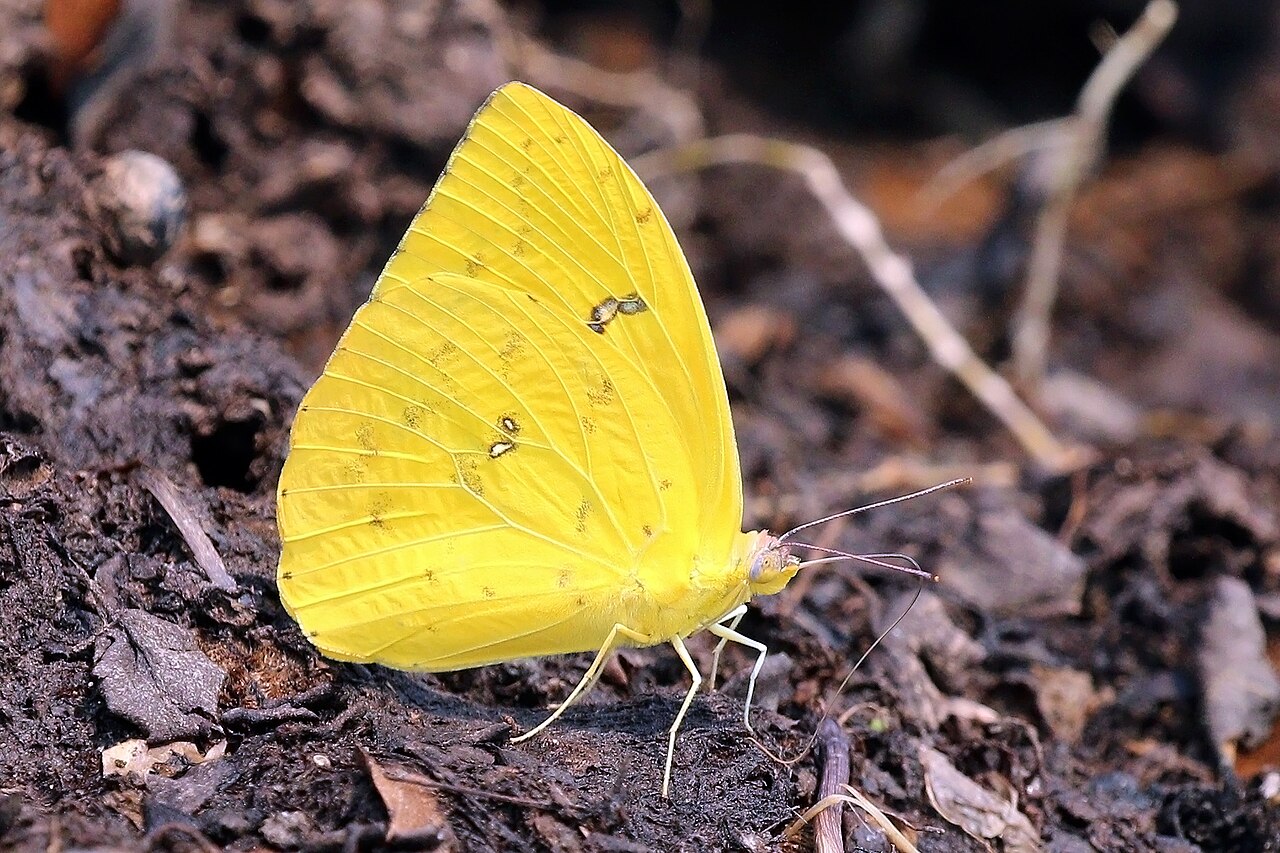
In Irish and Scottish folklore butterflies were souls, and a bright one near the dying or the dead was a comforting sign. Irish tradition held that a butterfly could be the soul of a departed person waiting to pass over, and older stories warned against harming one for that reason. The Gaelic word for butterfly, dealan-dé, can be read as “fire of God” or “brightness of God,” which fits the yellow butterfly better than any other color.
One Scottish folk belief holds that a golden or yellow butterfly seen near a grave means the soul of the person buried there is at peace in heaven. Welsh and Cornish stories tie butterflies to fairies and to the thin places between worlds. A yellow butterfly in that world view is a messenger from the other side who means you well.
East Asian Meanings: China and Japan
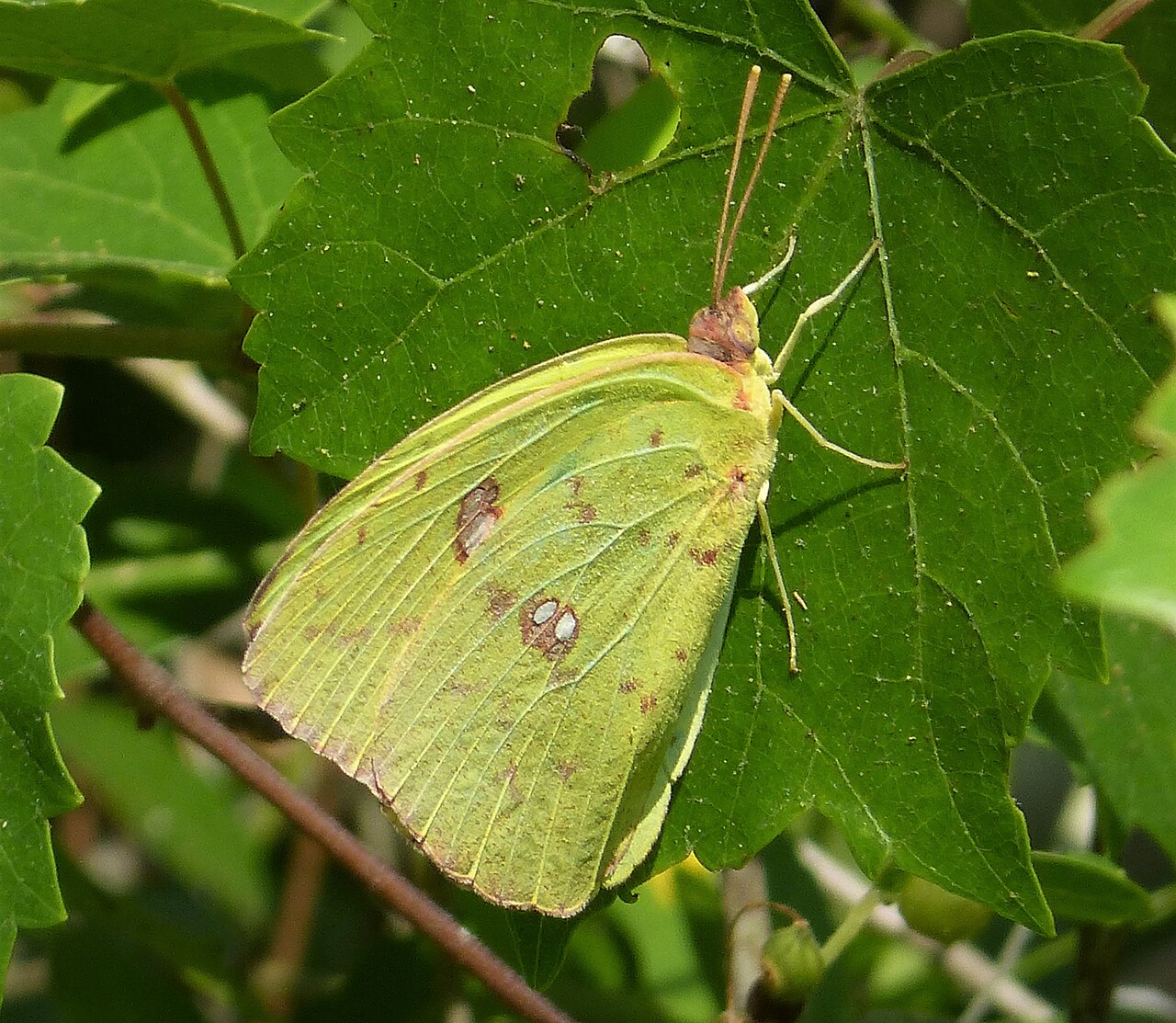
In Chinese tradition the butterfly stands for love, long life and the soul, and yellow was the color of the emperor. The philosopher Zhuangzi’s famous dream of being a butterfly made the insect a symbol of the soul’s freedom and of the thin line between dream and waking life. Two butterflies together stand for young love and a happy marriage, which is why pairs of butterflies appear on wedding gifts and embroidery.
Yellow carried imperial and earth-element meaning in China, so a yellow butterfly combines freedom of spirit with honor and prosperity. In Japanese tradition the butterfly, chō, also represents the soul and young womanhood, and a pair of paper butterflies decorates the sake flasks at a Shinto wedding. A single butterfly entering a room is read in both countries as a visit from a departed relative or an honored guest arriving.
Yellow Butterfly as Spirit Animal, Totem and Omen
As a spirit animal the yellow butterfly is said to show up for people who have done the inner work and are ready to come out of a long, quiet season. In the modern spirit animal framework, which borrows loosely from Native American totem ideas, it stands for lightness, creativity and the courage to be seen. The butterfly spirit animal is often paired with the sun and with the solar plexus chakra, the yellow energy center in the Hindu-derived chakra system that governs confidence and personal power.
People who claim the yellow butterfly as a totem describe themselves as cheerful, restless and quick to adapt. As an omen the yellow butterfly is almost always read as good. The one cautious reading comes from yellow’s secondary meaning in Western color symbolism, where it marks caution and jealousy, so a few interpreters take a yellow butterfly as a reminder to check your motives. Most do not.
Yellow Butterfly in Your Garden or Yard
A yellow butterfly in your garden is usually read as a blessing on the home and a sign that prosperity or good news is on the way. Gardeners often take the first sulphur of the season as the real start of summer. In folk readings from the American South a yellow butterfly in the yard means fair weather and a good crop, a memory of the fact that sulphurs swarm over clover and alfalfa fields in a good year.
Ecologically the butterfly is responding to nectar and host plants, not to you, which makes it a sign you can earn. Cloudless sulphurs lay eggs on partridge pea and wild senna and feed at tubular red and orange flowers, and the U.S. Fish and Wildlife Service lists butterflies among the pollinators that native plantings support. The same logic applies to the bee as a symbol of the busy, blessed household. If you want the sign, plant for it.
Yellow Butterfly at Your Window, Inside the House or at Night
A yellow butterfly at your window is read as a message trying to get in, and one inside the house as good news or a visitor on the way. In Irish and Appalachian folklore a butterfly entering the house meant a guest would soon follow. Many people who have recently lost someone read a yellow butterfly at the window as that person letting them know they are all right.
A yellow butterfly at night is a different matter, because butterflies rest after dark. What you saw at the porch light was almost certainly a moth, perhaps an imperial moth or a yellow underwing, and moths carry their own folklore about the departed and about secrets. If a yellow butterfly is indoors in daylight, it came through an open door and is pressing against the brightest window. Open that window wide and it will leave on its own within a few minutes.
Seeing Yellow Butterflies Repeatedly
Seeing yellow butterflies again and again is usually read as confirmation that you are on the right path, or as a loved one staying close during a change. People describe it as the sign following them: on the drive to work, at lunch, in the parking lot. Spiritual writers call this synchronicity and suggest noting what you were thinking about each time.
There is also a plain reason. Sulphurs are among the most abundant butterflies in the United States from midsummer into fall, and males patrol the same stretch of flowers for weeks. In the Southeast, cloudless sulphurs migrate south in late summer along roads and field edges, so a commuter can see dozens a day. Repeated sightings and a real message are not mutually exclusive. The folklore simply asks that you pay attention, and the insect makes paying attention easy.
Finding a Dead Yellow Butterfly
Finding a dead yellow butterfly is read as the end of a cycle rather than a bad omen: something joyful has run its natural course and is making room for the next thing. Because the butterfly already stands for transformation, its death doubles the meaning. In Christian readings a dead butterfly still points to resurrection, since the creature has already lived two lives.
Adult sulphurs and swallowtails live for a few weeks in summer, so a dead one on the patio in August is simply a butterfly at the end of a full life. Many people keep the wings in a frame or press them in a journal as a memento. If you find one on a windowsill indoors, it most likely died trying to reach the light, which is one more reason to open the window for the next one.
Yellow Butterfly in a Dream
A yellow butterfly in a dream is commonly interpreted as creativity, a wish you have not admitted to yourself or a visit from someone you have lost. Dream dictionaries from the Victorian era onward treat the butterfly as the soul and yellow as intellect and sunshine, so the combined image is read as an idea ready to take flight. A butterfly that lands on you in the dream is taken as acceptance or blessing.
Dreams of chasing a yellow butterfly that stays out of reach are read as a goal you keep postponing. A swarm of them points to a season of small pleasures. Psychologists in the Jungian tradition read the butterfly as the psyche itself, since the Greek word psyche means both soul and butterfly, and would ask what in your waking life is in a chrysalis stage.
Which Yellow Butterflies You Are Actually Seeing
In the United States a yellow butterfly is almost always a sulphur or a swallowtail, which makes the sighting common rather than rare. The yellow butterflies you see in US yards are led by the cloudless sulphur, the clouded sulphur and the orange sulphur (Colias eurytheme), all small, fast and bright lemon yellow. They fly from spring through the first frosts and are abundant over lawns with clover.
The eastern tiger swallowtail is the large yellow butterfly with black stripes and is the state butterfly of several states. If yours was big and striped, our guide to the yellow and black butterfly will narrow it down, and if it was black with faint markings it may still be a tiger swallowtail, since some females are dark. Seeing a yellow butterfly is therefore an everyday event in most of the country. What is rare is a yellow butterfly in winter outside Florida, Texas and southern California, so a yellow butterfly in January in Ohio would be a genuinely unusual sign.
Related reading: Yellow Jacket Symbolism.
Frequently Asked Questions
What do butterflies symbolize in spirituality?
In spirituality butterflies symbolize transformation, the soul and rebirth, because the insect passes through egg, caterpillar, chrysalis and winged adult. The ancient Greeks used one word, psyche, for both soul and butterfly. Color adds a layer: yellow reads as joy, white as purity and angels, and blue as rare luck.
When God sends you a butterfly, what does it mean?
When God sends you a butterfly, in Christian folk belief, it means comfort, a reminder of resurrection or an answer to a prayer about someone who has died. A yellow one is often read as a sign of heaven’s light. There is no verse about this, so believers treat it as personal reassurance rather than doctrine.
Is a butterfly a message from heaven?
Many grieving people believe a butterfly is a message from heaven, especially one that appears at a funeral, on an anniversary or at a grave. The belief appears in Irish, Mexican, Japanese and Christian folk traditions, and the Purépecha of Michoacán link the monarchs arriving around November 1 to returning souls. Treat it as belief, not evidence.
What do butterflies symbolize after someone dies?
After a death, butterflies symbolize the soul freed from the body and the hope of reunion. Hospices and grief groups often use a butterfly as their emblem and hold butterfly releases at memorials. A yellow butterfly in the weeks after a loss is commonly read as the loved one saying they are at peace and want you to be happy.
Why are butterflies warning signs?
Butterflies are read as warning signs mainly when they are dark, appear indoors at odd times or turn up in a dream in distress. Philippine folklore treats a black butterfly in the house as news of a death, and some color readings tie yellow to caution. A yellow butterfly outdoors in daylight is almost never read as a warning.
What is the spiritual meaning of a black butterfly?
A black butterfly spiritually means endings, mourning and deep change, and in Philippine and some Latin American folk belief it foretells or announces a death in the family. Some readers see it as protection during a dark passage. In the US a large black butterfly is usually a dark female tiger swallowtail or a black swallowtail (Papilio polyxenes).