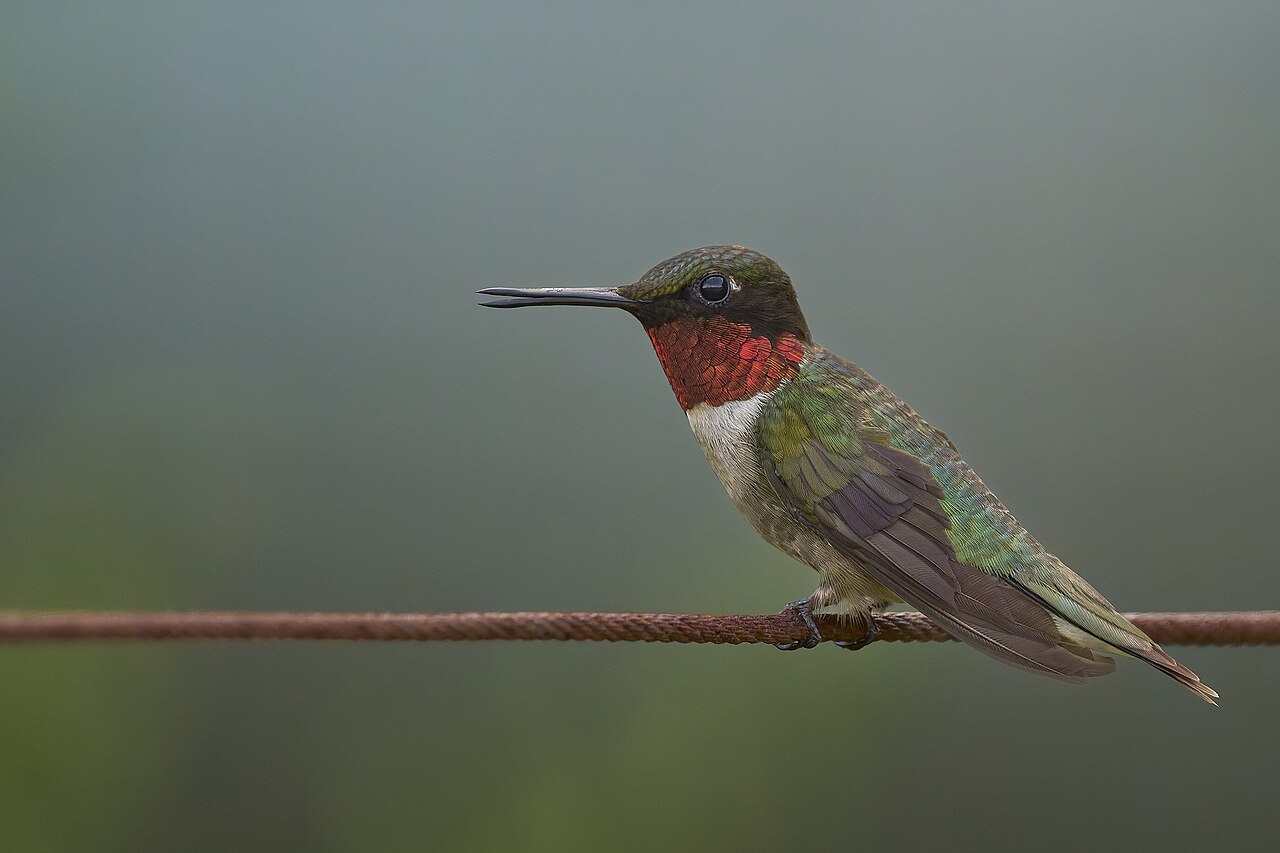
What Does It Mean When You See a Hummingbird?
Seeing a hummingbird is widely believed to be a positive sign of joy, luck, love, and healing, often carrying a message to embrace happiness and live fully in the present. Because hummingbirds are so small, swift, and dazzling, a close encounter with one can feel almost magical, and many people interpret it as a meaningful spiritual moment or even a visit from a loved one. This guide covers what it means when you see a hummingbird, the spiritual meaning, common situations, cultural beliefs, and whether a hummingbird is a good omen.
| Situation | Common Meaning |
|---|---|
| A hummingbird visits you | Joy, luck, positive energy |
| It hovers near you | A message or connection |
| After a loss | A visit from a loved one |
| Repeated sightings | Encouragement and hope |
| In your garden | Good fortune and healing |
What Does It Mean When You See a Hummingbird?
Seeing a hummingbird is generally regarded as a positive and uplifting sign, most often associated with joy, luck, love, and healing. Because hummingbirds radiate energy and beauty, their appearance is widely interpreted as a message to embrace happiness, stay positive, and find lightness even in difficult times. Many people see the hummingbird as a reminder to live fully in the present moment and to savor the sweetness of life, reflecting the bird’s constant, vibrant activity. A hummingbird sighting can also be read as a sign of good luck, love, or healing on the way, and for some it feels like a moment of connection with the spiritual world. The specific meaning often depends on your circumstances and what you are going through, but the overall message of a hummingbird is overwhelmingly positive. For deeper meanings, see our guide to hummingbird symbolism.
The Spiritual Meaning of Seeing a Hummingbird
Spiritually, seeing a hummingbird is often interpreted as a message of joy, resilience, and positive energy. The hummingbird is thought to carry a reminder to appreciate the present, to seek out happiness, and to approach life with lightness and optimism, no matter how small or fleeting the good moments may seem. Because hummingbirds are remarkably resilient despite their tiny size, migrating and surviving against great odds, a sighting can also be a spiritual encouragement to persevere and to trust in your own strength. Some believe a hummingbird brings healing energy or signals that a difficult time is lifting. For those who have lost someone, a hummingbird’s visit is sometimes felt to be a comforting sign from a loved one. As with all such signs, the meaning is personal, and the interpretation that resonates with your own life and feelings is the one most worth holding onto.
Common Hummingbird Sightings and Their Meanings
The meaning of a hummingbird sighting can vary depending on how and when it appears. A hummingbird that visits your garden or feeder is often seen as a sign of good fortune, joy, and positive energy entering your life, as covered in our guide to attracting them in the hummingbird guide. A hummingbird that hovers close to you, seeming to pause and look at you, is frequently interpreted as a meaningful message or a moment of connection, encouraging you to pay attention. Seeing hummingbirds repeatedly may be read as ongoing encouragement, a reminder to stay positive and hopeful. Encountering a hummingbird after the loss of a loved one is often felt to be a comforting visit or message from them. And simply spotting a hummingbird unexpectedly can feel like a small moment of magic and a nudge to appreciate the beauty around you, much like the meaning people find in seeing a cardinal.
Hummingbird Beliefs Across Cultures
Hummingbirds carry rich meaning in cultures across the Americas, where these birds are native. In many Native American traditions, the hummingbird is regarded as a bringer of joy, love, and good luck, and it is sometimes associated with healing and with bringing rain or renewal. Some cultures saw the hummingbird as a messenger or as a symbol of beauty, lightness, and the enjoyment of life. Because hummingbirds are found only in the Americas, they hold a special place in the folklore of the regions where they live, and they were often admired for their beauty, energy, and seemingly magical flight. Across these traditions, the hummingbird consistently represents positive things, joy, love, healing, and good fortune. This widespread positive symbolism is a major reason seeing a hummingbird is so often interpreted as a happy and meaningful sign.
Is Seeing a Hummingbird a Good Omen?
Yes, seeing a hummingbird is almost always considered a good omen. Across cultures and belief systems, the hummingbird is overwhelmingly associated with positive things, joy, luck, love, healing, and positive energy, so its appearance is typically welcomed as an uplifting and hopeful sign. Unlike some birds that carry mixed or ominous symbolism, the hummingbird’s meaning is consistently bright and encouraging. Whether you interpret a hummingbird sighting as a spiritual message, a sign of good fortune, a comforting visit from a loved one, or simply a beautiful and joyful encounter with nature, it is generally a positive experience to treasure. The hummingbird’s dazzling energy and beauty naturally lift the spirits, which is a big part of why it is seen as such a fortunate and meaningful bird to encounter, alongside other uplifting birds such as the many symbolic birds people cherish.
The Real Hummingbird Behind the Sign
The hummingbird’s uplifting symbolism is rooted in the genuinely astonishing nature of these tiny birds. According to the Cornell Lab of Ornithology, hummingbirds are remarkable fliers, able to hover in place and even fly backward, with wings that beat many times per second and hearts that race at an extraordinary rate. Despite their tiny size, many hummingbirds migrate impressive distances each year, a feat of endurance that seems almost impossible for such small creatures. This combination of dazzling energy, jewel-like beauty, and against-the-odds resilience is exactly why a hummingbird sighting feels so special and is so widely read as a sign of joy, positive energy, and perseverance. Understanding the real hummingbird deepens the meaning people find in it, since this vibrant, resilient little bird genuinely embodies the joy and strength its sightings are believed to represent, much like the comfort people find in seeing a robin.
The Hummingbird as a Spirit Animal
Beyond individual sightings, many people connect with the hummingbird as a spirit animal, and its meaning aligns closely with what a sighting represents. As a spirit animal, the hummingbird embodies joy, resilience, adaptability, and living fully in the present moment. Those who feel drawn to the hummingbird are often energetic, optimistic, and able to find sweetness and delight in life, and the hummingbird spirit encourages savoring the present, staying positive through challenges, and approaching life with lightness and flexibility. Its ability to hover and change direction in an instant is a reminder to remain adaptable and to move nimbly through life’s changes. Whether or not spirit-animal ideas resonate with you, these meanings grow from the hummingbird’s genuine energy and resilience, the same qualities that make seeing one feel so uplifting and full of positive meaning.
Seeing a Hummingbird and Living in the Present
One of the most cherished meanings behind a hummingbird sighting is the reminder to live fully in the present moment. Because hummingbirds move so quickly and are gone in a flash, glimpsing one encourages you to pause and appreciate the beauty of right now, before the moment passes. This connects to the hummingbird’s broader symbolism of joy and savoring life’s sweetness, since these birds spend their days seeking out nectar and delight. Many people take a hummingbird encounter as a gentle nudge to slow down internally even amid a busy life, to notice the good around them, and to find happiness in small, fleeting pleasures. In a world that often pulls attention toward past regrets or future worries, the hummingbird’s brief, brilliant visit is a beautiful invitation to be present, grateful, and open to joy.
Related reading: what do hummingbirds eat.
Related reading: Female Hummingbird.
Frequently Asked Questions
What does it mean when you see a hummingbird?
Seeing a hummingbird is generally a positive sign of joy, luck, love, and healing, often carrying a message to embrace happiness, stay positive, and live in the present.
What is the spiritual meaning of seeing a hummingbird?
Spiritually, a hummingbird represents joy, resilience, and positive energy, a reminder to appreciate the present, persevere, and approach life with lightness and hope.
Is seeing a hummingbird good luck?
Yes, seeing a hummingbird is almost always considered good luck. It is overwhelmingly associated with joy, love, healing, and good fortune across many cultures.
What does it mean when a hummingbird visits you?
A hummingbird visiting you is often read as a sign of joy and positive energy, and if it hovers close, as a meaningful message or moment of connection to notice.
Is a hummingbird a sign from a loved one?
Many people believe a hummingbird’s visit after a loss may be a comforting sign or message from a departed loved one. Such meanings are personal and vary by belief.
What do hummingbirds mean in Native American culture?
In many Native American traditions, the hummingbird is a bringer of joy, love, and good luck, sometimes linked to healing and renewal, and admired for its beauty and energy.
Is seeing a hummingbird a good omen?
Yes, seeing a hummingbird is almost always a good omen, consistently associated with joy, luck, love, healing, and positive energy across cultures and belief systems.