Female Oriole: Identification Guide
The female oriole is a warm yellow-orange bird with olive tones and white wingbars, much duller than the brilliant flame-orange and black male. Most often the female Baltimore oriole, she can be surprisingly variable and is easy to confuse with other yellowish birds. This guide covers what a female oriole looks like, how she differs from the male, how to identify her, her behavior and nesting, and where and when to see her.
| Feature | Female Oriole |
|---|---|
| Color | Yellow-orange, olive tones |
| Back | Brownish-olive |
| Wings | Grayish with white wingbars |
| Bill | Long and pointed |
| Overall look | Duller than the male |
What Does a Female Oriole Look Like?
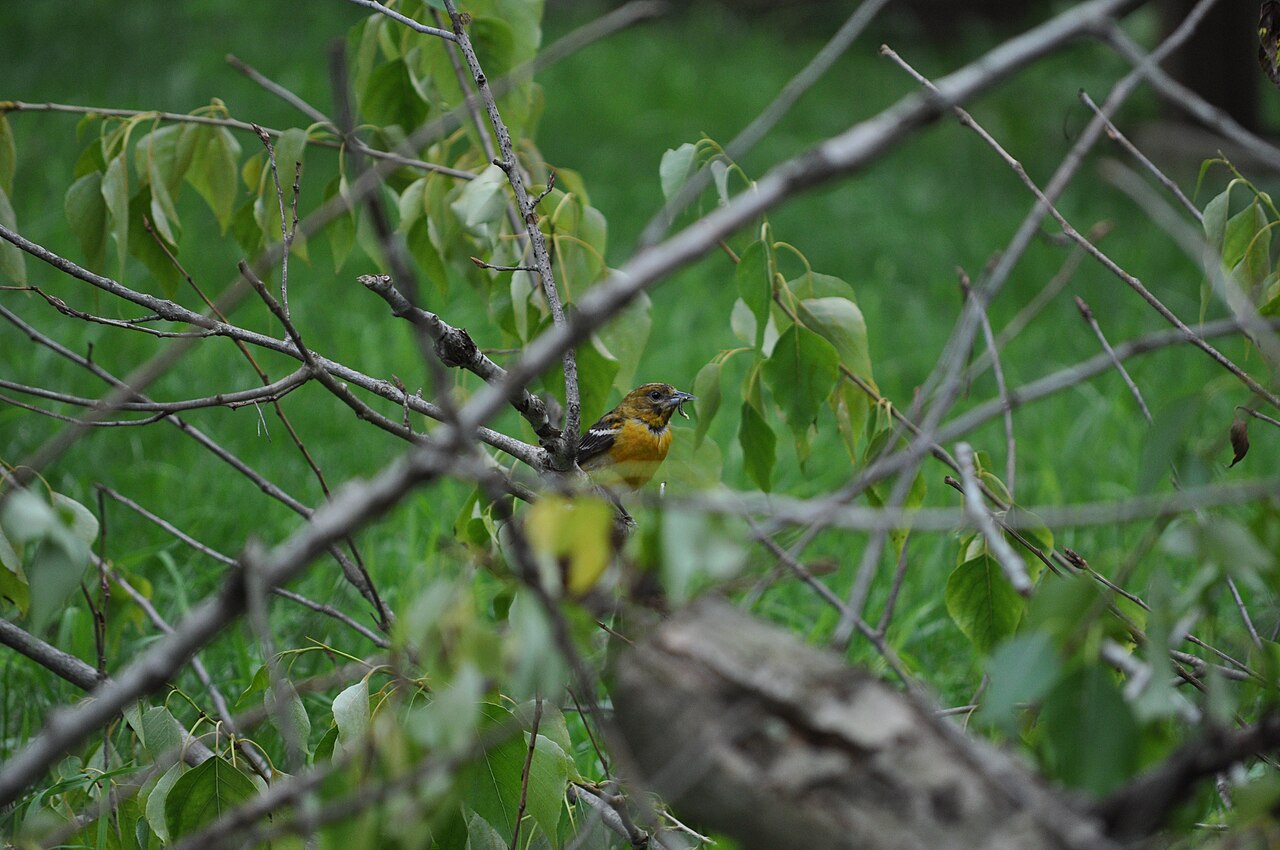
A female oriole, most often the female Baltimore oriole, is a warm-toned bird in shades of yellow to yellow-orange, far more subdued than the dazzling male. Her back is typically brownish-olive, her underparts range from yellowish to soft orange, and her grayish wings show pale or white wingbars. Some females are relatively dull and yellowish, while older or brighter individuals can show richer orange, so there is real variation from bird to bird. She has the oriole’s characteristic slender shape and long, pointed bill, well suited to feeding on insects, fruit, and nectar. Overall, the female presents a gentler, more muted version of the oriole’s colors, without the male’s bold black hood. This warm but understated coloring, along with the white wingbars, is key to recognizing her, as covered in our guide to backyard birds.
Female vs Male Oriole
The difference between female and male orioles is striking, especially in the Baltimore oriole. The male is unmistakable, with brilliant flame-orange underparts and a solid black head, back, and wings, making him one of the most vivid birds in North America. The female, by contrast, lacks the black hood entirely and is much duller, in yellow-orange and olive-brown tones with white wingbars, giving her a softer, more camouflaged look. Young males can resemble females before they gain their full adult colors, which adds to the potential for confusion. The clearest way to separate the sexes is the male’s bold black-and-orange pattern versus the female’s warm but muted, olive-tinged plumage. Seeing the two together makes the contrast obvious, with the male blazing orange and the female a gentle yellow-orange.
How to Identify a Female Oriole
Identifying a female oriole means recognizing her warm yellow-orange coloring and slender shape while ruling out similar birds. Look for the combination of yellowish to orange underparts, an olive-brown back, grayish wings with white wingbars, and a long, pointed bill. Her overall warm but muted appearance, without a black hood, points to a female oriole. Be aware of possible mix-ups: female or immature orchard orioles are smaller and more greenish-yellow, other oriole species overlap in some regions, and some tanagers and warblers can look superficially similar. Behavior and feeding habits help, since orioles often feed high in trees and readily visit oranges, jelly, and nectar feeders. Noting the wingbars, the warm color, and the pointed bill makes identification much more reliable, a satisfying skill for anyone offering fruit or nectar as described in our guide to attracting birds.
Female Oriole Behavior and Nesting
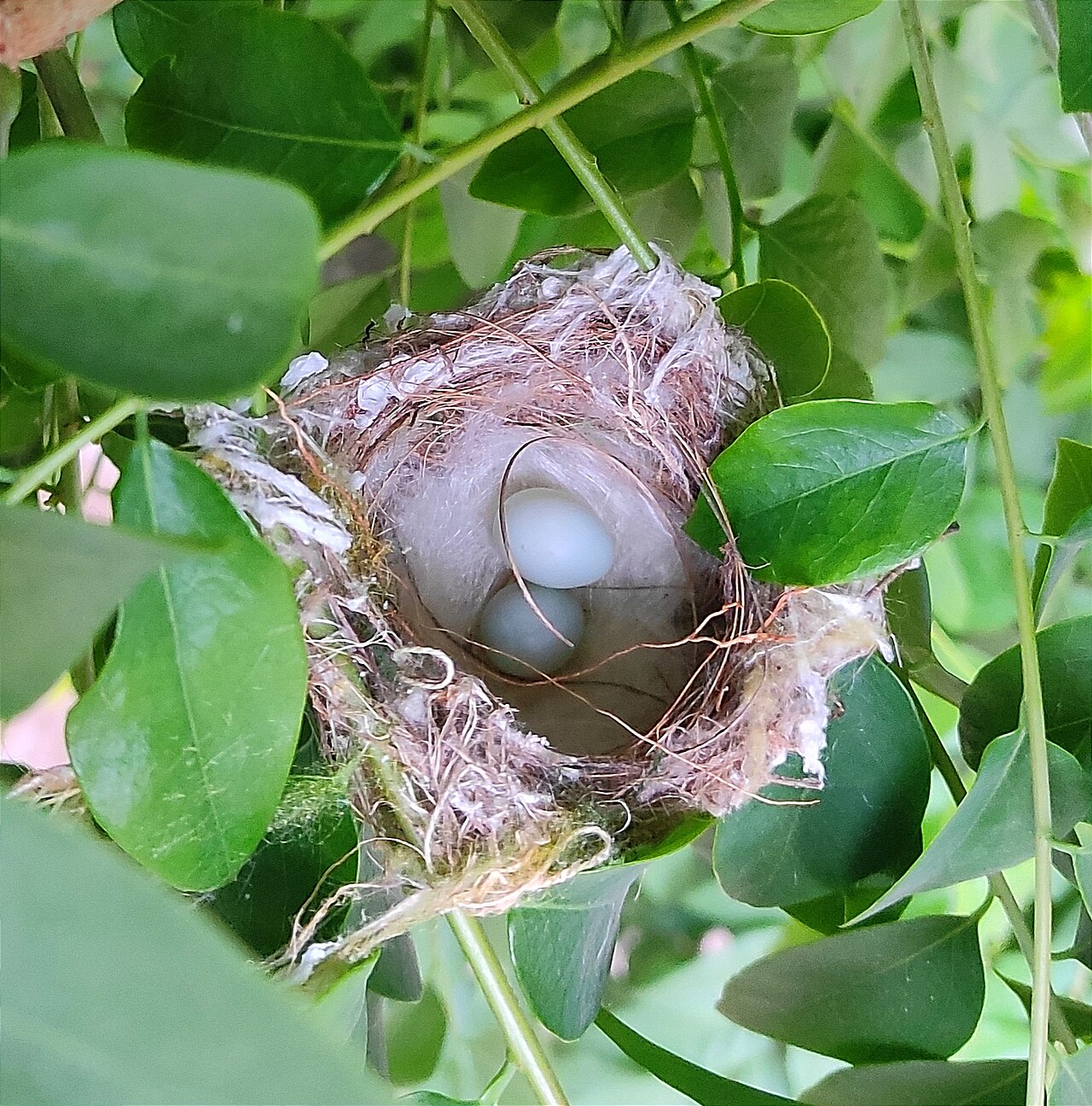
The female oriole is responsible for one of the most remarkable feats of nest-building in the bird world. She weaves the oriole’s famous hanging nest, an intricately woven pouch suspended from the fork of a slender branch, often high in a tree. Using plant fibers, grasses, and other materials, she skillfully knots and weaves this deep, sock-like nest that sways safely out of reach of many predators. Inside it she lays her eggs and does the incubation, then both parents help feed the nestlings a diet of insects, supplemented with fruit and nectar. Orioles are drawn to sweet foods, so a female may visit offerings of orange halves, grape jelly, or nectar, much like the female hummingbird. This extraordinary weaving ability and her central role in raising the brood make the female oriole a fascinating bird to watch during the nesting season.
Where and When to See Female Orioles
Female orioles are found alongside males in the leafy habitats these birds prefer. Look for them in open woodlands, woodland edges, parks, orchards, and shade trees in suburbs and along rivers, where they often forage high in the canopy. Baltimore orioles are birds of eastern and central North America during the breeding season, arriving in spring and departing by fall, since they are migratory and spend the winter farther south. The best time to see a female oriole is late spring through summer, when the birds are nesting and may be attracted to feeders offering oranges, jelly, or nectar. Because females feed high in the trees and are less conspicuous than the brilliant males, patience helps, but a fruit or nectar feeder can bring them into clearer view, offering a wonderful look at these elegant, warm-toned birds.
Female Oriole Coloring Explained
The warm but muted coloring of a female oriole is well documented by ornithologists. According to the Cornell Lab of Ornithology, female Baltimore orioles are yellow-orange and olive, duller than the flame-orange males, and it is the female who weaves the species’ elaborate hanging nest. Her softer coloring helps keep her less conspicuous while she is nesting, providing better camouflage than the male’s brilliant orange would offer. The male’s bold black-and-orange plumage, by contrast, is ideal for display and attracting a mate. Because females vary in brightness and can range from dull yellow to fairly rich orange, the most reliable clues are the absence of a solid black hood and the presence of white wingbars. Understanding this difference makes the female easier to identify and reveals the biology behind the oriole’s striking appearance, much like the pattern seen in our guide to the female robin.
Female Orioles and Sweet Foods
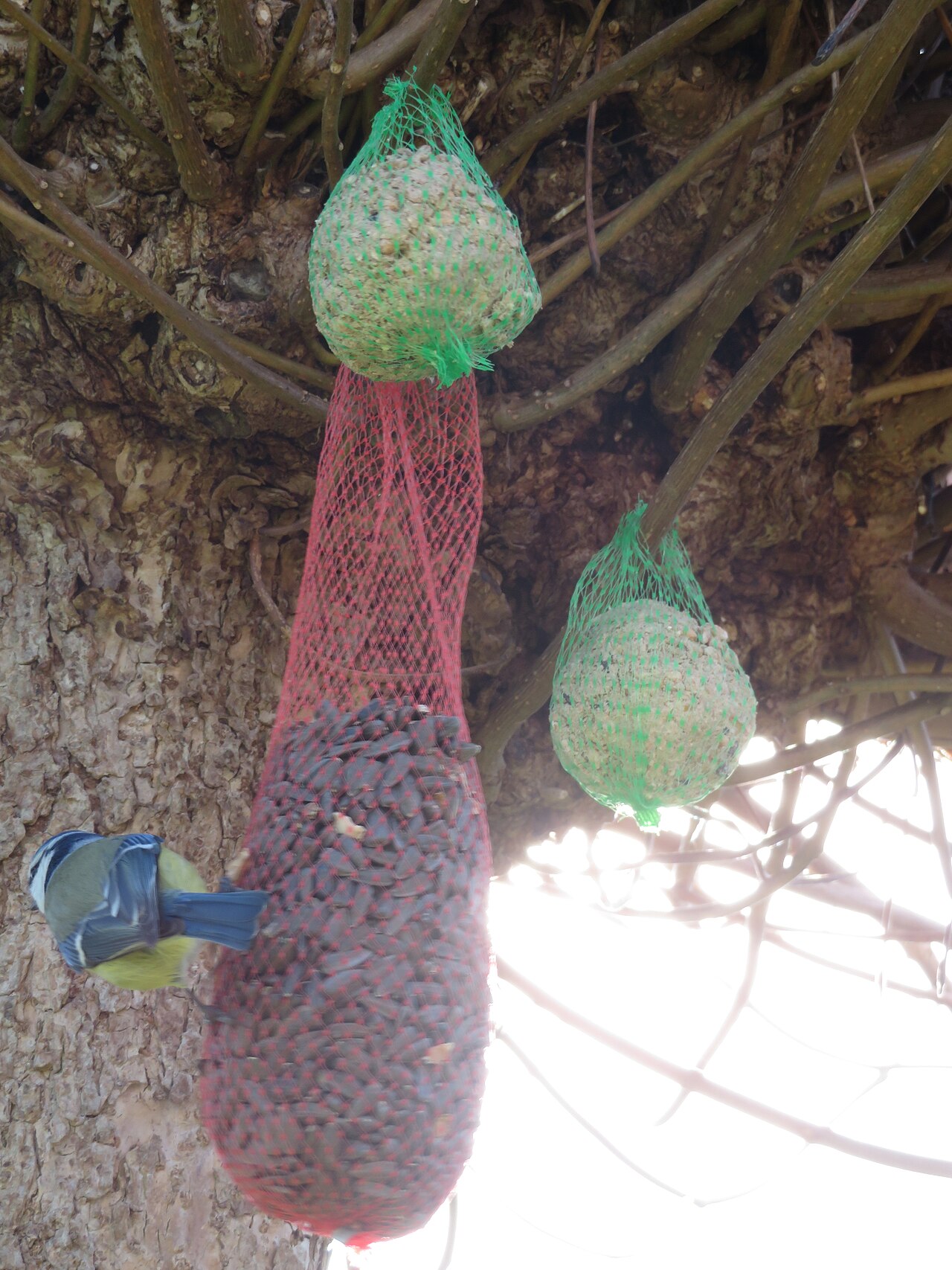
One of the most enjoyable ways to see a female oriole up close is to take advantage of the oriole’s famous fondness for sweet foods. Orioles are drawn to fruit, nectar, and sugary offerings, and a female may visit feeders stocked with orange halves, grape jelly, or nectar, especially in spring and early summer when these energy-rich foods are welcome. Planting nectar-rich and fruit-bearing plants can also attract them, as covered in our guide to plants that attract birds. Because females feed high in the treetops and are less flashy than males, a fruit or nectar feeder is often the best way to bring them into clear view. Watching a warm yellow-orange female sip nectar or nibble an orange is a delightful reward, and it offers a great chance to study her subtle field marks in detail.
When Female Orioles Arrive
Timing matters when hoping to see a female oriole, since these birds are present only during the warmer months in most of their range. Baltimore orioles are migratory, arriving in eastern and central North America in spring, often around the time trees are leafing out, and departing again by early fall to spend the winter farther south. This means the window to see a female oriole runs roughly from spring through late summer, with the arrival period being an especially good time to catch them at feeders before they settle into nesting. Putting out oranges, jelly, or nectar right as the orioles return can help draw a female into view. Knowing this seasonal timing helps you focus your efforts on the months when female orioles are actually around and most likely to visit.
Related reading: types of orioles.
Related reading: female Baltimore oriole identification.
Frequently Asked Questions
What does a female oriole look like?
A female oriole is a warm yellow-orange bird with olive-brown tones, grayish wings with white wingbars, and a long pointed bill, much duller than the black-and-orange male.
How can you tell a female oriole from a male?
The male has brilliant flame-orange underparts and a solid black hood, while the female lacks the black hood and is duller, in yellow-orange and olive tones with white wingbars.
Are female orioles orange?
Female orioles range from yellowish to orange, and some older females can look quite orange, but they are always duller than males and lack the male’s solid black head.
Do female orioles build the nest?
Yes, the female oriole weaves the species’ famous hanging pouch nest from plant fibers and grasses, lays the eggs, and incubates them, while both parents feed the young.
What is the difference between a female Baltimore and orchard oriole?
A female Baltimore oriole is larger and more yellow-orange, while a female orchard oriole is smaller and more greenish-yellow, helping tell the two species apart.
Do female orioles come to feeders?
Yes, female orioles visit feeders offering oranges, grape jelly, and nectar, since orioles are drawn to sweet foods and fruit, especially during the breeding season.
Where do female orioles live?
Female orioles live in open woodlands, edges, parks, and shade trees across eastern and central North America in summer, migrating south for the winter.