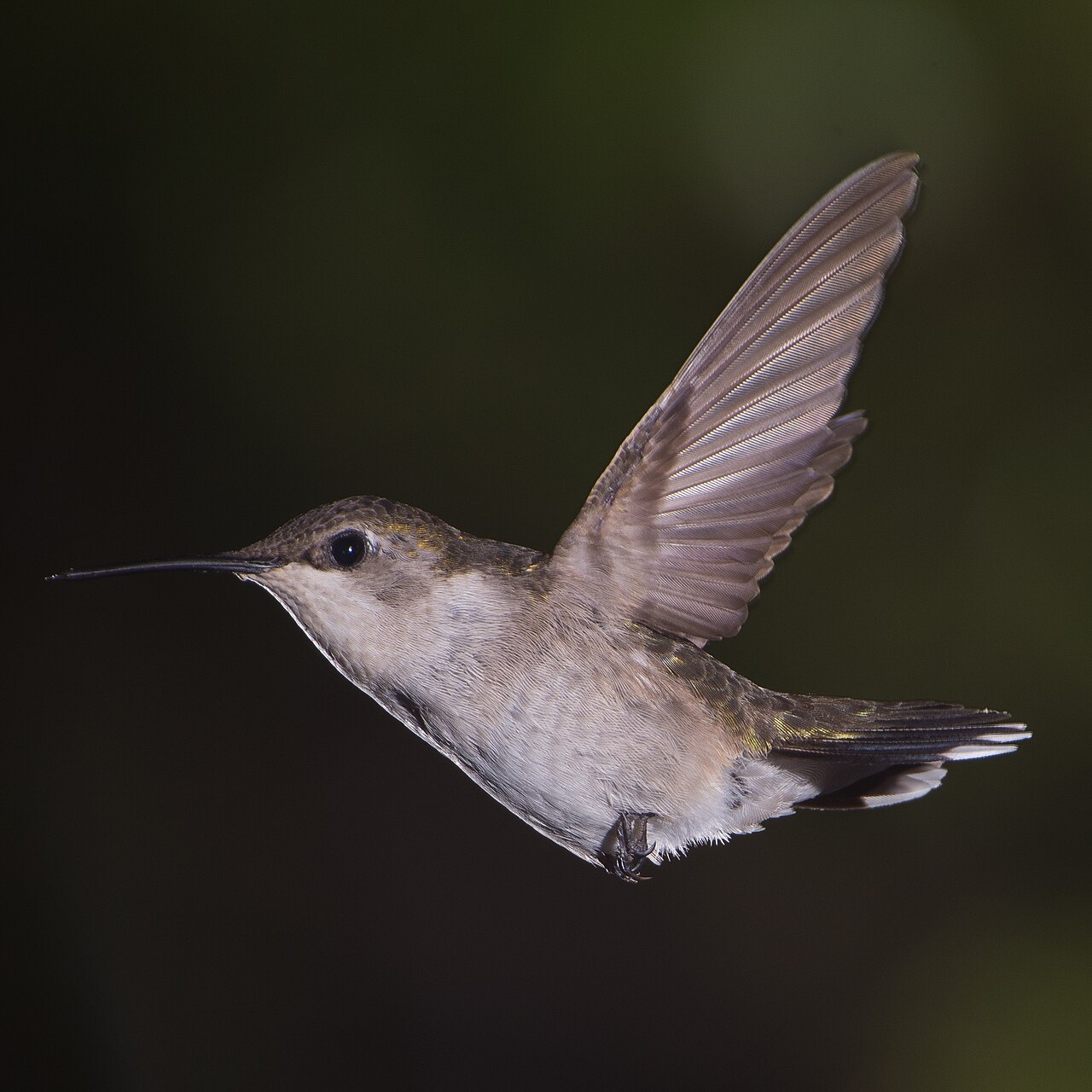
Female Hummingbird: Identification Guide
The female hummingbird is green above and pale below, and crucially lacks the male’s brilliant iridescent throat patch, giving her a plainer whitish throat. Most often a female ruby-throated hummingbird in the East, she can be hard to tell from young males and from other hummingbird species. This guide covers what a female hummingbird looks like, how she differs from the male, how to identify her, her behavior and nesting, and where and when to see her.
| Feature | Female Hummingbird |
|---|---|
| Upperparts | Green |
| Throat | Whitish, no bright patch |
| Underparts | Pale, whitish |
| Tail | Rounded, white tips |
| Overall look | Plainer than the male |
What Does a Female Hummingbird Look Like?
A female hummingbird, such as the female ruby-throated hummingbird common in eastern North America, is a small, elegant bird that is green above and pale below. Her most defining feature is what she lacks: the dazzling iridescent throat patch, called a gorget, that adorns the male. Instead of the male ruby-throated’s brilliant red throat, the female has a plain whitish throat, sometimes with faint dusky markings, giving her a cleaner, more understated look. Her underparts are whitish to pale grayish, her back and crown are glossy green, and her rounded tail typically shows white tips. Overall she appears plainer and softer than the flashy male, but she shares the same tiny size, needle-like bill, and hovering flight. This lack of a bright gorget and her whitish underparts are the keys to recognizing her, as covered in our guide to the hummingbird guide.
Female vs Male Hummingbird
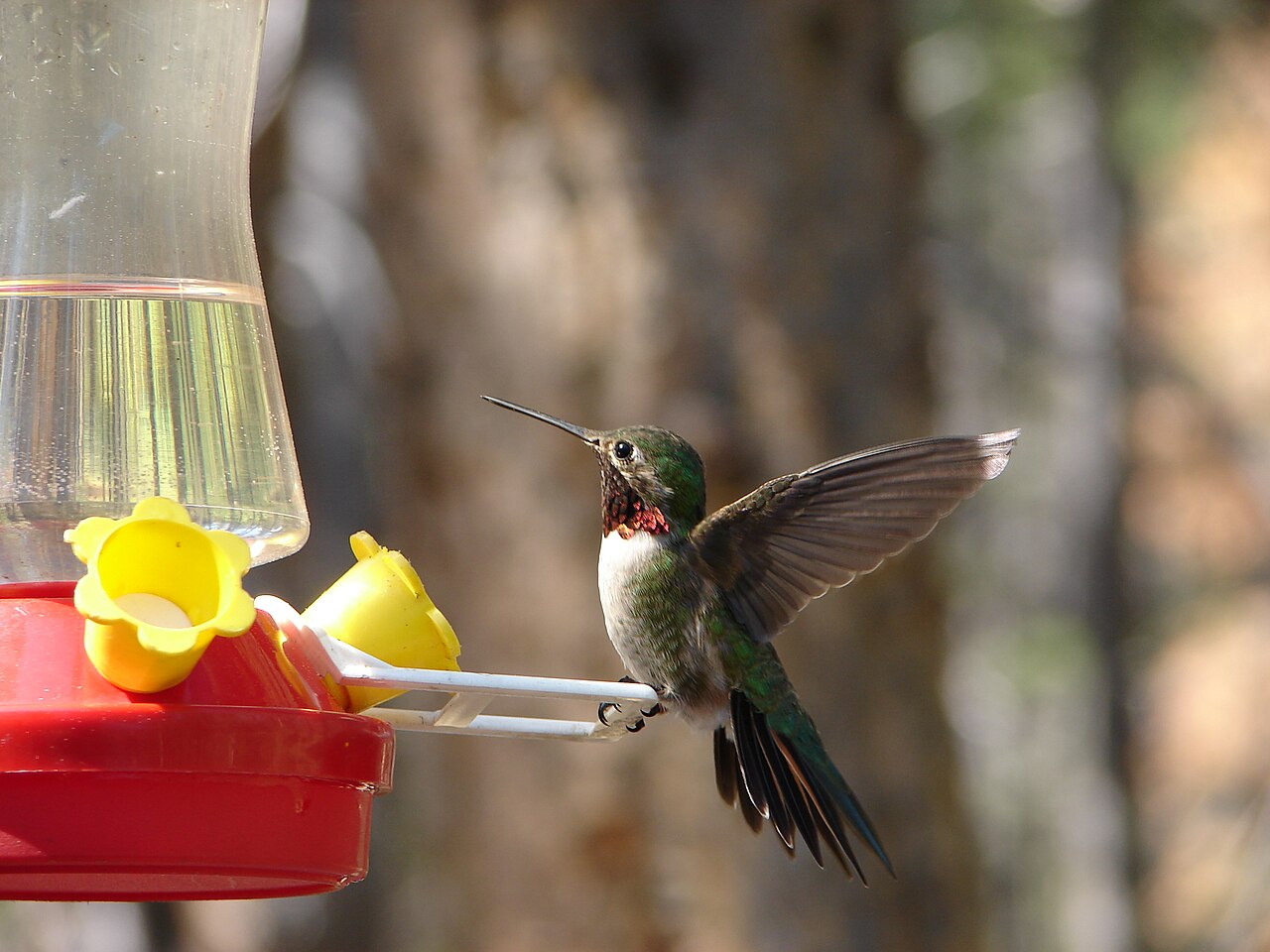
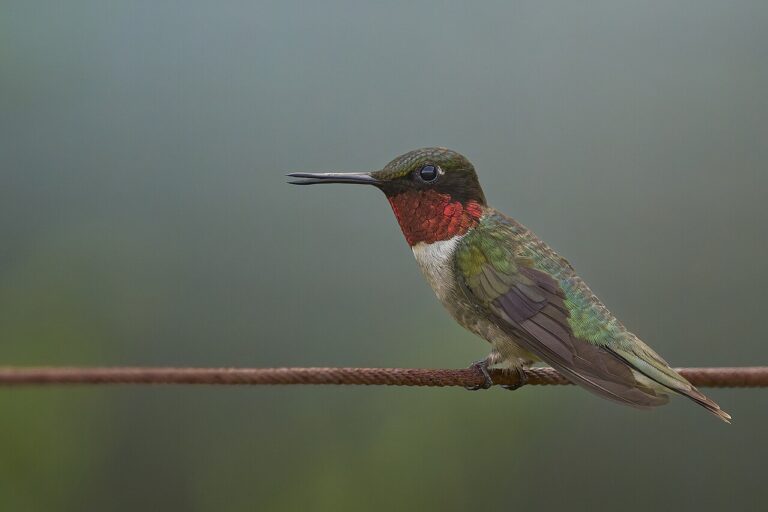
The clearest difference between female and male hummingbirds is the throat. In the ruby-throated hummingbird, the male sports a spectacular iridescent red gorget that can flash brilliantly in the light, though it may look dark or black at certain angles, while the female has no such patch, showing only a plain whitish throat. The female is often slightly larger than the male and has a rounded tail with white spots at the tips, whereas the male’s tail is more forked and lacks white tips. Beyond the throat, both sexes are green above, but the male may appear a touch more vivid. Because the gorget is so distinctive, checking the throat is the fastest way to sex a hummingbird, keeping in mind that lighting can hide the male’s color, so tail shape and white tips are useful backups.
How to Identify a Female Hummingbird
Identifying a female hummingbird involves confirming the plain throat and noting a few supporting features, while accepting that some individuals are genuinely tricky. Look for the whitish throat lacking any bright iridescent patch, pale underparts, a green back, and a rounded tail with white tips. These together indicate a female. The main challenges are immature males, which also lack a full gorget and can look very female-like, and the many hummingbird species in the western United States, where females of different species can be extremely difficult to separate. In the East, a plain-throated ruby-throated hummingbird is usually a female or a young bird. Focusing on the absence of a colored gorget and the white-tipped, rounded tail gives the most reliable identification, a rewarding challenge for anyone drawn to these dazzling visitors, whose meaning is explored in our guide to hummingbird symbolism.
Female Hummingbird Behavior and Nesting
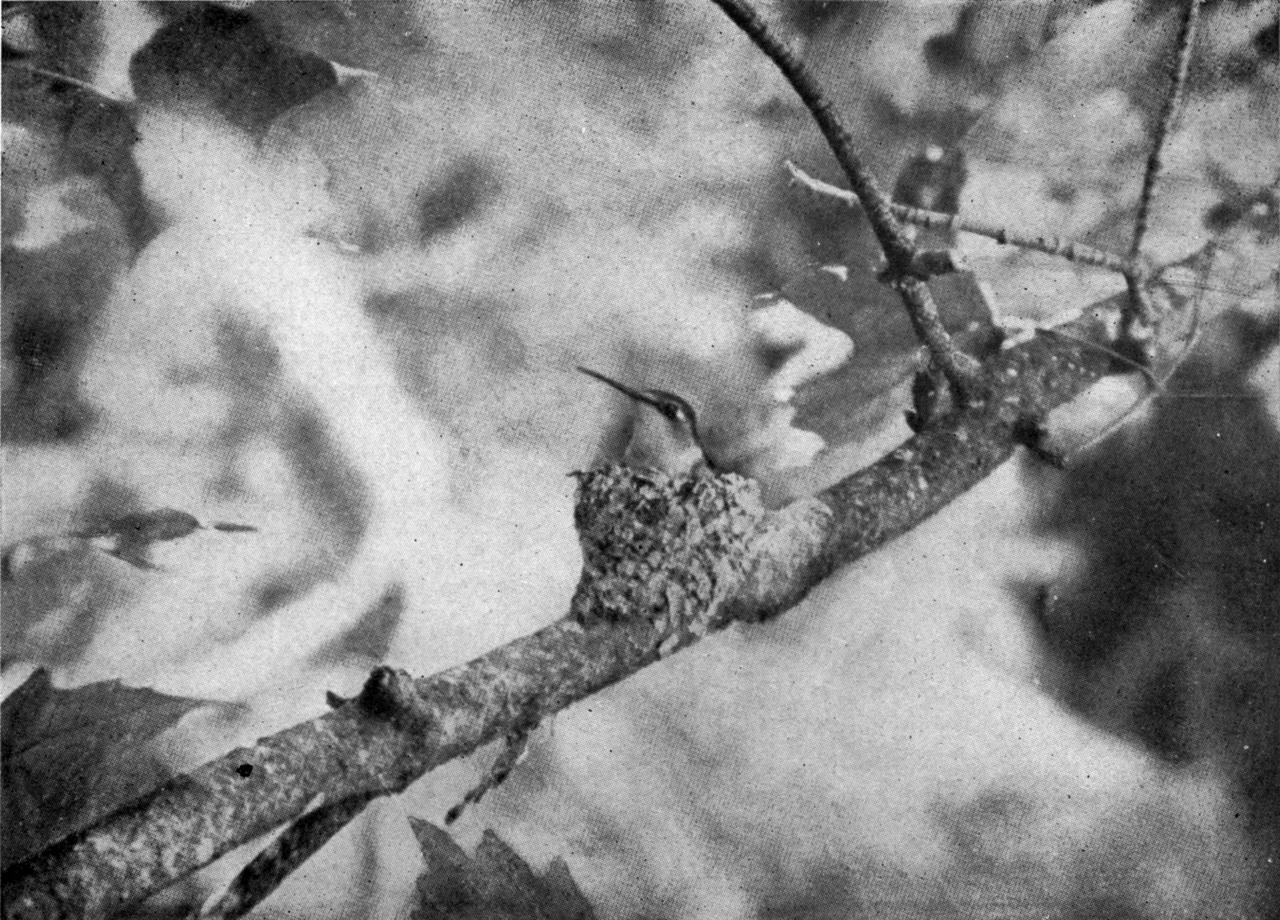
The female hummingbird is remarkable for raising her family entirely on her own. In hummingbirds, the male plays no part in nesting, so the female alone builds the nest, incubates the eggs, and feeds the young. She constructs a tiny, cup-shaped nest, often no bigger than a walnut, using soft plant down and binding it together with spider silk, which lets the nest stretch as the chicks grow, and she camouflages the outside with lichen and bits of bark. There she lays her minuscule eggs and incubates them, then feeds the nestlings a diet of tiny insects and nectar until they fledge. Throughout, she fuels herself by visiting flowers and nectar feeders. This complete solo effort, from building an elastic, camouflaged nest to raising the chicks, makes the female hummingbird one of the most impressive single parents in nature.
Where and When to See Female Hummingbirds
Female hummingbirds are found wherever their species occur, often at the same flowers and feeders as males. Look for them in gardens, yards, woodland edges, and meadows, especially around tubular flowers and nectar feeders, where their hovering flight makes them easy to spot even if their plumage is plain. In eastern North America, the ruby-throated hummingbird is present in the warmer months, arriving in spring and heading south by fall, since these tiny birds are migratory and some make an astonishing nonstop flight across the Gulf of Mexico. The breeding season, from late spring through summer, is a great time to observe a female, particularly if you maintain a nectar feeder, though she may be secretive around her well-hidden nest. Providing nectar and hummingbird-friendly flowers is the surest way to enjoy close views of these energetic females.
Female Hummingbird Plumage Explained
The plain throat and pale underparts of a female hummingbird are well documented by ornithologists. According to the Cornell Lab of Ornithology, female ruby-throated hummingbirds lack the male’s iridescent red throat and have whitish underparts, and the female alone builds the nest and raises the young. Her lack of a bright, flashy gorget helps keep her inconspicuous, which is especially important since she raises her family entirely on her own and needs to avoid drawing attention to the nest. The male’s brilliant throat, by contrast, is used in display and courtship. Because the female has no colored gorget, the most reliable clues are her plain whitish throat, pale underparts, and rounded tail with white tips. Understanding this difference makes the female easier to identify and highlights the demanding solo role she plays, a striking aspect of these tiny birds explored in our guide to seeing a hummingbird.
Telling Female Hummingbirds Apart in the West
Identifying female hummingbirds becomes considerably harder in the western United States, where many hummingbird species occur. In the East, the ruby-throated hummingbird is essentially the only breeding species, so a plain-throated hummingbird there is usually a female or young ruby-throated. In the West, however, several species overlap, and their females can look very similar, with subtle differences in size, tail pattern, and coloring that challenge even experienced birders. In those regions, details like the exact tail shape, any faint throat markings, and the bird’s overall size and behavior become important, and some individuals may not be safely identifiable to species in the field. Knowing which hummingbirds occur in your area is the best starting point, a fascinating challenge that adds to the appeal of these dazzling birds, whose meaning is explored in our guide to bird symbolism and alongside the female oriole.
Female Hummingbird Feeding Habits
Observing a female hummingbird’s feeding habits offers both enjoyment and identification clues. Like all hummingbirds, the female feeds on flower nectar and readily visits nectar feeders, hovering with rapidly beating wings as she sips, and she also catches tiny insects and spiders for protein, which is especially important when she is feeding growing chicks. Because she raises her young alone, a nesting female is a busy forager, making frequent trips between food sources and her nest. This constant activity around flowers and feeders makes females easy to observe even though their plumage is plain. Offering a well-maintained nectar feeder and planting tubular, nectar-rich flowers is the surest way to enjoy repeated close views of a female hummingbird as she goes about her demanding daily routine.
Related reading: what do hummingbirds eat.
Frequently Asked Questions
What does a female hummingbird look like?
A female hummingbird is green above and whitish below, with a plain throat lacking the male’s bright iridescent patch, and a rounded tail with white tips.
How can you tell a female hummingbird from a male?
The male has a brilliant iridescent throat patch, while the female has a plain whitish throat. The female is often slightly larger with a rounded, white-tipped tail.
Do female hummingbirds have a red throat?
No, female ruby-throated hummingbirds do not have the male’s red throat. Their throats are plain whitish, sometimes with faint markings, which helps identify them.
Do female hummingbirds build the nest?
Yes, the female builds the tiny nest from plant down and spider silk, camouflages it with lichen, incubates the eggs, and raises the young entirely on her own.
Why do some hummingbirds not have a colorful throat?
Females and immature males lack the full iridescent gorget, so they show plain throats. Lighting can also make a male’s throat look dark, hiding its color.
Are female hummingbirds bigger than males?
Yes, female hummingbirds are often slightly larger than males, and they also have a rounded tail with white tips, unlike the male’s more forked tail without white tips.
Where do female hummingbirds live?
Female hummingbirds live in gardens, woodland edges, and meadows around flowers and feeders. In the East, ruby-throated hummingbirds are present in the warmer months.