Types of Yellow Birds: A Complete Guide
Several types of yellow birds brighten North America, most familiarly the American goldfinch, along with the yellow warbler, common yellowthroat, western meadowlark, and the female summer tanager. Cheerful yellow plumage makes these birds a delight to spot in gardens, fields, and woodlands. This guide covers the main types of yellow birds, common species you can see, how to tell them apart, where they live, and why some birds are yellow.
| Yellow Bird | Key Features |
|---|---|
| American Goldfinch | Bright yellow, black cap and wings |
| Yellow Warbler | All yellow, small, active |
| Common Yellowthroat | Yellow throat, black mask |
| Western Meadowlark | Yellow breast, black V |
| Evening Grosbeak | Large, yellow, huge bill |
| Baltimore Oriole | Yellow-orange, female duller |
| Lesser Goldfinch | Small, yellow, dark back |
| Prothonotary Warbler | Golden yellow, swampy woods |
The Main Types of Yellow Birds
There are many yellow or yellowish birds in North America, spanning several families. Among the most familiar are the goldfinches, especially the American goldfinch, whose breeding male is a brilliant lemon yellow, and the smaller lesser goldfinch of the West. The warblers include many yellow species, such as the aptly named yellow warbler, the common yellowthroat with its yellow throat, the golden prothonotary warbler, and the yellow-rumped and pine warblers. The meadowlarks, with their bright yellow breasts crossed by a black V, are striking birds of open country. Other yellow birds include the large evening grosbeak, the yellow-orange Baltimore oriole, and the warm-yellow females of birds like the summer tanager and orchard oriole. There is even the goldfinch in winter, which turns a duller yellowish-brown. Together these make up the birds people think of as yellow birds, ranging widely in family and habitat, starting with the beloved bird in our guide to the American goldfinch.
Common Types of Yellow Birds
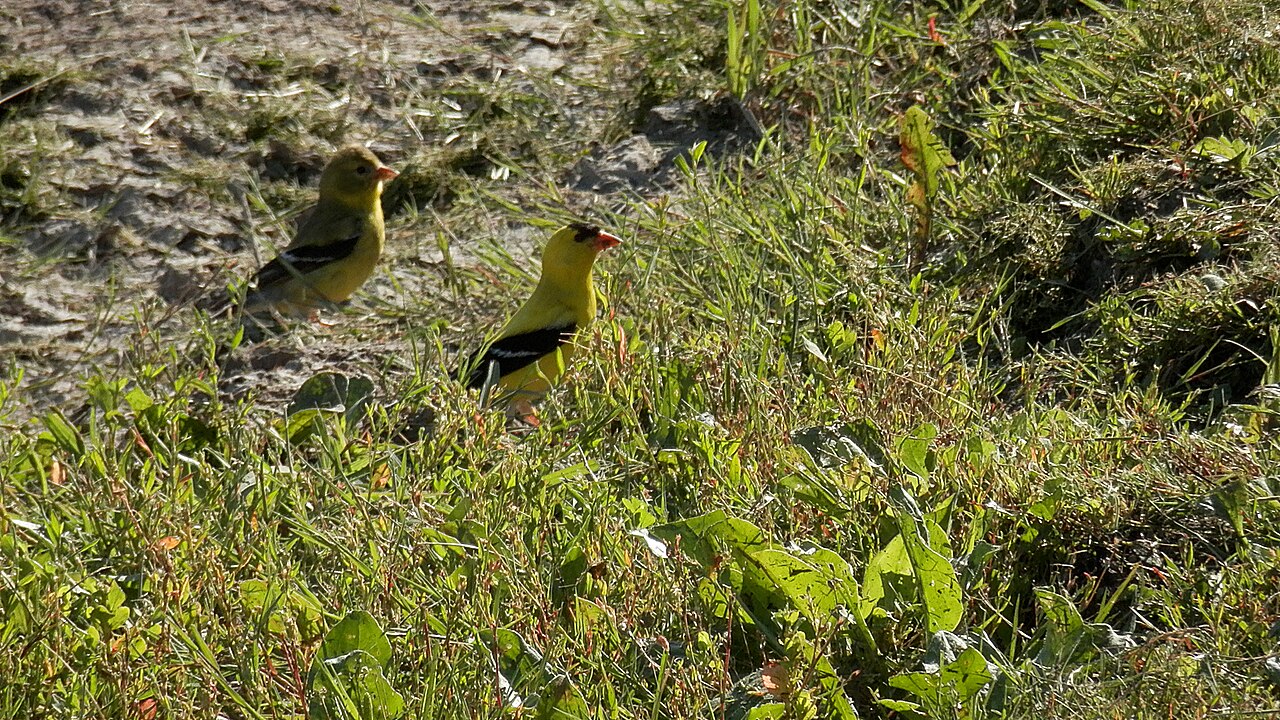
Several types of yellow birds are especially notable. The American goldfinch is the classic yellow bird, the breeding male brilliant yellow with a black cap and wings, while the female is a duller olive-yellow, as covered in our guide to the female goldfinch. The yellow warbler is a small, entirely yellow bird of shrubby areas and streamsides. The common yellowthroat has a bright yellow throat and, in the male, a black mask. The western meadowlark shows a vivid yellow breast marked with a black V and sings a beautiful, flute-like song. The large evening grosbeak is yellow with a massive bill, and the Baltimore oriole is yellow-orange, especially the female, as covered in our guide to the female Baltimore oriole. The warm-yellow female summer tanager is another example, as explored in our guide to the female summer tanager. Each brings its own sunny beauty.
How to Tell Yellow Birds Apart
Telling yellow birds apart is easier when you use size, shape, markings, and behavior. Start with size and shape, since goldfinches are small with conical seed-eating bills, warblers are tiny and slender with thin insect-eating bills, meadowlarks are chunky ground birds, and grosbeaks are large with massive bills. Look at the markings, such as the goldfinch’s black cap and wings, the common yellowthroat’s black mask, the meadowlark’s black breast V, and how much of the bird is yellow. Note the bill shape, which helps separate seed-eaters like goldfinches from insect-eating warblers. Behavior and habitat are useful too, since warblers flit actively through foliage, goldfinches visit feeders and weedy fields, and meadowlarks sing from fields and fenceposts. Remember that many female and immature birds are yellowish, so structure and range matter. By combining size, shape, markings, bill type, and behavior, you can identify most yellow birds, as explored in our guide to types of warblers.
Where Yellow Birds Live
Yellow birds live in a wide variety of habitats across North America, depending on the species. The American goldfinch favors weedy fields, meadows, gardens, and feeders, staying year round in much of its range though duller in winter, while the lesser goldfinch occupies western gardens and open areas. The many yellow warblers are often found in shrubby areas, woodlands, streamsides, and wetlands, mostly during the warmer months before migrating south. The western meadowlark inhabits grasslands, prairies, and farmland in the West and Midwest, and the eastern meadowlark fills a similar role in the East. The evening grosbeak lives in northern and mountain forests, sometimes irrupting south in winter, and the Baltimore oriole favors open woodlands and leafy suburbs. Because several yellow birds, like the goldfinch, readily visit feeders and gardens, they are among the most enjoyable birds to attract, bringing cheerful color, as detailed in our guide to types of finches.
Why Are Some Birds Yellow?
The yellow color in many birds, like red and orange, comes from carotenoid pigments obtained through the diet, and understanding this explains a lot about yellow birds. Birds cannot make these yellow pigments themselves, so they acquire them by eating carotenoid-rich foods such as seeds, fruits, and insects, then deposit the pigments into their growing feathers. This is why a bird’s diet can influence the brightness and shade of its yellow coloring, with well-fed birds often showing richer color. Bright yellow plumage is frequently used in display, helping birds attract mates and signal their health and quality. The American goldfinch is a great example, since the male molts into his brilliant yellow breeding plumage in spring and fades to a duller color in winter, reflecting seasonal changes. This link between diet, season, and color is a fascinating aspect of yellow birds, adding to the appeal of species like those in our guide to attracting birds.
The American Goldfinch, the Classic Yellow Bird
The American goldfinch is the yellow bird most people picture, and it is worth a closer look. According to the Cornell Lab of Ornithology, the American goldfinch is a common feeder bird whose breeding male is a brilliant yellow, and the yellow color of many birds comes from carotenoid pigments obtained through their diet. The goldfinch is especially beloved because the male’s vivid lemon-yellow summer plumage is so striking, and the birds readily visit feeders offering nyjer or sunflower seed, bringing cheerful color to gardens. Interestingly, goldfinches molt out of their bright colors in fall, becoming a duller yellowish-brown in winter, so their appearance changes with the seasons. Their fondness for seeds ties them to weedy fields and gardens full of seed-bearing plants. Because the goldfinch is so familiar and colorful, it serves as the classic example of a yellow bird. Understanding it provides a foundation for recognizing the whole sunny group, as explored in our guide to the female goldfinch.
Attracting Yellow Birds to Your Yard
Many yellow birds are a delight to attract to a yard, and doing so is very achievable with the right approach. The American goldfinch, the classic backyard yellow bird, is especially drawn to nyjer, also called thistle seed, offered in a special finch feeder, as well as to black oil sunflower seed, so providing these is one of the best ways to bring cheerful yellow color to your feeders. Planting native, seed-bearing flowers such as coneflowers, sunflowers, and other daisy-family plants supplies natural food that goldfinches love, and letting some plants go to seed is very attractive to them. For other yellow birds, keeping an insect-friendly yard by avoiding pesticides supports warblers and other insect eaters, and offering fruit or nectar can draw in orioles. A clean water source for drinking and bathing appeals to many birds as well. By combining the right seeds, native plantings, insect-friendly practices, and water, you can enjoy a variety of sunny yellow birds, brightening your yard, as detailed in our guide to types of finches.
Related reading: types of orange birds.
Frequently Asked Questions
What are the different types of yellow birds?
Common yellow birds include the American goldfinch, yellow warbler, common yellowthroat, western meadowlark, evening grosbeak, Baltimore oriole, and lesser goldfinch.
What is the most common yellow bird?
The American goldfinch is the most familiar yellow bird, especially the brilliant yellow breeding male, and it readily visits feeders offering nyjer or sunflower seed.
What small yellow bird is all yellow?
The yellow warbler is a small bird that is almost entirely yellow. The male shows fine reddish streaks on the breast, and it favors shrubby areas and streamsides.
How do you tell yellow birds apart?
Use size, shape, markings, and bill type. Goldfinches have conical bills and black caps, warblers have thin bills, and meadowlarks have a black V on a yellow breast.
Why are some birds yellow?
Yellow color usually comes from carotenoid pigments in the birds’ diet, which they deposit in their feathers. Diet and season can affect how bright the yellow appears.
What yellow bird has a black mask?
The common yellowthroat, a warbler, has a bright yellow throat and, in the male, a bold black mask across the face. It favors marshes and shrubby areas.
Where do yellow birds live?
Yellow birds live in gardens, weedy fields, shrubby areas, grasslands, and woodlands across North America. Goldfinches are common at feeders and in weedy fields.