Quail Sounds: 6 Calls Decoded and What Each One Means
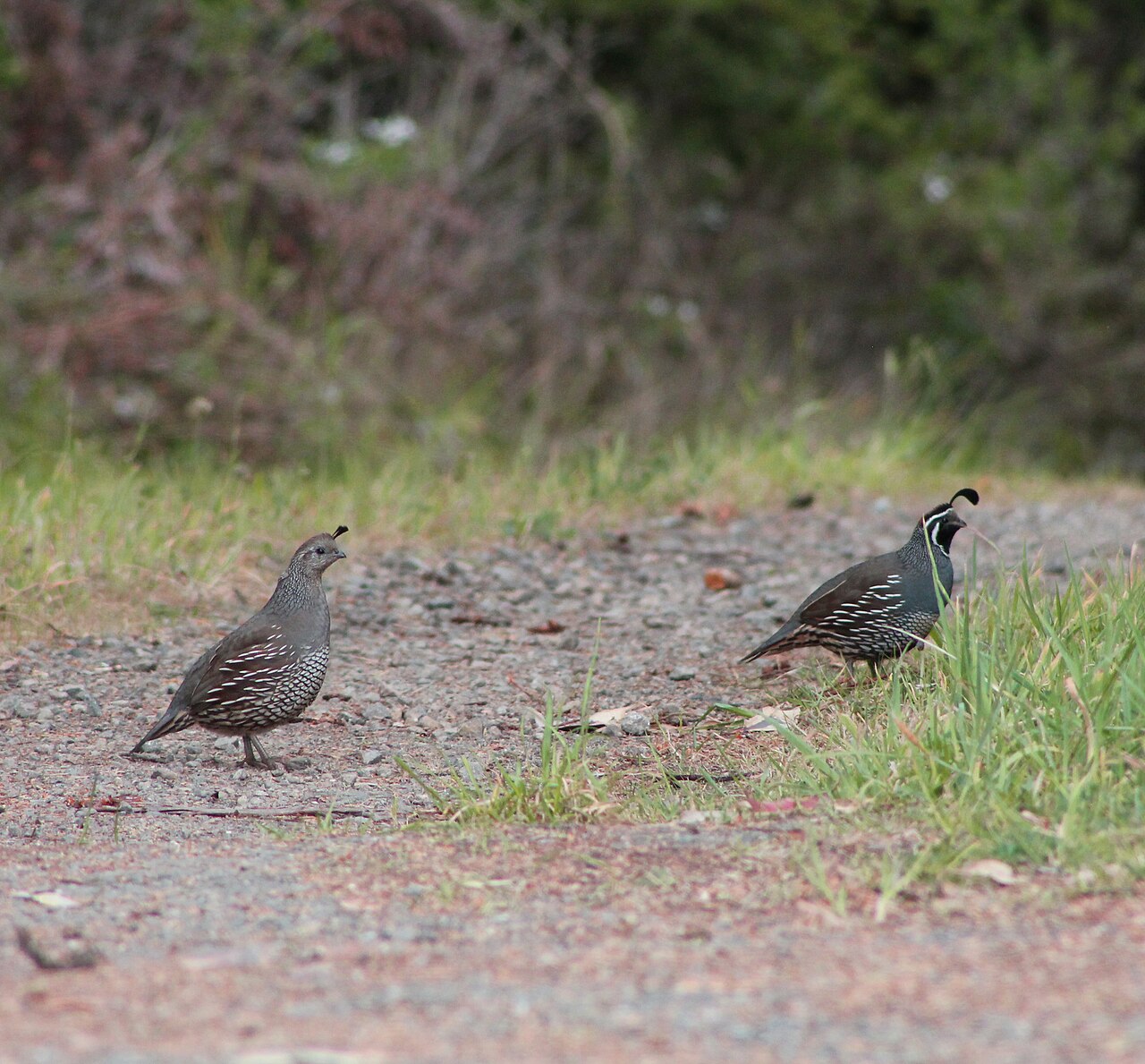
Quail sounds do four jobs, and once you know which job you are hearing, the bird tells you what is happening around it. A loud three or four note whistle gathers a scattered covey, a short sharp chirp warns of a hawk or a cat, a repeated crow advertises a male in the breeding season, and a thin peep comes from chicks that have lost their mother. Species matters too: a Northern Bobwhite (Colinus virginianus) whistles its own name, while a California Quail (Callipepla californica) says something much closer to “chi-ca-go”.
Most people meet these calls in one of three settings: a backyard covey in the Southwest, a hunting field in the Southeast, or a pen of Coturnix quail in the garage. The sounds overlap, but the timing and the context do not. The sections below take each call type on its own, say what it sounds like, when in the day and the year you hear it, and which other animal you are most likely to confuse it with.
Quail make four main sounds: a loud assembly call that reunites a scattered covey, a sharp alarm chirp given when a predator appears, a repeated male advertising call in the breeding season, and soft peeping from chicks. Assembly calls carry the farthest and are most common at dawn and dusk.
| Call | Sounds like | What it means | When you hear it |
|---|---|---|---|
| Assembly or rally call | “chi-ca-go”, 3 to 4 notes, second note highest | Covey is scattered and regrouping | Dawn and dusk, all year |
| Bobwhite whistle | Clear rising “bob-WHITE” | Unmated male advertising a territory | April to August, mid morning |
| Separation call | Plaintive “koi-lee” or “hoy” | Single bird asking where the others are | Late afternoon, autumn and winter |
| Alarm chirp | Short hard “pit-pit-pit” | Predator overhead or close by | Any time, often followed by silence |
| Coturnix crow | Harsh rasping three part shriek | Mature male, roughly 6 weeks old and up | Dawn and again at dusk, year round indoors |
| Chick peep | Thin high “pee-pee-pee” | Chick cold, hungry or separated | First 3 weeks of life, daylight hours |
The Assembly Call: Why “Chi-ca-go” Carries So Far
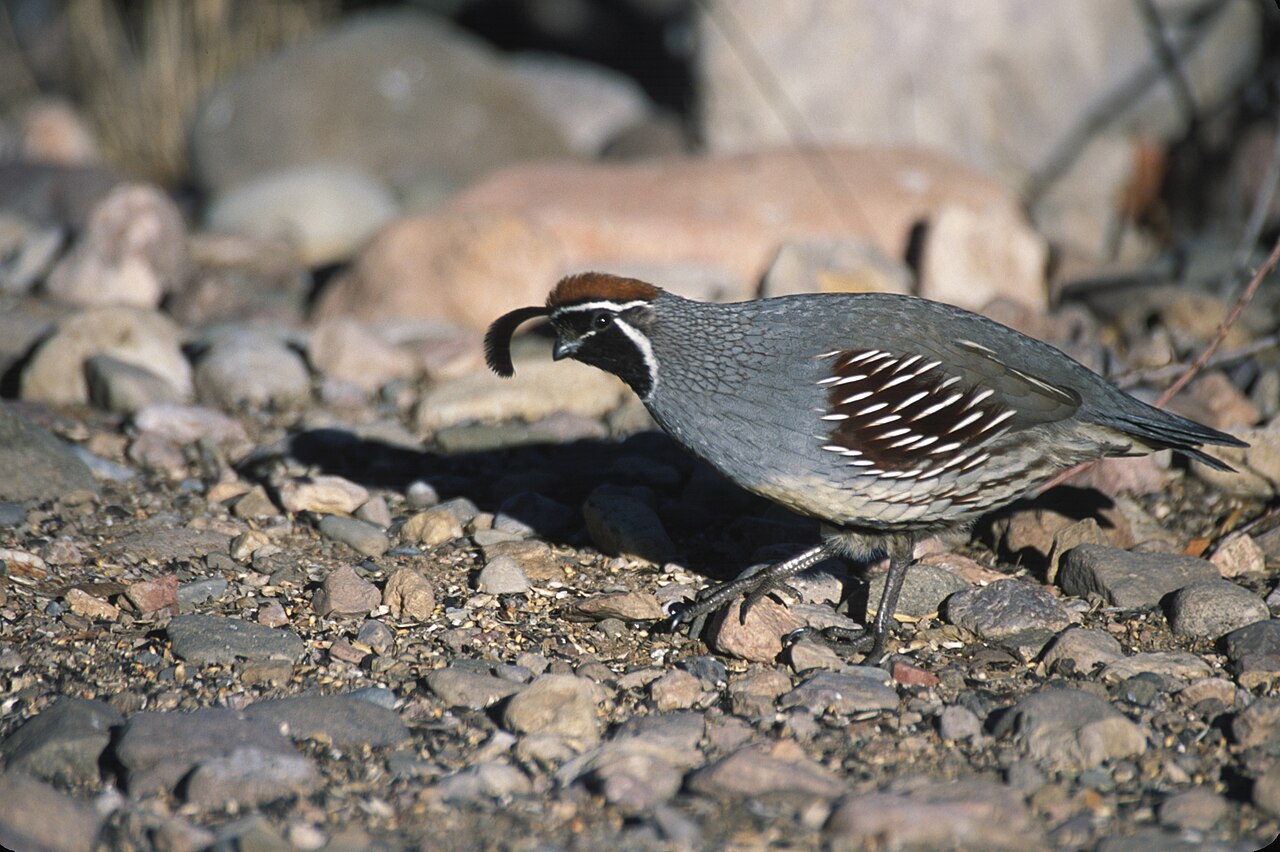
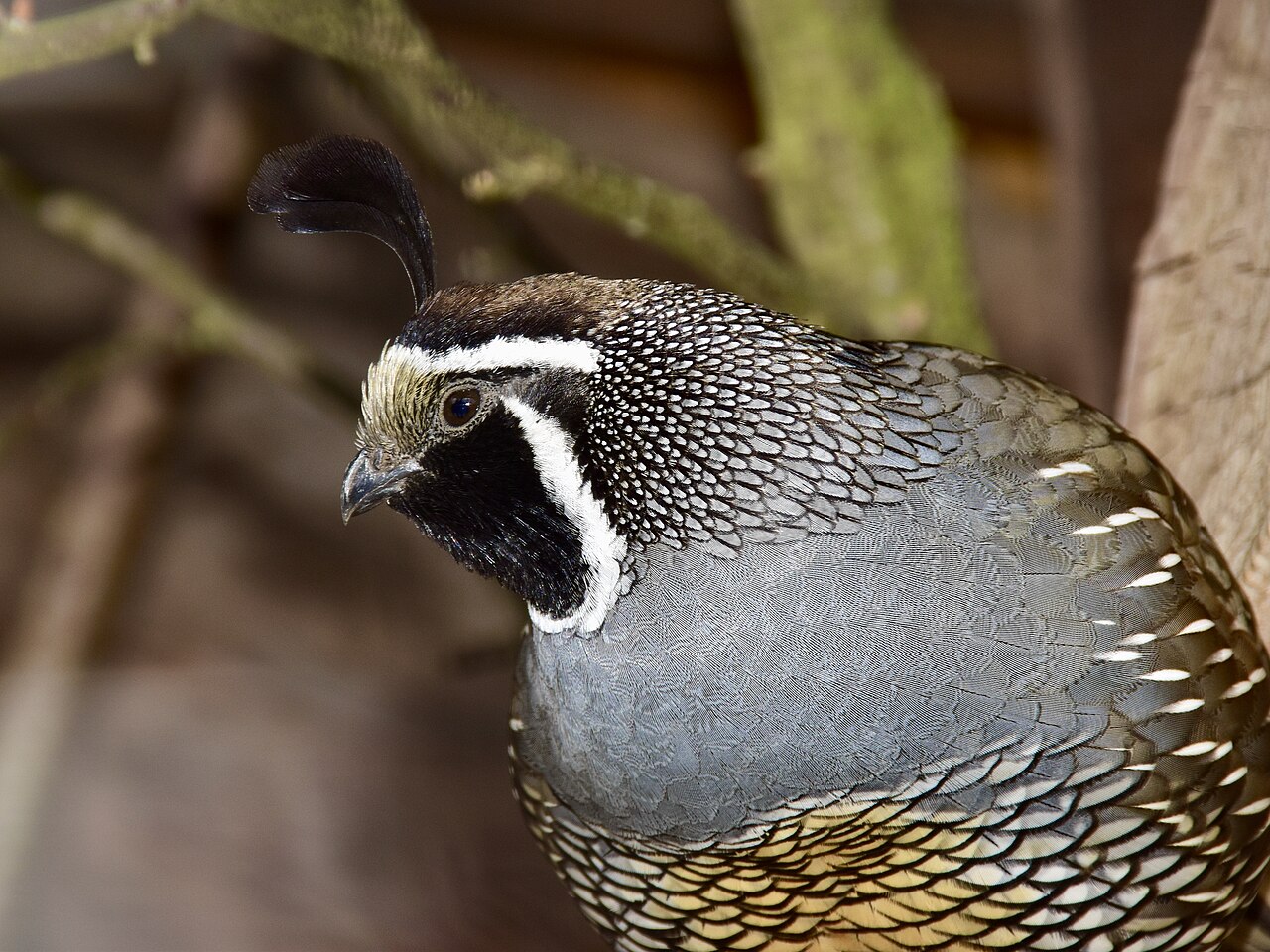
The assembly call is the loudest sound a wild quail makes, and it exists to put a broken covey back together. In California Quail it is a three note phrase that most listeners write as “chi-ca-go”, with the middle note pitched highest and the last note dropping away. Gambel’s Quail (Callipepla gambelii) gives a looser four note version that sounds more querulous, almost like a question. Birds call, wait, and answer, so you hear a conversation rather than a solo. Listen at first light and again in the half hour before dark, when coveys leave and return to their roost sites.
What Does a Quail Whistle Sound Like?
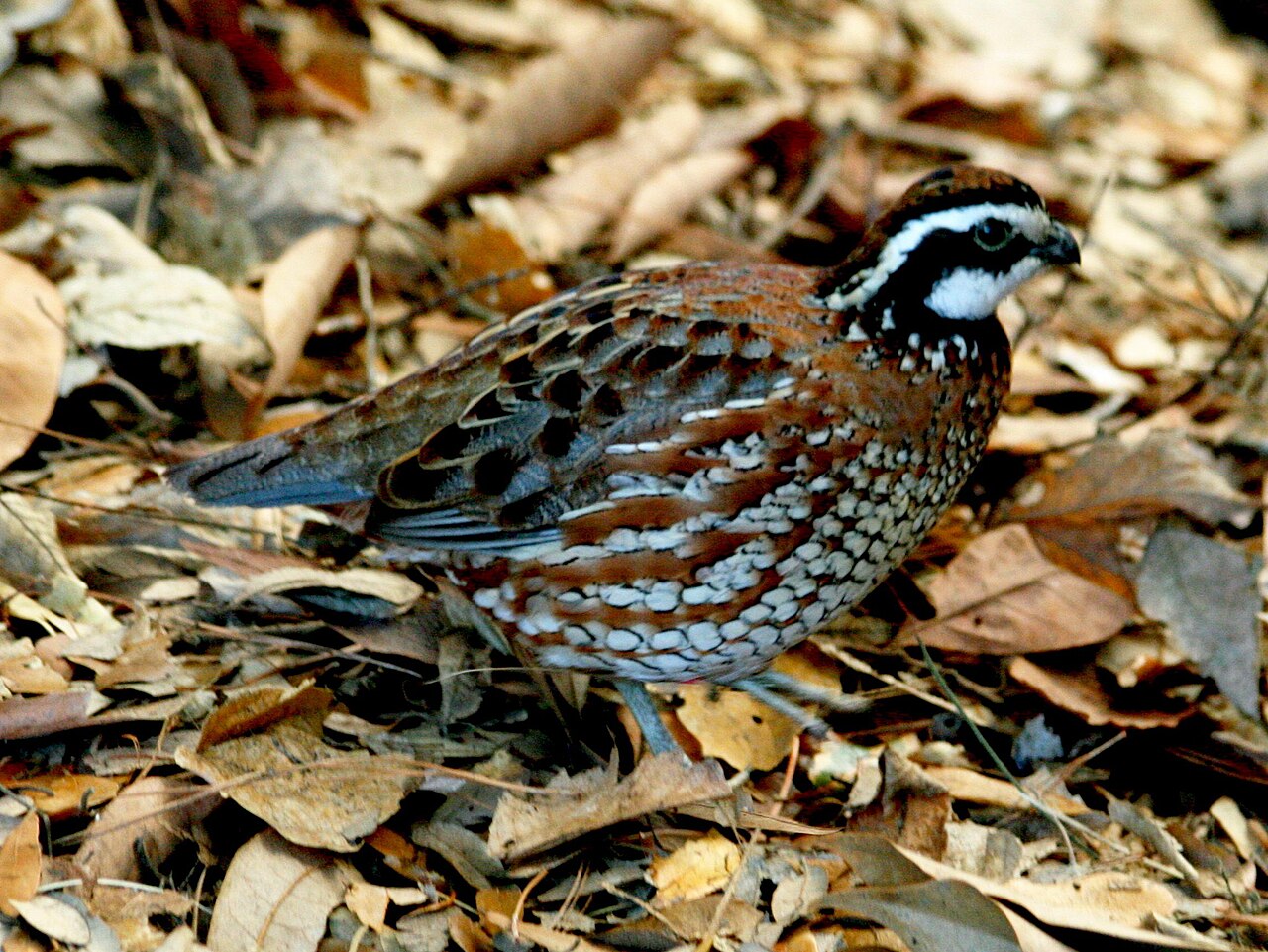
A quail whistle is the clean two or three note song of a male Northern Bobwhite, and it really does sound like a person whistling the words “bob-WHITE”. The first note is low and short, the second slides upward and holds. An unmated male repeats it from a fence post, a low branch or a bare patch of ground, often for an hour at a stretch through late spring and summer. Paired males whistle far less, so a field full of whistling is a field short on females. The sound carries roughly a quarter mile across open country on a still morning.
Alarm Calls: The Sharp Chirp That Freezes a Covey
Alarm calls are short, hard and repeated, nothing like the musical assembly whistle. A California Quail watching a Cooper’s Hawk circle will deliver a clipped “pit-pit-pit” from cover, and the rest of the covey goes still and silent rather than scattering. A ground threat, a cat or a fox, produces a faster and louder burst, and the birds usually flush with a clattering wing noise that is itself part of the warning. If a yard covey that called every morning suddenly goes quiet for several days, a new predator is the first thing to check, not a sick flock.
Courtship and Pair Calls in the Breeding Season
Courtship sounds are quieter and more varied than the carrying calls, which is why most people never hear them. Male California Quail give a soft squeaking note while tidbitting, picking up and dropping food in front of a female. Bobwhite pairs exchange a low “hoy-poo” as they move through cover together. Both species add a rapid stuttering note during the brief approach before mating. These sounds rarely travel more than 30 ft, so you need to be close and still, and spring mornings between about 7 and 10 give the best chance.
The Coturnix Crow: What Backyard Males Actually Sound Like
Coturnix quail (Coturnix japonica), the breed most Americans keep for eggs, make a sound unlike any wild quail: a harsh three part rasping shriek that owners describe as a cross between a creaky gate and a tiny rooster. Males start at about 6 weeks and crow hardest at dawn and dusk, and a male under artificial light will crow at odd hours too. Females do not crow; they give a lower rolling trill and a soft chatter while foraging. If you need to tell the sexes apart before the feathers make it obvious, the crow is the reliable sign.
Do Quail Make Noise at Night?
Quail are daytime birds and are usually silent at night, so sustained noise after dark means something has gone wrong. Wild coveys roost in a tight circle, tails inward, and a disturbed roost produces a burst of alarm chirps and wingbeats that stops within a minute. In a backyard pen, repeated night calling points to a raccoon or an opossum working the wire, a light left on, or birds that cannot find the feeder in the dark. Sounds that run all night and come from a roof or wall cavity belong to something else, not to quail.
What Do Baby Quails Sound Like?
Baby quail sound like thin high peeps, three or four per second, closer to a cricket than to a chicken chick. A contented brood under a heat plate makes a quiet, irregular, almost conversational peeping. The call changes when something is wrong: a chilled or lost chick gives a loud, evenly spaced distress peep that it will keep up for many minutes, and the hen or the brooder mate answers with a low clucking note. Keepers learn to read the brooder by ear, because constant loud peeping almost always means the temperature is off by several degrees.
The Separation Call: One Bird Asking Where Everyone Went
A single quail cut off from its covey gives a slow, plaintive, upslurred whistle, written as “koi-lee” for Bobwhites and often described simply as “hoy”. It is spaced out, maybe one call every few seconds, and it sounds genuinely mournful next to the brisk assembly call. Hunters use this to their advantage in the hour after a covey rise, since scattered birds answer a soft imitation and walk toward it. In autumn and winter it is the call you are most likely to hear from a lone bird in a hedgerow at mid afternoon.
Do Quails Make More Noise Than Chickens?
Quail make less noise than chickens overall, and that is the main reason they are kept in places where roosters are not allowed. A Coturnix male’s crow is brief, raspy and far quieter than a rooster’s, and a pen of hens produces little beyond soft chatter and the odd trill. The trade off is frequency: quail males crow several times an hour at dawn rather than a handful of times, so a close neighbor hears them more often, just at lower volume. Ten quail are quieter than two chickens; forty quail in a garage are not.
Sounds People Mistake for Quail
Three mix ups come up again and again. The four note Gambel’s call gets reported as a California Quail across the Southwest, when the giveaway is the extra syllable and the looser rhythm. A Northern Bobwhite whistle gets credited to a person or a toy whistle, since it is that pure. Chick peeping in a shed at dusk gets blamed on tree frogs. Nocturnal calling is the most common error of all: if it runs all night, look at barn owl calls or the other birds that sound like owls before you blame the quail pen.
When You Hear Each Call Through the Day and the Year
Timing narrows the field as fast as pitch does. Dawn and the last half hour of daylight belong to assembly calls, in every month. Mid morning from April into August belongs to the Bobwhite whistle and the Coturnix crow. Mid afternoon in autumn and winter is when lone birds give the separation call. Alarm chirps can come at any hour and never last long. Quail go quiet in the deep heat of a summer afternoon, which is also when a hunting raptor is most active, so silence in July is normal rather than a warning sign.
How to Listen, Record and Confirm a Quail Call
Stand still for a full two minutes before you judge anything, because quail stop calling when they hear footsteps and resume about 90 seconds after the noise ends. Face a brushy edge rather than open ground and keep the sun behind you. For confirmation, compare your clip against the species pages at the Cornell Lab of Ornithology at All About Birds, which carries verified recordings for each North American quail. Public recordings from the National Park Service and state wildlife agencies work too, and both are safer references than a random video with no location attached.
Frequently Asked Questions
Are quail easier to raise than chickens?
Quail are easier on space and noise and harder on everything else. Coturnix reach laying age in 6 to 8 weeks and need about 1 sq ft per bird, but they need finer feed, smaller waterers, and wire they cannot slip through. Chickens are more forgiving of handling errors and far better at foraging for part of their own food.
What is the lifespan of a Coturnix quail?
A Coturnix quail lives about 2 to 3 years in a well run pen, and occasionally 4. Laying drops off sharply after the first 10 to 12 months, so many keepers run their flock in annual cycles rather than keeping birds to old age. Wild quail rarely see a second year, with most coveys turning over almost completely each season.
How many quail can you keep together?
Keep one male to between 3 and 5 females, and allow at least 1 sq ft of floor per bird. Two mature males in the same pen will fight and scalp each other, and the noise rises with every extra male. Groups of 10 to 20 birds work well for a household flock supplying eggs.
Can quail survive winter outside?
Yes, with dry bedding, a windbreak and no draft at ground level. Coturnix handle freezing temperatures better than wet, so a leaking roof is more dangerous than a cold night. Wild Bobwhites and California Quail roost in tight circles to share body heat and need dense cover rather than shelter built for them.
Do quails make good pets?
Quail are good livestock and mediocre pets. They rarely become tame enough to handle, they startle easily, and a frightened bird will launch straight up into a cage roof. If you want a bird that interacts with you, they are the wrong choice; if you want eggs from a quiet, compact, undemanding flock, they are excellent.
Which quail call is the loudest?
The assembly call is the loudest and farthest carrying, audible up to a quarter mile in open country. The Bobwhite advertising whistle is close behind and sounds louder to human ears because it is a pure tone. Alarm chirps and chick peeps are quiet by comparison and seldom reach past 50 ft, which is why most people never hear them.
For comparison with the raptors that hunt these coveys, see our guides to falcon calls and bald eagle sounds, and for the mammals that raid ground nests at night, bat sounds and the barred owl call cover the other voices of a dark field.