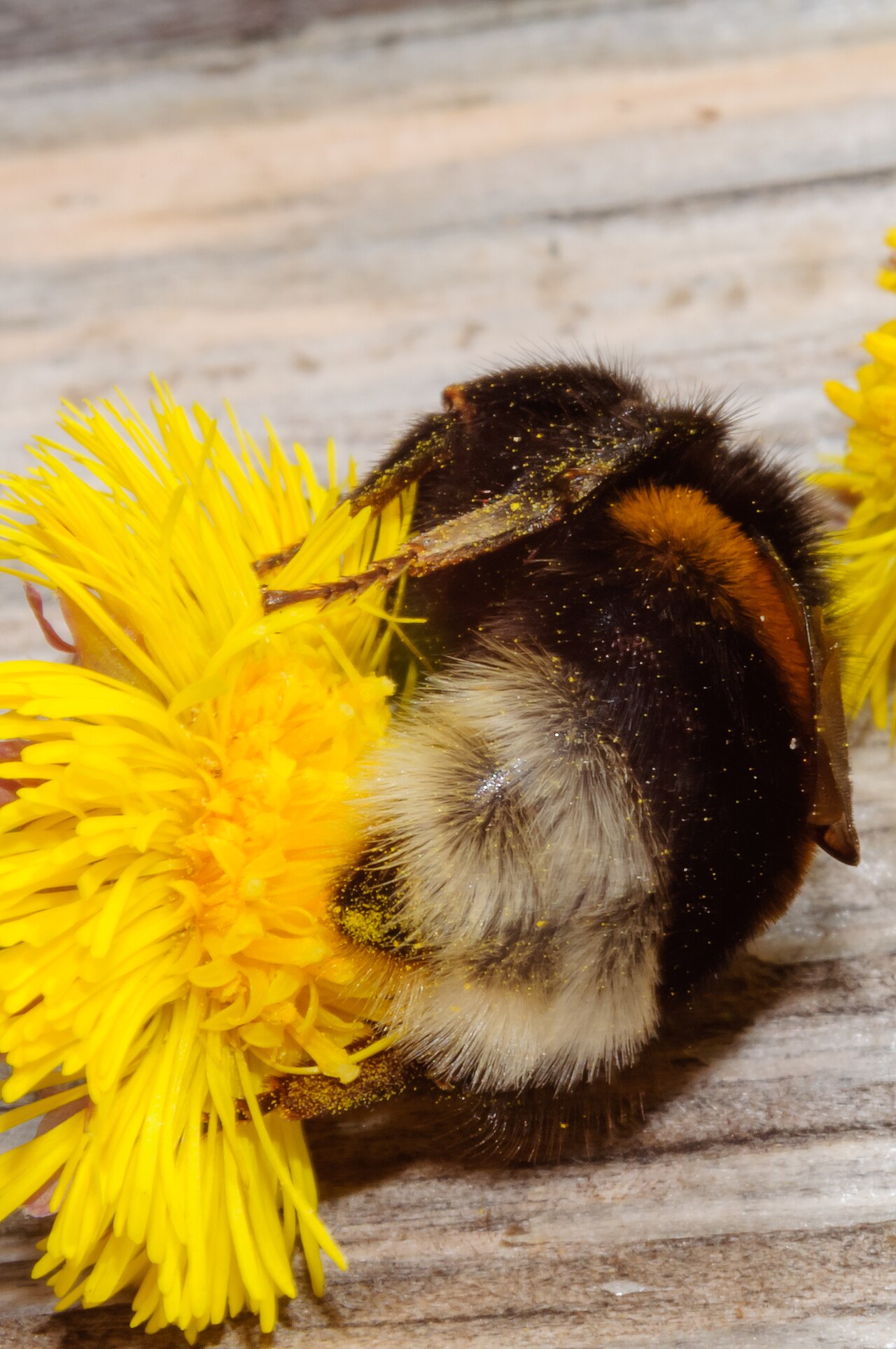
Seeing a Bumblebee Meaning: Luck, Love and a Gentle Sign
Seeing a bumblebee is a sign of good fortune and of patient work that is close to paying off. Bumblebees show up at doors, windows and garden paths every spring and summer, and what the bee is doing shapes the message.
Seeing a bumblebee means good luck, steady effort paying off and warmth in your relationships. Bumblebees rarely sting and give clear warnings before they do, so a calm bee near you is simply foraging, not warning you. A spring sighting points to a new beginning, and a summer one to teamwork.
What Does Seeing a Bumblebee Mean?
Seeing a bumblebee means persistence, with sweetness as the reward for steady work. The bee visits flower after flower all day, and the nectar it carries home is the payoff for that patience.
The colors carry their own meaning. Bright yellow stands for joy, warmth and optimism, and black grounds that energy and gives it edges. Together they point to personal power used with care, not loudness for its own sake.
Your thoughts at the moment of the sighting shape the personal meaning. If you were worrying about a project, the bee speaks to that project. If you were thinking of a person, it speaks to that bond. Bumblebee symbolism treats the bee as a spirit animal of steady drive and as a totem for people who finish what they start.
Is Seeing a Bumblebee Good Luck?
Yes, a bumblebee is a good omen, and the luck is strongest when the bee appears unexpectedly. A bee in early spring before the garden blooms, or one that lands near you on a hard day, feels like a small gift. That surprise is part of the sign.
A famous myth adds to the bumblebee’s lucky reputation. It traces to a 1934 book by French entomologist Antoine Magnan, who repeated an engineer’s calculation that bumblebees should not be able to fly. That was never true. The idea came from treating bee wings like fixed airplane wings, while a real bumblebee beats its wings in fast, sweeping strokes that create lift a stiff wing never could.
The myth still gives the sign its best line. Something that looks too heavy for its wings flies anyway. The bumblebee becomes a picture of unlikely goals that work out because you keep moving. If a plan looks impossible on paper, the sighting tells you to test it in practice before you drop it.
Abundance, Hard Work and Focus
The bumblebee stands for abundance because it is one of the hardest working pollinators in the garden. Pollination ties it to harvest, growth and plenty, since fruit and seeds follow wherever it works. An American bumblebee (Bombus pensylvanicus) dusted in pollen is a picture of plenty in motion.
Its foraging style matters too. A bumblebee typically works from flower to flower in a steady pattern, which stands for focused effort without panic. Bumblebees also fly in cooler, cloudier weather than many other bees, so persistence is built into the symbol.
The message is that abundance builds from many small, repeated acts. One flower gives the bee a sip, and a meadow of visits fills the nest. Apply that to savings, training or a craft you are learning.
Bumblebee Meaning in Love and Relationships
In love, a bumblebee means tenderness and everyday affection. Nectar and sweetness stand for the small kindnesses that hold a relationship together, the coffee made without asking, the message sent at lunch. The bumblebee points to sweetness gathered slowly, not grand gestures.
A sighting during a new romance says build slowly and do not rush. The bee returns to the same flower patch day after day, and those repeat visits teach it where the best nectar is. That pace suits early love, when trust grows from repeated visits more than from one big moment.
Colony life adds family and belonging. Bumblebee workers raise their sisters together and share the work of the nest, so the bee also speaks to shared effort at home. Ant symbolism stresses duty and the strict order of a huge colony, while the bumblebee’s smaller nest keeps the focus on close bonds.
Are Bumblebees Messengers From Loved Ones?
Many grieving people take a lingering bumblebee as a visit from someone they lost. The bee circles, lands nearby and stays longer than expected, and that closeness feels personal.
In European folk belief, yes. In the English and New England custom of telling the bees, families told their hives about every death and draped them in black, because bees were thought to carry word between the living and the dead.
A second reading is about communication. Bumblebees do talk in their own way. A forager back from rich flowers runs through the nest and releases a scent that sends nestmates out, and bees leave scent footprints on flowers they have already emptied. The buzz is a nudge to say what is still unsaid, to a living person or in a letter to someone gone. The black butterfly carries a heavier link to the departed, while the bumblebee brings warmth more than mourning.
Do Bumblebees Sting? What Their Behavior Really Tells You
Bumblebees do sting, but they are gentle and sting mainly when someone presses the nest or the bee itself. Swatting, stepping on a bee or blocking a ground nest are the classic triggers. Only females carry a sting, meaning queens and workers. Male bumblebees cannot sting at all.
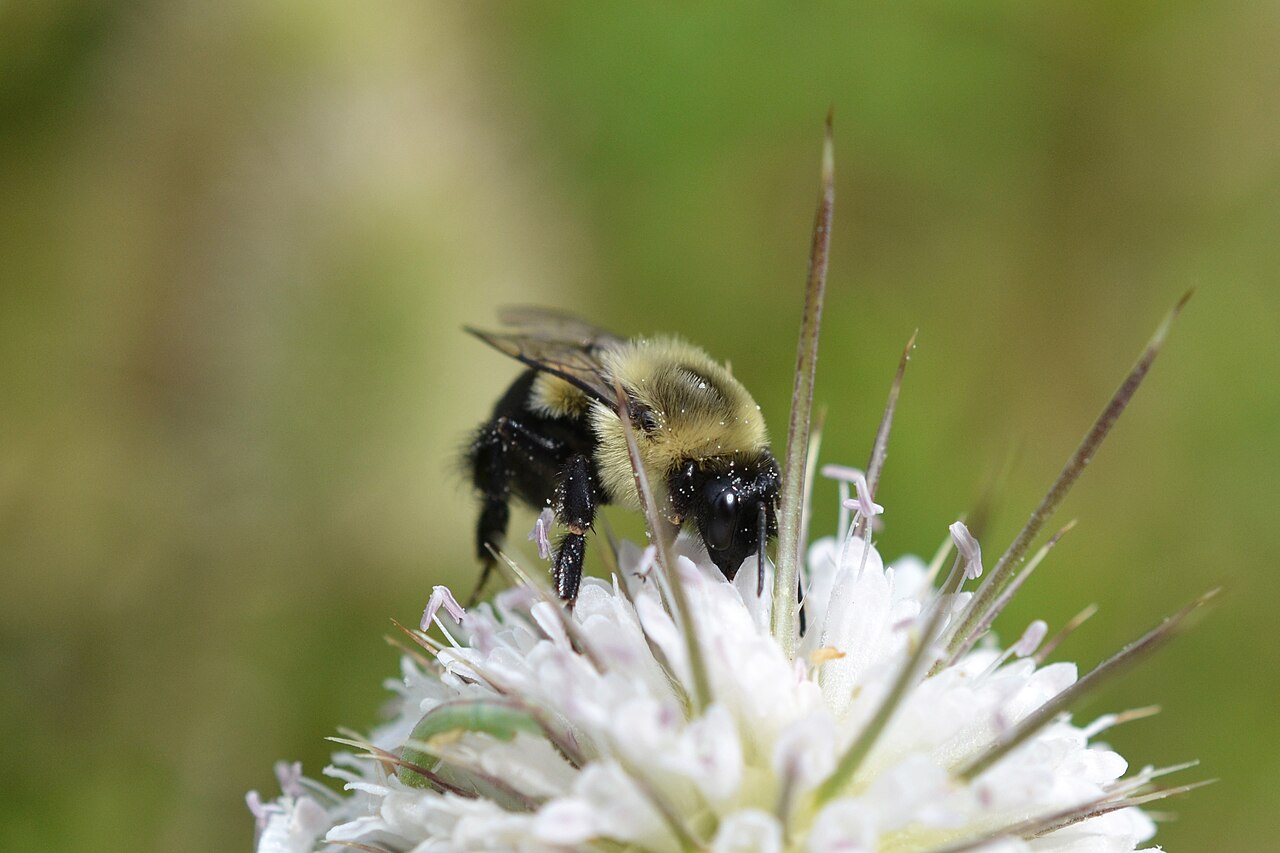
A bumblebee warns before it stings. The common eastern bumblebee (Bombus impatiens) lifts a middle leg toward you, the best-studied warning and the first signal. A louder buzz can follow, and a cornered bee can roll onto its back with the sting pointed up. A bee circling you is investigating a bright color or scent the way it checks a flower, not lining up an attack.
Take the meaning from the behavior. A calm bee that ignores you carries a calm message of patience and good fortune. An agitated bee with a raised leg says step back, both literally and in the situation on your mind.
| Encounter | Likely reason (behavior) | Common spiritual reading |
|---|---|---|
| Circling you | Checking bright colors or scent | Someone notices your effort |
| Following you along a path | Same route to flowers or the nest | Stay on your current course |
| On fall flowers | Late foraging before the colony ends | Gratitude for a season’s work |
| Two together | Sharing a rich flower patch | Partnership and balance |
| Bumping a lamp | Drawn to light, lost indoors | Searching for clarity |
| Sluggish on pavement | Cold or out of energy | Rest before the next push |
Where You See It in the House, at the Window and in Dreams
In the House. A bumblebee in the house is often a spring queen that wandered in while searching for a nest site. She is lost, not hostile. Inside, she stands for fortune arriving at your door, so guide her out with a glass and a card.
At the Window. A bumblebee at the window is trapped against the glass, not trying to get in. It sees light and keeps pushing toward it. That stands for a blocked goal, where the answer is a different opening, not more force.
Dead Bumblebee. A dead bumblebee late in the season is an exhausted worker or male at the end of its life. A summer worker lives only a few weeks, so finding one is a normal end, not a bad sign. The sign is a closing chapter, ended naturally and without blame.
Landing on You. A bumblebee landing on you is resting or briefly investigating you. Stay still and it leaves. A bee landing on you has its own set of meanings by body spot.
In a Dream. A bumblebee in a dream points to a busy stretch ahead. A dream bee that drifts slowly is a reminder to pace yourself before that season starts.
Bumblebees and Bees in the Bible
Biblically, a bee points to danger when bees swarm and to God’s blessing when they give honey. The Bible names bees, not bumblebees, so Christian readers apply these verses to bumblebees by extension.
Judges 14:8 tells how Samson finds a swarm of bees and honey inside the carcass of the lion he killed. Sweetness comes out of strength and danger. Deborah, the prophetess and judge in Judges 4, carries a Hebrew name that means bee. Her story links the bee to wisdom and leadership.
Psalm 118:12 and Deuteronomy 1:44 use swarming bees as images of enemies that surround and chase. Exodus 3:8 promises a land flowing with milk and honey, and there honey means blessing and provision. A gentle bumblebee fits the blessing side of that picture far better than the swarm.
What a Bumblebee Means by Season
In early spring, a bumblebee is a lone queen searching for a nest, and the meaning is a new beginning. She starts the whole colony by herself. A spring sighting tells you to start the project you have been circling.
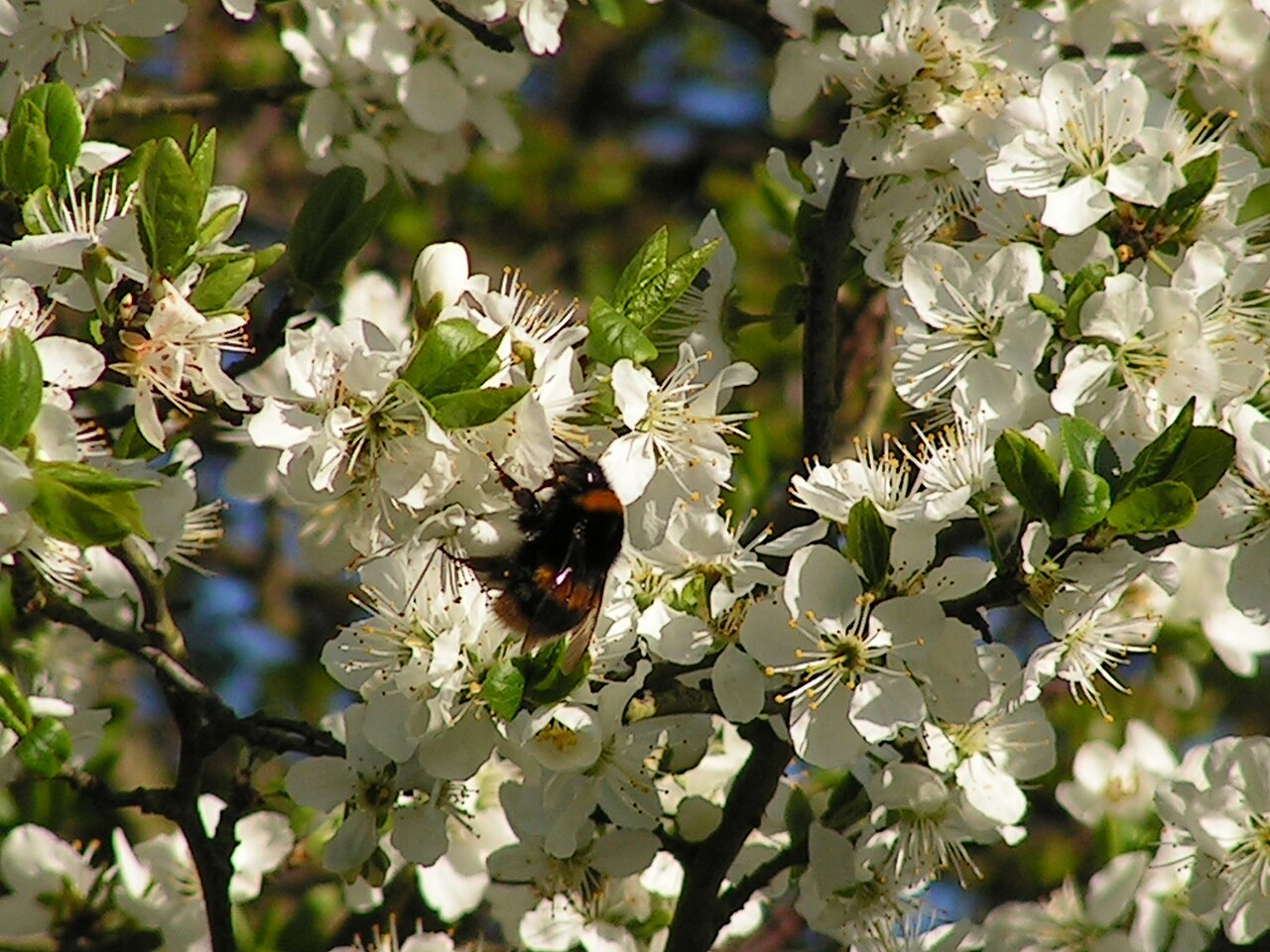
In summer, the bees you see are workers foraging for the colony. Their meaning is productivity and teamwork. A summer sighting supports group work, shared goals and steady output over flashy wins.
In late summer and fall, males and new queens appear and the old colony winds down, so the season means transition and letting go. Typically only the new queens survive winter, sheltering underground until spring. That makes a fall bumblebee a sign of endurance through hard times.
Bumblebee vs Honeybee Meaning
A honeybee stands for order, the hive and sweetness harvested and shared, while a bumblebee stands for personal effort. The western honeybee (Apis mellifera) lives in large, structured colonies that store honey for the group. The bumblebee lives in a small nest and works on a more individual scale.
Both are good omens. The honeybee leans toward shared wealth, institutions and community success. The bumblebee leans toward your own effort and the people closest to you.
Their stings differ as well. A honeybee sting is barbed and stays in the skin, and the bee dies after stinging. A bumblebee sting is smooth, so the bee can usually pull it out, sting again and survive, as the University of Wisconsin bumble bee FAQ explains. Bee symbolism centers on the hive and the queen, the shared order a small bumblebee nest only hints at.
How to Respond When a Bumblebee Appears
Log the date and place of each sighting, because repeat patterns show which part of your life the sign keeps pointing to.
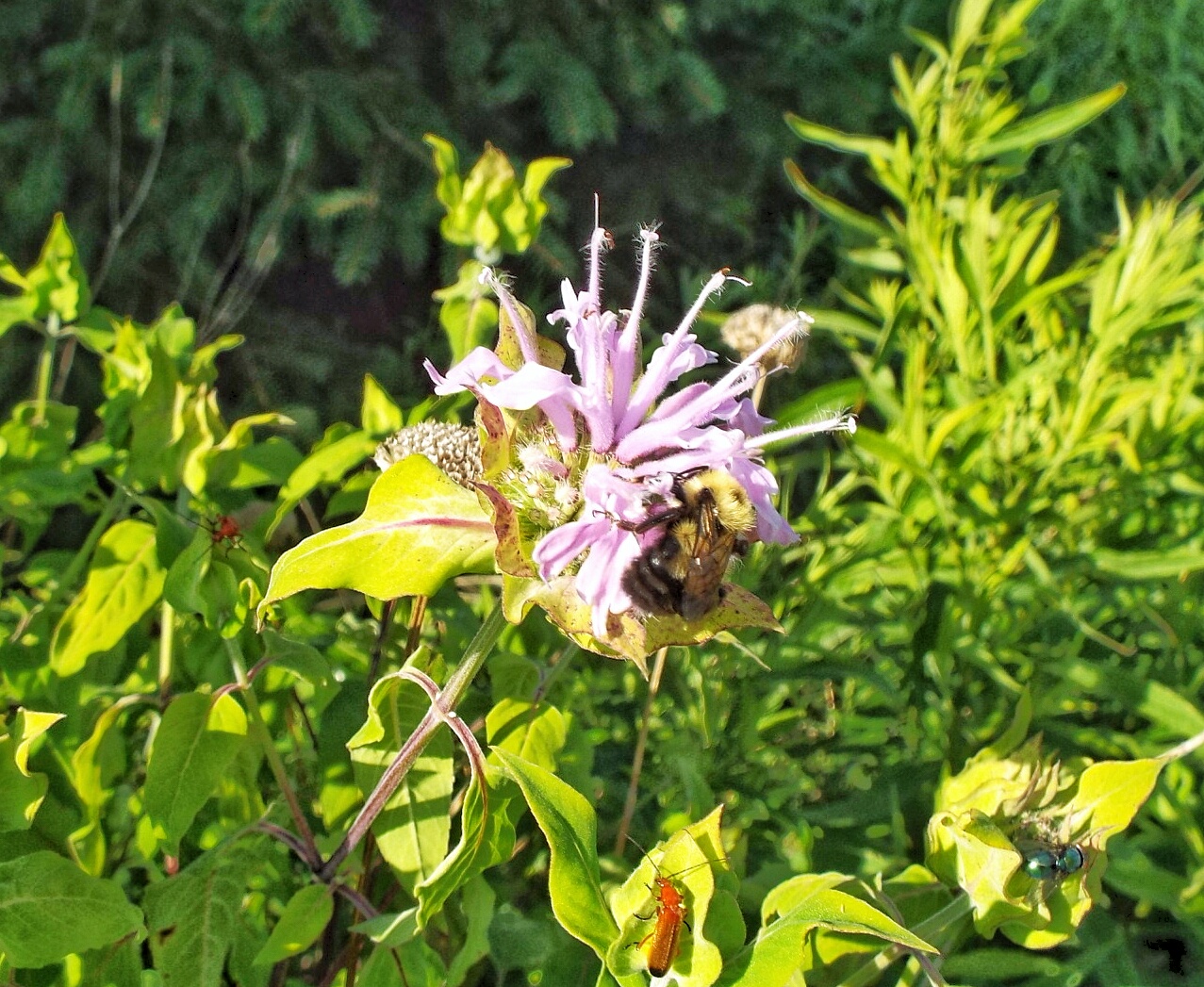
Honor the sign by planting native flowers such as bee balm (Monarda), which bumblebees visit all summer. A garden turns a single sighting into a regular meeting. A bee tattoo is the most lasting reminder for people who want to carry the sign with them.
Frequently Asked Questions
What is a bumblebee’s enemy?
Birds, spiders and mammals such as skunks that dig up ground nests are the main enemies of bumblebees. Robber flies also take adults. Pesticides and the loss of wildflowers are major threats to bumblebee numbers, so a flower-rich yard is real help.
Is it bad luck to kill a bumblebee?
Yes, killing a bumblebee is bad luck in popular belief, because it cuts off the good fortune the bee brings. There is a practical cost too. Bumblebees buzz-pollinate tomatoes, shaking pollen loose with vibration, which honeybees cannot do. Losing them costs gardens real fruit.
What does a black bumblebee mean?
A black bumblebee stands for protection and inner strength. Many all-black bees are carpenter bees (Xylocopa). A glossy, hairless abdomen means carpenter bee, and a fuzzy one means a dark bumblebee.
What does stepping on a bumblebee mean spiritually?
Stepping on a bumblebee is a warning to slow down and watch where you are going, in life as on the lawn. Workers forage low on clover and dandelions, so a barefoot step on a flowering lawn is the most common way people get stung.
Do bumblebees make honey?
No, not true honey. Bumblebees store a little nectar in wax pots inside the nest. They do not ripen it into true honey the way honeybees do, and the amount is far too small to harvest. The stores feed the colony through rainy days. The spiritual meaning follows from that. Bumblebee sweetness is for the family, not for sale.
Why are bumblebees so fuzzy?
Dense hair holds body heat and picks up pollen as bumblebees forage, so every flower visit dusts them in yellow. Before takeoff on a cold morning they also shiver their flight muscles to warm up. Spiritually, the softness stands for approachability, a strong and capable creature that still looks gentle enough to welcome close.
Sources
- Bumblebee Conservation Trust, Sugar water FAQ
- University of Minnesota, NestQuest, Bumble bee nesting 101
- University of Wisconsin Entomology, Bumble Bee FAQ
- PeerJ, The disturbance leg-lift response (DLR), an undescribed behavior in bumble bees
Explore more: Insect Spiritual Meanings: 15 Bugs and What They Signal