Seeing a Ladybug Meaning: Luck, Omens and Signs From Heaven
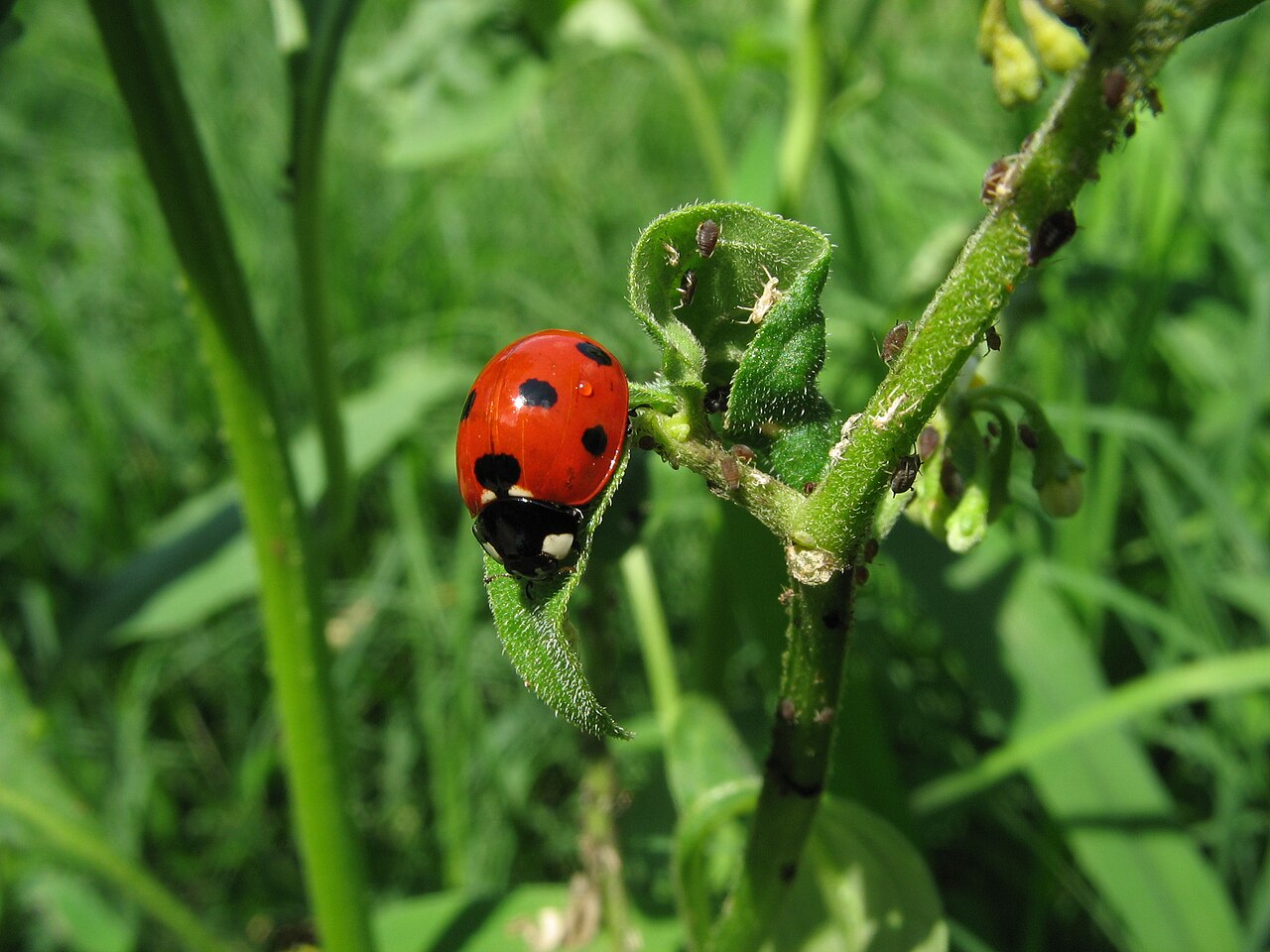
Seeing a ladybug meaning good luck and protection goes back to medieval European Catholic tradition, where farmers named the beetle for the Virgin Mary. The red wing covers recalled the red cloak of Mary in church paintings, and the seven black spots of the common European species recalled her seven sorrows. Farmers credited the beetle with saving their crops, because it eats the aphids that ruin them.
That history still shapes the sign. A ladybug points to luck that arrives quietly, protection for what you are growing, and a fresh start. One beetle on a sunny afternoon is a small encouragement, not a promise. The real insect behind it is a predator that keeps gardens healthy.
Spiritually, a ladybug stands for luck, protection and a new beginning, a reading rooted in the medieval name Our Lady’s bug for the Virgin Mary. The Bible never mentions ladybugs, so no verse makes the beetle a message from God or heaven. Let it walk off your hand and go outside unharmed.
What Does Seeing a Ladybug Mean?
Seeing a ladybug means luck, protection and a new beginning. The beetle shows up in spring when gardens wake and disappears in fall when they rest. Its arrival marks the start of a growing season, and that timing gives it the sense of a fresh chapter.

Protection comes from the insect itself. A ladybug eats aphids, scale insects and mites, the pests that strip roses and vegetable beds. A gardener who finds ladybugs finds a plant that is being defended. The sign follows the biology. Where the ladybug lands, something is being looked after.
Treat a sighting as a sign, not a guarantee. The beetle does not change your odds at work or in love. It asks you to notice what is going well and to keep tending it. Take the encouragement and keep your plans.
Ladybug Spiritual Meaning
The spiritual meaning of a ladybug is grace and protection, and it comes from the Virgin Mary. In medieval Europe the beetle became Our Lady’s bird in England and Marienkäfer, Mary’s beetle, in Germany. Farmers who prayed to Mary for relief from crop pests watched the beetles arrive and clear the fields. The name keeps that answered prayer alive.

In Japan the ladybug is tentōmushi, written with the characters for the path of the sun and insect. The beetle climbs to the top of a stem and flies upward, toward the light. That upward flight gives the Japanese name its sense of a creature heading for heaven. It reaches the same idea as the European name by another route, a small messenger between earth and sky.
The English nursery rhyme adds a third thread. Children sing “Ladybird, ladybird, fly away home” to the beetle before it lifts off a finger. Color adds a fourth layer. White ladybugs are separate species and lookalikes with a reading of their own.
Is a Ladybug a Good or Bad Omen?
A ladybug is a good omen. Its oldest meaning is protection for the harvest, since the beetles cleared the aphids that threatened grain, hops and vines. The Marian tradition gives a living ladybug no role as a warning. The sighting points toward help arriving, not trouble.
The bad luck sits with killing one. Crushing a ladybug as an invitation to misfortune is a modern reading, and it grows out of the older respect for a helper that saved crops. Hurting the guardian undoes the protection. That logic is simple, and it keeps people from swatting a useful insect.
The old rhyme points the same way. Its next line tells the beetle that its house is on fire. The warning is for the ladybug, not for you, and sending it home is an act of care.
Ladybug Meaning in Love and Relationships
In love, a ladybug points to a relationship that is about to go well. This reading is modern. It does not come from the Marian tradition, which concerns crops and protection, but it borrows the same idea of luck arriving on its own. A ladybug near you while you think of someone marks that person as worth your attention.
A ladybug that settles on your hand during a date or a hard conversation adds weight to the moment. The beetle chose stillness, and stillness is what the moment asks of you too. Let it walk, then let it go.
Do not read a missing ladybug as a bad sign for a relationship. The beetle answers to warmth, light and food, not to your heart. Its presence is encouragement. Its absence means nothing.
Seeing One Ladybug Versus Many, at Home or Landing on You
A single ladybug is a personal sign, a small nudge of luck meant for one moment. It asks you to pause and notice. One beetle on a window or a car door is the classic sighting, and it carries the full meaning of luck and protection on its own. Many ladybugs at once are a different matter, and the reason is the season.
A ladybug that lands on you carries a closer and more personal message than one you only see. That contact turns a general sign of luck into one aimed at you. It has its own guide because the details matter.
A ladybug in the house has a spiritual reading tied to the home. Dozens indoors in October have a plain cause. Asian lady beetles (Harmonia axyridis) gather on sunny, light-colored walls in fall and slip through gaps to spend the winter inside. The crowd follows the calendar, not a message.
Does the Bible Mention Ladybugs? Signs From God and Heaven
No, the Bible does not mention ladybugs. Neither the Old nor the New Testament names the beetle. The insects it does name, such as locusts, bees and moths, have clear roles in the text. Any quoted ladybug verse is a misquote.
The Catholic link is Mary, not Scripture. The name Our Lady’s bug comes from medieval devotion to the Virgin, so the beetle belongs to church custom rather than the biblical text. For a Catholic, a ladybug works as a small reminder of Mary’s care.
A ladybug as a sign from God or from someone in heaven is a personal interpretation. If a ladybug arrives on a hard day and the moment helps you, that meaning is yours to keep.
What to Do When You See a Ladybug (and Why Not to Kill It)
Leave the ladybug alone or move it outside, and never crush it. A crushed or startled beetle releases a yellow fluid from its leg joints that smells bitter and stains walls and fabric. Some lady beetles also nip skin. The bite is harmless, but the Asian species can trigger allergies, and the University of Kentucky Multicolored Asian Lady Beetle fact sheet covers the bite, the stains and the allergy risk.

Asian lady beetles look like native ladybugs but carry a white mark with a black M shape behind the head, and they are the ones that bite and crowd indoors. To move any lady beetle, let it climb onto a card or your finger and carry it to a plant outside. For a crowd, a vacuum with a stocking over the hose collects them without harm, and you release the catch outdoors.
A dead ladybug on a windowsill has its own meaning and a practical explanation. Beetles that wander indoors in fall dry out before spring. Finding one in winter is natural and points to nothing more than the season.
Ladybug Meanings at a Glance
Every ladybug sighting comes back to luck and protection, and the setting adds the detail.
| Sighting | Meaning | Where the meaning comes from |
|---|---|---|
| One ladybug outdoors | Luck and a fresh start | Marian name, medieval Europe |
| Ladybug landing on you | A personal nudge to pause | Modern interpretation |
| Ladybug in the house | Protection of the home | Modern interpretation |
| Dozens indoors in fall | Seasonal shelter, no message | Overwintering of Harmonia axyridis |
| Killing a ladybug | Bad luck | Respect for a crop helper |
| Dead ladybug in winter | End of a season | Natural indoor die-off |
Frequently Asked Questions
What is the old saying about ladybugs?
The old saying is the English rhyme “Ladybird, ladybird, fly away home,” sung to send the beetle off a finger. One explanation ties it to farmers burning hop fields after harvest, when beetles still on the vines had to escape the fire. Children still recite it while the beetle opens its wings.
Do ladybugs bite or are they poisonous?
Ladybugs are not poisonous to people, and their bite is harmless. Asian lady beetles nip skin more readily than native species. When threatened, ladybugs release a yellow fluid that smells bitter and leaves stains on fabric and walls. In some people the Asian species triggers allergies, so keep crowds out of the house.
Do the spots show how old a ladybug is?
No. The spots show the species, not the age. A seven-spot ladybug (Coccinella septempunctata) carries seven spots its whole adult life, and the count never grows. Some species have no spots at all, and the Asian lady beetle ranges from none to more than a dozen.
How long does a ladybug live?
Many ladybug species live about 1 to 2 years. Adults spend the cold months in a winter rest, packed together in groups under bark, in leaf litter or inside walls. They wake in spring, feed on aphids and lay eggs on the plants where their young will hunt.
Why do ladybugs suddenly appear?
Ladybugs appear suddenly because they move with the seasons. In fall they gather on sunny walls looking for a winter shelter. In late winter and spring the same beetles leave their hiding places in walls and attics together, heading for windows and light, so a quiet room fills with them in a single day.
Sources
Explore more: Insect Spiritual Meanings: 15 Bugs and What They Signal