Boer Goat: Size, Cost, Temperament and Lifespan
The Boer goat (Capra hircus) is a heavily muscled South African meat breed bred for fast growth.
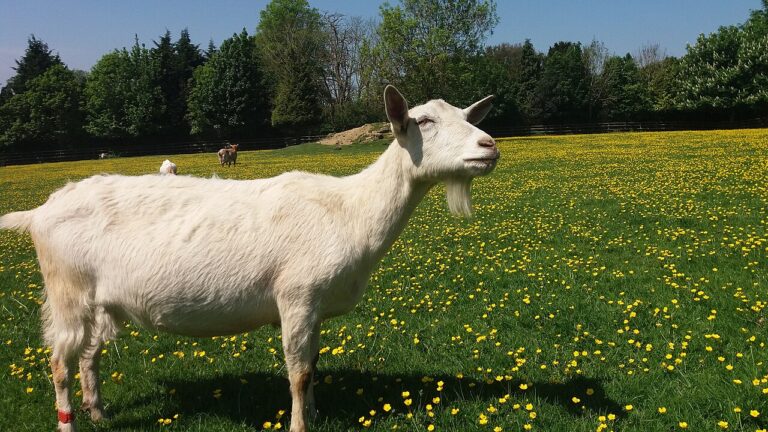
Saanen goats are the dairy contrast, bred for milk.
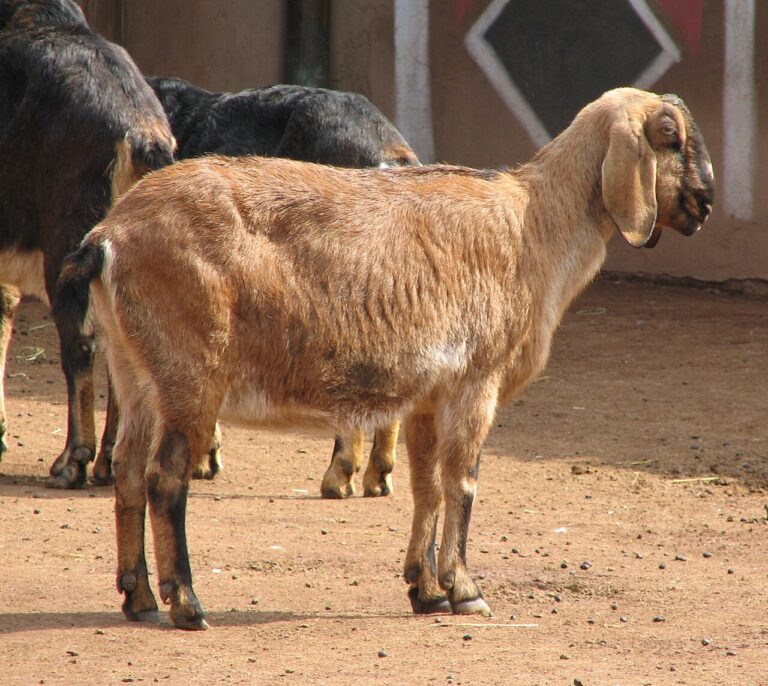
The Boer goat is a South African meat breed with a white body and red-brown head. Mature bucks typically weigh 200 to 340 lb (90 to 155 kg) and does 190 to 230 lb (86 to 104 kg). The breed is calm enough for beginners and gains weight fast on pasture.
| Trait | Boer goat | Saanen goat |
|---|---|---|
| Origin | South Africa | Switzerland |
| Main use | Meat | Milk |
| Ears | Long and floppy | Short and upright |
| Build | Deep and muscled | Lean dairy frame |
| Temperament | Calm and docile | Gentle and steady |
How Much Does a Boer Goat Cost?
A Boer goat typically costs $200 to $500 as a commercial kid, $500 to $1,500 as registered fullblood breeding stock and $2,000 or more as a proven show animal.
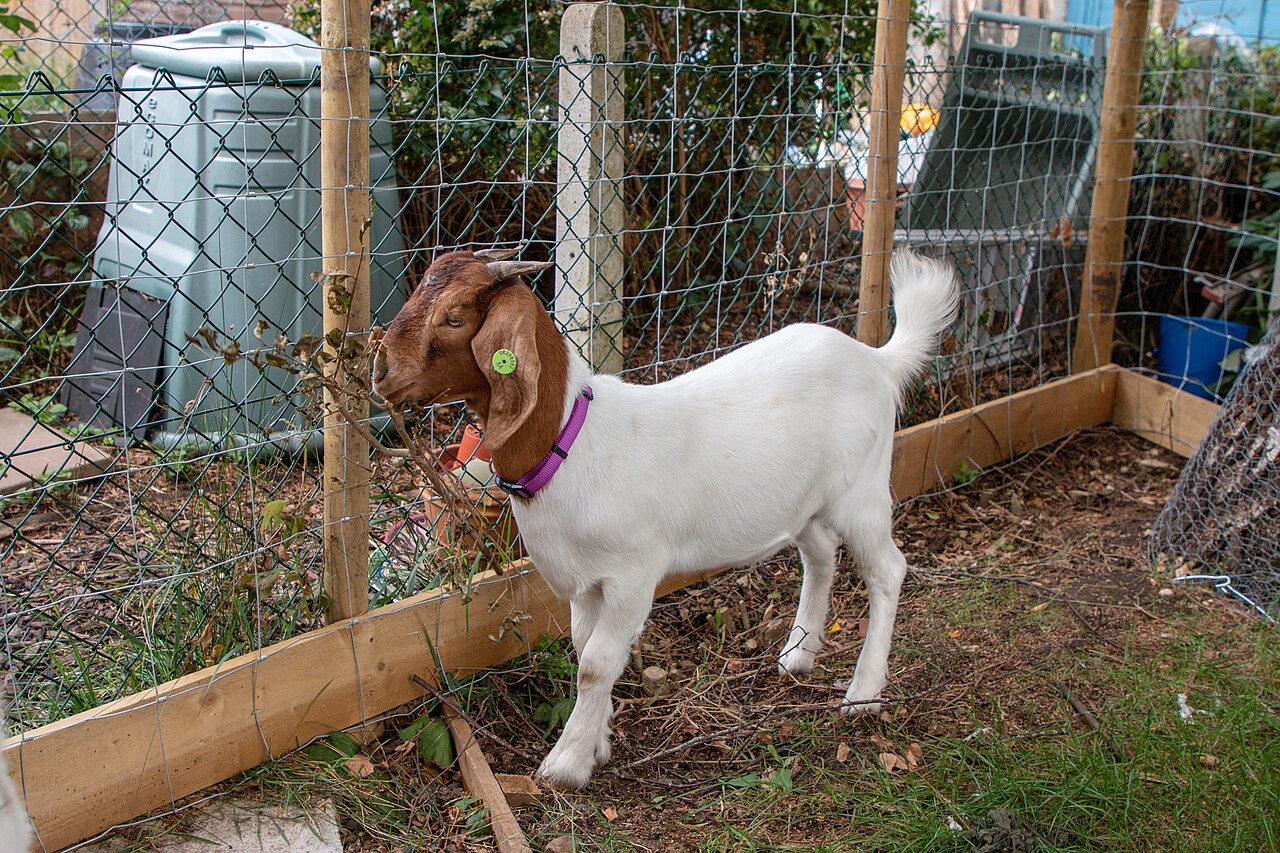
Hay, minerals, dewormer and hoof trims add monthly costs.
Are Boer Goats Friendly? Yes. Boer goats are calm, docile and easy to handle, which suits beginners. LaMancha goats share that temperament.
How Big Does a Boer Goat Get? Boer goats are among the largest goat breeds, and kids grow fast. A 3 month old Boer kid typically weighs about 35 to 50 lb (16 to 23 kg) or more, since Penn State Extension sets 35 to 50 lb or more at 90 days as the target for meat goat kids. Weight varies with litter size, sire and feed, so weigh your own kids to track growth.
How Many Acres for 2 Goats? Two Boer goats typically need no more than about one acre of good pasture, since extension stocking rates run from roughly 2 to 8 goats per acre depending on forage and worm pressure. Split it into paddocks to rotate grazing. Add a shelter and 4 ft (1.2 m) woven wire fence.
What Is the Lifespan of a Boer Goat? A Boer goat typically lives 8 to 12 years with good care. Its main disadvantages are a high worm load and steady feed cost.
The CDC warns that even healthy farm animals can carry diseases. Goats can host the tapeworm Echinococcus granulosus, and leptospirosis spreads through infected urine. Wash your hands after handling goats.
Frequently Asked Questions
What is the number one killer of goats?
Internal parasites are typically the number one killer of goats, led by the barber pole worm (Haemonchus contortus). It feeds on blood and causes anemia. FAMACHA scoring rates lower eyelid color from 1 to 5, and pale lids mark goats needing treatment. Goat symbolism covers what goats represent in culture, which is a separate topic from the breed traits and care facts described here.
Do Boer goats have twins?
Yes. Boer does typically have twins, and triplets are common in well-fed herds.
Sources