Nubian Goat: Price, Lifespan, Temperament and Downsides
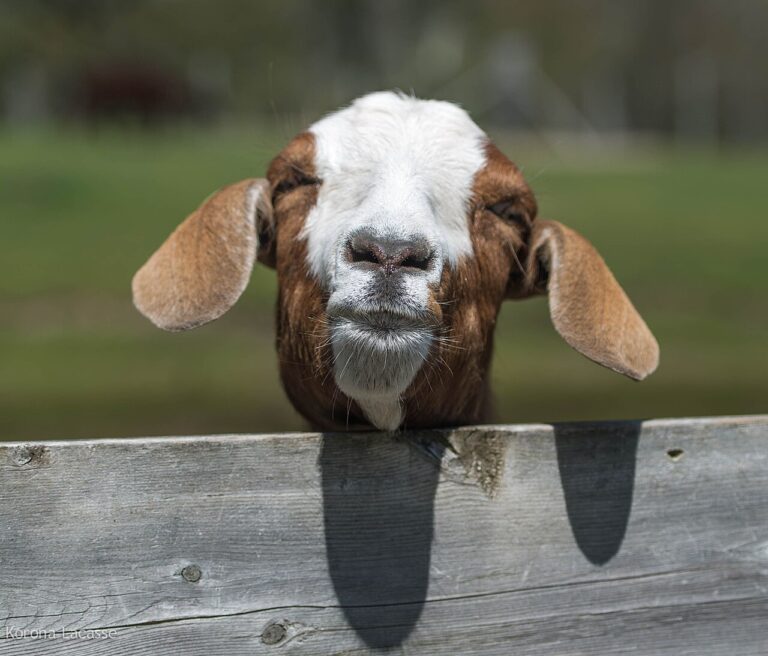
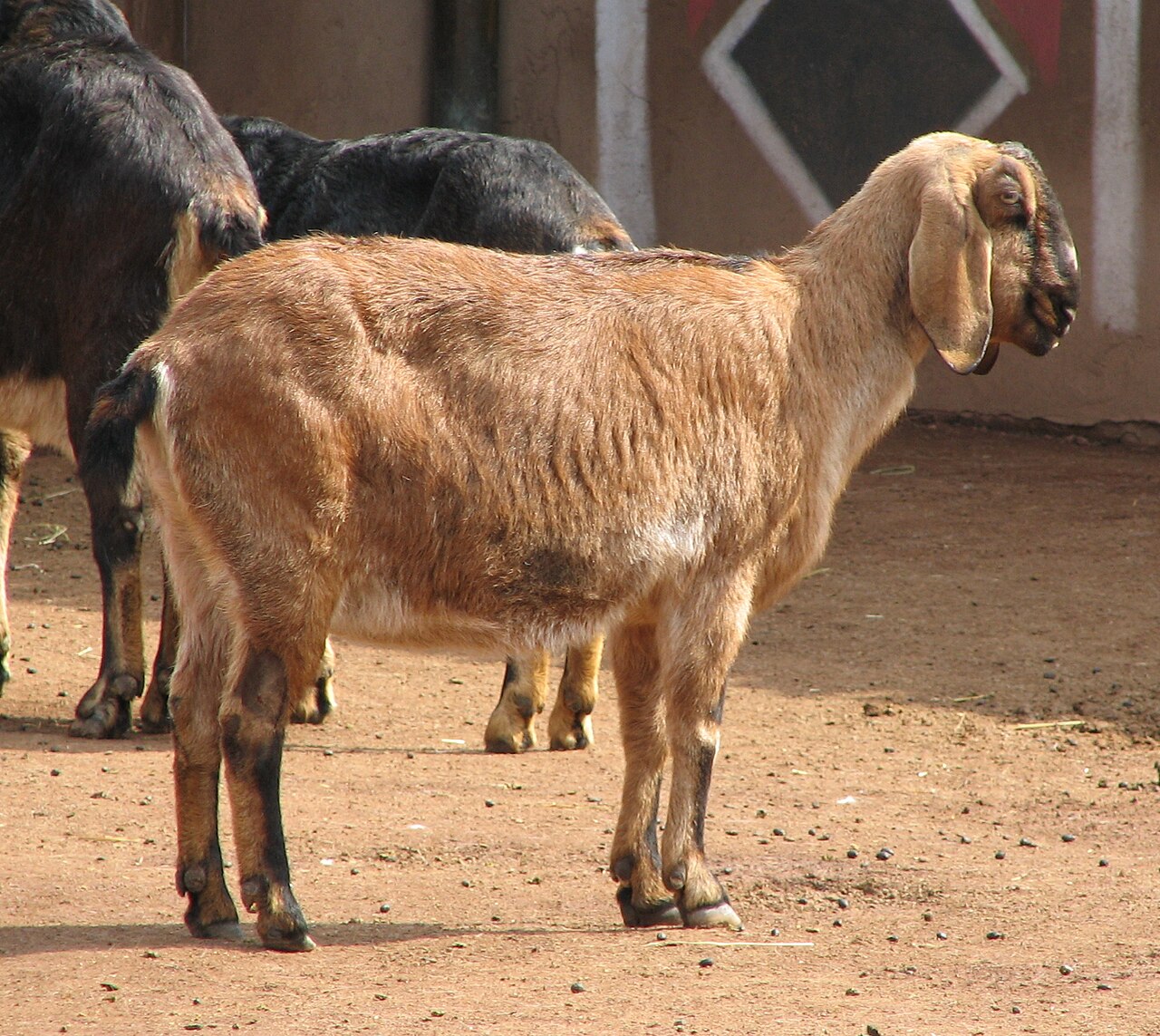
The Nubian goat is a large dairy breed of domestic goat (Capra hircus) known for its long, floppy ears, its curved Roman nose, and its rich, creamy milk. The same breed is also known as Anglo-Nubian, particularly in Britain. It was developed in England from British goats crossed with bucks imported from India and Africa.
The Nubian goat is a large, floppy-eared dairy breed with a Roman nose and creamy, high-butterfat milk. Nubians are affectionate and very vocal. They live about 10 to 15 years with good care, need at least one goat companion, and a registered doe costs a few hundred dollars or more.
Nubian Goat Characteristics and Temperament
Nubian goats are tall, long-eared dairy goats with a convex Roman nose and a typically gentle, talkative temperament. Their ears hang below the muzzle and flare outward and forward at the rounded tips. The ADGA breed standards describe mature does as at least 30 inches (76 cm) tall and weighing 135 pounds (61 kg), and bucks as at least 32 inches (81 cm) tall and weighing 170 pounds (77 kg). LaMancha goats have very short ears that barely show.
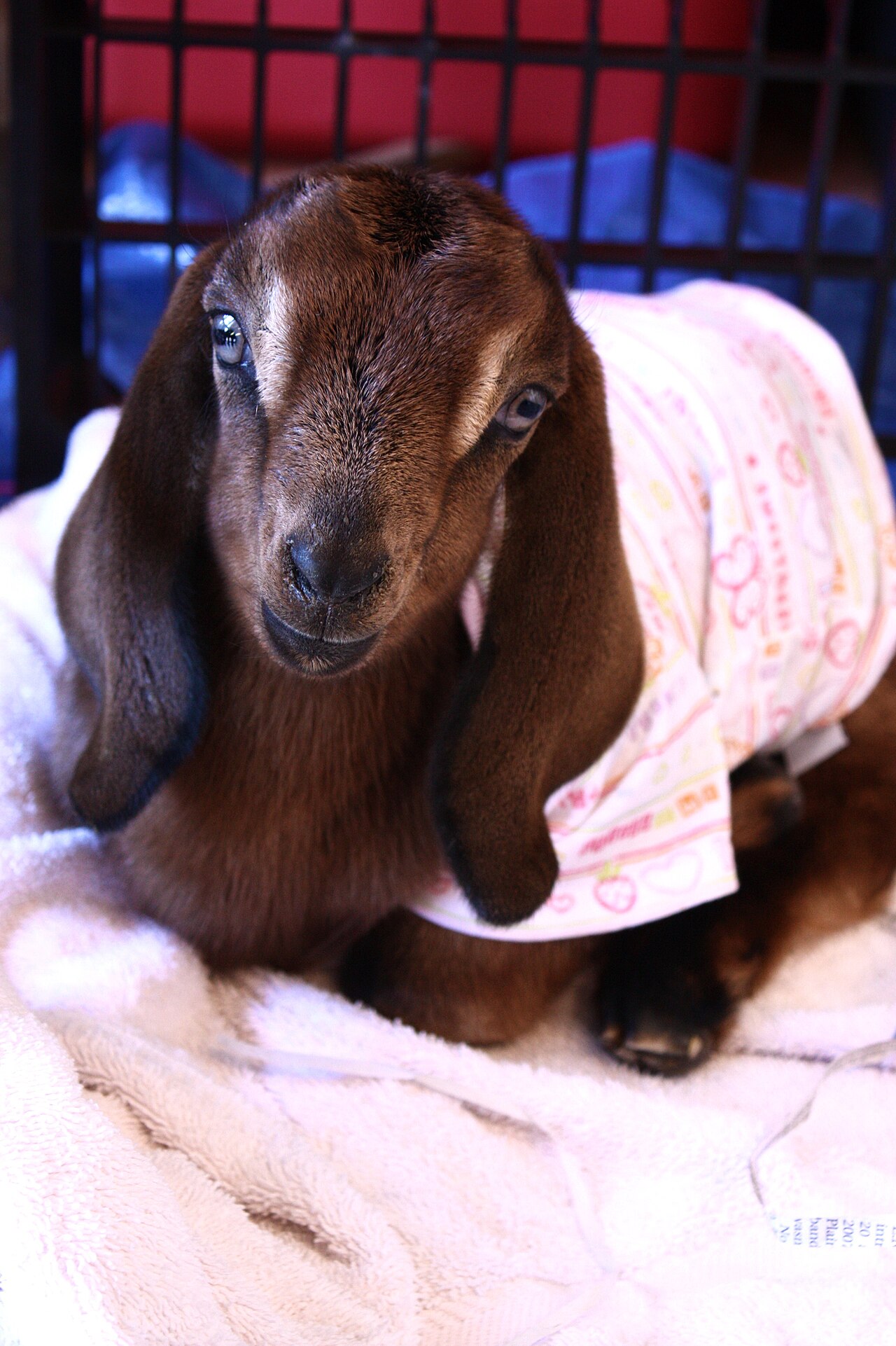
Many Nubians seek out people, follow their keepers along the fence, and enjoy familiar handling. Their curiosity makes secure gate latches important. Bottle-raised kids can become strongly attached to people, but adult temperament also depends on the individual and its handling.
Nubian milk is sweet and rich, with more butterfat than the milk of most large dairy breeds. Saanen goats typically produce more milk than Nubians, with a lower butterfat percentage.
Downsides of Nubian Goats: Noise and Social Needs
The biggest downside of a Nubian goat is noise. Nubians call loudly at feeding time, when they see you, and when a herdmate leaves the pen. On a small lot with close neighbors, persistent calling can make Nubians an unsuitable choice.
Goats are herd animals, so plan for at least two. An isolated goat may call persistently, pace, or eat less; plan for goat companionship from the start. Icelandic sheep can share pasture with goats but do not replace a goat companion.
Fencing comes next. Nubians can lean on, climb, and test fences, so use securely installed fencing designed for goats. Choose openings that prevent heads and horns becoming trapped, and adapt fence height to the animals and site. University of Nebraska Extension warns that larger openings in cattle woven wire can trap goats’ heads. Intact bucks smell strongly in breeding season and need separate housing. Zoning rules vary by county and town, so check them before you buy.
Cost and output round out the list. Hay, feed, minerals, hoof care, and vet visits add up for two animals, and Nubians typically produce less milk than higher-yield dairy breeds. Keeping a dairy doe also involves breeding, kidding, and regular milking during lactation. Goat symbolism varies across cultural traditions.
Nubian Goat vs Mini Nubian at a Glance
The Mini Nubian descends from Nubian and Nigerian Dwarf crosses and is typically smaller than a standard Nubian. Later generations may be bred Mini Nubian to Mini Nubian, but they are not purebred standard Nubians. Size, milk yield, and price vary by animal and breeding line. The Nigerian Dwarf parent breed can also be noisy, so smaller size does not guarantee a quiet Mini Nubian.
| Trait | Nubian | Mini Nubian |
|---|---|---|
| Ancestry | Purebred dairy breed, also called Anglo-Nubian | Nubian crossed with Nigerian Dwarf |
| Ears | Long and pendulous, below the muzzle | Long, sometimes slightly shorter |
| Size | Large, does about 30 in (76 cm) at the shoulder | Medium, noticeably shorter and lighter |
| Milk | Rich, moderate volume | Rich, smaller volume |
| Voice | Very loud | Loud |
| Purchase price | A few hundred dollars and up for registered stock | Similar range, varies with the generation of the cross |
Nubian Goat Price and Where to Buy One
As checked in November 2026, example U.S. starting prices for Nubians range from US$150 for wethers to US$450 for ADGA-registered does at Fern Hill Farm in Missouri. These are breeder-specific starting prices; individual animals can cost more. Wethers are often a less expensive choice for companionship.
For Mini Nubians, Bystander Farm lists starting prices from US$200 for wethers to US$450 for doelings, as checked in November 2026.
For standard Nubians, look for breeders with American Dairy Goat Association (ADGA) registration; Mini Nubians may be registered with the Miniature Dairy Goat Association (MDGA). Ask for recent herd health records, CAE and CL test results, milk records for the dam, and the kids’ vaccination and disbudding history. Have your veterinarian help assess testing and quarantine arrangements. Fainting goats are another breed to research when companionship is your priority.
Lifespan and Keeping Nubian Goats Healthy
Nubian goats typically live about 10 to 15 years, according to the Assiniboine Park Conservancy’s breed profile published April 6, 2021. This is an expected lifespan range, not a guarantee of productive milking years. Nutrition, disease prevention, and individual health affect longevity.
Internal parasites are a leading cause of death in sheep and goats in the United States, according to University of Minnesota Extension. The barber pole worm (Haemonchus contortus) feeds on blood in the stomach and can cause fatal anemia, especially in warm, wet conditions. Pale inner eyelids, swelling beneath the jaw, and weakness can be warning signs. Prevention relies on grazing management, fecal testing, and FAMACHA checks; a veterinarian should guide testing and any treatment.
Routine care helps reduce avoidable health problems. Provide dry shelter and clean drinking water. Trim hooves regularly, ask your vet about vaccines, and offer a loose mineral made for goats. The CDC notes that even healthy farm animals can carry germs that make people sick, so wash your hands after handling goats.
Toxic Plants and Feed Dangers for Goats
Azalea, rhododendron, mountain laurel, oleander (Nerium oleander), yew (Taxus), and wilted wild cherry leaves are among the plants most dangerous to goats. Goats do not eat everything, and that myth kills animals.
Feed mistakes can also be fatal. Do not offer moldy hay or spoiled feed. Sudden access to large amounts of grain can cause grain overload and bloat, while lush legume pasture can cause bloat. Introduce feed changes gradually and lock grain where goats cannot reach it. Suspected grain overload or bloat requires urgent veterinary attention.
Use clean, suitable hay and correctly identified, goat-safe browse and pasture plants. Familiarity does not make a plant safe: Langston University warns that goats may eat poisonous weeds and shrubs. Walk the enclosure and fence line before goats arrive, remove or fence off toxic plants, and clear fallen branches and trimmings after storms. If poisoning is suspected, prevent further access and contact a veterinarian immediately.
Frequently Asked Questions
Do goats remember their owners?
Yes. Goats can learn to recognize and remember familiar keepers. Individual responses vary, and calm, consistent handling helps build trust.
Do goats get sad when another goat dies?
Yes, goats can show distress after losing a herdmate, including calling, searching, or reduced appetite. Keep surviving goats with familiar companions where possible. If a goat is left alone, arrange suitable goat companionship with appropriate health precautions. Reduced appetite can also signal illness, so contact a veterinarian if it persists.
What is the leading cause of death in goats?
Internal parasites, including the barber pole worm (Haemonchus contortus), are a leading cause of death in goats, particularly in grazing systems favorable to parasites. This worm feeds on blood and can cause fatal anemia. Ask a veterinarian about fecal testing, grazing management, and training in FAMACHA eyelid assessment for anemia monitoring.
What is extremely toxic to goats?
Azalea, rhododendron, mountain laurel, oleander, and yew are extremely toxic to goats, and small amounts can kill. Wilted wild cherry leaves are more dangerous than fresh ones because wilting releases cyanide.
How much does a mini Nubian goat cost?
As a U.S. example checked in November 2026, Bystander Farm lists Mini Nubian starting prices from US$200 for wethers to US$450 for doelings, with bucklings starting at US$300. These breeder-specific prices can differ from local quotes. Pedigree, registration, age, and milk records affect price; wethers are often the less expensive companion option.
Sources
- CDC, Healthy Pets, Healthy People: Farm Animals
- ADGA, Breed Standards
- Fern Hill Farm, Goats for Sale
- Bystander Farm
- Assiniboine Park Conservancy, Nubian Goat
- University of Minnesota Extension, Barberpole Worms