Kiko Goat: Meat Taste, Price, Size and Breeding
A Kiko goat is a hardy meat goat from New Zealand, developed from feral goats for growth and survival under extensive management. Kikos typically forage well on brush pasture and often kid without assistance, but parasite resistance varies among animals and herds. The name comes from the Māori word for meat.
Kikos (Capra hircus) are livestock, and the CDC notes that farm animals should not be kept inside the home.
Kiko goats are hardy New Zealand meat goats. Mature does typically weigh 100 to 180 lb and bucks 200 to 250 lb. Fall breeding suits many Northern Hemisphere herds planning spring kidding. A buck can breed his daughters, but use an unrelated buck to reduce inbreeding risks.
What Is a Kiko Goat?
A Kiko goat is a meat breed developed in New Zealand from feral goats that lived wild in hill country. Breeders crossed the toughest of those does with larger dairy bucks. They kept only the animals that grew fast and stayed healthy on pasture without much care. The breed reached the United States in the 1990s. Goat symbolism played no part in how the Kiko was developed, because breeders kept only the animals that grew fast and stayed healthy on pasture.
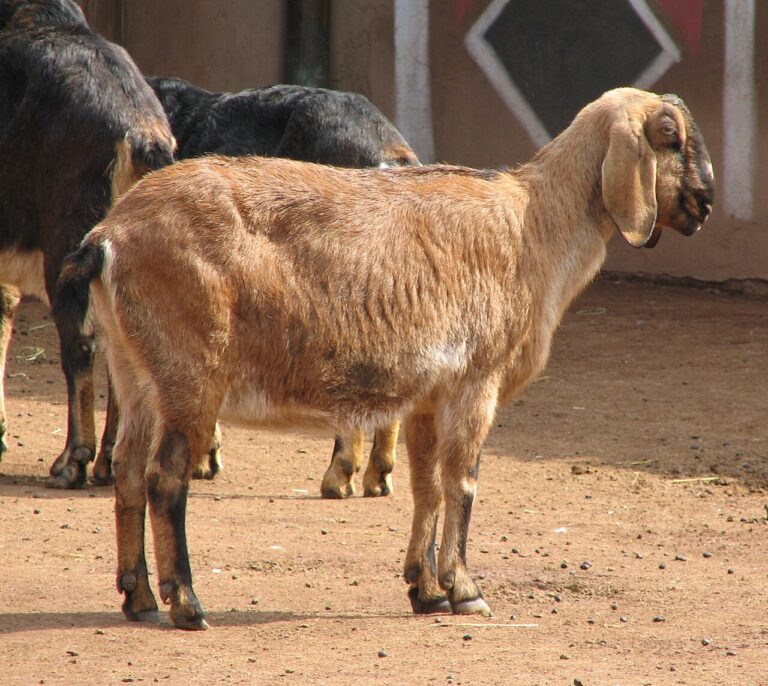
Kikos can be white, cream, colored or patterned, with a solid frame and long legs. Bucks typically carry wide, spreading horns. Saanen goats are white or cream dairy goats, so coat color alone cannot distinguish them from a pale Kiko.
Hardiness is the reason people buy them. Kikos typically forage well and often kid without assistance, while parasite resistance varies among bloodlines and individual animals. No goat is immune to worms, and resistant animals still need monitoring. Fainting goats are a separate breed from the Kiko, which is a meat goat developed in New Zealand for growth and survival under extensive management.
What Does Kiko Goat Meat Taste Like?
Kiko goat meat is typically lean and can taste mild, especially from young animals; comparisons with beef or lamb are subjective. Young goats generally provide tenderer cuts, while meat from mature animals often has a more pronounced flavor and suits braises, curries and stews. Tender cuts from young goats can also be grilled.
Goat meat is typically lean and can dry out during cooking. Braise tougher cuts slowly with moisture, and cook tender cuts carefully over direct heat. Use a food thermometer and follow USDA safe cooking guidance rather than judging doneness by color or a term such as medium.
Breed, age, diet, handling and cooking can all affect eating quality. A Kiko label does not guarantee milder or more tender meat than Boer or other goat meat; compare slaughter age, feeding and processing when choosing meat.
How Big Does a Kiko Goat Get?
Mature Kiko does typically weigh about 100 to 180 lb (45 to 82 kg), while bucks typically weigh about 200 to 250 lb (91 to 113 kg), according to UC Cooperative Extension. Bucks stand taller and carry heavier shoulders and horns. Size varies with bloodline and feed.
Kids grow fast on milk and good browse. Weigh them every few weeks with a scale or weight tape; gain says more about milk supply and parasite load than looks do.
Kikos need secure fencing and sturdy gates suited to adult animals. Pasture needs depend on forage quality, available feed and local conditions. Plan pens around the size of the buck, not the doe.
What Is the Price of a Kiko Goat?
For U.S. asking-price examples, Calk Farm’s September 2025 listings include young commercial doelings at $200 and a 100% New Zealand doeling at $600. Natures Nook Farm quotes breeding stock at $800 to $1,000. These are seller examples, not a market average; confirm current availability and a written price locally.
Registration, performance records and a proven kidding history can raise the price. Compare documented health and growth performance alongside pedigree, and check local listings rather than assuming a seasonal price rise.
Buy from breeders who share health records and let you walk the herd. Ask about deworming history, foot rot and abscesses; auction barns rarely offer that history.
When and How Should You Breed Kiko Goats?
No single breeding month is best everywhere. September to November can suit Northern Hemisphere herds aiming for kidding from late January to April, after a typical pregnancy of about 150 days. Oregon State Extension’s meat goat guide notes that Kikos can breed throughout the year. Choose dates around local weather, forage and market plans. In the Southern Hemisphere, use local autumn months for spring kidding.
| Stage | Timing | Key task |
|---|---|---|
| Breeding | September to November | Put an unrelated buck in with the does |
| Pregnancy | About 150 days | Keep does fit, not fat |
| Kidding | Late January to April | Check that each kid nurses soon after birth |
| Weaning | 3 to 4 months of age | Move kids to clean, fresh pasture |
| First breeding of doelings | Once they reach most of adult size | Wait rather than rush |
| Buck rotation | Before his daughters can breed | Bring in a new buck or pen daughters apart |
A buck can breed his own daughters, but father and daughter pairing is close inbreeding that raises the odds of inherited defects, weak kids and lower fertility. Swap in an unrelated buck before his first daughters reach breeding age, or sell or separate those doelings.
Pick a buck whose strengths cover your does’ weak spots, with sound feet, good weaning weights and records of low deworming need.
What to Feed Kiko Goats and How to Keep Them Healthy
Kiko goats typically do well on browse and pasture, with good hay whenever forage is insufficient, constant clean water and loose minerals formulated for goats. They often prefer leaves, brush, vines and weeds. Browsing above ground level can reduce exposure to some parasite larvae, but it does not replace monitoring. Supplement grain according to forage quality, body condition and stage of production.
LaMancha goats typically need additional dietary energy when lactating; Kiko rations also depend on growth, pregnancy, milk production and forage quality. The University of Tennessee veterinary hospital recommends free-choice baking soda when concentrates are fed, to help buffer rumen acidity. It is not a universal preventive for bloat. A bloated goat needs prompt veterinary care.
Internal parasites can remain a major health threat even in resistant herds. Monitor body condition and use trained eyelid checks as one indicator of anemia, alongside fecal testing and veterinary advice on treatment. Inspect hooves regularly and trim as needed. Discuss a local vaccination plan with your veterinarian; UF/IFAS Extension identifies CD&T, covering Clostridium perfringens types C and D and tetanus, as a common goat vaccination. Even healthy animals can carry diseases, so wash your hands after chores.
Frequently Asked Questions
Can a dad goat breed a daughter goat?
Yes, a buck can physically breed his daughters, but it is close inbreeding. It raises the risk of inherited defects, weak kids and poor fertility. Kiko breeders avoid it by bringing in an unrelated buck, selling doelings, or penning daughters apart before they reach breeding age.
Why give baking soda to goats?
Baking soda is offered to help buffer rumen acidity, particularly when concentrates are fed. Whether to provide it depends on the ration and veterinary advice. It does not reliably prevent every cause of bloat or make sudden feed changes safe. A bloated goat needs prompt veterinary care rather than reliance on baking soda.
What food do goats love the most?
Browse is the favorite. Goats reach first for leaves, brush, vines, blackberry canes and broadleaf weeds. Keep treats like apple slices or carrots small so they do not crowd out hay and minerals.
What is the description of a goat?
A goat is a hoofed, cud-chewing animal with a four-chambered stomach and a short upright tail. Many goats have horns, and beards are especially common in males. Domestic goats are curious browsers that live in herds. The Kiko is a meat breed with variable coat colors, long legs and typically wide, spreading horns on bucks.
Are Kiko goats good for beginners?
Kikos can suit beginners who want a meat herd because they typically forage well and often kid without assistance. Individual animals still vary in parasite resistance and care needs. Beginners need secure fencing, suitable shelter, a vet who treats goats and a parasite monitoring plan.
Sources