Charolais Cattle: Traits, Weight, Pros and Buying Tips
Charolais cattle are a white to cream beef breed from France, valued in the United States for heavy muscling, fast growth and the extra weight they add to crossbred calves. A common commercial use is breeding a Charolais bull to commercial cows, with the calves sold by the pound at weaning or later.
That use explains both the appeal and the risk. A big, growthy breed pays when grass, feed and calving management keep up with it, and it costs money when they do not. The sections below cover how to recognize the breed, what it weighs, how it behaves, and how to buy a Charolais animal without paying for a problem.
Charolais cattle are a French beef breed (Bos taurus) known for white to cream coats, heavy muscling and fast growth. Bulls add weight and carcass yield to crossbred calves. Before buying, check pedigree, calving ease figures, temperament and health records, because heavier calves in some matings and higher feed needs are the main tradeoffs.
What are the benefits and drawbacks of Charolais cattle?
The main benefit of Charolais cattle is growth: calves put on weight quickly and carry a lot of muscle, and that sells by the pound. The main drawbacks are higher feed needs and a risk of large calves when the wrong bull meets the wrong cow. Commercial cattlemen use Charolais bulls as terminal sires on cows such as Angus or Hereford, producing calves intended for beef rather than replacement breeding stock. Both parents contribute genes for growth and body composition, and performance also depends on feeding and management.
Muscling and growth come with a bill. A larger frame needs more forage and more feed to stay in condition, and a thin cow rebreeds late. Calving trouble is not a breed-wide rule, but it can follow from a high birth weight bull bred to first-calf heifers. Breeders control that risk with calving ease and birth weight figures rather than by avoiding the breed.
Charolais are bred primarily for beef rather than commercial milk production. Saanen goats are a dairy breed, so they suit a homestead that wants milk instead of beef. For a farm that sells calves or freezer beef, Charolais genetics make sense when pasture and handling facilities already fit a large animal.
What are the defining characteristics of Charolais cattle?
Charolais cattle are defined by a white to light cream coat, a pink or light skin tone around the muzzle, a long, deep body and heavy muscling through the loin and hindquarter. The breed comes from the Charolles area of east central France, where it worked as a draft and meat animal before selection turned it into a specialist beef breed. It reached North America by way of Mexico, and the American-International Charolais Association now registers the breed in the US.
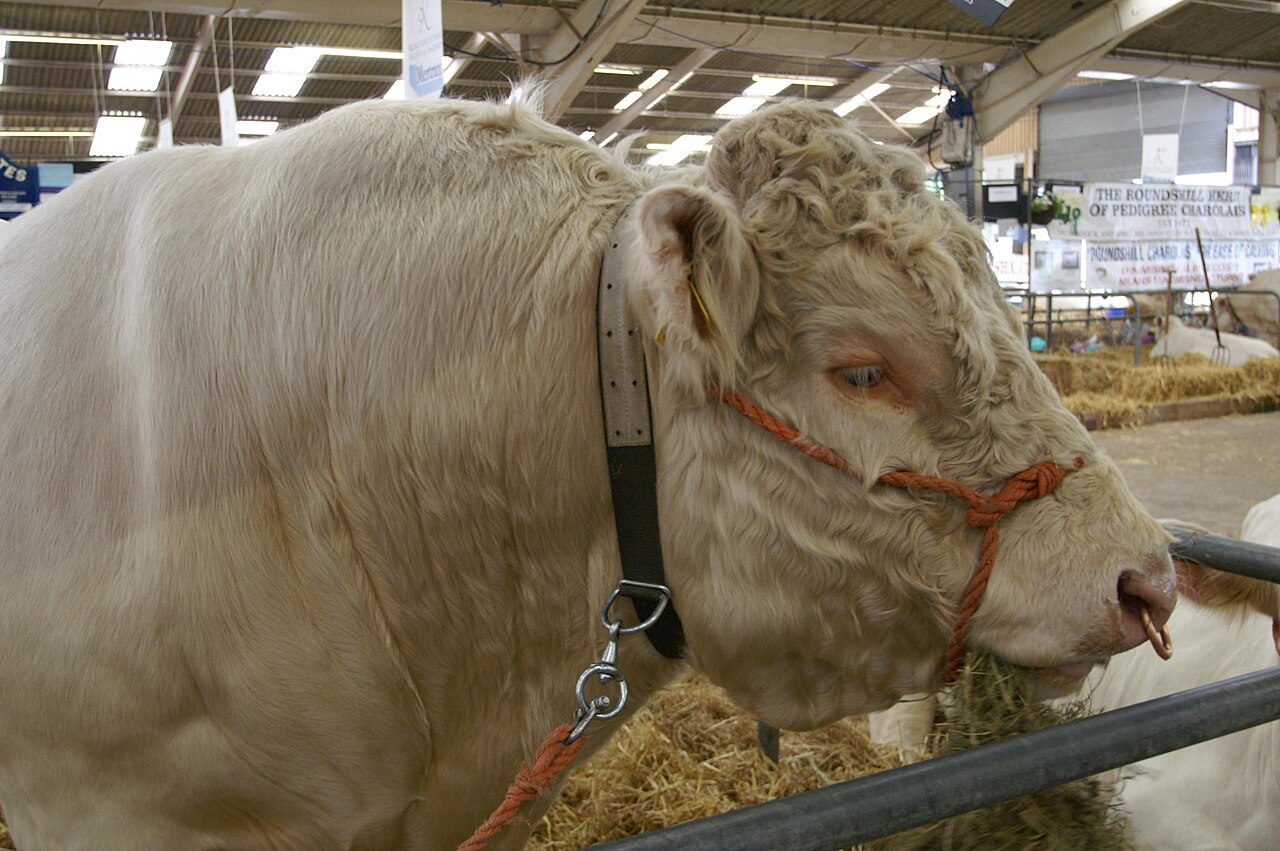
Horns are not a fixed trait. Traditional Charolais carry horns, while polled Charolais lines carry the polled gene and are born without them. A dehorned animal is a different case, because the horns were removed and its calves can still grow horns. Ask for the polled status on the registration papers if horns matter to you.
Color alone does not prove breed. Charbray cattle mix Charolais and Brahman blood, and many white or smoky crossbreds show a Charolais parent somewhere in the line. Registration and pedigree records document an animal’s recorded ancestry; a white coat alone cannot establish purebred status.
| Trait | Purebred Charolais | What to check before buying |
|---|---|---|
| Origin | Charolles region of France | Registration with a breed association |
| Coat | White to light cream | Pedigree, since crossbreds can look similar |
| Horns | Horned or genetically polled | Polled status on the papers, not a dehorned head |
| Main use | Beef and terminal crossing | Fit with your cows and market |
| Calving | Large calves in some matings | Calving ease and birth weight EPDs |
| Feed demand | High for a large frame | Pasture yield and winter hay supply |
How much do Charolais cattle weigh?
Oklahoma State University’s Charolais breed profile describes mature cows weighing 1,250 to over 2,000 lb (about 565 to over 900 kg) and mature bulls weighing 2,000 to well over 2,500 lb (about 900 to well over 1,130 kg). These figures describe grown animals, not calves or yearlings, and are not fixed upper limits. Age, feeding level and bloodline affect individual weight.
Weight at sale depends on the stage. A weaned calf, a feeder steer and a finished steer are three different numbers, and a calf price per pound is not comparable with a fat cattle price. Compare animals of the same age and class.
Live weight is not meat. The carcass weighs far less than the live animal once the hide, head, feet and organs are gone, and retail cuts weigh less again after bone and trim. Use hanging weight or packaged weight when you compare beef costs, never the scale ticket from the sale barn.
Are Charolais cattle calm or aggressive?
Charolais cattle are neither calm nor aggressive as a rule. Temperament comes from the individual animal, the selection its breeder applied and the way it is handled. A Charolais raised by a breeder who culls flighty cattle and works the herd quietly can be easy to move, while one from a herd never selected for docility can be nervous.
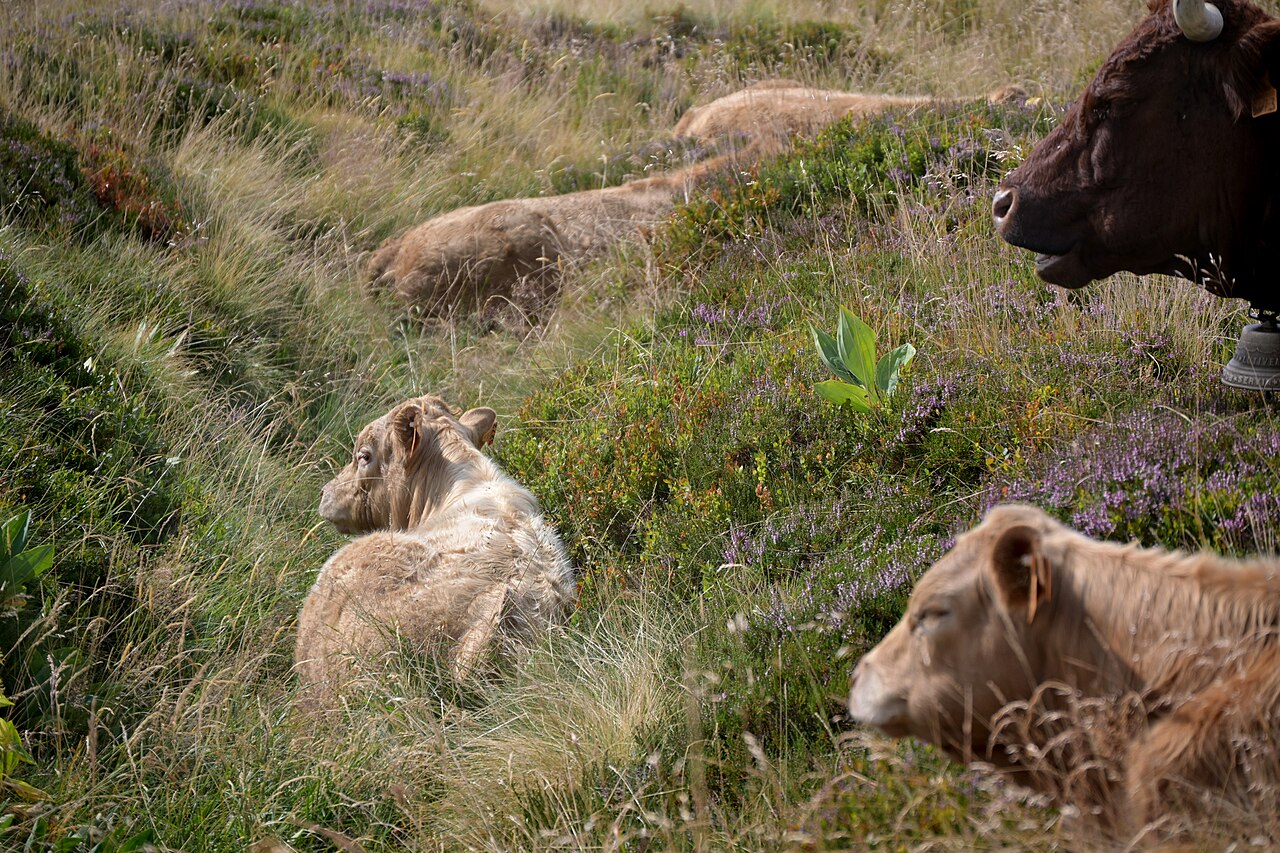
Cattle are prey animals and react to movement inside their flight zone. Temple Grandin’s work on handling describes how cattle move away when a handler enters that zone and stop when the handler steps back. Calm, slow pressure at the edge of the zone moves cattle with less stress than shouting or chasing.
A group of cows is called a herd regardless of its size. Cattle are social animals, so plan suitable companionship when buying them. Arrange introductions with your veterinarian, including appropriate separation and health checks before new arrivals join the resident herd.
Cattle breeds differ in production purpose, size and temperament. Even a quiet bull is still a bull. Never turn your back on one, and work him through a chute and gates rather than on foot in an open pen.
What is the calmest breed of cattle?
No breed holds a proven title as the calmest across all cattle and handling situations. Herefords are a reasonable breed to consider for docility: Temple Grandin and Mark Deesing summarize comparative studies in which Herefords were calmer than Angus. Those findings do not establish a universal ranking or guarantee the temperament of an individual animal.
A better guide than breed is the record of the herd you buy from. Some breed associations publish a docility EPD, and many breeders score chute behavior at weaning. Ask for those numbers and watch the cattle move before you load them.
Handling history also affects how cattle respond to people. Calves that are worked quietly, weaned with low stress and handled often in the same facilities tend to stay easier to move as adults. A calm breed handled roughly can still become hard to work.
What is the most aggressive cattle breed?
No breed is proven the most aggressive across all cattle. Spanish fighting cattle are deliberately selected for fighting behavior, but that does not establish them as the most aggressive breed under every definition or handling condition. Among farm cattle, bulls of every breed carry the real risk, and dairy bulls have a long reputation on farms as dangerous to handle.
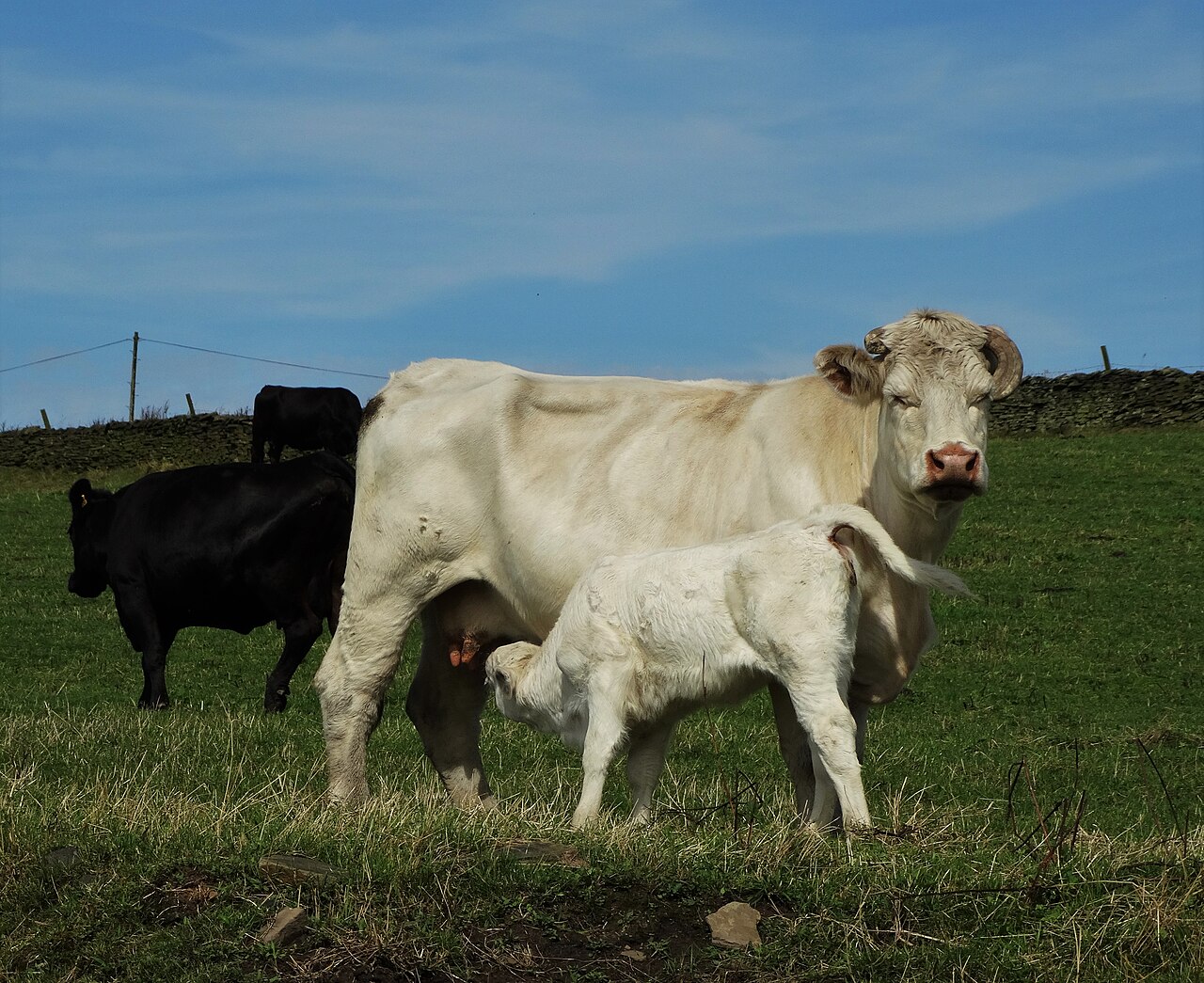
Mother cows can also turn protective right after calving. A cow that ignores you all year may charge when you step between her and a newborn calf. Tag and check calves from a vehicle or with a gate between you and the cow.
For Charolais buyers the practical answer is simple. Judge the animal, not the label. A bull that paws, shakes his head or follows you along the fence is telling you something, whatever his breed.
Buying Charolais cattle: what should you check?
Buy Charolais cattle from a seller who can provide the records relevant to the animal: pedigree and performance information for breeding stock, health records, and calving history for females that have calved. Find sellers through breed association directories, production sales, bull test stations and local livestock auctions. Record availability and price vary within every channel, so confirm both before bidding.
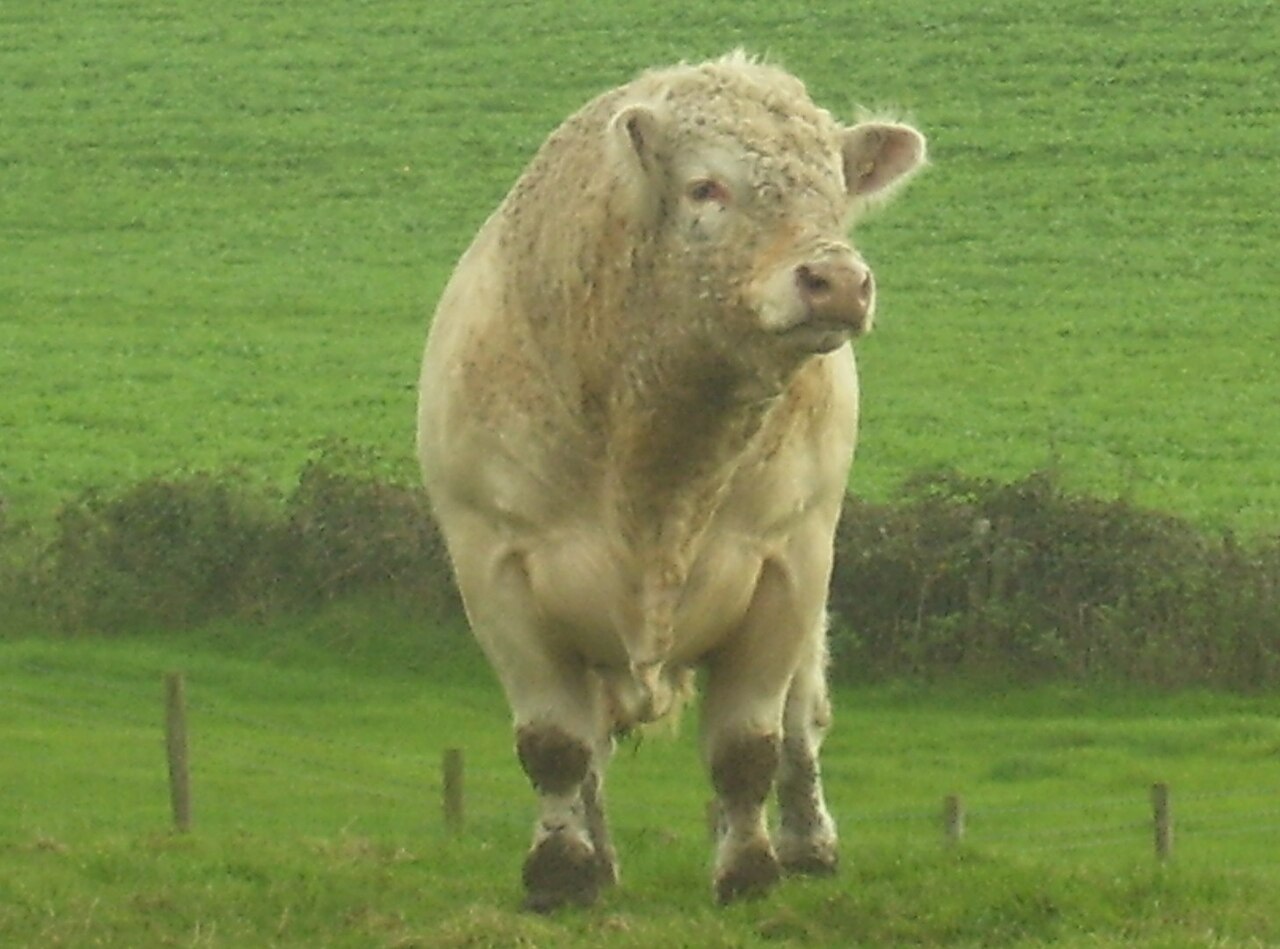
For a bull, read the EPDs before the price. Calving ease direct and birth weight matter most if he will breed heifers, while weaning and yearling weight matter for a calf crop sold by the pound. Ask for a breeding soundness exam, a vaccination record and the herd’s disease testing, and watch the bull walk on hard ground to check feet and legs.
Prices change with region, season and the cattle market, so compare dated reports for the same animal class. As regional examples, the Kansas Livestock Association’s 2025 sale reports list an average of US$5,339 for 14 Charolais bulls at Hinkson Ranch in Cottonwood Falls, Kansas, on March 18, and US$11,690 for 71 Charolais bulls at Fink Beef Genetics in Randolph, Kansas, on October 18. These are individual sale averages, not a typical price for every Charolais bull or region.
What do Charolais cattle cost to keep?
A larger Charolais cow typically needs more feed for maintenance than a smaller beef cow under comparable conditions, which can increase keeping costs. The purchase price is only the first bill. Feed, minerals, vet care, breeding, fencing, water and hauling come every year whether calf prices are high or low.
Winter feed is often the largest single cost in a cow herd. A cow that needs extra hay to hold condition through cold weather reduces the margin her calf earns at weaning. Matching cow size to the forage you grow keeps that cost in check.
Count the infrastructure too. A large breed needs a strong headgate, sound pens and fences, plus a trailer or a hauler you can call. USDA’s Economic Research Service tracks cattle and beef markets, and its reports help you judge whether calf prices cover those costs.
How much land and feed do Charolais cattle need?
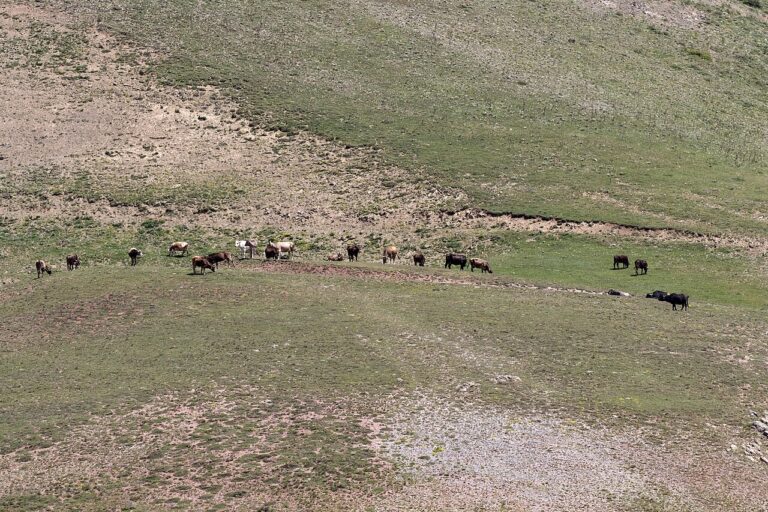
The land a Charolais cow needs depends on where you farm, how much forage your pasture grows, the weight of the cow and the time of year. Productive pasture can support more cattle per acre than sparse rangeland, but waterlogged ground can restrict grazing even where rainfall is high. Your county Extension office or NRCS field office can estimate a stocking rate for your soil and rainfall.

Every pasture plan needs clean water, a fence that holds a large animal and shelter from wind or summer sun. Pasture that runs short in drought or winter means buying hay, and a small lot with all feed brought in is a dry lot, not a pasture. Plan supplemental feed for the months your grass stops growing.
Smaller acreage may suit a different animal. Dorper sheep are hair sheep raised for meat and require a stocking plan matched to flock size and available forage. Charolais fit best where grazing land and hay supply match their size.
Frequently Asked Questions
How many cows do you need to make $100,000 a year?
There is no fixed herd size that earns $100,000. For a cow calf business targeting that amount in annual profit, divide $100,000 plus annual fixed costs by the contribution per breeding cow after variable costs. That contribution must allow for cows that produce no saleable calf. Include land, equipment, labor and financing in the budget. For a $100,000 revenue target, divide by expected annual sales revenue per breeding cow instead. Finishing cattle or selling beef directly requires a different budget.
Do cattle know they are about to be slaughtered?
It is not established that cattle understand they are about to be killed. They can perceive threats and react with fear to unfamiliar surroundings, shouting and slippery floors. In her 2023 discussion of slaughter and animal behavior, Temple Grandin describes similar handling responses at ranches and slaughter plants. Fear responses show perception of a threat, not an understanding of death.
Is 2 acres enough for 2 cows?
No, not as a general rule. Two acres can work as a holding lot when you buy all the hay and feed, but it rarely grows enough forage to feed two cows by itself. Rainfall, soil, grass species and season decide what a pasture carries, so ask your local Extension office.
What is a herd of 12 cows called?
A herd of 12 cows is simply called a herd. The number does not create a special group name in English. Farmers may also talk about a bunch or a group of cattle, and a herd of cows with calves is often described as a cow calf herd in the beef business.
Is it cheaper to raise a cow or buy meat?
No, raising a steer is not cheaper by default. Add the calf, feed, pasture, fencing, water, vet care, processing and freezer storage, then divide by the packaged beef you actually take home. A low calf price alone does not decide it, because hanging and packaged weight fall well below live weight.
Are all Charolais cattle white?
No, not every Charolais is pure white. Purebred Charolais range from white to light cream, and crossbred calves can show smoky gray, tan or yellow shades. A white coat also appears in other breeds and crosses, so assess a seller’s purebred claim through registration and pedigree records rather than appearance alone.
Sources
- Oklahoma State University, Breeds of Livestock: Charolais Cattle
- USDA Economic Research Service, Cattle and Beef
- USDA Agricultural Marketing Service, Livestock, Poultry, and Grain Market News
- Temple Grandin, Understanding Flight Zone and Point of Balance for Low Stress Handling of Cattle