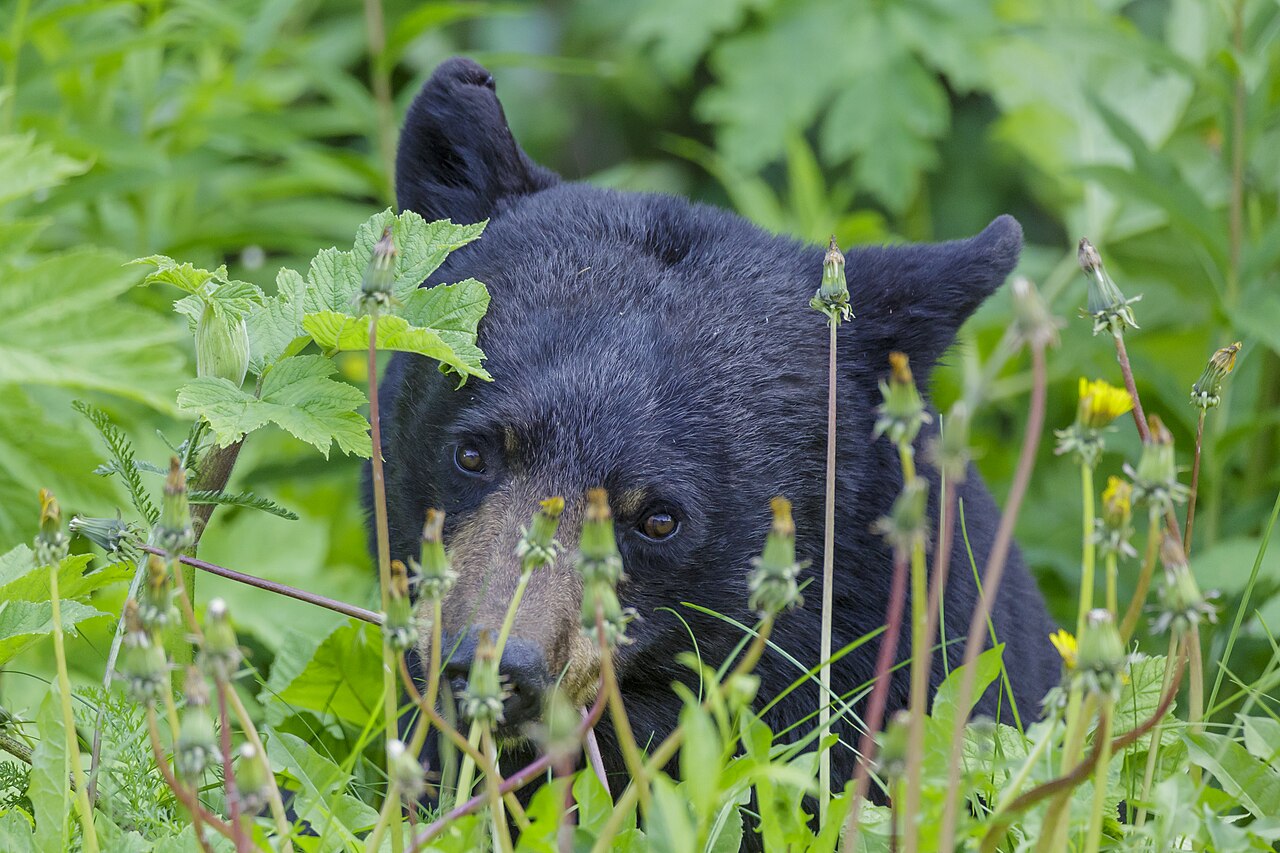
Spiritual Meaning of Seeing a Black Bear: Luck, Bible and Safety
The spiritual meaning of seeing a black bear comes down to strength, solitude and self-protection, and the bear’s own behavior tells you which one fits. As a sign, it asks how you use your power and when you pull back to rest, the same rhythm the bear lives by when it dens for winter.
A black bear is also a large wild animal, and the practical answer comes before the symbolic one when it stands in front of you. The Bible names bears in a handful of vivid verses, dreams put the bear in other roles, and the National Park Service gives clear steps for a real encounter.
Spiritually, a black bear sighting stands for strength, retreat and protection. A bear that crosses your path and moves on is a good sign. One that stops and watches warns you to guard your boundaries. The Bible uses bears for kings and danger. In a real encounter, stay calm and back away.
What Does It Mean Spiritually When You See a Black Bear?
Seeing a black bear points to strength held in reserve. The American black bear (Ursus americanus) is powerful enough to tear open a rotten log, yet it spends much of its life avoiding conflict and slipping away from people. That pairing of force and restraint is the core of the reading. A sighting asks whether you use your strength with the same control.
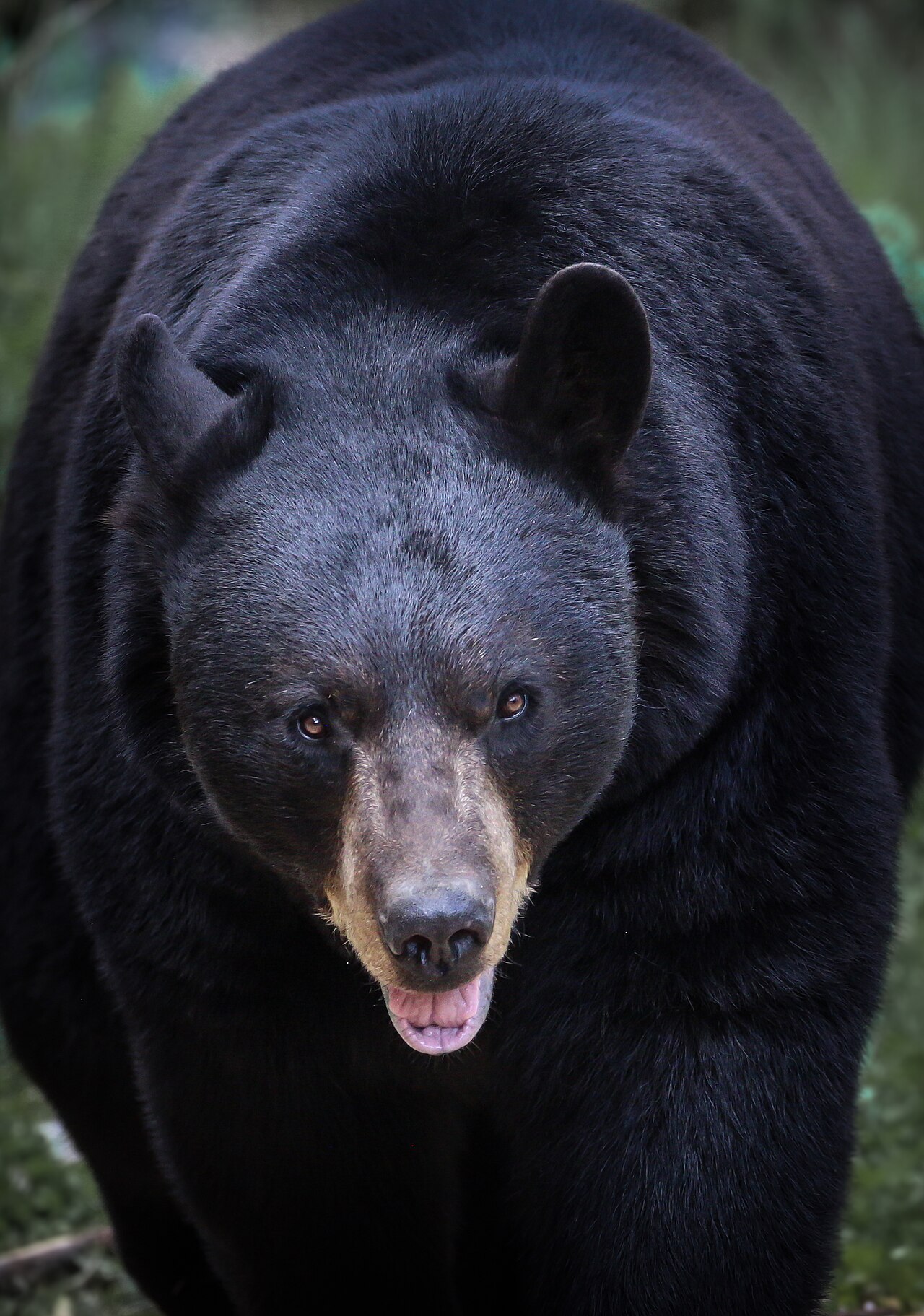
The second theme is retreat. Black bears in cold regions den through winter and live off stored fat until spring. A bear seen in late fall points to rest, saving energy and stepping back from a draining situation before you run empty. A bear seen in spring points to coming back out after a hard season.
Behavior decides the rest. A bear that ignores you and keeps foraging points to a calm, self-reliant stretch ahead. A bear that huffs, pops its jaws or swats the ground gives a real warning, and the message is the same in both worlds. Give it space. Bats share the winter retreat, since many North American bats hibernate, and their symbolism also turns on darkness and return.
Is Seeing a Black Bear Good Luck?
Yes, seeing a black bear is good luck when the encounter ends calmly, because it marks strength and protection on your side. The bear could have stayed and still chose to leave. That reads as safe passage. You met real power and walked away unharmed.
The warning side comes from boundaries. A bear that holds its ground reminds you that some things are not yours to approach, whether a person, a project or a fight. Luck here means backing off in time. Pushing forward turns a neutral sign into a bad one.
Black dogs crossing a path carry a different charge, loyalty and a guardian at your side rather than a powerful stranger. The bear asks you to stand on your own. The dog tells you that someone stands with you.
What Does a Black Bear Crossing Your Path Mean?
A black bear crossing your path means a change of direction is coming, and the bear sets the pace. It crosses on its own route, so the sighting points to plans that need patience rather than force. Stop, let it pass and wait a moment longer. Cubs may follow a mother bear across the same gap.
Direction adds detail. A bear moving away from you points to an obstacle leaving your path. A bear moving toward the place you planned to go points to a delay worth taking. Turn back on a trail, and you act on both the sign and the safety rule.
A bear that crosses the road in front of your car belongs in the same reading. Slow down, keep your distance and never stop to feed it or photograph it from an open window. The pause is the message.
| Encounter | What it points to | What to do |
|---|---|---|
| Bear crosses your path and keeps going | An obstacle clearing, patience | Stop and let it pass |
| Bear stops and watches you | A boundary to respect | Talk calmly, back away sideways |
| Mother bear with cubs | Fierce protection of family | Leave the way you came |
| Bear at your trash or bird feeder | Something draining your resources | Secure food, call your state wildlife agency |
| Bear walks toward you | Pressure you have to face | Make yourself large, ready bear spray |
| Bear in a dream | Strength or a conflict you avoid | Write down what the bear did |
What Do Bears Mean Prophetically and in the Bible?
Prophetically, bears in the Bible stand for powerful rulers and sudden danger. Daniel 7:5 describes a second beast “like to a bear” that raised itself up on one side with three ribs in its mouth and was told to “devour much flesh.” Verse 17 then explains the four beasts as four kings. The bear in Daniel is a kingdom, not a forecast for one reader.
Other verses use the bear for danger and fierce protection. Proverbs 28:15 compares a wicked ruler over the poor to “a roaring lion, and a ranging bear.” Hosea 13:8 has God meeting the faithless “as a bear that is bereaved of her whelps.” In 1 Samuel 17:34, David tells Saul that a lion and a bear took a lamb from his flock and he went after them.
Isaiah 11:7 gives the gentle counterpart, with the cow and the bear feeding together and their young lying down side by side. Across these passages the bear is a picture of power, good or bad. No verse gives a bear sighting a meaning for the person who sees it. Reading one that way is your own interpretation, built on these images.
What Does the Bible Say About Bears in Dreams?
The clearest bear in a biblical dream appears in Daniel 7, where the bear is one of four beasts in Daniel’s night vision. The chapter opens with Daniel who “had a dream and visions of his head upon his bed.” The bear in verse 5 belongs to that dream.
Verse 16 shows the next step. Daniel asks one of those who stood by for the truth of it, and verse 17 gives the answer that the beasts are kings. The text interprets the dream inside the story. It does not set out rules for reading bear dreams in general.
Revelation 13:2 echoes Daniel with a beast whose feet were “as the feet of a bear.” For a dreamer today, the honest takeaway is narrow. Scripture uses the bear for strength and rule, and any personal meaning comes from your own life, not from a verse.
What Does a Black Bear in a Dream Mean?
A black bear in a dream points to strength, protection or a conflict you are avoiding, depending on what the bear does. A calm bear in the distance mirrors your own reserves. A bear guarding cubs points to a protective instinct, toward family or toward a project you care about.
A bear that chases you points to a problem you keep outrunning in waking life. A bear inside your house points to a strong emotion or person that has moved too close. A bear that talks carries a message you already half know. Bear dreams shift again with color and size, so a grizzly or a polar bear changes the reading.
Bat dreams also turn on what the animal does in the dream, such as roosting, flying or entering a room. Write down what the bear did before you look for meaning. The action is the part that maps onto your week.
Is Seeing a Bear in a Dream Good or Bad?
Seeing a bear in a dream is good when the bear stays calm or protects you, and bad when it attacks or hunts you. A peaceful bear points to inner strength coming online. A friendly bear that walks beside you points to support from an unexpected corner.
An attacking bear points to anger, your own or someone else’s, that has built up without release. Being overpowered by a bear points to feeling crushed at work or at home. Fighting back and winning points to a strength you have not used yet.
A large brown bear in a dream adds weight to every reading, because size stands for scale. The bigger the bear, the bigger the issue. Wake up, name the pressure and decide which part you control.
What Does a Bear Stand for in a Dream?
A bear in a dream stands for raw strength, solitude and the urge to protect. It is a stand-in for a powerful force in your life, whether a parent, a boss, your own temper or a reserve of courage. The role depends on whether you fear the bear or feel safe near it.
A hibernating bear stands for rest, healing or a plan that needs a season of quiet. A bear catching fish stands for patience that pays off. A bear eating from your trash stands for something taking more than its share of your time.
A bear cub alone stands for a vulnerable new beginning. A real cub alone means a mother nearby, and the dream carries the same caution. Something young and promising has a guardian you should not ignore.
What Should You Do if You See a Black Bear?
If you see a black bear, stay calm, do not run and give it plenty of space. The National Park Service advises talking calmly so the bear identifies you as a human, staying still at first and then moving away slowly and sideways. Running can trigger a chase, and bears outrun people.
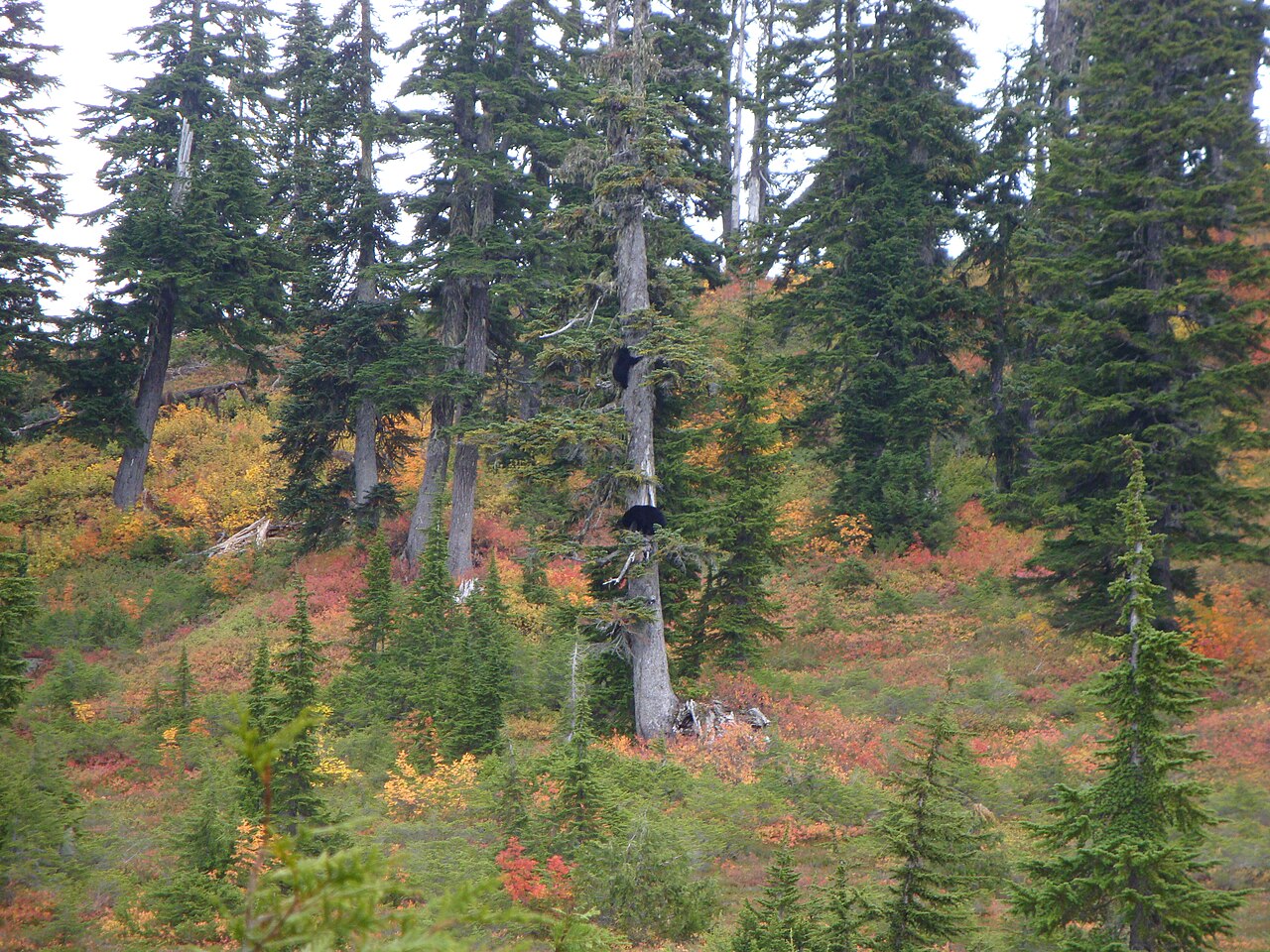
Make yourself look large and keep your group together. Pick up small children right away. Carry bear spray where you can reach it, and read the label before the trip so you know how to use it. Do not climb a tree to escape, because black bears are skilled climbers.
At home or in camp, secure food, trash and pet food so a bear finds no reward. If a black bear attacks, the NPS advice is to fight back rather than play dead. With a brown or grizzly bear in a defensive attack, the advice reverses and you play dead. Report a bear that keeps returning to homes to your state wildlife agency.
How Can You Tell a Black Bear From a Grizzly?
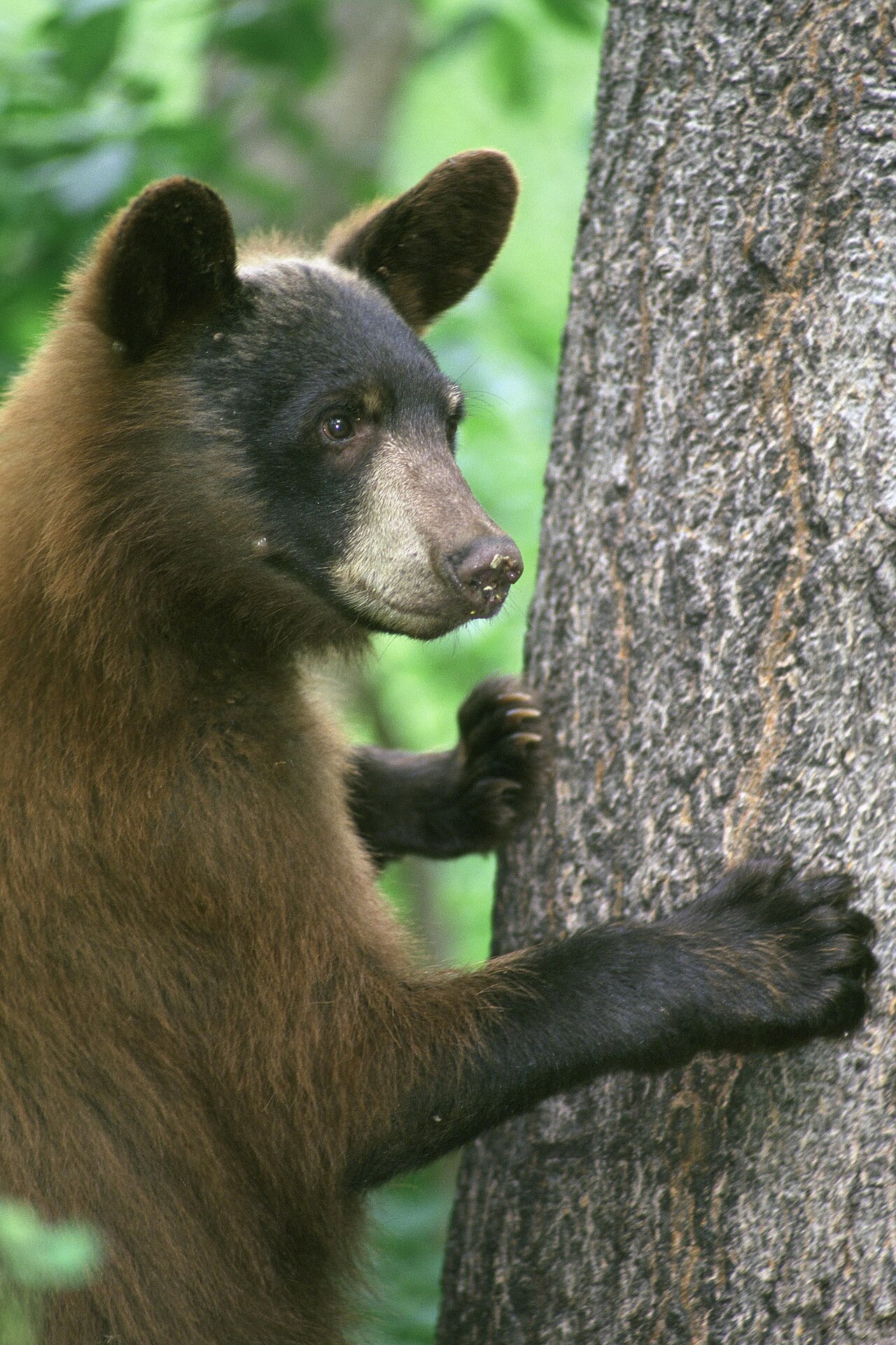
You tell a black bear from a grizzly by shape, not color. A grizzly bear (Ursus arctos) has a muscular shoulder hump, a dished face and short rounded ears. A black bear has no hump, a straight face profile from forehead to nose and taller, more pointed ears.
Color misleads. Black bears can be brown, cinnamon or blond, and grizzlies can look dark. Yellowstone National Park lists those color phases for its black bears.
The difference matters for safety and for the sign, since the attack response differs between the two species. Outside Alaska, grizzlies in the US live only in a few northern Rocky Mountain and Pacific Northwest areas. A bear in the East is a black bear.
What Does a Black Bear Stand for in Named Traditions?
In Ojibwe tradition, the bear stands for protection. The Bear clan (Makwa) is one of the Ojibwe clans, and William Warren’s History of the Ojibway People (1885) describes it as the largest clan, with members who served as defenders of the village.
In Cherokee tradition, the bear has a human origin. James Mooney recorded “The Origin of the Bear” in Myths of the Cherokee (1900), the story of the Ani-Tsaguhi clan who went into the woods and became bears. Before they left, they taught the people songs for hunting them. The bear in this story is kin, not a stranger.
White moths are small and pale where the bear is heavy and dark, and they usually show up as a night visitor at a window or porch light. The bear stories in these two traditions rest on kinship and guardianship, and that is the sense to carry into your own sighting.
Frequently Asked Questions
Are black bears always black?
No, black bears come in cinnamon, brown and blond color phases as well as black. The lighter phases show up mostly in the western states, while bears in the East are almost all black. A brown bear in the woods of Virginia is still a black bear by species.
Do black bears attack people?
Yes, but attacks are rare, and a black bear more often bluffs, huffs or retreats. The National Park Service advises fighting back if a black bear attacks you. Playing dead is the response to a defensive grizzly attack, not to a black bear, so know which species lives in your area.
When do black bears show up near homes?
Black bears show up near homes most in spring, when they leave their dens hungry, and in fall, when they feed heavily before winter. Bird feeders, open trash cans, grills and pet food draw them in. Remove those attractions, and the visits drop off.
How common are black bear sightings in the US?
Black bear sightings are common in forested states from Maine to Florida and across the West and Alaska, because the black bear is the most widespread bear in North America. Sightings rise in suburbs near woodland. Your state wildlife agency tracks local numbers and posts current guidance.
Should you run from a black bear?
No, running can trigger a chase, and a black bear can outrun a person. Stand your ground, talk in a calm voice and back away slowly sideways. If the bear follows, stop, make yourself look large and get your bear spray ready.
What does a black bear cub sighting mean?
A lone black bear cub means a mother bear is close, so treat it as a warning and leave the way you came. Never pick up or approach the cub. The cub also points to a fragile new start in your own life that deserves the same fierce guarding.
Sources
- National Park Service, Staying Safe Around Bears
- Yellowstone National Park (NPS), Black Bear
- Bible Gateway, Daniel 7 (KJV)
- Bible Gateway, Proverbs 28 (KJV)
- Bible Gateway, Hosea 13 (KJV)