Cat Symbolism: What It Means When a Cat Comes to You
Seeing a cat, in nearly every tradition that assigns it a meaning, is a sign of independence, intuition and protection, and a cat that seeks you out is read as a spirit choosing your household. Cat symbolism runs older than almost any other animal lore because the domestic cat (Felis catus) has lived beside people since the first grain stores drew mice.
Every reading below is belief, tied to the culture that holds it, and none of it describes the animal itself. The Bible does not mention the domestic cat, and Native American nations had no house cats before European contact, so their cat lore belongs to the bobcat and the cougar.
A cat symbolizes independence, intuition, protection and a link to the unseen. A cat that comes to your house or chooses you as a stray is read as good fortune and a guardian spirit arriving. A black cat is lucky in Britain and Japan and unlucky in American folklore, so the omen depends on where you learned it.
| Situation | Common interpretation | What is usually happening |
|---|---|---|
| A stray cat chooses you | A guardian spirit has picked your home | A friendly or abandoned cat found food and shelter |
| A cat keeps coming to your house | Luck and protection settling on the household | Cats patrol fixed routes and return to any reliable feeder |
| Cat at your window | A message or a spirit watching over you | Window ledges are warm, high and full of bird movement |
| Cat crossing your path at night | Warning in American lore, luck in British lore | Cats hunt at dusk and dawn, when roads are quiet |
| Seeing a black cat | Bad luck in the US, good luck in the UK and Japan | Black is a common coat color in any cat population |
| Cat staring at you | Reading your energy, judging your intent | A slow blink is a cat’s sign of trust |
| Cat in a dream | Intuition, hidden feelings, a secretive person | Dream symbolism, personal to the dreamer |
What Does It Mean When a Cat Comes to You?
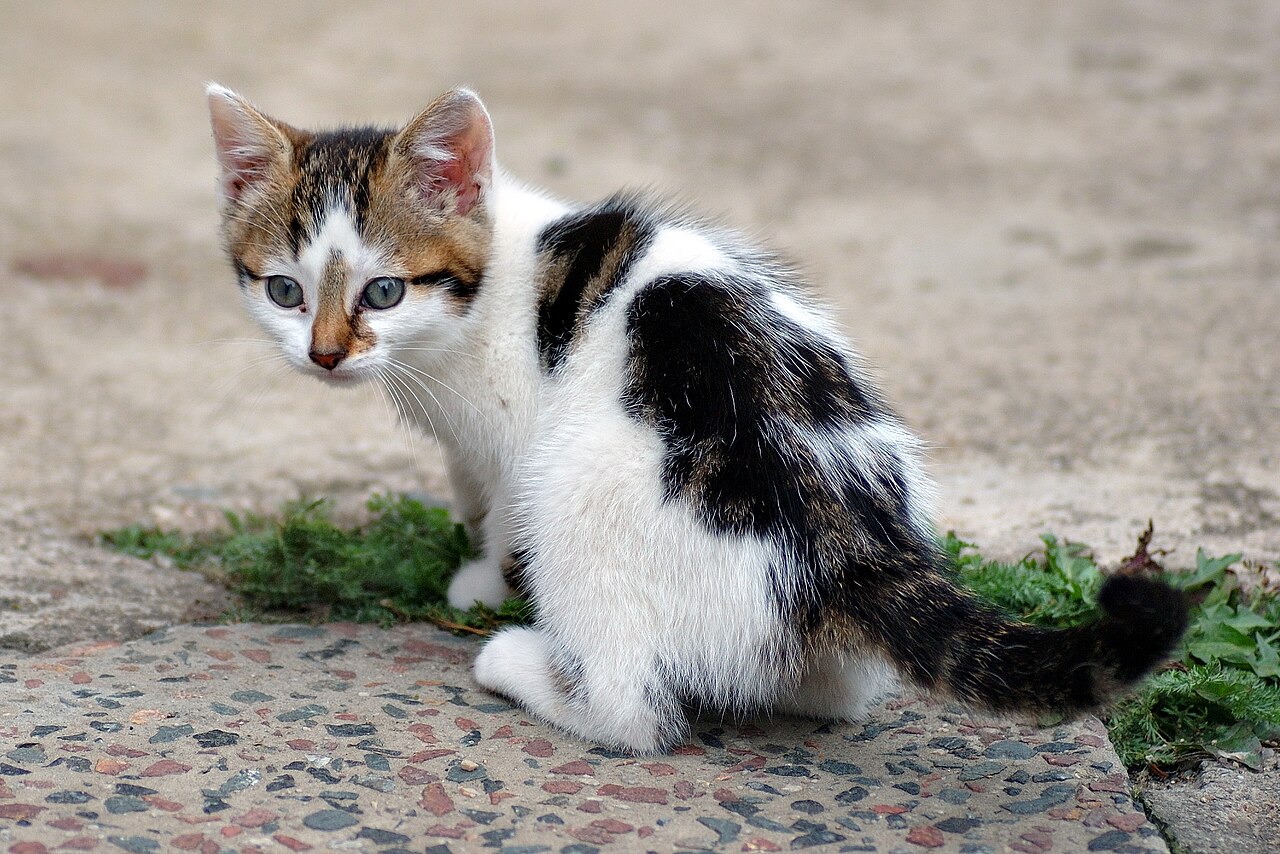
When a cat comes to you, folk tradition across Europe, the Middle East and East Asia agrees on one reading: the house is about to receive luck, and the cat is the messenger. In English and Irish rural belief a strange cat at the door meant money or good news on the way, and turning it away risked turning the luck away with it. Russian tradition sends a cat through the door of a new home first so that fortune enters before the family does.
Modern writers on animal signs hold that cats sense a person’s energy and settle only where it feels right, so a cat choosing you is taken as proof that your home passed a test. The plain explanation is a confident, hungry cat that found a person who did not chase it off.
Why Does a Cat Keep Coming to My House? Spiritual Meaning in Islam
In Islamic tradition a cat that keeps coming to your house is a blessing, because the cat is regarded as a clean animal and a companion of the Prophet Muhammad. Hadith literature describes him showing kindness to cats, and later tradition names his favorite cat Muezza. Muslims in many countries feed a visiting cat gladly and read its return as mercy on the household.
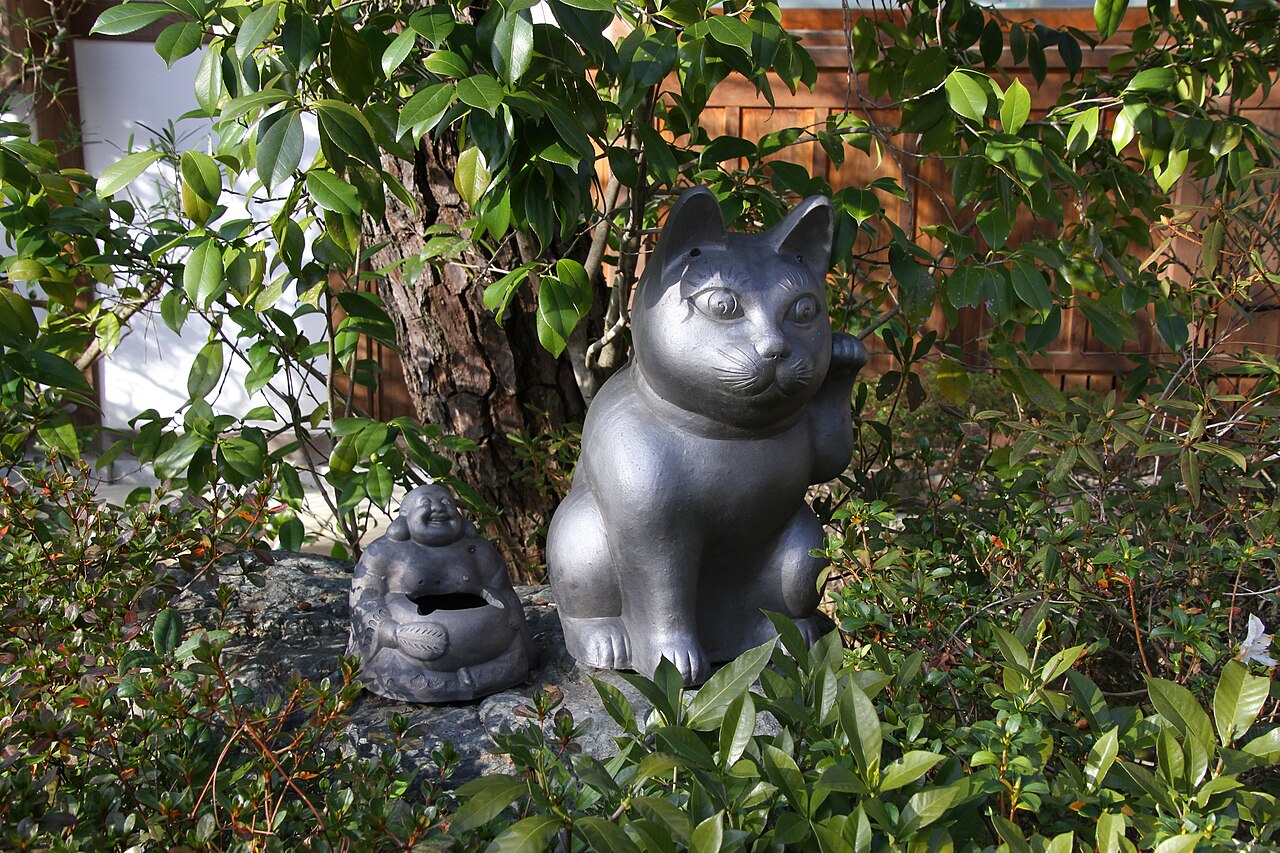
Outside Islam the returning cat carries the same note of favor. Italian folk belief held that a daily cat visitor brought prosperity, and the Japanese maneki-neko, the beckoning cat in shop windows, grew from the idea that a cat waving at the door draws wealth inside. The CDC’s toxoplasmosis guidance on changing litter daily applies to an adopted stray as much as to a pet.
What Is the Spiritual Meaning of Seeing a Black Cat?
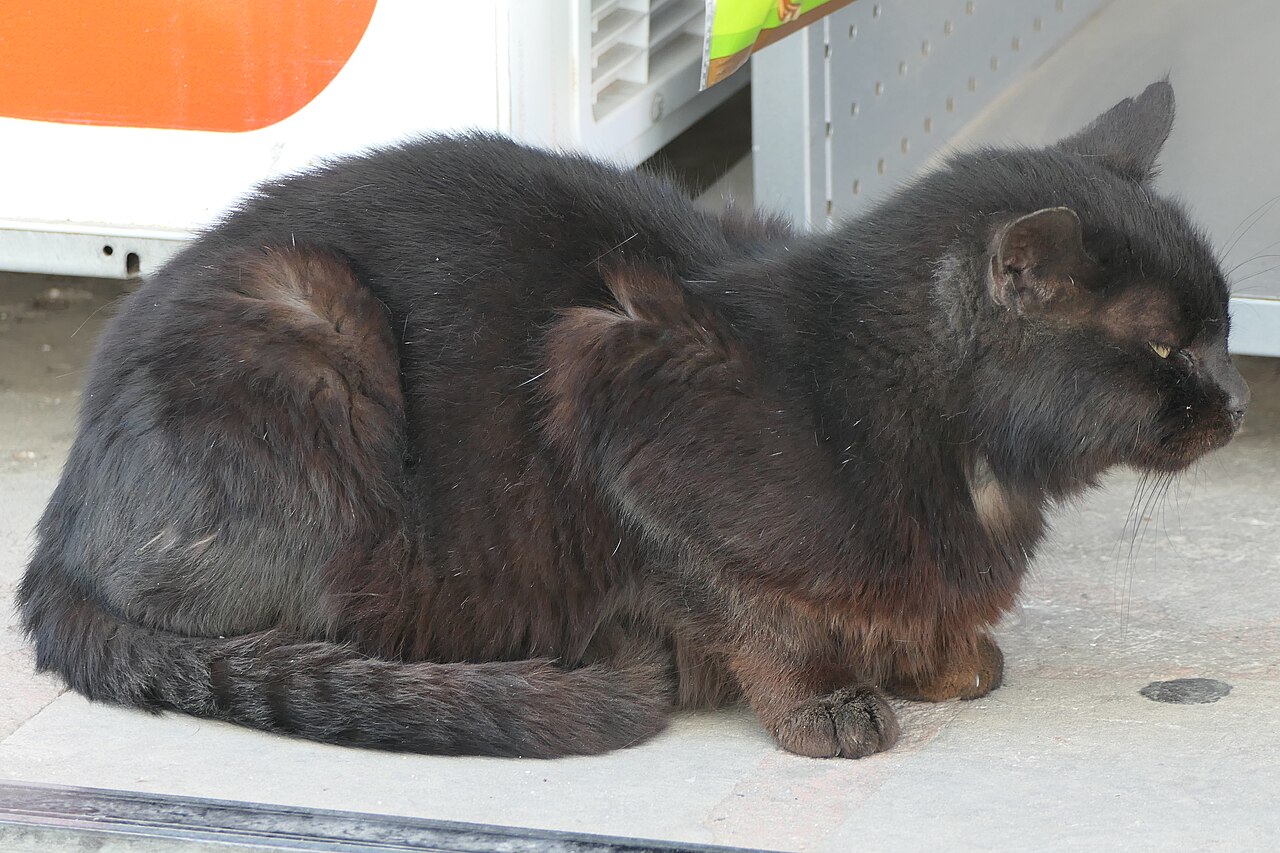
Seeing a black cat is good luck in British, Irish, Scottish and Japanese folklore and bad luck in much of American and continental European folklore, so the sign depends on whose grandmother you ask. Scottish tradition says a black cat at the door brings prosperity, and British sailors’ wives kept black cats to bring their husbands home. In Japan a black cat is a charm against evil and, for single women, a sign of suitors to come.
The fearful American reading descends from medieval Europe, where church writers tied black cats to heresy and witchcraft, and that belief traveled to the colonies and into Halloween decor. Modern spiritual writers split the difference and read a black cat as protection and hidden knowledge. The fuller history of the color belongs to black cat symbolism on its own page.
Cats and Witches: Where the Dark Reputation Came From
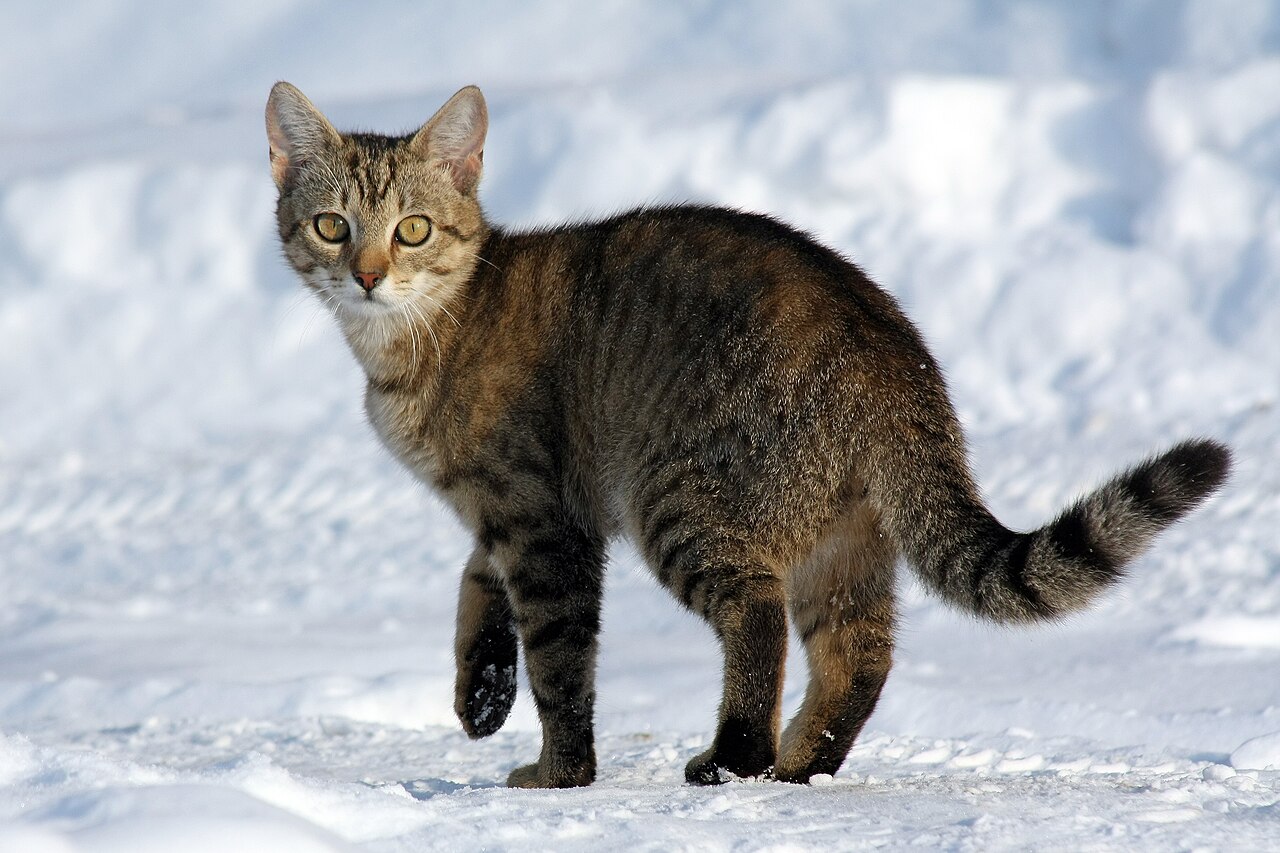
Cats and witches became linked in medieval Christian Europe, when church authorities declared the cat a familiar of the devil and witch trials treated a woman’s cat as evidence against her. The shift came as the church campaigned against heresy and folk magic, and the independent, night-hunting cat made a convenient emblem of everything outside its control.
Protestant England carried the idea into its own trials, where accused women were said to send their cats to sicken neighbors. The bat picked up a similar night-creature stigma in the same period, and both animals have since softened into Halloween mascots.
Cat Symbolism in Christianity and the Bible
In Christian tradition the cat is a late and uneasy symbol, standing in medieval art for cunning or the devil and in later folk belief for comfort and quiet watchfulness. Painters placed a cat near Judas at the Last Supper to mark treachery, and some Annunciation scenes show a cat fleeing as grace enters. Those are artistic choices rather than doctrine.
What it means if God sends you a cat is a modern Christian folk question. Believers who ask it have typically just lost someone or are praying through a hard season, and they take the cat as a small answer: companionship, and a creature that demands feeding and so pulls a grieving person back into routine. Pastors tend to affirm the comfort without claiming the cat was sent.
Cats in Ancient Egypt, Norse Myth and Celtic Lore
In ancient Egypt the cat was sacred to Bastet, goddess of home, fertility and protection, and killing a cat was a grave offense. Families mummified their cats and mourned them, and cat statues guarded doorways against snakes.
In Norse tradition the goddess Freyja rode a chariot pulled by two cats, and farmers left milk out for cats to earn her favor over the harvest. In Celtic Scotland the Cat Sìth, a large black fairy cat with a white chest, was feared for stealing souls from the newly dead, so families kept watch over the body until burial. Scottish lore also credits the wild lynx with sight into hidden things, a gift the house cat inherited in later belief.
Cat Symbolism in East Asia
In Japanese tradition the cat is a bringer of fortune and, in older tales, a shapeshifter, and both faces survive side by side. The maneki-neko with its raised paw invites wealth. The bakeneko and the two-tailed nekomata are cats that grew old enough to gain magic, walk upright and speak.
In Chinese folk religion the cat god Li Shou protected crops from rats and received thanks after the harvest. Chinese belief reads a cat’s arrival at a home as coming poverty in some regions and coming wealth in others, which shows how local a cat omen can be.
Native American Views: Bobcat and Cougar
Native American traditions hold no ancient teachings about the domestic cat, because the species arrived on European ships, and the wild cats of the continent carry the lore instead. In Zuni tradition the mountain lion is the hunter guardian of the north, and carved cougar fetishes were carried for courage. Hopi and Pueblo stories give the bobcat a quieter role as a patient, secretive hunter.
Spirit animal writing that lists “the cat” as a Native American totem blends those wildcat teachings with European house cat lore. The authentic strand is laid out in bobcat symbolism, and any single meaning there is one nation’s teaching rather than a rule for all Native peoples.
Cat as Spirit Animal, Totem and Omen
As a spirit animal the cat is said to appear for people who need to trust their instincts, guard their energy and act on their own schedule. The modern spirit animal framework gives the cat independence, curiosity, patience and nine lives’ worth of resilience.
As an omen the cat is read by behavior. A cat washing behind its ears meant rain in English weather lore, a cat sneezing meant luck for a bride, and a cat leaving a house before a death was taken as foreknowledge. American almanacs repeated those sayings beside the ones about the owl and the crow, the other night animals folklore turned into messengers.
Do Cats Sense Death, Visit After Death or Act as Guardian Angels?
Cats do seem to notice the changes that come with dying, and the famous case is Oscar, a nursing home cat in Rhode Island who curled up beside residents in their final hours so reliably that staff called families when he settled in. The likely explanation is scent, since dying bodies release chemical changes a cat’s nose can detect. Folk tradition turned that into the belief that cats see death coming.
Whether cat spirits visit you after death is a matter of faith, and grieving owners report the weight of a cat jumping on the bed, a familiar purr or movement in the cat’s old spot. No church teaches that a living cat is your guardian angel, but the protective role runs from Bastet straight to the modern porch, and the wider pattern is laid out in animal symbolism across cultures.
Related reading: White Cat Symbolism.
Frequently Asked Questions
What does it mean when a cat comes to you spiritual meaning?
Yes, a cat coming to you is read as good luck and a protective spirit in European, Islamic and East Asian folk belief. Russian tradition sends a cat into a new home first so fortune enters ahead of the family. English rural belief adds that the cat must never be chased off, or the luck leaves with it.
Why does a cat keep coming to my house spiritual meaning Islam?
In Islam a cat that keeps coming to your house is a sign of blessing, because the cat is considered ritually clean and hadith describe the Prophet Muhammad as kind to cats. Feeding it counts as a good deed. A cat drinking from your water does not render it impure under most scholarly opinions.
Can cats be your guardian angel?
No major religion teaches that a cat is a guardian angel, but folk belief has cast the cat as a household protector since Egyptian temples placed cat statues against snakes. Modern spiritual writers describe a protective cat as a guardian spirit in animal form. Pastors generally affirm the comfort without endorsing the doctrine.
How do cats act when they sense death in humans?
Cats that sense death in humans typically grow clingy, lie on or beside the dying person, refuse to leave the room and sometimes stop eating. The nursing home cat Oscar did this reliably enough that staff used him to alert families. Scent changes in the dying body are the likely trigger.
What are signs that a cat misses you?
Seven signs that a cat misses you are meeting you at the door, following you room to room, extra vocalizing, kneading or head-butting, sleeping on your clothing, overgrooming while you are gone, and litter box lapses. In folk belief a cat waiting at the window is also keeping watch over the household.
What do cats represent in literature?
In literature cats represent secrecy, independence and a knowing intelligence that watches humans without needing them. Poe’s “The Black Cat” makes the animal a murderer’s conscience, Carroll’s Cheshire Cat grins at logic and vanishes, and Bulgakov’s Behemoth is a demon with a sense of humor.