How Do Birds Mate? Bird Reproduction Explained
Most birds mate through a quick act called a cloacal kiss, where the male and female briefly press their cloacas together to transfer sperm, usually in under a second. Birds do not have the external reproductive organs most mammals do. Instead, both sexes share a single all purpose opening called the cloaca, used for waste and reproduction alike. During the breeding season those openings swell, the pair balances together, and sperm passes from male to female in a fast, awkward looking moment. From there the female stores the sperm, fertilizes her eggs internally, and lays them days later. This guide walks through the whole process, from courtship to fertile eggs.
| Question | Short answer |
|---|---|
| Main method | Cloacal kiss (touching of cloacas) |
| How long it lasts | Often under 1 second, sometimes a few seconds |
| Do birds have a penis? | Only about 3 percent of species (ducks, geese, ratites) |
| Where fertilization happens | Internally, inside the female |
| Sperm storage | Females can store sperm for days to weeks |
| Result | Fertilized eggs laid over the following days |
The cloacal kiss: how most birds actually mate
For roughly 97 percent of bird species, mating comes down to the cloacal kiss. The cloaca is a single chamber that opens under the tail and handles urine, feces, and reproduction. When a pair is ready to breed, hormones cause the tissue around the cloaca to swell in both sexes. The male climbs onto the female’s back, she moves her tail aside, and each bird twists its cloaca toward the other until they touch. In that brief contact the male’s sperm passes into the female. The whole event can be over in a fraction of a second, which is why birdwatchers often miss it entirely.
Balance is the hard part. The male flaps his wings to stay upright while the female braces beneath him. Many pairs repeat the contact several times over a few days to raise the odds of fertilization. According to the Cornell Lab of Ornithology, this repeated mating is common because a single transfer does not guarantee success.
Which birds have a penis?
A small minority of birds, around 3 percent, do have an intromittent organ, essentially a penis. These include ducks, geese, swans, and large flightless birds like ostriches and emus. Waterfowl are the best known example, and their anatomy is dramatic: a male duck’s organ can be corkscrew shaped and, in some species, nearly as long as its body. Researchers believe this evolved alongside forced copulation in ducks, with females developing equally complex anatomy in response. Most songbirds, raptors, and backyard visitors you see at the feeder have no such organ and rely entirely on the cloacal kiss.
Courtship comes first: how birds choose a mate
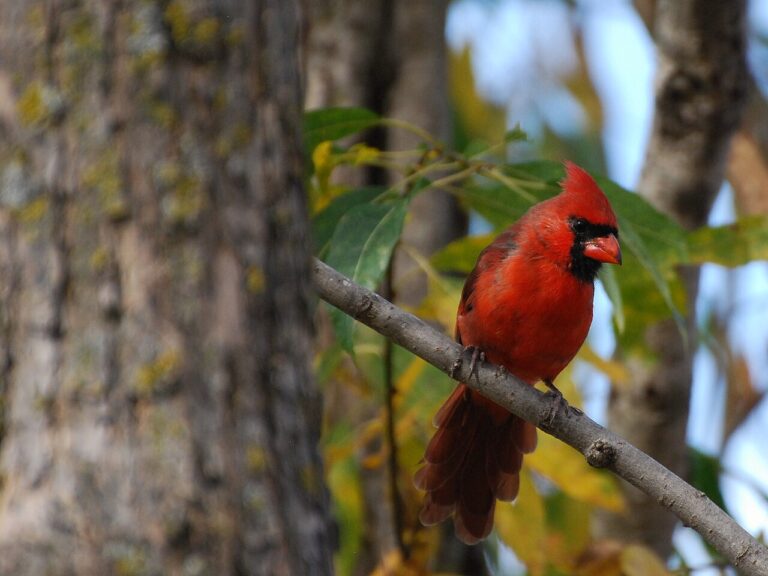
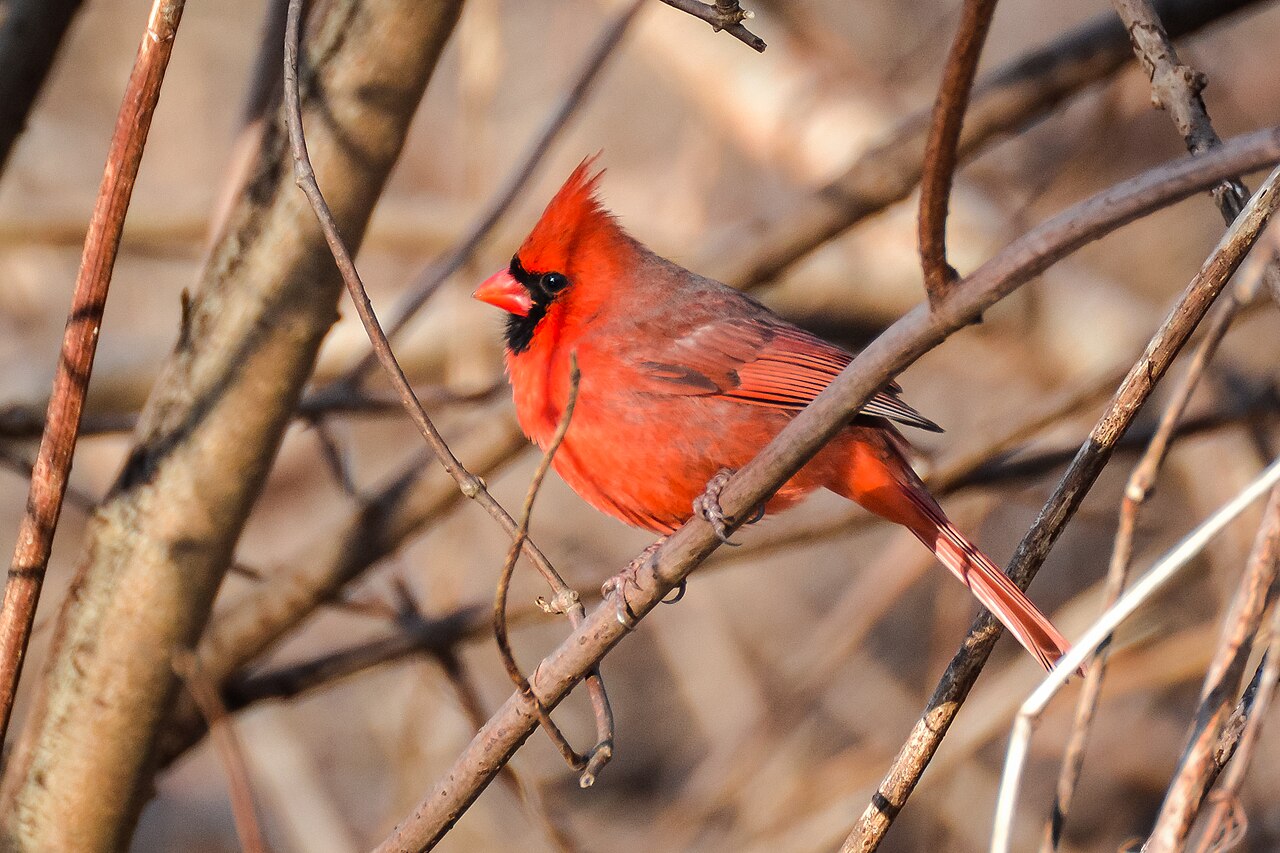
Mating rarely happens without courtship. Before any physical contact, birds invest heavily in convincing a partner. Male Northern Cardinals feed seeds to females beak to beak, a behavior called mate feeding. American Robins chase and sing. Birds of paradise perform elaborate dances, and many ducks bob their heads in synchronized displays. These rituals prove fitness, strengthen the pair bond, and time both birds to the same breeding readiness. Song plays a huge role too, which is one reason birds sing so intensely in spring; see our guide on why birds sing.
Courtship also filters mates. A female judges a male by the brightness of his feathers, the quality of his song, or the food he offers. Only after these signals line up does the pair proceed to mating.
From mating to eggs: what happens next
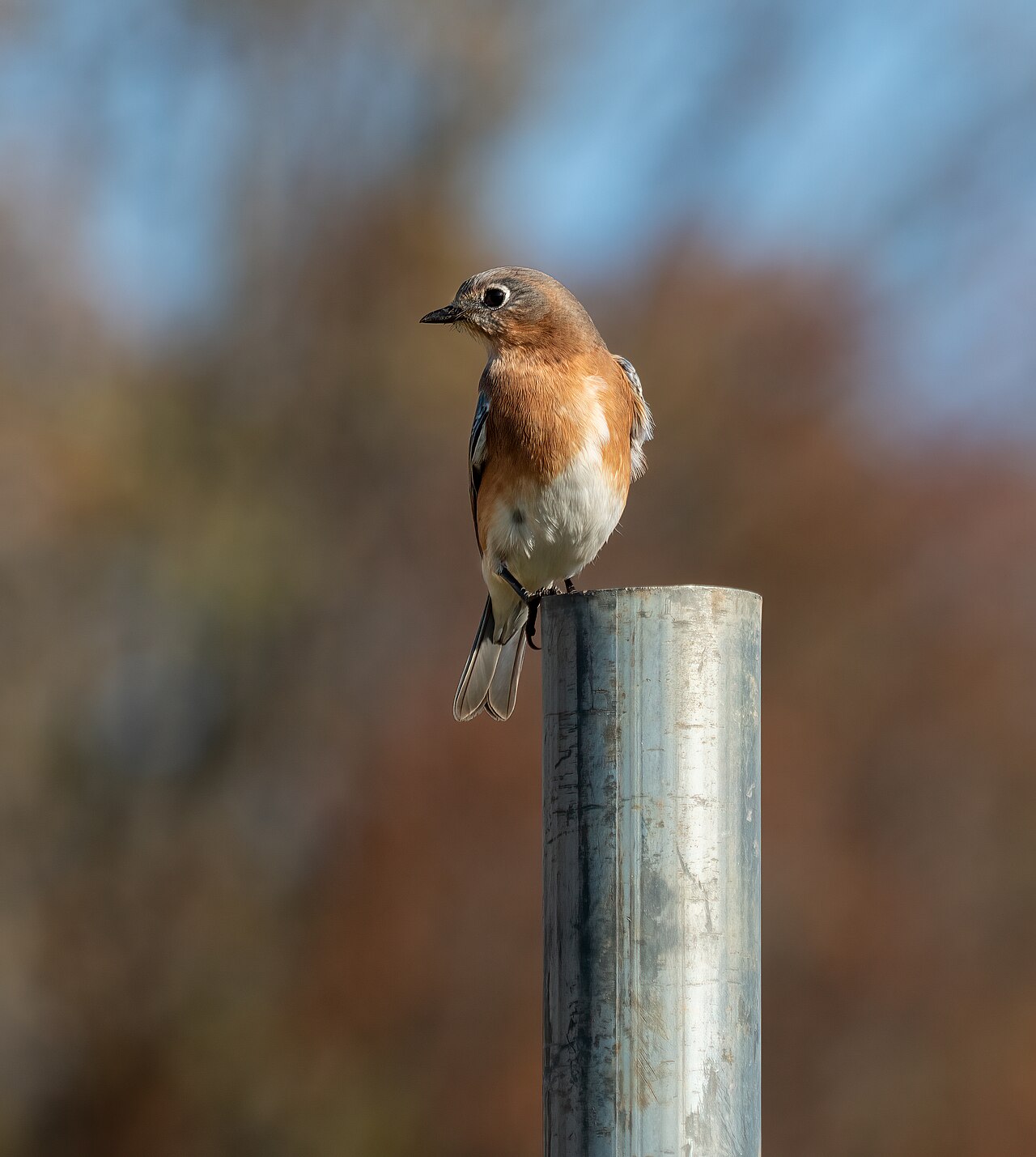
After a successful cloacal kiss, fertilization happens inside the female. She can store sperm in specialized tubules for days or even weeks, releasing it to fertilize each egg as it forms. Eggs develop one at a time in the oviduct, gaining yolk, white, and finally a hard calcium shell before being laid. Most backyard songbirds lay one egg per day until the clutch is complete, then begin incubation so the chicks hatch together.
This internal fertilization and sperm storage is why a single pairing can fertilize a whole clutch, and why removing a male does not always stop eggs from being fertile. Once eggs are laid, the parents move into incubation and, later, feeding. You can follow that stage in our guides on robin nests and baby robins.
Do birds mate for life?
Some do, many do not. Around 90 percent of bird species are socially monogamous for at least one breeding season, meaning a pair raises young together. True lifelong bonds are rarer and famous examples include swans, bald eagles, and albatrosses. Even in bonded pairs, DNA studies reveal frequent mating outside the pair, so social monogamy does not always mean genetic monogamy. Smaller songbirds often re pair each year. We cover the standouts in our guide to birds that mate for life.
When do birds mate?
In North America most birds mate in spring and early summer, roughly March through July, when daylight lengthens and food is abundant for feeding chicks. Rising light triggers hormones that enlarge reproductive organs, which shrink again in the off season to keep birds light for flight. Some species raise two or three broods in a single season, mating again between each clutch. Timing is tuned so that eggs hatch when caterpillars and insects peak, giving nestlings the protein they need. This is also when you will notice the most singing, chasing, and mate feeding in your yard.
How to spot mating behavior in your yard
You do not need to catch the split second cloacal kiss to know birds are pairing up in your yard. The signs build for weeks. Watch for males singing from exposed, high perches to advertise territory, and for chasing flights where two or more birds streak through the trees. Mate feeding is one of the clearest signals: a male Northern Cardinal passing a sunflower seed to a female beak to beak is courtship in action. You may also see wing quivering, bowing, and puffed up display postures as one bird tries to impress another. Nest building follows, with birds carrying grass, twigs, and mud, a sign the pair has bonded. Around feeders, brief moments of one bird balancing on another’s back are the mating itself, over in seconds. All of this peaks in spring, when song and activity surge. Providing reliable food, water, and dense cover makes your yard attractive to nesting pairs, and quietly observing from a distance lets the whole courtship unfold without disturbing the birds. For the birds most likely to stay bonded through it all, see our guide to birds that mate for life.
Do all birds mate the same way?
The cloacal kiss is the standard, but bird mating systems vary widely beyond the mechanics. Some species are strictly monogamous for a season, cooperating to raise young, while others are polygamous, with one male mating with several females or the reverse. In lek breeding species such as grouse and some manakins, males gather at a display ground and perform for females, who choose a mate and then raise the chicks alone. Waterfowl are the notable anatomical exception, with the male’s intromittent organ and, in some ducks, aggressive forced mating that has driven an evolutionary arms race in female anatomy. Cooperative breeders like some jays and wrens even have extra adult helpers at the nest. So while nearly all birds share the same brief physical act, the social systems around it range from lifelong devotion to elaborate competition. Understanding a species’ mating system explains a lot about the behavior you see, from a lone displaying turkey gobbler to a faithful pair of geese.
Related reading: v formation.
Frequently Asked Questions
How long does bird mating take?
The actual transfer of sperm during a cloacal kiss often lasts under one second, though a pair may repeat it many times over several days to ensure fertilization.
Do birds have private parts?
Most birds do not. About 97 percent of species use a shared opening called the cloaca. Only around 3 percent, such as ducks, geese, and ostriches, have a penis like organ.
What is a cloacal kiss?
It is the brief moment when a male and female bird press their cloacas together to transfer sperm. It is the main mating method for nearly all bird species.
Do birds mate for life?
About 90 percent of birds are monogamous for at least one season, but true lifelong pairing is rarer and seen in swans, eagles, and albatrosses. Many still mate outside the pair.
How do birds get pregnant?
Birds do not get pregnant. Fertilization happens internally, but the embryo develops inside an egg that the female lays and then incubates outside her body.
Can birds mate without a male present?
Females can lay unfertilized eggs alone, but those eggs will never hatch. A stored sperm supply from an earlier mating can fertilize eggs for days after the male has gone.
What time of year do birds mate?
In North America, most birds mate in spring and early summer, roughly March through July, when longer days and abundant food support raising young.
Do birds enjoy mating?
Scientists cannot measure emotion directly, but the driving force is hormonal and instinctive, timed to seasonal cues rather than pleasure as humans experience it.