Owls in Arizona: 13 Species Identification
Arizona is home to 13 owl species, more than almost any other state in the country. That diversity comes from the state’s “sky islands,” isolated mountain ranges in the southeast that rise out of the desert and pack pine forest, oak woodland, and cactus desert into a few hours’ drive of each other. Common statewide species like the Great Horned Owl and Western Screech-Owl share the state with desert specialists like the Elf Owl and mountain specialists like the Whiskered Screech-Owl and Flammulated Owl.
| Owl | Where in Arizona | Key Features |
| Great Horned Owl | Statewide | Large, prominent ear tufts, deep hoots |
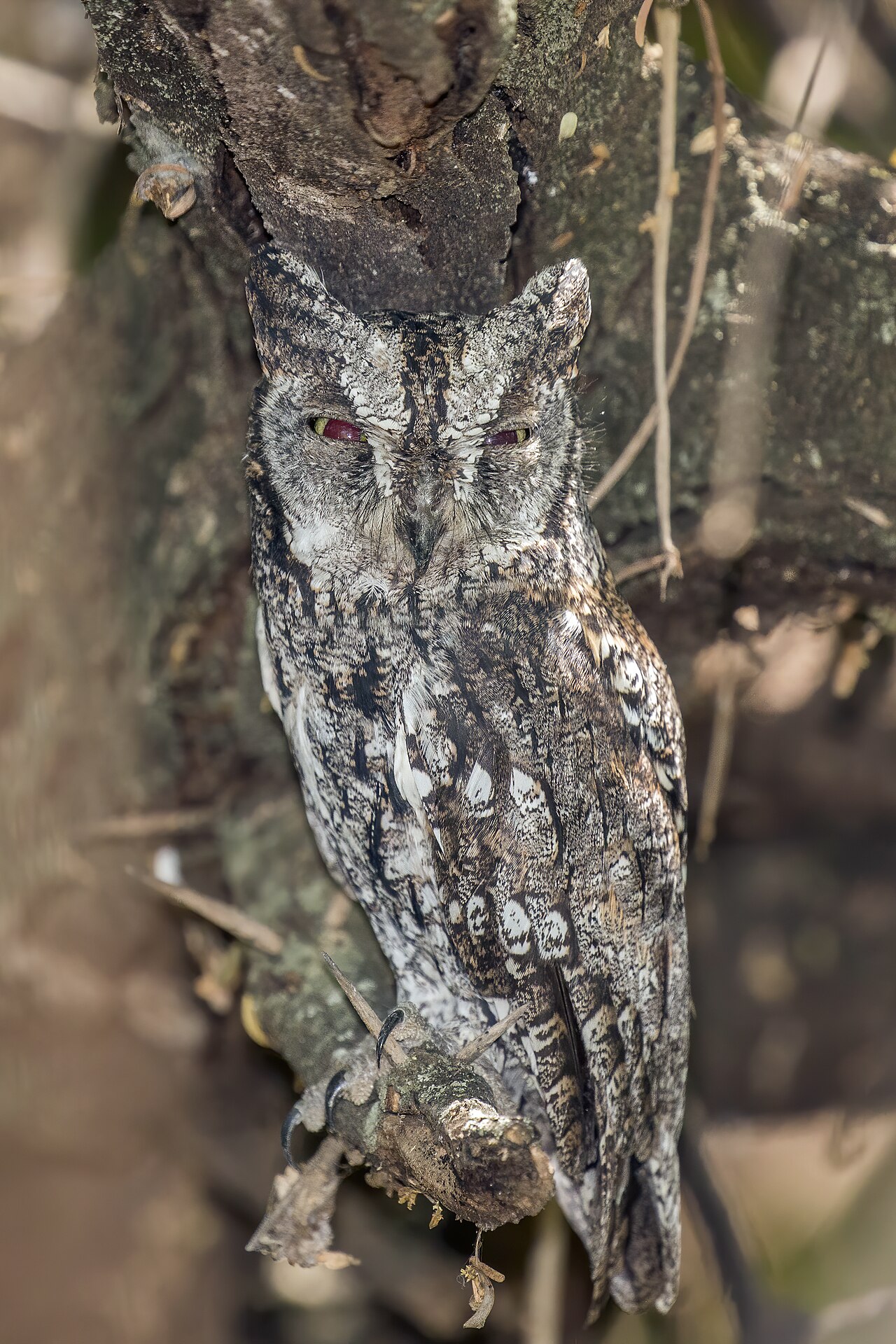
| Western Screech-Owl | Statewide, low to mid elevation | Small, bouncing-ball trill call |
| Elf Owl | Saguaro desert, sky islands | World’s smallest owl, nests in cactus holes |
| Whiskered Screech-Owl | Southeast sky islands only | Oak canyons, Morse-code call |
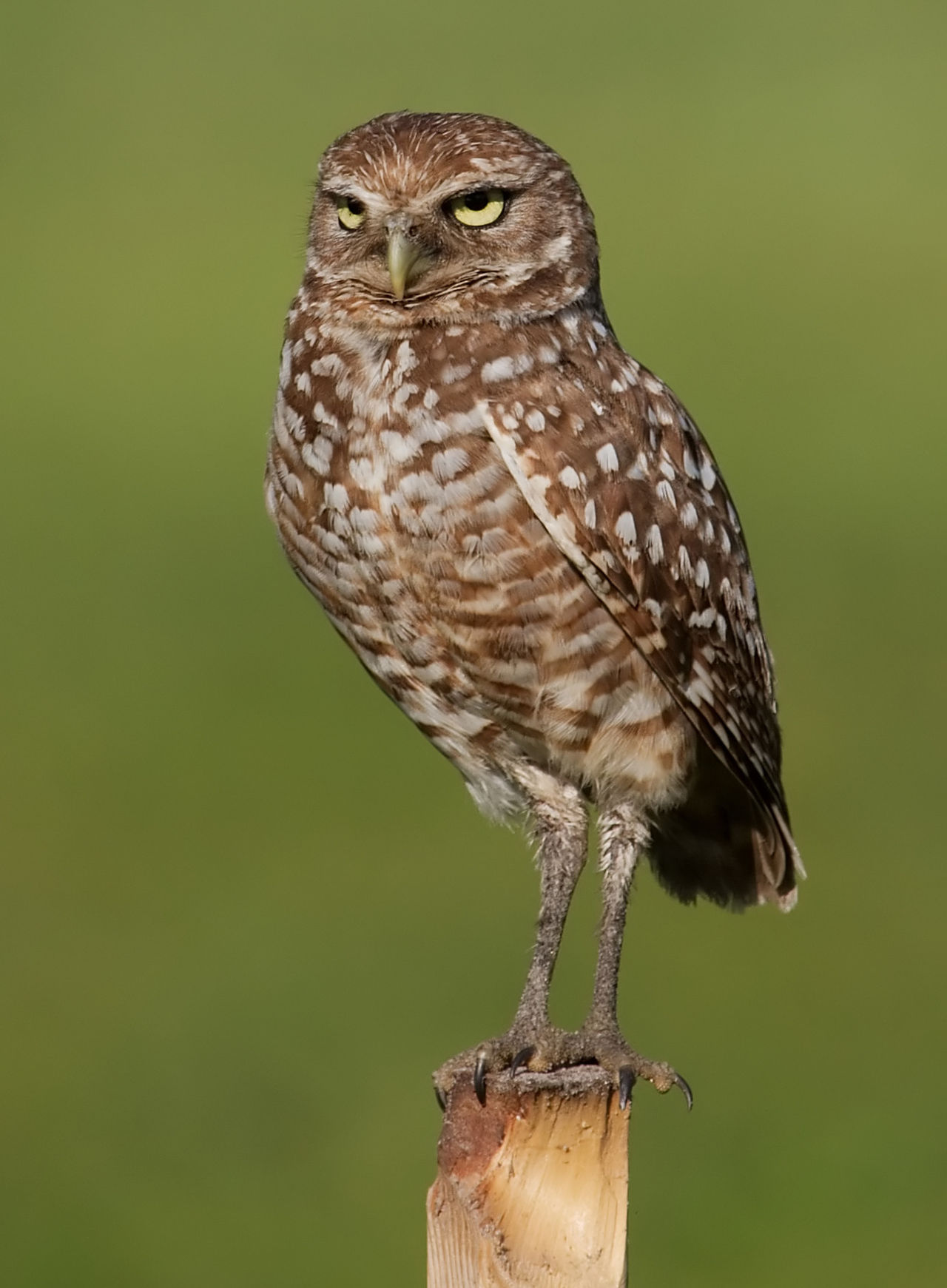
| Burrowing Owl | Open desert, grassland | Long legs, nests underground |
| Mexican Spotted Owl | High mountain canyons | Dark eyes, rare, forest dependent |
| Barn Owl | Statewide, low elevation | Pale, heart-shaped face |
How Many Owl Species Live in Arizona?
Arizona’s 13 documented owl species include the Barn Owl, Western Screech-Owl, Whiskered Screech-Owl, Great Horned Owl, Northern Pygmy-Owl, Ferruginous Pygmy-Owl, Elf Owl, Burrowing Owl, Mexican Spotted Owl, Long-eared Owl, Short-eared Owl, Northern Saw-whet Owl, and Flammulated Owl. The southeastern sky islands, especially Cave Creek Canyon in the Chiricahua Mountains, are famous among birders for owl diversity packed into a single night’s walk. One well-known eBird checklist from Cave Creek Canyon recorded seven owl species on a single outing, believed to be the most owl species ever logged on one checklist anywhere in the country.
The Most Common Owls in Arizona
Three species turn up in almost every part of the state. The Great Horned Owl is the largest and most widespread, found from downtown Phoenix to remote desert washes, and is easily told apart by its heavy build and long ear tufts. The Western Screech-Owl is common in any area with mature trees or saguaros for cavity nesting, giving a soft, accelerating trill often compared to a bouncing ball coming to rest. The Barn Owl rounds out the trio, hunting over agricultural fields and open desert statewide and nesting in barns, cliff crevices, and saguaro cavities alike. All three are present year round and are usually the first owls a new resident learns to recognize by ear.
Arizona’s Sky-Island Specialties
Southeast Arizona’s mountain canyons, including the Chiricahuas, Huachucas, and Santa Ritas, hold species found almost nowhere else in the United States. The Whiskered Screech-Owl looks nearly identical to the Western Screech-Owl but lives strictly in oak and pine-oak canyons above about 4,000 feet and gives a distinctive, irregular Morse-code style call. The Northern Pygmy-Owl and Flammulated Owl favor the same higher pine forest, with the Flammulated Owl arriving only in summer to breed before migrating back to Mexico and Central America for winter. The tiny Ferruginous Pygmy-Owl is a rare sky-island and desert-wash specialist along the Mexican border, active by day unlike most owls. Birders often plan entire trips around these canyons specifically because nowhere else in the country offers a realistic chance at all of these species within a single weekend.
Desert Owls: Elf Owl and Burrowing Owl
Two species define Arizona’s low desert. The Elf Owl is the smallest owl in the world, barely larger than a sparrow, and nests almost exclusively in old woodpecker holes in saguaro cactus across the Sonoran Desert before migrating to Mexico for winter. The Burrowing Owl takes the opposite approach, living at ground level in abandoned mammal burrows across open desert, grassland, and even golf courses, and is one of the few owls active during full daylight. Both species tolerate the intense summer heat of the low desert far better than forest-dependent owls, which is part of why they thrive in habitat that looks inhospitable at first glance.
The Mexican Spotted Owl: Arizona’s Rarest Resident
The Mexican Spotted Owl is the subspecies of Spotted Owl found in Arizona’s high-elevation forests and steep, shaded canyons, mostly in the Mogollon Rim country and the sky islands. It is federally listed as threatened due to habitat loss from logging and severe wildfire, and its dependence on old-growth conifer and mixed forest makes it one of the hardest owls in the state to find without a guide familiar with known territories. Unlike the adaptable Great Horned Owl, the Mexican Spotted Owl rarely tolerates disturbed or open habitat, and its dark eyes and heavily spotted plumage separate it instantly from any other large Arizona owl.
Long-eared, Short-eared, and Saw-whet Owls in Arizona
Three additional species round out the state’s list, all less commonly seen than the residents above. The Long-eared Owl favors dense thickets near water and open grassland for hunting, roosting so well camouflaged against tree bark that it is more often found by its pellets than by sight. The Short-eared Owl is a winter visitor to open grassland and agricultural valleys, hunting low over fields at dusk in a distinctive floppy, moth-like flight. The Northern Saw-whet Owl turns up mainly in the state’s higher mountain forests, and its small size and tameness around observers make it a favorite find for visiting birders lucky enough to locate one. All three are considerably harder to detect than Arizona’s common residents, since none of them calls as loudly or as often as a Great Horned Owl or Western Screech-Owl defending territory.
Where and When to Find Owls in Arizona
Timing matters as much as location. Late winter through early summer covers the core breeding and calling season for most species, when territorial hooting and courtship calls make owls far easier to detect by ear than by sight. Cave Creek Canyon, Madera Canyon, and Ramsey Canyon in the sky islands are the most productive single locations for variety, while any saguaro-studded wash in the Phoenix or Tucson basins can turn up Elf Owl, Western Screech-Owl, and Great Horned Owl in the same evening. According to the Cornell Lab of Ornithology, most owls are detected far more often by voice than by sight, so learning a handful of calls before heading out, using a resource like the owl calls guide, dramatically improves results.
Arizona’s Owls Compared to Neighboring States
Arizona’s owl list stands out even next to biologically rich neighbors. New Mexico and Texas both host their own share of desert and grassland species, but neither combines low Sonoran Desert, high pine-oak sky islands, and Rocky Mountain-influenced conifer forest within such a short driving distance the way Arizona does. That compressed range of elevation and habitat, from below 1,000 feet in the Yuma desert to over 9,000 feet on the Mogollon Rim, is the single biggest reason the state supports more owl species than most of the country in an area smaller than many single ecosystems elsewhere. Birders visiting from outside the Southwest often find that a single well-planned week covering both the low desert around Tucson and the higher sky-island canyons nearby can realistically produce more owl species than an entire birding career spent in a single-habitat state further east.
Frequently Asked Questions
How many species of owls live in Arizona?
Arizona has 13 documented owl species, more than almost any other state, thanks to its mix of low desert, grassland, and isolated sky-island mountain forest.
What is the smallest owl found in Arizona?
The Elf Owl is both Arizona’s smallest owl and the smallest owl species in the world, standing about 5 to 6 inches tall and nesting in saguaro cactus cavities.
What kind of owls live in Phoenix or Tucson?
Great Horned Owls, Western Screech-Owls, Barn Owls, and Elf Owls are all regular in and around both cities wherever mature trees or saguaros provide nest cavities.
Where can you see the most owl species in Arizona?
The sky-island canyons of southeast Arizona, especially Cave Creek Canyon, Madera Canyon, and Ramsey Canyon, offer the best chance of finding multiple species in a single outing.
Are owls protected in Arizona?
Yes. All native owl species are protected under the federal Migratory Bird Treaty Act, and it is illegal to capture, harm, or possess a wild owl, its nest, or its eggs without a permit.
What is the rarest owl in Arizona?
The Mexican Spotted Owl is generally considered Arizona’s rarest resident owl. It is federally listed as threatened and restricted to old-growth and mature forest in the state’s higher mountains.
Do any Arizona owls migrate?
Yes. The Flammulated Owl and Elf Owl are both largely migratory, arriving in spring to breed in Arizona’s mountains and deserts before returning to Mexico and Central America for the winter. Most of the state’s other resident species, including the Great Horned Owl and Western Screech-Owl, stay in Arizona year round and do not undertake any long-distance seasonal movement.