Types of Owls: A Complete Guide
There are around nineteen species of owls in North America, ranging from the huge great horned owl to the tiny northern saw-whet owl, plus many more around the world. These remarkable birds of prey vary enormously in size, appearance, and habitat, but all share the keen senses and silent flight that make owls such effective nocturnal hunters. This guide covers how many types of owls there are, common species you can see, how to tell them apart, where they live, and the owls most likely to appear in your area.
| Owl | Key Features |
|---|---|
| Great Horned Owl | Large, ear tufts, deep hoots |
| Barred Owl | Round head, who-cooks-for-you call |
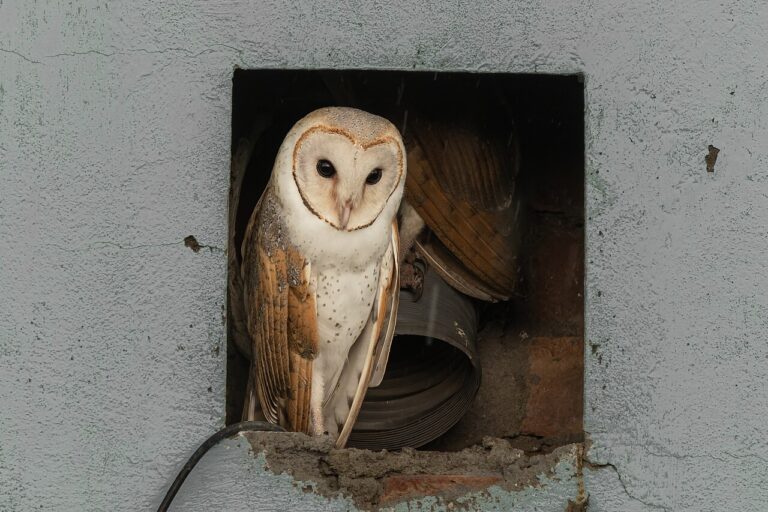
| Barn Owl | Heart-shaped white face |
| Eastern Screech-Owl | Small, ear tufts, trilling call |
| Snowy Owl | Large, white, Arctic |
| Great Gray Owl | Very large, gray, big facial disk |
| Long-eared Owl | Slim, tall ear tufts |
| Short-eared Owl | Open-country, day-flying |
| Northern Saw-whet Owl | Tiny, round-headed |
| Burrowing Owl | Long legs, ground-dwelling |
How Many Types of Owls Are There?
There are around nineteen species of owls found in North America, and roughly two hundred species worldwide, making owls a large and varied group of birds of prey. They range dramatically in size, from the powerful great horned owl and the imposing great gray owl down to the tiny northern saw-whet owl and elf owl, which are barely larger than a sparrow. Owls are generally divided into two loose groups: the typical owls, which include most familiar species, and the barn owls, recognized by their distinctive heart-shaped facial disks. Despite their differences, all owls share certain traits, including forward-facing eyes, excellent night vision, exceptional hearing, and specially adapted feathers that allow nearly silent flight. Most owls are nocturnal hunters, though some are active at dawn, dusk, or even during the day. This diversity means there is an owl suited to almost every habitat, as explored in our guide to what owls eat.
Common Types of Owls
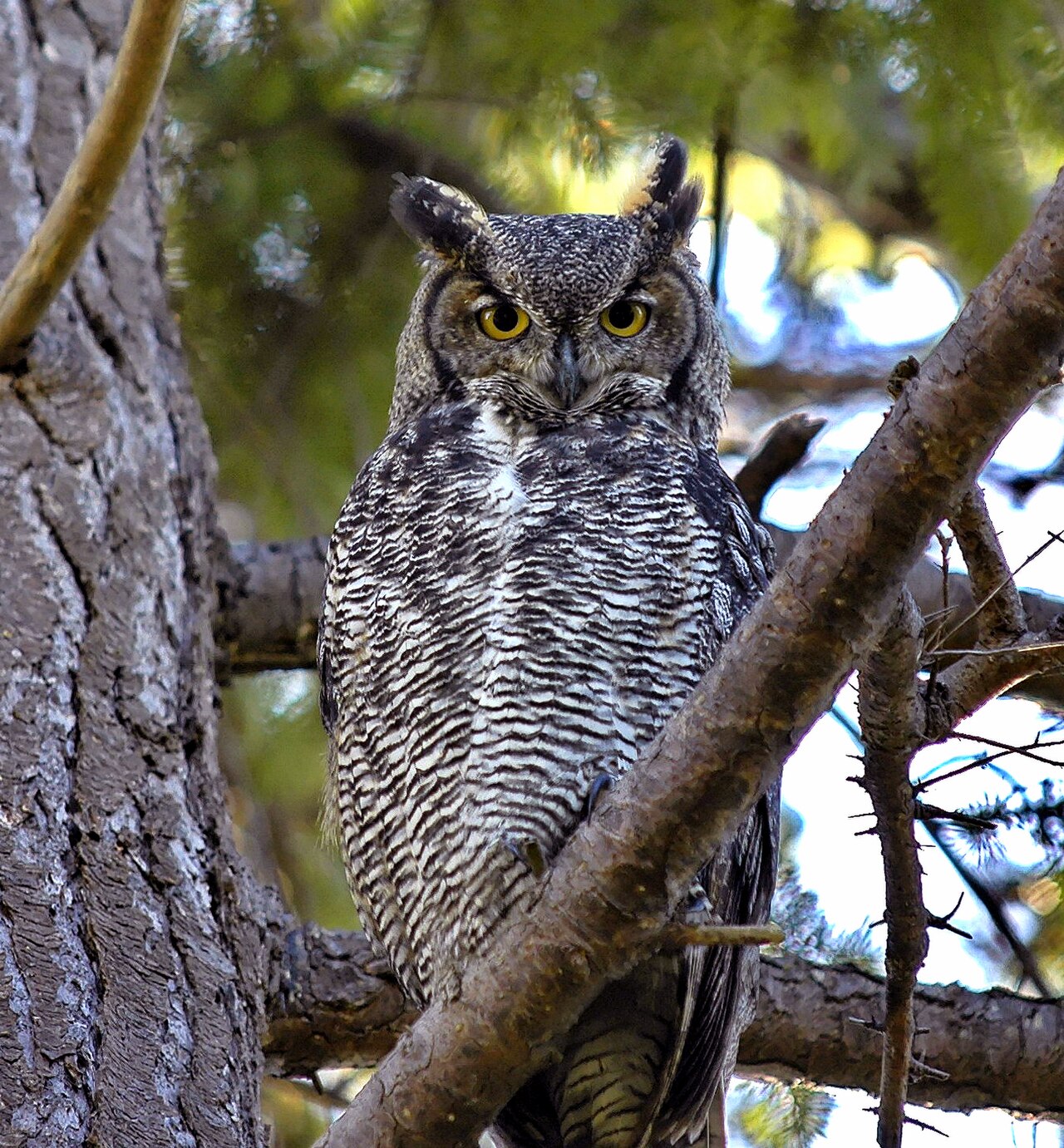
Several types of owls are especially well known. The great horned owl is one of the largest and most powerful, easily recognized by its prominent ear tufts and deep hooting call, and it hunts a wide range of prey. The barred owl has a rounded head without ear tufts and a famous call that sounds like who-cooks-for-you. The barn owl stands out with its pale, heart-shaped face and ghostly appearance. The small eastern screech-owl has ear tufts and a trilling or whinnying call, while the snowy owl is a large, white Arctic species that sometimes wanders south in winter. The great gray owl is very large with a huge facial disk, the long-eared owl is slim with tall ear tufts, and the short-eared owl hunts over open fields, often in daylight. The tiny northern saw-whet owl and the long-legged, ground-dwelling burrowing owl round out this varied group, each with its own charm and habits.
How to Tell Owls Apart
Telling owls apart is easier when you focus on a few key features. Size is a great starting point, since owls range from tiny saw-whets to massive great horned and great gray owls. Look for the presence or absence of ear tufts, the feather tufts on the head that some owls, like the great horned and screech-owls, have and others, like the barred and barn owls, lack. The shape and color of the facial disk is useful too, especially the barn owl’s unmistakable heart-shaped white face. Note the overall color and pattern, the owl’s habitat, and whether it is active by night or day. Perhaps most helpful of all is the owl’s call, since each species has a distinctive voice, and owls are often heard before they are seen. By combining size, ear tufts, face shape, habitat, and voice, you can identify most owls you encounter, deepening your appreciation of these birds explored in our guide to owl symbolism.
Where Owls Live
Owls live in an impressive variety of habitats, with different species adapted to different environments. Woodland owls like the barred owl and great horned owl inhabit forests, woodlots, and wooded suburbs, while the barn owl favors open country, farmland, and grasslands where it hunts rodents. The snowy owl breeds on the Arctic tundra and moves south into open fields and shorelines in some winters, and the great gray owl haunts northern boreal forests. Open-country species like the short-eared owl hunt over marshes, fields, and prairies, and the burrowing owl lives in open grasslands and deserts, nesting underground in burrows. Some owls are year-round residents, while others move with the seasons or food supply. Because owls occupy nearly every habitat from tundra to desert to forest, there is a good chance an owl lives near you, as many people discover when they hear one at night, as covered in our guide to seeing an owl at night.
Owls You Might See in Your Area
The owls most likely to appear near you depend on your region and habitat, but a few species are especially widespread. The great horned owl is found across nearly all of North America in many habitats, making it one of the most likely owls to encounter, and its deep hooting is a common night sound. The barred owl is common in eastern forests and wooded suburbs, often calling loudly. The eastern and western screech-owls are small owls that live in many neighborhoods, sometimes in nest boxes, though they are easy to overlook. The barn owl turns up in open farmland and around old buildings. In winter, northern areas may host a visiting snowy owl, an exciting sight covered in our guide to seeing a white owl. Putting up an owl-appropriate nest box and learning local owl calls are great ways to discover which owls share your area, and to enjoy these captivating birds up close, complementing our guide to seeing an owl.
What Makes Owls Unique
Owls share a remarkable set of adaptations that set them apart from other birds. According to the Cornell Lab of Ornithology, owls are equipped for hunting in low light with exceptional hearing and specially structured feathers that allow nearly silent flight, letting them approach prey undetected. Their large, forward-facing eyes provide excellent night vision and depth perception, and because their eyes cannot move in the sockets, owls turn their heads remarkably far to look around. Many owls also have facial disks that funnel sound to their ears, and some can locate prey by hearing alone in complete darkness. These adaptations make owls superb nocturnal predators, able to hunt when most other birds cannot. Understanding these shared traits helps explain why all owls, despite their great variety in size and habitat, are so effective and so mysterious, qualities that have shaped their rich meaning in our guide to owl symbolism.
Owl Nesting and Young
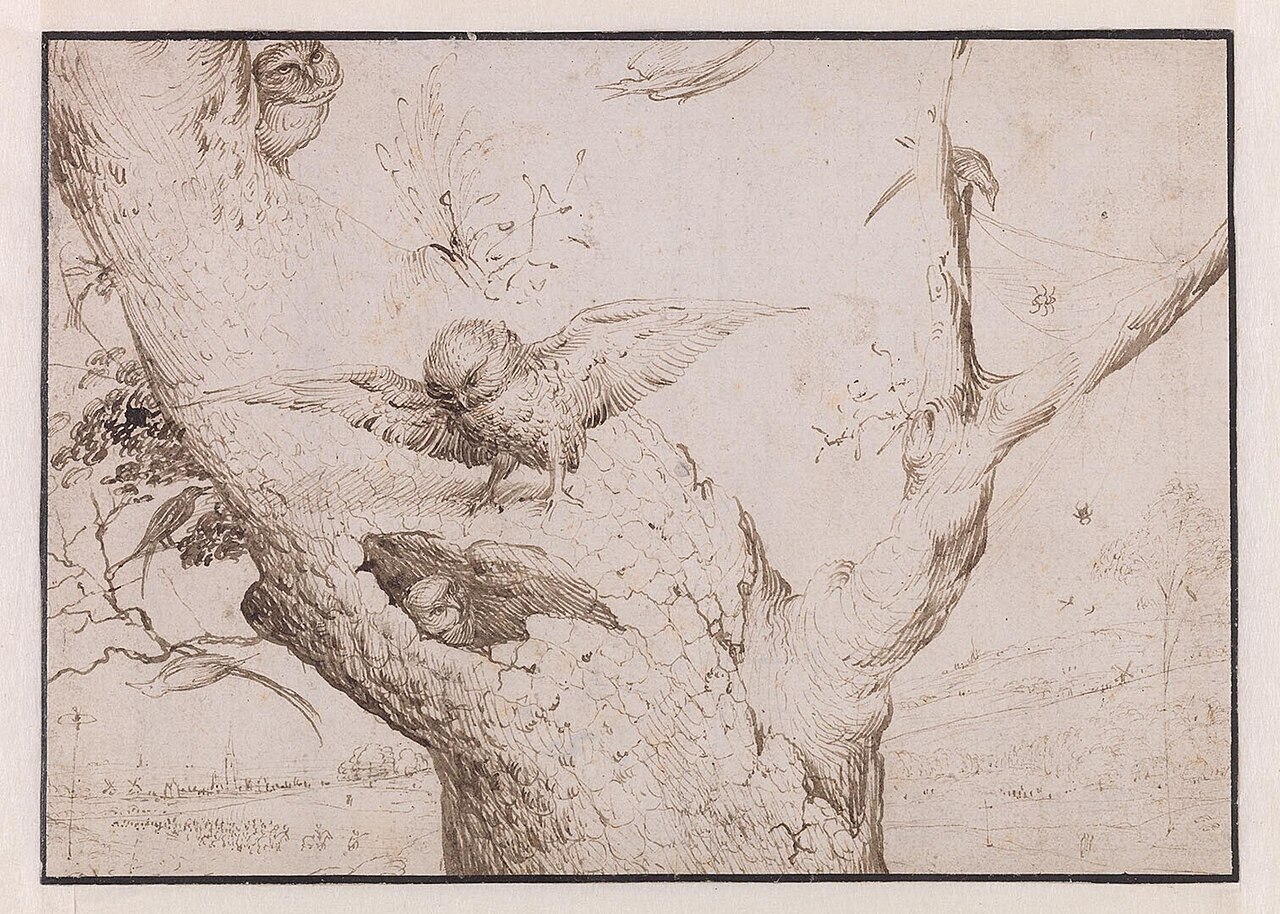
Owls have interesting nesting habits that vary widely among species. Unlike many birds, most owls do not build their own nests. Instead, they use existing sites such as tree cavities, old nests built by hawks or crows, cliff ledges, or even the ground, and some readily take to nest boxes. The great horned owl, for example, often takes over an old stick nest, while screech-owls and barn owls favor cavities and boxes, and the burrowing owl nests underground. Owls typically lay their eggs early in the year, sometimes in late winter, and the female usually does most of the incubating while the male brings food. The fluffy young, called owlets, depend on their parents for weeks. These varied nesting strategies are part of what allows owls to occupy so many different habitats successfully across the continent.
Related reading: types of owls in Florida, types of owls in Texas.
Related reading: types of owls in Pennsylvania, types of owls in Ohio.
Related reading: types of owls in Georgia.
Related reading: types of owls in Virginia.
Related reading: types of owls in Tennessee.
Related reading: types of owls in Alabama.
Related reading: types of owls in Michigan, types of owls in South Carolina.
Related reading: types of owls in Illinois, types of owls in California.
Related reading: types of owls in New York.
Related reading: types of birds of prey.
Frequently Asked Questions
How many types of owls are there?
There are around nineteen owl species in North America and roughly two hundred worldwide, ranging from the tiny saw-whet owl to the large great horned and great gray owls.
What is the most common owl?
The great horned owl is one of the most widespread owls in North America, found in many habitats, while the barred owl is very common in eastern forests and suburbs.
What is the largest owl?
The great gray owl is the tallest North American owl, and the great horned owl and snowy owl are among the largest and heaviest. All are powerful, impressive birds.
What is the smallest owl?
The elf owl is the smallest owl in the world, and the northern saw-whet owl is another tiny species, both barely larger than a sparrow.
How do you identify different owls?
Look at size, whether the owl has ear tufts, the shape of its facial disk, its color, habitat, and especially its call, since owl voices are very distinctive.
What owl has a heart-shaped face?
The barn owl has a distinctive pale, heart-shaped facial disk, along with a ghostly appearance, which makes it one of the easiest owls to recognize.
What owls might live near me?
The great horned owl, barred owl, and screech-owls are widespread and may live near you, along with the barn owl in open country and a snowy owl in some winters.