Owl Pellets: What They Tell Us About Diet
Owl pellets are compact, oval bundles of fur, feathers, and bone that an owl regurgitates roughly once or twice a day, several hours after eating, once its stomach has extracted all the digestible nutrition from a meal and compacted the rest into a single mass. Because owls swallow most prey whole, pellets often contain an entire tiny skeleton, and cracking one open is one of the most direct ways to see exactly what a specific owl has been hunting, right down to the species.
| Fact | Detail |
| What’s inside | Fur, feathers, bone, sometimes exoskeletons |
| How often produced | Roughly 1 to 2 per day, per owl |
| Where found | Directly beneath a regular roost or nest tree |
| Shape | Compact, oval, gray to dark brown |
| Size clue | Larger pellets generally mean a larger owl species |
| Safe to handle | Yes if baked or bought pre-sterilized; wear gloves either way |
How and Why Owl Pellets Form
Owls lack the strong stomach acid and grinding gizzard action that let hawks and many other predators digest bone quickly, so an owl’s digestive system instead separates a meal into two parts. Muscle, organs, and other soft tissue pass through the digestive tract and are absorbed normally, while fur, feathers, teeth, claws, and bone are compacted in the gizzard into a firm, rounded mass that travels back up the esophagus and is coughed up, usually several hours after the owl has finished eating and often from the exact same roost perch each time. This process keeps sharp bone fragments from damaging the owl’s intestines on the way through, which is one reason owls can safely swallow prey whole rather than tearing it into smaller pieces first the way many hawks do.
What’s Actually Inside a Pellet
Cracking a pellet open typically reveals one or more complete or near-complete small mammal skeletons, most often rodents such as voles, mice, and shrews, matted together with the fur of the same animals. Depending on the owl species and region, pellets can also contain bird bones and feathers, insect exoskeletons, or even small reptile bones. Because the bones inside are rarely broken or dissolved, a patient look under a hand lens or microscope can identify prey down to the species using skull shape and jawbone teeth patterns, which is why biology classrooms and wildlife researchers both dissect pellets regularly as a hands-on way to study food webs.
What Pellet Contents Reveal About Diet
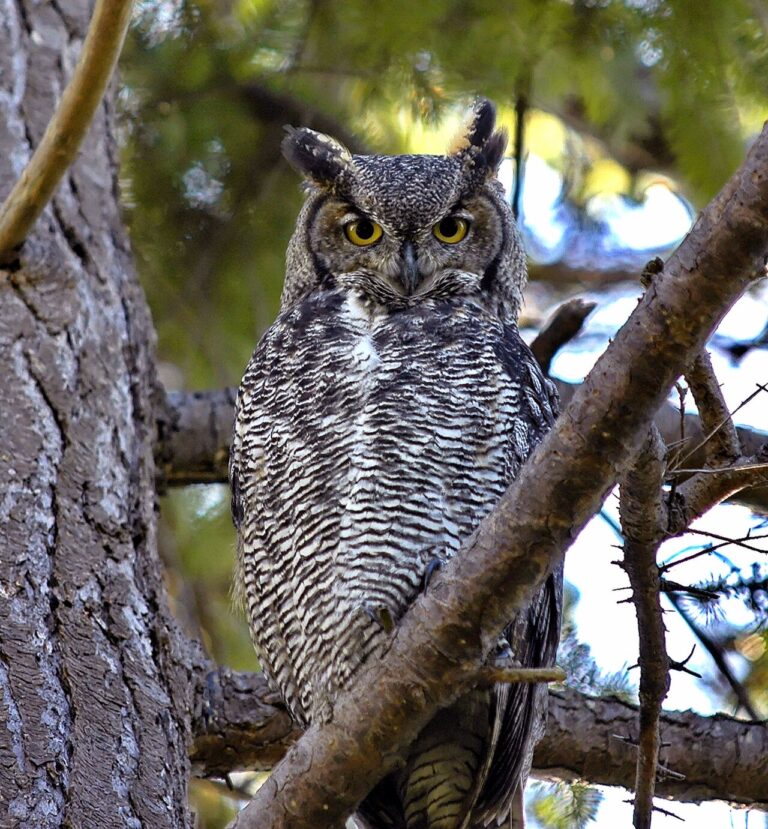
Regularly collecting and dissecting pellets from underneath a single roost site over time builds an accurate picture of what a specific owl or pair is hunting through the seasons, information that is difficult to gather any other way for a nocturnal predator. A Barn Owl pellet is usually packed almost entirely with vole and mouse remains, reflecting its specialization on small rodents in open country, while a Great Horned Owl pellet more often turns up a wider mix that can include rabbit bones, other birds, and even skunk remains, matching its reputation as one of the least selective hunters among North American owls. Comparing pellets from the same site across different seasons can even reveal shifts in local rodent populations, since an owl’s diet closely tracks whatever prey is easiest to find at the time.
Pellet Size and Shape by Species
Pellet size scales roughly with the size of the owl producing it. A tiny Eastern Screech-Owl produces a pellet not much larger than a large grape, while a Great Horned Owl or Barn Owl can produce pellets 2 to 4 inches long. Shape also varies slightly: Barn Owl pellets tend to be smooth, dark, and tightly compacted, while Great Horned Owl pellets are often looser and more irregular, reflecting the larger, more varied prey items packed inside. For a broader sense of how pellet and body size scale together across species, see the owl size identification guide.
Where to Find Owl Pellets
Pellets accumulate directly beneath a regularly used roost or nest site, so the most productive places to look are under large, dense evergreen trees, inside barns or silos, on window ledges of tall buildings, and at the base of nest boxes. A single productive roost can accumulate dozens of pellets over a season, since an individual owl typically returns to the same perch night after night unless disturbed. Once you find a pellet site, checking back every few weeks can build a surprisingly complete record of what a local owl has been eating without ever needing to see the bird itself.
How to Dissect a Pellet Safely
Dissection is easiest with warm water, a set of tweezers, and a shallow tray. Soaking a dry pellet for 10 to 15 minutes softens the fur enough to gently pull it apart without crushing the fragile bones inside, and small bones can then be separated, cleaned, and even reassembled into a rough skeleton on a sheet of paper. Skulls are the most useful piece for identifying prey, since rodent species differ noticeably in tooth shape and skull proportions even when the rest of the skeleton looks similar.
Owl Pellets in the Classroom
Owl pellet dissection is a staple of school science units because it turns an abstract idea, that owls are predators, into a concrete hands-on lesson about food chains and skeletal anatomy. According to the Cornell Lab of Ornithology, sterilized owl pellets are widely sold for exactly this purpose, since heat treatment kills bacteria while leaving the bones intact for safe classroom handling. Pairing a pellet dissection with a look at what owls eat in the wild gives students a fuller before-and-after picture of the entire hunting and digestion process, and it pairs naturally with efforts to attract owls to a yard where pellets can later be collected and studied firsthand.
Are Owl Pellets Safe to Handle?
Wild pellets can carry bacteria and parasites, so anyone collecting them for a closer look should wear gloves and, for classroom or home dissection, use pellets that have been commercially sterilized through heat treatment rather than freshly collected wild ones. Washing hands thoroughly after handling any wild pellet, sterilized or not, is a simple habit that removes almost all of the practical risk.
Owl Pellets vs Other Signs of Wildlife
Owl pellets are sometimes confused with the scat of small mammals or even with hawk castings, but a few details make owl pellets easy to tell apart once you know what to check. Owl pellets are usually smoother and more tightly compacted than mammal scat, hold their shape well even when dry, and contain fur and bone rather than the plant fiber typical of herbivore droppings. Hawks and falcons produce a similar bundle called a casting, but hawks tend to tear prey apart before eating rather than swallowing it whole, so hawk castings usually contain far less intact bone and skeleton material than an owl pellet from a similarly sized prey item. Location is another clue: pellets found beneath a dense evergreen or inside a barn rafter are far more likely to be owl pellets than hawk castings, since hawks typically perch more in the open.
Why Scientists Study Owl Pellets
Beyond casual curiosity, owl pellets are a genuinely valuable research tool. Because owls are efficient, wide-ranging nocturnal hunters, the pellets collected beneath a single roost over a season or a year offer wildlife biologists a low-cost, non-invasive way to survey which small mammal species are present in an area, information that would otherwise require extensive live trapping. Long-term pellet collection at the same site can also reveal population booms and crashes in local rodent species years before those changes would show up in more traditional survey methods, making owl roosts an unexpected but genuinely useful monitoring point for local ecosystems.
Frequently Asked Questions
How often do owls produce pellets?
Most owls produce one to two pellets per day, generally several hours after a meal once the digestible portion of the food has been absorbed and the indigestible remains compacted.
What is inside an owl pellet?
Owl pellets typically contain fur, feathers, and the bones of small prey, most often rodents, and can include entire small skeletons that survived digestion intact.
Are owl pellets the same as owl droppings?
No. Droppings, sometimes called whitewash, are digestive waste expelled from the other end and look like white or gray splatter, while a pellet is a solid, regurgitated bundle expelled through the mouth.
Can you tell what an owl ate from its pellet?
Yes. Because bones inside a pellet are rarely broken down, examining the skulls and jawbones inside can identify prey species with a good degree of accuracy, which is why researchers and classrooms regularly dissect them.
Is it safe to pick up a wild owl pellet?
Wild pellets can carry bacteria, so it is best to wear gloves when handling them and to use commercially sterilized pellets for hands-on dissection rather than untreated wild ones.
How can you tell which owl species produced a pellet?
Size and shape offer strong clues. Larger, looser pellets with varied prey remains usually come from bigger, generalist hunters like the Great Horned Owl, while smaller, tightly packed pellets full of rodent remains often point to a Barn Owl or screech-owl.
What is the best way to dissect an owl pellet at home?
Soak the pellet in warm water for 10 to 15 minutes to soften the fur, then use tweezers to gently separate the bones from the softened fur in a shallow tray, working slowly to avoid crushing the smaller, fragile pieces.