White-Tailed Hawk: Texas Specialist
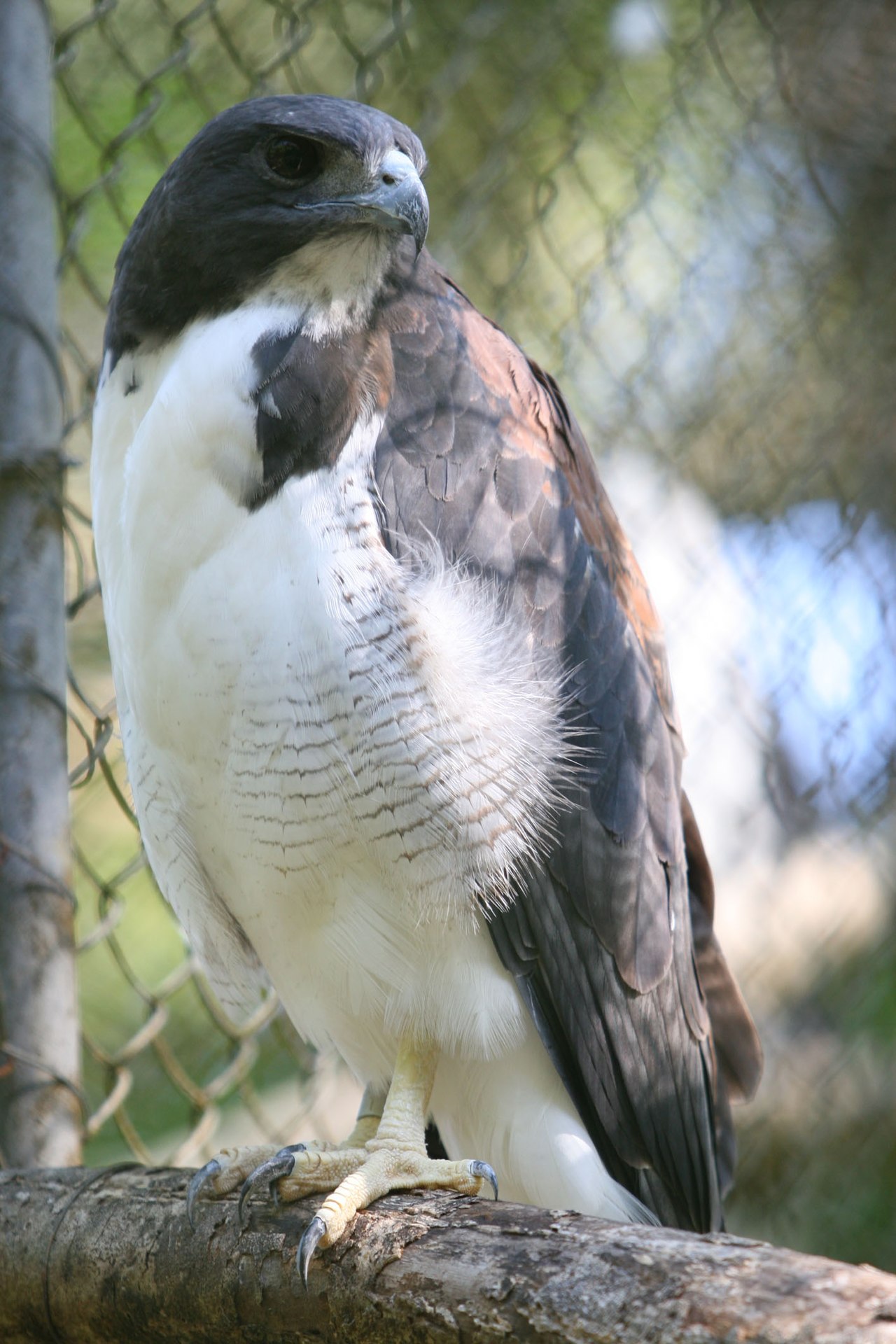
A White-Tailed Hawk is a large, pale-headed buteo identified by a gray back, rust-red shoulder patches, a mostly white chest, and a short, pure white tail crossed by a single narrow black band near the tip. In the United States it is found almost exclusively along the coastal prairies of South Texas, making any sighting outside that region notable.
| Fact | Detail |
| Length | 17.7 to 23.6 inches |
| Wingspan | 46.9 to 54.3 inches |
| Weight | 1.6 to 2.9 pounds |
| Key field mark | White tail with single black band |
| Habitat | Coastal prairie, savanna |
| US range | South Texas only |
| Hunting style | Often follows grass fires |
How to Identify a White-Tailed Hawk
Adults show a pale gray head and back, rust-colored shoulder patches, and an almost entirely white chest and belly, but the tail is the clinching field mark: short, pure white, and crossed by a single narrow black band near the tip, unlike the multiple bands typical of a Red-Tailed Hawk or Red-Shouldered Hawk. In flight, the wings appear broad and rounded, and the overall pale coloring combined with the distinctive tail makes adults relatively easy to identify once seen well. Juveniles are considerably darker and more heavily streaked, taking several years to reach full adult plumage.
A Texas Specialty
Within the United States, the White-Tailed Hawk is found almost exclusively in the coastal prairie and savanna of South Texas, particularly the area around the King Ranch and nearby counties, making it one of the more range-restricted hawks in the country and a target species for birders visiting the region specifically to find it, alongside other Texas hawk specialties. Its broader range extends south through the coastal lowlands of eastern Mexico and Central America, with the Texas population representing the northernmost edge of the species’ overall distribution.
Hunting Around Fire
One of the White-Tailed Hawk’s most distinctive behaviors is its attraction to grass fires, whether natural or intentionally set for prairie management, where it hunts insects, snakes, and small mammals fleeing the flames or exposed by the newly cleared ground. This fire-following behavior is shared with only a handful of other raptors worldwide and reflects how closely the species is tied to the natural fire cycles of coastal prairie ecosystems, habitat that depends on periodic burning to stay healthy and open.
Diet and Hunting Behavior
Beyond its fire-following habit, a White-Tailed Hawk hunts more typically from a high perch or by soaring over open prairie, taking rodents, rabbits, snakes, and large insects as they become available across the grassland habitat it depends on. It shares parts of its coastal Texas range with other grassland raptors such as the Northern Harrier and wintering Ferruginous Hawk, though its restricted range keeps it far less commonly encountered than either of those more widespread species.
Nesting Habits
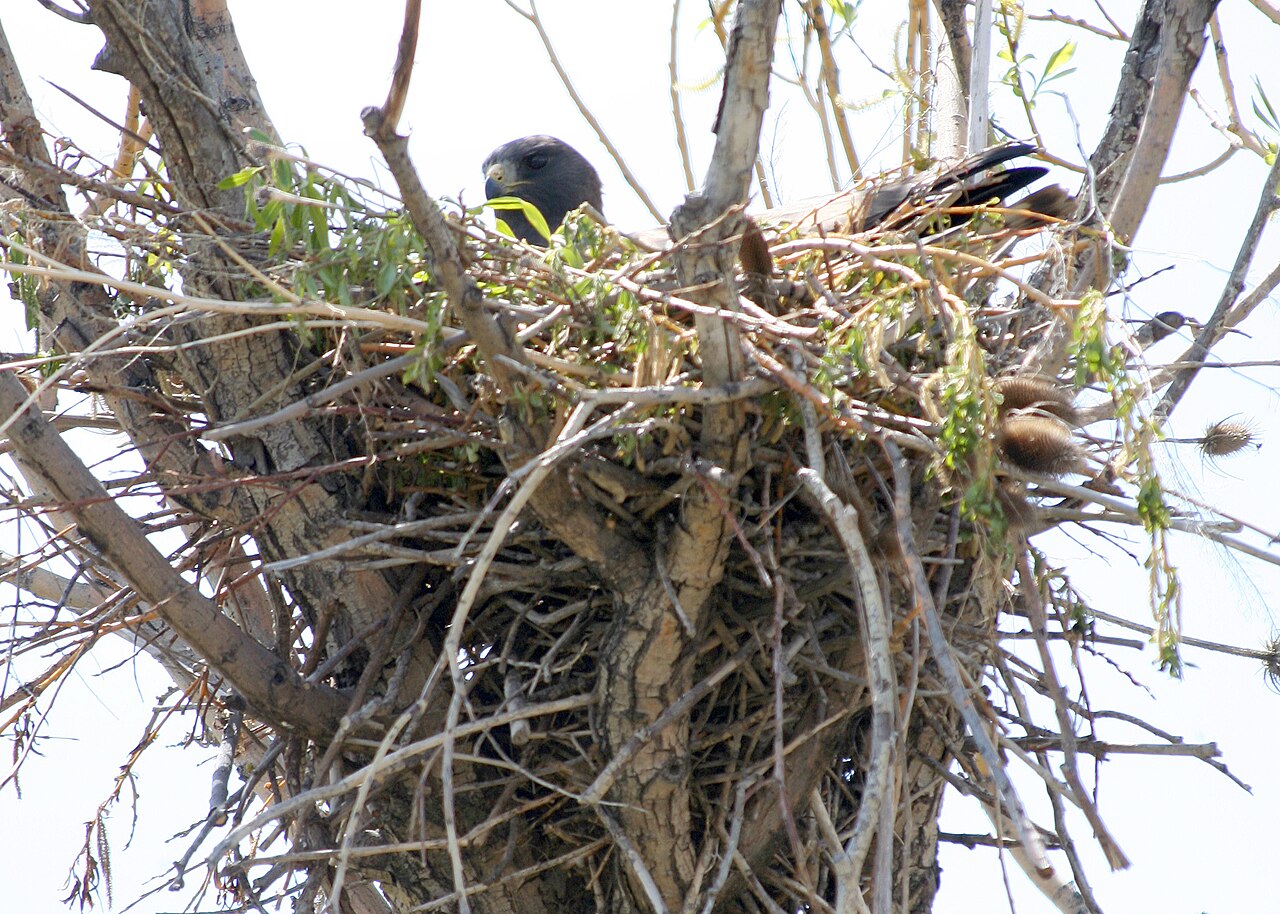
White-Tailed Hawks build stick nests low in isolated trees, yuccas, or shrubs scattered across otherwise open coastal prairie, since taller trees can be scarce in the flat grassland habitat the species favors. According to the Cornell Lab of Ornithology, pairs typically remain on the same territory year round, defending a home range that must include enough open hunting ground to reliably support the family through the breeding season.
Range and Habitat
In the United States, White-Tailed Hawks are essentially confined to the coastal plain of South Texas, a year-round resident population that does not migrate the way many other prairie hawks do. The species is considerably more common and widespread farther south through Mexico, Central America, and into parts of South America, where suitable coastal savanna and grassland habitat is more extensive.
Why South Texas Is the Northern Edge of Its Range
The White-Tailed Hawk’s dependence on coastal prairie and savanna habitat, combined with its intolerance of colder winters farther north, keeps its US range confined almost entirely to the southern tip of Texas, an area with a mild, subtropical climate more similar to the coastal lowlands of Mexico than to the rest of the state. This narrow habitat requirement is part of why the species has such a small US footprint compared to wide-ranging hawks like the Red-Tailed Hawk, which tolerates a far broader range of climates and habitat types across the entire continent.
White-Tailed Hawk vs Similar Pale Buteos
At a distance, a White-Tailed Hawk’s pale gray head and chest can suggest a pale-morph Red-Tailed Hawk or Ferruginous Hawk, but the short, pure white tail with its single black band is a clean, reliable way to separate all three once the tail is visible. Habitat also helps narrow things down, since a White-Tailed Hawk rarely strays from the coastal prairie of South Texas, while both look-alike species range far more widely across the rest of the country.
A Range-Restricted Bird Worth the Trip
Because its US range is so narrow, the White-Tailed Hawk is often a specific target species for birders traveling to South Texas, frequently combined with a broader trip through the region’s other specialty birds. Its combination of a genuinely restricted range, striking pale plumage, and unusual fire-following behavior makes it one of the more distinctive and sought-after buteos in North American birding, despite being a fairly plain-looking bird on paper compared to more famous raptors.
A Coastal Prairie Ecosystem Worth Protecting
The White-Tailed Hawk’s total dependence on South Texas coastal prairie means its long-term future is tied directly to the fate of that specific, increasingly pressured habitat type, much of which has already been lost to agricultural conversion and coastal development over the past century. Conservation efforts focused on preserving remaining tracts of native coastal prairie benefit the White-Tailed Hawk directly, alongside a range of other grassland-dependent wildlife that shares the same shrinking habitat along the Texas Gulf Coast, making the species something of a flagship for the broader push to protect what remains of this increasingly rare ecosystem.
A Bird Tied to Ranch Country
Much of the remaining White-Tailed Hawk habitat in Texas survives specifically because it sits on large working cattle ranches rather than land converted to intensive row-crop agriculture, since well-managed rangeland retains the open grass structure and prey base the species depends on far better than plowed fields do. This makes private ranch management practices, rather than public land protection alone, an unusually significant factor in the species’ continued survival within the United States, a dynamic shared with several other grassland specialists across the American West and South, and one that makes voluntary ranch conservation partnerships an especially valuable tool for the species going forward.
Getting a Good Look
Because the White-Tailed Hawk favors wide-open coastal prairie with few tall perches, birders searching for it often do better scanning distant fence posts and isolated trees with a scope rather than expecting a close roadside view, similar to the patient, wide-field approach that works well for spotting a Ferruginous Hawk on the plains farther north. Early morning and late afternoon, when the bird is most actively hunting rather than resting through the heat of a South Texas midday, tend to produce the best and most reliable sightings for visiting birders willing to put in the scanning time required to find one. Local birding guides and county bird checklists for the King Ranch area are often the fastest way to learn exactly which stretches of road and public viewing areas currently hold the most consistent sightings in a given season.
Frequently Asked Questions
How do you identify a White-Tailed Hawk?
Look for a pale gray-headed buteo with rust shoulder patches, a white chest, and a short, white tail crossed by a single narrow black band, found in the United States almost only in South Texas.
Where can you see a White-Tailed Hawk in the US?
Almost exclusively in the coastal prairie of South Texas, particularly around the King Ranch area and nearby counties, which represents the northern edge of the species’ overall range.
Why do White-Tailed Hawks follow grass fires?
Fires flush out insects, snakes, and small mammals from cover and expose bare ground where remaining prey is easier to spot, making active burns an efficient, if unusual, hunting opportunity for the species.
Does the White-Tailed Hawk migrate?
No. The South Texas population is a year-round resident that does not undertake the seasonal migrations typical of many other prairie-dwelling hawks in North America.
What does a White-Tailed Hawk eat?
Its diet includes rodents, rabbits, snakes, and large insects, hunted from a high perch, while soaring over open prairie, or opportunistically around active grass fires.
How big is a White-Tailed Hawk?
White-Tailed Hawks measure roughly 18 to 24 inches long with a wingspan of 47 to 54 inches, comparable in size to a Red-Tailed Hawk but built with a somewhat more slender profile.
Where does the White-Tailed Hawk live outside the US?
Its range extends south through the coastal lowlands of eastern Mexico, Central America, and into parts of South America, with South Texas marking the northernmost limit of its distribution.