Bald Eagle: National Symbol Identification
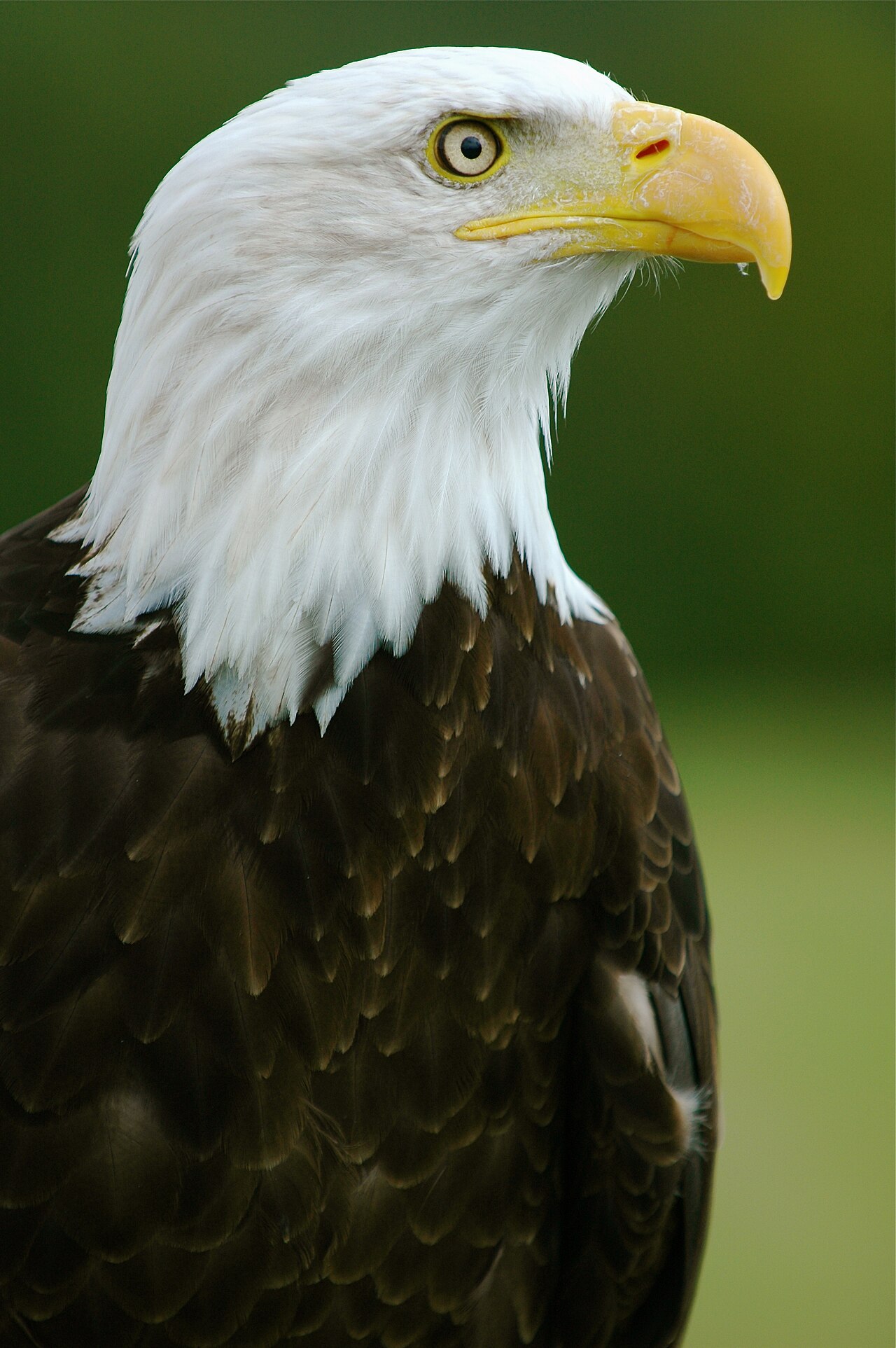
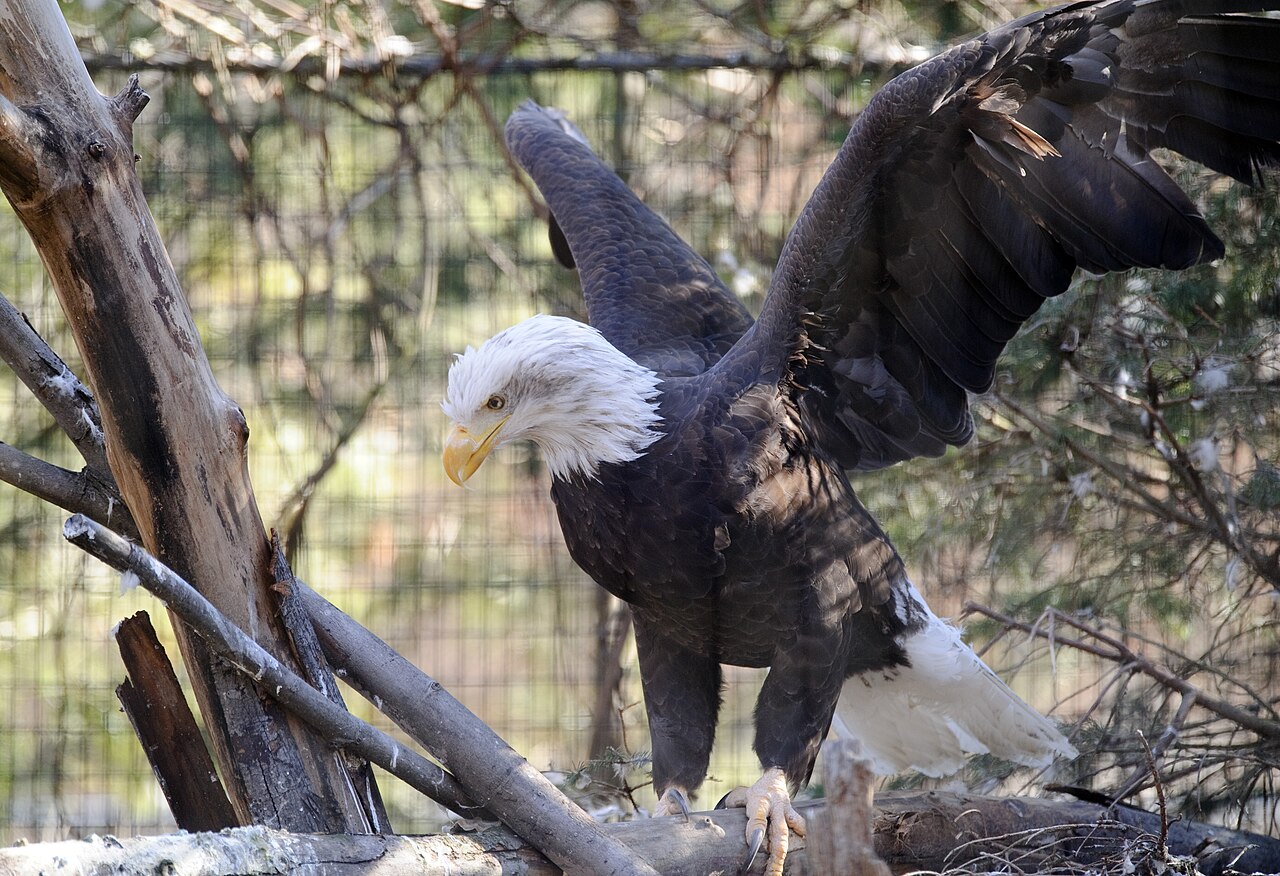
The bald eagle is a massive North American raptor with a dark brown body, a white head and tail, and a hooked yellow beak, and it has been the national bird and symbol of the United States since 1782. Adults reach a wingspan of six to seven and a half feet and can weigh up to 14 pounds, making them one of the largest birds of prey on the continent. Despite the name, bald eagles are not actually bald; the name comes from an old English word, “piebald,” meaning marked with white.
| Fact | Detail |
|---|---|
| Wingspan | 6 to 7.5 ft |
| Weight | 6.5 to 14 lbs (females larger) |
| Lifespan | 20 to 30 years in the wild |
| Diet | Mainly fish, also waterfowl and carrion |
| Habitat | Near rivers, lakes, and coastlines across North America |
| Legal status | Protected under federal law |
Size and Appearance
A bald eagle’s white head and tail do not appear until the bird reaches four to five years of age; juveniles are mostly mottled brown all over, which is why young bald eagles are frequently misidentified as golden eagles. Adults have a wingspan between six and seven and a half feet, among the largest of any North American bird, and females run noticeably larger than males, typically weighing 10 to 14 pounds compared to a male’s 6.5 to 9 pounds. The beak, legs, and feet are bright yellow, and the eyes are pale yellow as well, both features that darken little with age once adult plumage is reached. In flight, a bald eagle holds its broad wings flat, unlike a turkey vulture’s upward V shape, which is one of the fastest ways to tell the two apart from a distance. For how the bald eagle compares to its relatives, see our guide to eagle species.
Why the Bald Eagle Is the National Symbol
The Continental Congress selected the bald eagle for the Great Seal of the United States in 1782, drawn to its size, long lifespan, and status as a species found only in North America, making it a fitting emblem for the new nation. Benjamin Franklin famously grumbled about the choice, favoring the wild turkey instead and describing the eagle as a bird of “bad moral character” for stealing fish from ospreys, a behavior that is well documented and genuinely common. Despite that early objection, the bald eagle went on to appear on the presidential seal, currency, and countless government emblems, cementing its role as the most recognizable patriotic bird symbol in the country.
Diet and Hunting
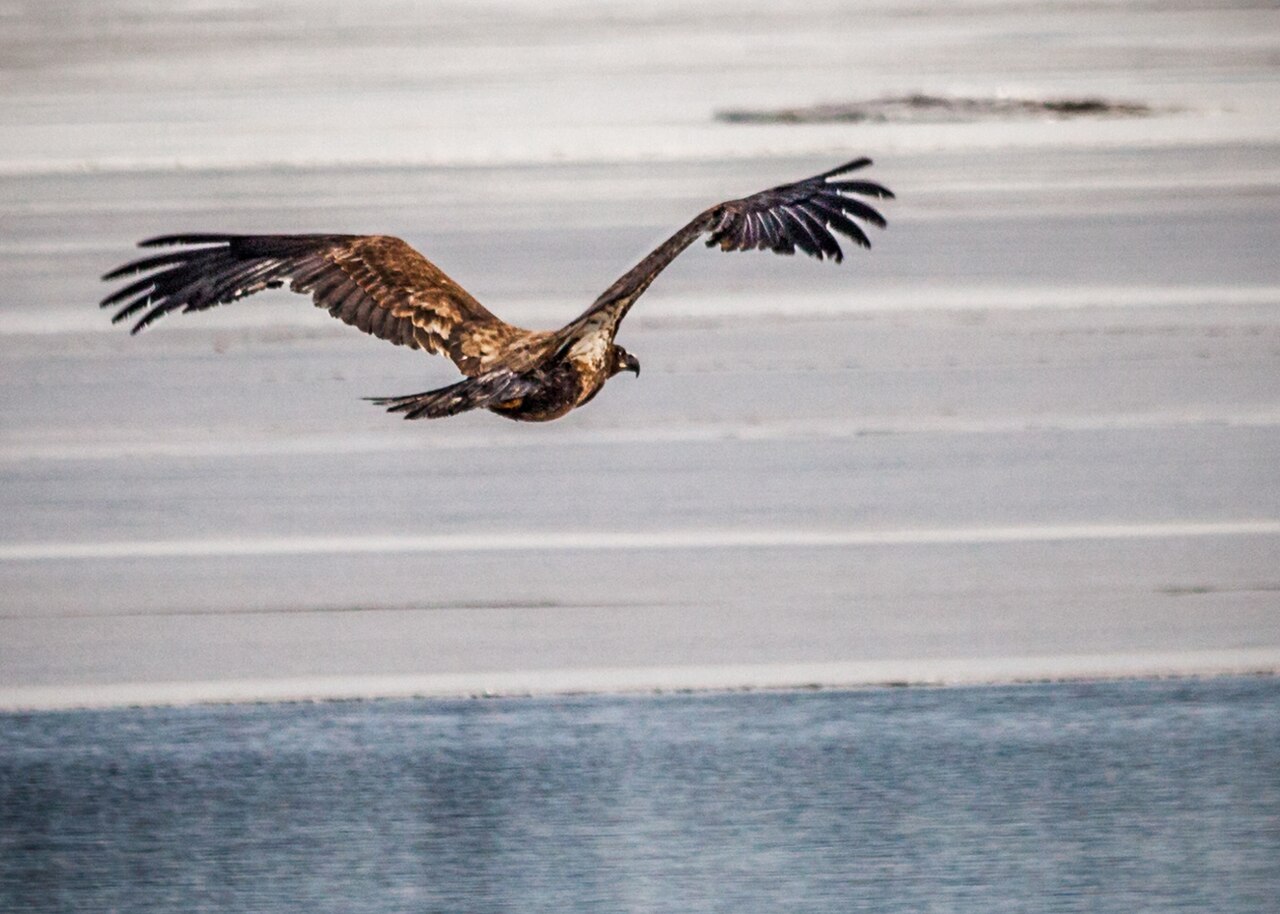
Fish make up the majority of a bald eagle’s diet, and the bird typically hunts by swooping low over water to snatch prey near the surface with its talons rather than diving underwater like an osprey. Bald eagles are also accomplished opportunists, readily eating waterfowl, small mammals, and carrion, and they are well known for harassing ospreys in flight until the smaller raptor drops its catch, a behavior called kleptoparasitism. Around large carcasses, such as a deer or salmon run, dozens of bald eagles can gather at once, particularly in winter along rivers in the Pacific Northwest and Alaska, a scavenging habit shared with vultures but unusual among hawks. Their grip strength is substantial, and a bald eagle can carry roughly half its body weight in flight, though claims of eagles lifting a small dog or full-grown deer are exaggerated well beyond what the bird can physically manage.
Range and Habitat
Bald eagles are found throughout most of North America, from Alaska and Canada down through the continental United States to northern Mexico, and they are almost always associated with large bodies of open water, including rivers, lakes, reservoirs, and coastlines, since fish make up so much of their diet. Alaska holds the largest breeding population by far, but bald eagles nest in suitable habitat in nearly every US state, and their numbers have grown substantially in recent decades. A bald eagle’s nest, called an eyrie, is typically built high in a mature tree near water and reused year after year, growing larger with each addition until some nests exceed 1,000 pounds. For related raptors that share overlapping range, see our guides to the golden eagle and the osprey.
Conservation and Legal Protection
Bald eagle populations collapsed through the mid twentieth century due to hunting, habitat loss, and the pesticide DDT, which thinned eggshells so severely that the species was listed as endangered in much of the country by the 1960s. The banning of DDT in 1972, combined with strict legal protection, allowed the population to recover dramatically, and the bald eagle was removed from the endangered species list in 2007, one of the best known conservation success stories in American wildlife history. Bald eagles remain protected today under the Bald and Golden Eagle Protection Act and the Migratory Bird Treaty Act, both of which make it a federal crime to kill, harm, or even possess eagle feathers or parts without a permit, with penalties that can include substantial fines and imprisonment, protections that extend to other birds of prey under related federal law. According to the Cornell Lab of Ornithology, the recovery of the bald eagle stands as one of the clearest examples of how targeted conservation law can reverse a species’ decline.
Vision and Senses
A bald eagle’s eyesight is one of its most remarkable features, estimated to be four to five times sharper than average human vision, allowing it to spot a fish near the surface of the water from several hundred feet in the air. This visual acuity comes from an unusually high density of light-sensing cells in the retina along with a second, sharper focal point that many birds of prey have but humans lack, effectively giving the eagle something close to natural binocular zoom. Bald eagles also have a nictitating membrane, a translucent third eyelid that sweeps across the eye to protect it during high-speed dives and while feeding, without blocking vision the way a full blink would. Hearing and smell play a much smaller role in hunting than in many mammals, since bald eagles rely almost entirely on sight to locate fish and other prey from a distance, then close the gap with a fast, direct glide rather than a hovering search.
Nesting and Life Cycle
Bald eagles typically mate for life and reach breeding age around four to five years old, coinciding with the arrival of their adult white head and tail feathers, a signal to other eagles that they are ready to establish a territory. A breeding pair returns to the same nest site year after year, adding fresh sticks each season until some long-used nests reach eight or more feet across and weigh over a thousand pounds, among the largest tree nests built by any bird in North America. Females typically lay one to three eggs, and both parents share incubation duties over roughly 35 days, followed by another ten to twelve weeks before the chicks fledge and begin short practice flights near the nest. Young bald eagles disperse widely after fledging and may wander thousands of miles before settling into their own territory once they reach breeding age, which is part of why a mottled brown juvenile bald eagle can turn up far from where it hatched.
Frequently Asked Questions
How big is a bald eagle?
A bald eagle has a wingspan of roughly 6 to 7.5 feet and weighs between 6.5 and 14 pounds, with females noticeably larger than males.
What does the bald eagle represent?
The bald eagle represents strength, freedom, and long life, and it has served as the national symbol of the United States since the Continental Congress adopted it for the Great Seal in 1782.
Is it illegal to kill a bald eagle?
Yes, killing, harming, or possessing parts of a bald eagle without a federal permit is a crime under the Bald and Golden Eagle Protection Act and the Migratory Bird Treaty Act, with penalties that can include large fines and imprisonment.
What does a bald eagle sound like?
Bald eagles make a series of weak, high-pitched chirps and whistles rather than the dramatic screech commonly heard in movies, which is almost always a dubbed-in red-tailed hawk call.
Is the bald eagle still endangered?
No, the bald eagle was removed from the US endangered species list in 2007 after decades of recovery following the ban on the pesticide DDT, though it remains protected under separate federal laws.
How much weight can a bald eagle carry?
A bald eagle can typically carry roughly half its own body weight in flight, so a large female might manage 6 to 7 pounds; claims of eagles carrying much larger animals are generally exaggerated.
What does a bald eagle eat?
Fish make up the majority of a bald eagle’s diet, supplemented by waterfowl, small mammals, and carrion, and they frequently steal fish directly from ospreys in flight.