Brahma Chicken: Size, Varieties, and Keeping a Giant
The Brahma is the giant of the chicken world, with roosters reaching 10 to 12 lb and hens 8 to 9 lb, standing tall on heavily feathered legs and feet. They were once called the King of All Poultry, and for several decades in the nineteenth century they were the dominant meat breed in the United States.
Despite the imposing size they are among the calmest chickens available, and they lay through winter when most breeds stop. The trade-offs are slow growth, substantial feed consumption, and feathered feet that need real attention in mud and snow. This guide covers the varieties, the disputed origin, laying performance, housing requirements, and whether the breed suits a backyard flock.
| Quick Facts | Brahma Chicken |
|---|---|
| Weight | Roosters 10 to 12 lb, hens 8 to 9 lb |
| Varieties | Light, dark, buff, plus bantams |
| Eggs | 150 to 200 brown eggs per year |
| Notable trait | Lays through winter when others stop |
| Maturity | Slow, full size at around 2 years |
| Temperament | Exceptionally calm and docile |
Where Brahmas Came From
The origin is genuinely contested and the name is misleading. Large feather-legged birds were imported to the United States from Shanghai in the 1840s, and the breed as we know it was developed in North America from that stock, probably crossed with Malay-type birds.
The name was chosen by committee rather than derived from geography. American breeders in the 1850s argued at length over what to call them, and the eventual choice, referencing the Brahmaputra River, was a compromise that had little to do with where the birds actually came from. Names in circulation at the time included Shanghai, Chittagong, and Gray Chittagong.
They arrived during Hen Fever, a period of extraordinary poultry speculation in the 1850s when prized birds changed hands for sums that would be startling today. A pair sent to Queen Victoria in 1852 helped drive the enthusiasm, and Brahmas became the principal American meat breed from roughly the 1850s until the 1930s, when faster-growing commercial crosses displaced them.
Light, Dark, and Buff
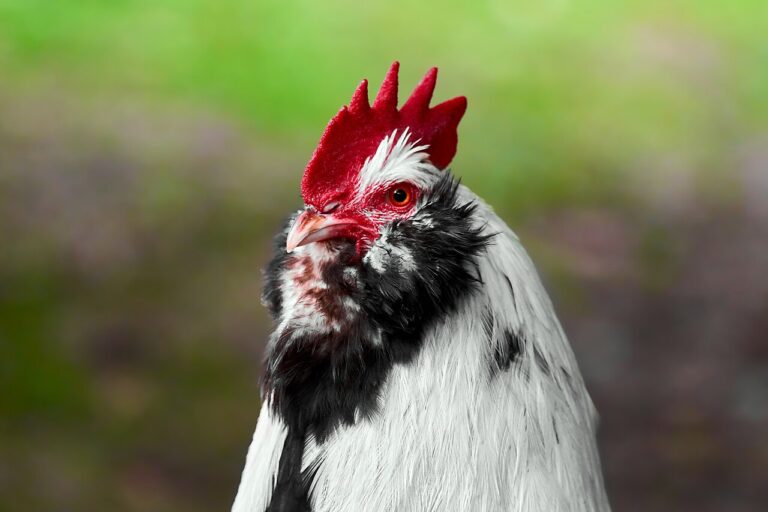
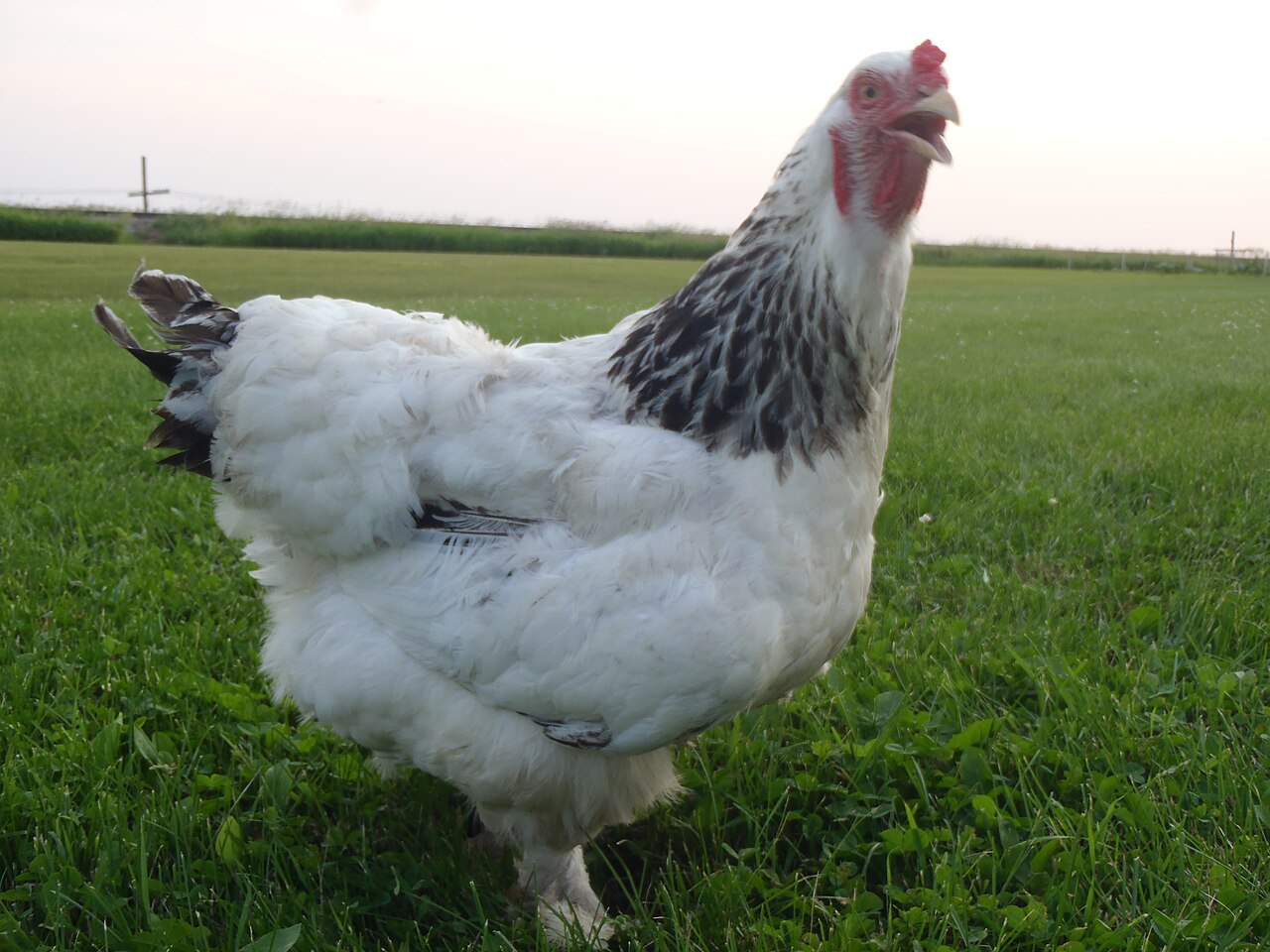
Three color varieties are standard and each has a distinct following. The light Brahma is the classic, with a white body, black hackle feathers laced with white, and a black tail, and it is both the most numerous and the most recognizable version of the breed.
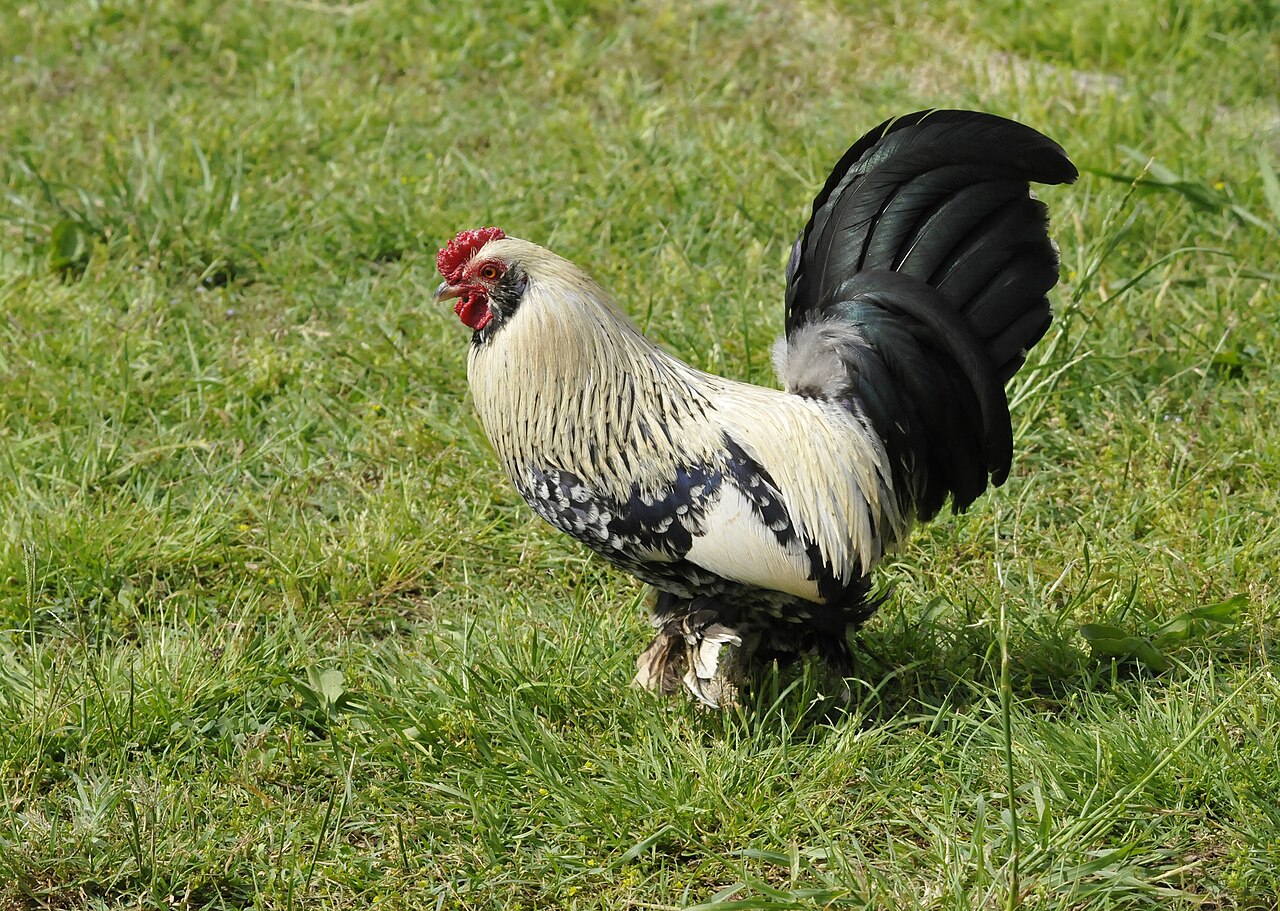
The dark Brahma shows the strongest sexual dimorphism of the three. Roosters are silver and black with striking pencilled markings, while hens are steel grey with fine dark pencilling across each feather, a pattern that takes considerable skill to breed well and makes them popular in exhibition.
The buff Brahma replaces the white of the light variety with a rich golden buff while keeping the black hackle and tail markings. Bantam versions exist across all three colors at roughly a quarter the weight, which is a practical option for keepers who want the appearance without the space and feed requirements. Some breeders also work with blue, partridge, and gold varieties that are not universally recognized in standards.
Size and Slow Growth
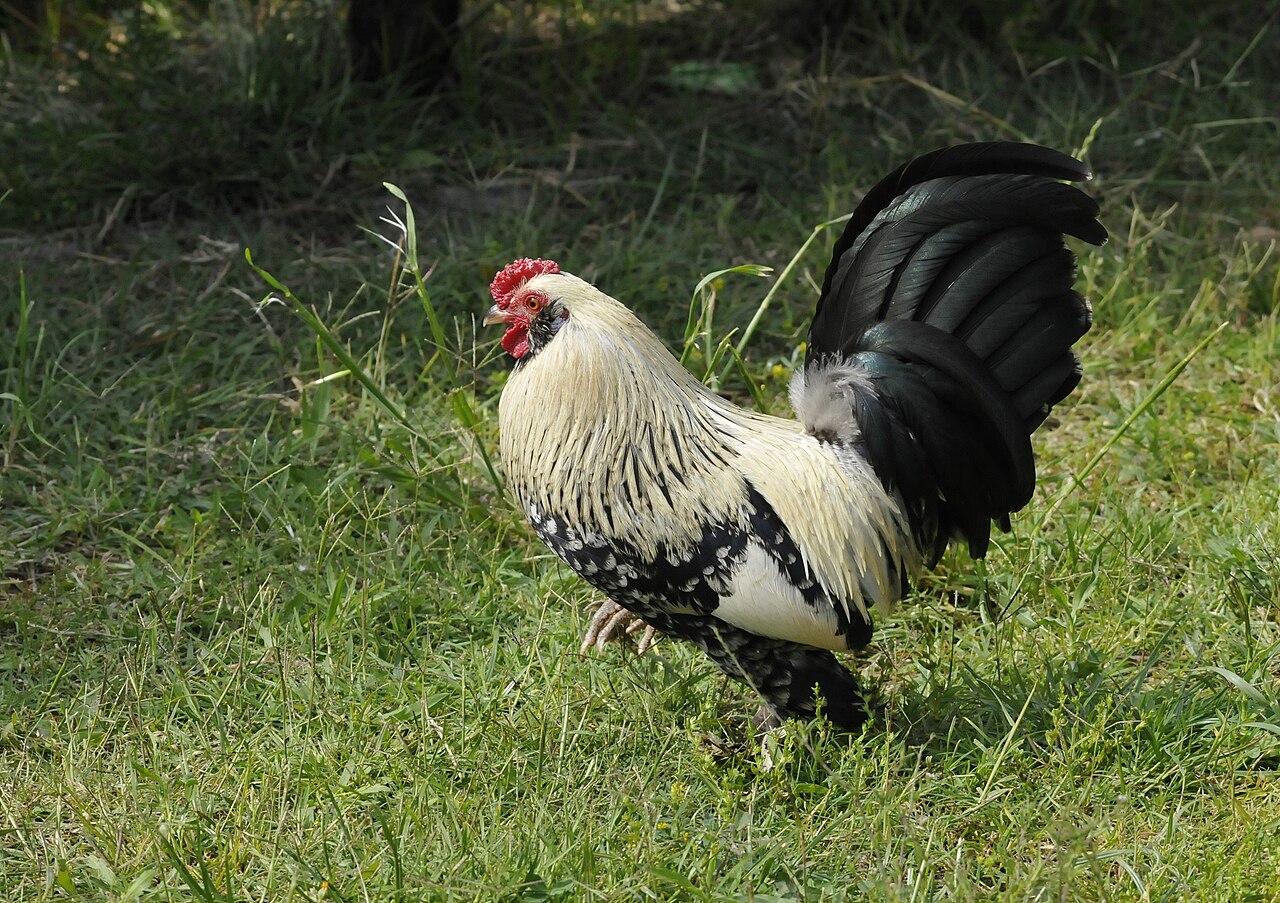
Brahmas are genuinely large and the figures understate the visual impression, since the loose feathering and upright carriage make them look bigger still. Roosters reach 10 to 12 lb and hens 8 to 9 lb, and historical accounts describe birds considerably heavier, though those figures are treated skeptically today.
Growth is slow, which is the main reason they lost commercial ground. Brahmas take around two years to reach full size and mature frame, compared with weeks for modern meat hybrids, and they begin laying later than most breeds at roughly six to seven months.
That slow development has one advantage worth noting. Fast-growing commercial birds suffer well-documented leg and heart problems as a direct result of their growth rate, while slow-maturing heritage breeds like the Brahma develop proportionately and typically live long healthy lives, with hens laying usefully for several years rather than one.
Eggs and Winter Laying
Brahma hens lay roughly 150 to 200 medium to large brown eggs per year, which is modest by production standards and respectable for a dual-purpose heritage breed. Eggs are a warm brown and the size increases as hens mature.
The winter performance is the genuinely useful part. Most breeds slow or stop laying as daylight shortens, while Brahmas continue through the coldest months, and many keepers report their best laying between October and March. That counter-seasonal pattern makes them valuable alongside breeds that produce heavily in summer and stop in winter.
They also go broody reasonably often and make good mothers, and their size lets them cover a large clutch. The main caution is that a heavy hen can crack eggs or crush chicks, so some keepers give Brahma broodies a slightly smaller clutch than they could physically cover. Feeding follows standard practice with a complete layer ration, and treats should stay around ten percent of intake as our guide to whether chickens can eat bread explains.
Temperament
Brahmas are among the calmest chickens available and the description gentle giant is earned. They are slow-moving, unflappable, tolerant of handling, and generally uninterested in conflict, which makes them popular with families and with keepers who want birds that are pleasant to be around.
Roosters share the trait to an unusual degree. Brahma cockerels are frequently described as among the least aggressive of the large breeds, which matters in a flock that children visit, though individual variation always applies and no rooster should be assumed safe.
The flip side is that they get pushed around. Brahmas rarely assert themselves in a mixed flock and can be bullied by smaller assertive breeds such as Leghorns or Rhode Island Reds despite outweighing them substantially. Pairing them with similarly calm breeds works better, and the same consideration applies to the ornamental breed in our guide to the Polish chicken, which is bullied for a different reason.
Housing a Heavy Breed
Space requirements are higher than for standard breeds. Plan on roughly 5 to 6 sq ft per bird inside the coop rather than the usual 4, and 10 to 15 sq ft each in the run, because crowded heavy birds develop foot and leg problems quickly.
Roosts need rethinking. Use wide flat perches, around 4 in across, rather than narrow round bars, since a heavy bird cannot grip properly and a wide surface lets it rest flat-footed. Keep roosts low with ramp access, and provide deep dry bedding to cushion landings.
Nest boxes should be larger than standard, around 14 in square, and positioned low. Doors and pop holes need to be tall enough for a bird that stands notably higher than a Leghorn. Brahmas fly poorly, which is a practical advantage, since a fence of 3 to 4 ft contains them where lighter breeds would clear it easily.
Feathered Feet
The heavily feathered legs and feet are the breed’s most distinctive feature and its main maintenance requirement. Feathering extends down the outer leg and across the toes, and in wet conditions it collects mud that dries into heavy clumps.
Muddy runs are the core problem. Caked mud pulls at the feather shafts, causes discomfort, and can damage the follicles, and persistently wet foot feathering promotes bacterial infection and bumblefoot. The practical answer is drainage: gravel, wood chips, or sand in high-traffic areas, and a covered section of run for wet weather.
Scaly leg mites are the second concern. The dense feathering makes them harder to spot and harder to treat than on clean-legged breeds, so check the legs regularly by parting the feathers, looking for raised or crusted scales. In freezing weather, wet foot feathering can form ice balls, and keeping the coop and run dry matters more for this breed than for most.
Meat Quality and Dual Purpose Use
Brahmas were the dominant American meat bird for roughly eighty years, and the qualities that suited them then still apply. The carcass is large and well fleshed, the breast is substantial, and the meat has a depth of flavor that fast-grown commercial birds do not develop.
The economics are what changed. A Brahma needs six months or more to reach a useful table weight against roughly six to eight weeks for a modern broiler, and it eats accordingly throughout, so the feed cost per pound of meat is several times higher. Extension poultry programs generally position heritage breeds as a quality and self-sufficiency choice rather than an economic one.
For a homestead flock the calculation looks different from a commercial one. Surplus cockerels from a breeding pen become genuinely worthwhile table birds rather than a disposal problem, hens lay usefully for several years, and the same birds do both jobs, which is what dual purpose actually means.
Are Brahmas Good for Beginners?
Yes, with clear eyes about the trade-offs. The temperament is excellent, they are hardy in cold weather thanks to the heavy feathering and small pea comb, they lay usefully in winter, they fly poorly so they stay contained, and they are genuinely pleasant birds to keep.
The costs are real though. They eat substantially more than standard breeds, they take two years to reach full size, they lay fewer eggs than production breeds, they need more space, and the feathered feet need attention in wet climates. Anyone optimizing for eggs per pound of feed should choose differently.
They suit a keeper who wants a calm, cold-hardy, dual-purpose flock and values winter eggs and good temperament over maximum output. In hot climates they struggle more than most, since heavy feathering works against them above about 90 F, and shade, ventilation, and cool water become priorities. For anyone weighing up ornamental against practical birds, our guides to what peacocks eat, to whether chickens can eat apples, and to keeping coturnix quail cover the wider keeping picture.
Related reading: Bantam Chicken.
Related reading: Black and White Chicken Breeds.
Frequently Asked Questions
How big do Brahma chickens get?
Roosters reach 10 to 12 lb and hens 8 to 9 lb, and the loose feathering and upright carriage make them look larger still. They take around two years to reach full size, which is far slower than commercial breeds.
Are Brahma chickens from India?
Not directly. The founding stock was imported from Shanghai in the 1840s and the breed was developed in North America. The name, referencing the Brahmaputra River, was chosen by committee in the 1850s as a compromise and has little to do with the birds’ actual origin.
How many eggs do Brahmas lay?
Roughly 150 to 200 brown eggs per year, starting at six to seven months. The valuable part is timing: Brahmas lay through the winter when most breeds slow or stop, so they complement summer-heavy layers well.
What are the Brahma varieties?
Light, dark, and buff are standard. Light is white with black hackle lacing and tail, dark shows strong sex differences with pencilled grey hens and silver-black roosters, and buff replaces the white with golden buff. Bantam versions exist in all three.
Do Brahma chickens need special housing?
Yes. Allow 5 to 6 sq ft per bird inside and 10 to 15 in the run, use wide flat perches around 4 in across kept low with ramp access, and provide larger low nest boxes. Deep dry bedding cushions landings and prevents leg injuries.
How do I care for feathered feet?
Keep the run well drained with gravel, wood chips, or sand, and cover part of it for wet weather, since caked mud damages feather follicles and promotes bumblefoot. Check the legs regularly for scaly leg mites, which are harder to spot under dense feathering.
Are Brahmas good with children and other breeds?
They are exceptionally calm and tolerant of handling, and the roosters are among the least aggressive large-breed cockerels. They do get bullied by assertive breeds like Leghorns despite their size, so pair them with similarly docile birds.