Baby Parrot: Development, Cost, and Why Not to Hand-Feed
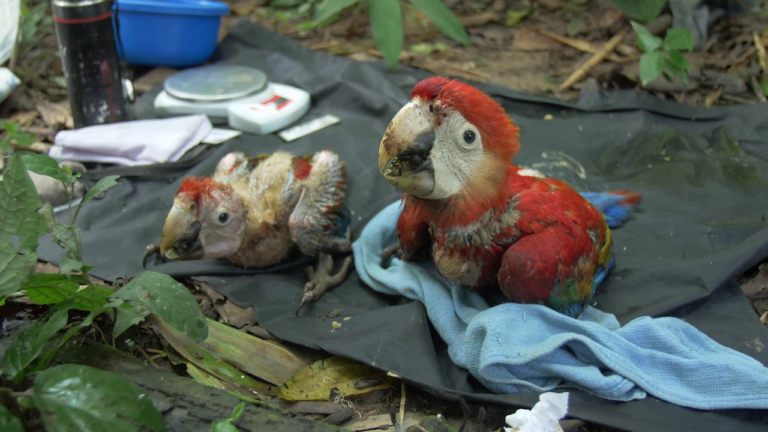
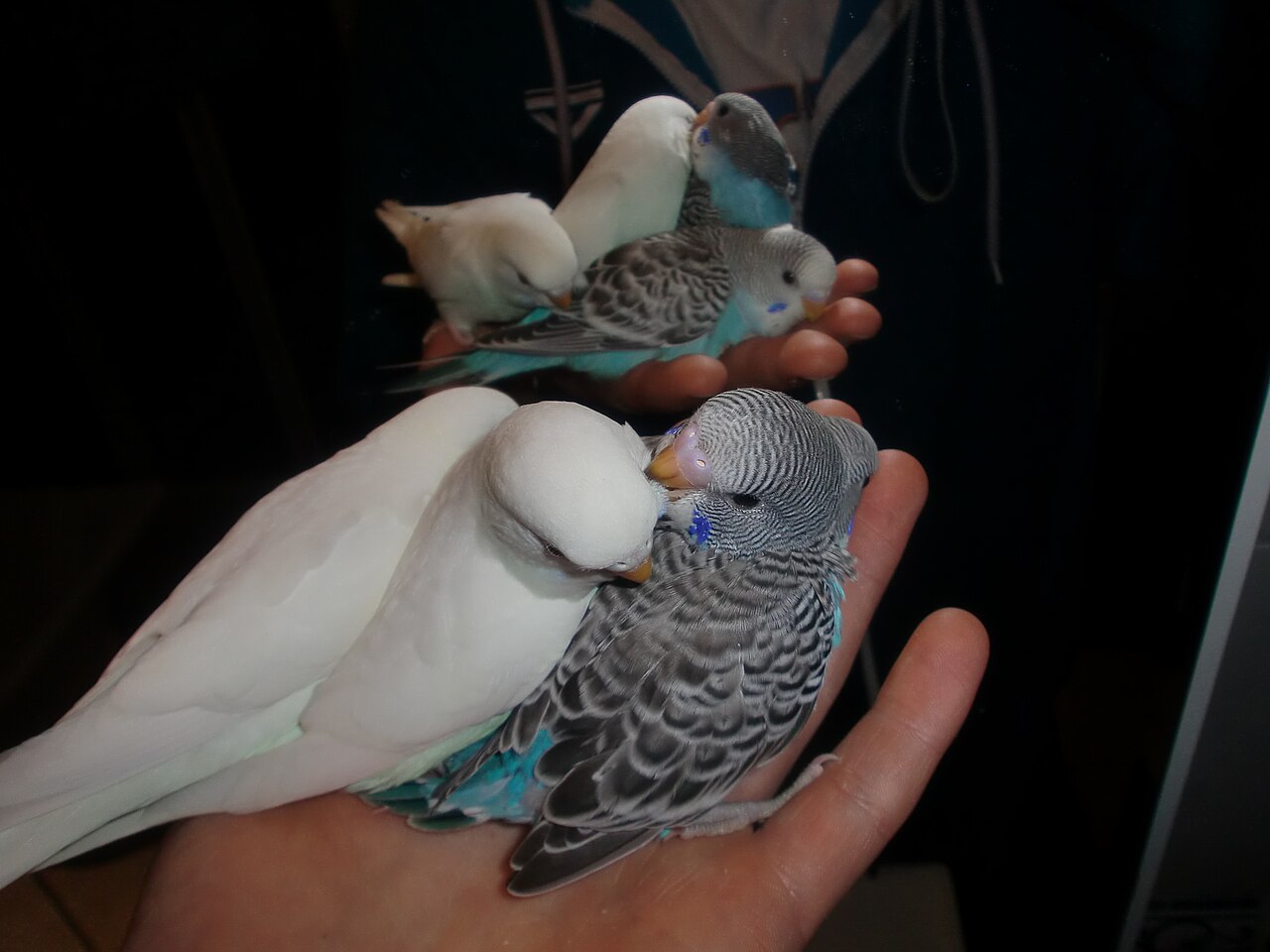
A baby parrot is called a chick, and unfeathered nestlings are also called pinfeather chicks or, in aviculture, unweaned babies. Parrot chicks hatch blind, naked or with sparse down, and completely helpless, unlike the precocial chicks of ducks and chickens, and they depend on their parents or a hand-feeder for weeks or months depending on species. A budgerigar fledges at about five weeks; a macaw takes three to four months.
Most people searching for information about baby parrots are considering buying one, and the single most important thing to know is that buying an unweaned chick to hand-feed yourself is a serious mistake. Hand-feeding is a skilled procedure with real mortality risk, and reputable breeders will not sell an unweaned bird. This guide covers development, what chicks are called, realistic prices, whether babies talk, and what a parrot actually commits you to.
A baby parrot is called a chick. Chicks hatch blind, naked, and helpless and need weeks to months of feeding before weaning, from about five weeks in a budgerigar to three or four months in a macaw. Never buy an unweaned chick to hand-feed yourself: aspiration pneumonia and crop burn from improper feeding are common and often fatal.
| Question | Answer |
|---|---|
| Baby parrot name | Chick |
| At hatching | Blind, naked or sparse down, helpless |
| Eyes open | 1 to 3 weeks depending on species |
| Weaning age | 5 weeks (budgie) to 4 months (macaw) |
| Typical price | $25 budgie to $1,000+ for large species |
| Lifespan | 10 to 20 years small, 50 to 80+ large |
| Buy unweaned? | No; a serious and often fatal mistake |
What Is a Baby Parrot Called?
A baby parrot is called a chick, which covers the whole period from hatching to fledging. There is no distinct term equivalent to duckling or gosling, and parrot keepers and breeders simply say chick, baby, or, once it can fly but is still being fed, fledgling. Aviculture adds unweaned baby for a chick still requiring feeding, which is the term that matters commercially.
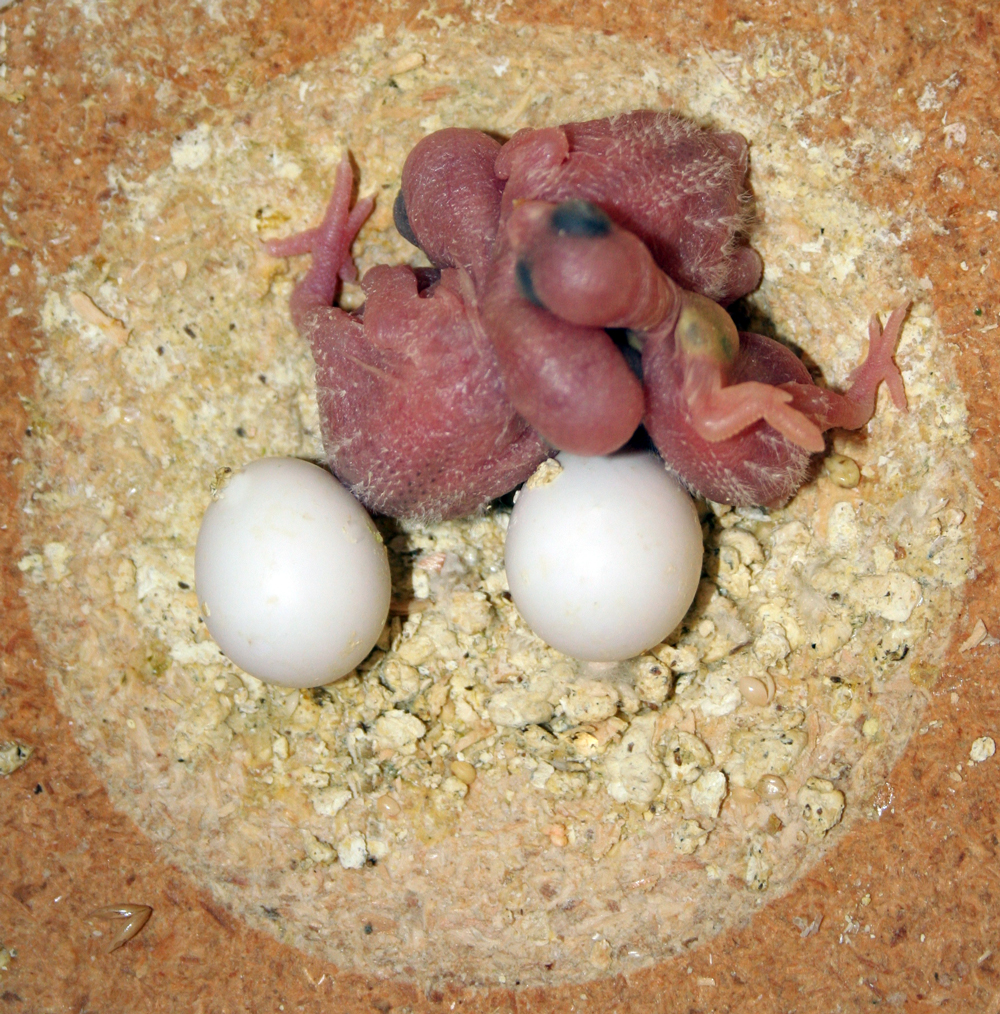
Parrot chicks are altricial, meaning they hatch helpless and undeveloped: eyes sealed, either naked or covered in sparse wispy down, unable to thermoregulate, and entirely dependent on being fed. This is the opposite of the precocial chicks of chickens and ducks, which hatch feathered, mobile, and self-feeding within hours.
Development is slow. Eyes open at one to three weeks, pin feathers emerge over the following weeks, and full feathering takes considerably longer. A budgerigar leaves the nest at about 30 to 35 days. A cockatiel takes four to five weeks. An African grey takes about 12 weeks, and a large macaw three to four months, one of the longest nestling periods of any bird.
Why Should You Never Buy an Unweaned Parrot?
Because hand-feeding is a skilled clinical procedure with a real death rate, and inexperienced feeders kill birds. The two most common outcomes are aspiration pneumonia, where formula enters the airway and floods the lungs, and crop burn, where formula fed too hot cooks a hole through the crop wall and the skin, requiring surgery. Both are common enough that avian veterinarians see them routinely.
Formula temperature, consistency, volume, feeding frequency, and crop emptying all have to be managed correctly, and the margin is narrow. Formula must be around 104 to 108 degrees Fahrenheit; a few degrees hotter causes burns and cooler causes crop stasis, in which food sits undigested and ferments. Chicks need weighing daily and feeding on a schedule that changes as they grow.
The idea that hand-feeding creates a closer bond is the sales pitch behind the practice, and it is not supported. A properly socialized, fully weaned chick from a good breeder bonds just as well. California and several other jurisdictions restrict or prohibit selling unweaned birds to the public for exactly these reasons, and any seller offering an unweaned chick to a first-time owner should be treated as a red flag rather than a bargain.
How Much Does a Baby Parrot Cost?
Purchase prices vary enormously by species. Budgerigars run roughly 25 to 60 dollars, cockatiels 120 to 250, lovebirds 100 to 250, conures 300 to 800, African greys 1,500 to 3,500, Amazons 1,000 to 3,000, and large macaws 1,500 to 5,000 or more depending on species and source. Hyacinth macaws reach five figures.
The purchase price is the small part. A properly sized cage for a medium parrot costs several hundred dollars and for a macaw over a thousand, and cages sold as parrot cages in general pet stores are usually far too small. Add a play stand, toys that must be replaced constantly because destroying them is the point, a varied diet of pellets, fresh vegetables, and limited seed, and annual avian vet visits.
Avian veterinary care is the cost people underestimate most. Avian vets are specialists, are not available everywhere, and charge accordingly, and a sick parrot is an emergency because birds hide illness until they are critically unwell. Anyone buying a large parrot should confirm there is an avian vet within reasonable driving distance before buying the bird. The baby macaw guide and the baby cockatoo guide cover the two species most often bought impulsively and rehomed.
Can Baby Parrots Talk?
Not at first. Parrots typically begin mimicking sounds at several months to a year old, and clear speech usually comes later, often between one and two years in the species known for talking. A chick just weaned will make begging noises, contact calls, and species-typical sounds, but not words.
Talking ability varies enormously by species and by individual, and no bird is guaranteed to talk. African greys are the best known talkers and the most likely to use words in context rather than randomly; Alex, studied for thirty years by Irene Pepperberg, demonstrated understanding of categories, numbers, and the concept of zero. Amazons, budgerigars, and Indian ringnecks also talk well, and budgies hold the record for largest documented vocabulary at over 1,700 words.
Cockatiels, cockatoos, and most conures are less reliable talkers, and many individuals of any species never talk at all. Buying a parrot because you want it to talk is the wrong reason: you may get a bird that screams instead, and screaming is a normal, loud, and legitimate parrot behaviour that cannot be trained away entirely. The group of parrots guide covers the flock biology that drives contact calling.
What Is the 3-3-3 Rule for Parrots?
The 3-3-3 rule is an adjustment guideline borrowed from dog and cat rescue: roughly three days for the bird to decompress and stop being overwhelmed, three weeks to start learning the household routine, and three months to settle in and show real personality. It is a rule of thumb rather than a scientific finding, but it captures something useful.
The practical value is expectation management. A newly homed parrot is often quiet, withdrawn, and not eating well for the first days, which frightens new owners into thinking something is wrong, and then may become loud and destructive as it grows comfortable, which frightens them differently. Neither is a problem; both are stages.
The most useful thing to do in the first weeks is very little. Let the bird observe, keep the routine predictable, sit nearby and talk quietly without reaching in, and let it initiate contact. Forcing handling early damages trust that takes months to rebuild. Weight monitoring with a gram scale is worth starting immediately, since a bird losing weight is the earliest reliable sign of illness.
Where Should You Not Touch a Parrot?
Avoid the back, under the wings, and the area around the vent and tail base. Petting a parrot along the body, particularly down the back and under the wings, mimics the stimulation a mate provides and triggers hormonal and breeding behaviour, which produces chronic egg laying in females, aggression, territoriality, and frustration-driven feather destruction.
Safe petting is limited to the head and neck, above the shoulders. In a flock, birds preen each other’s head and neck feathers, which are the areas a bird cannot reach itself, and nothing else. Head scratches replicate allopreening and are appropriate; full-body stroking replicates something else entirely and is one of the most common causes of hormonal behavioural problems in pet parrots.
Other things to avoid include cuddling the bird against your body, providing dark enclosed spaces such as tents and boxes that read as nest sites, feeding warm soft foods excessively, and long daylight hours. Hormonal behaviour in captive parrots is a large and well-documented welfare issue, and most of it traces to well-meant handling and housing choices rather than to the bird.
How Long Do Parrots Live?
Far longer than most people expect, and this is the fact that should determine whether anyone buys one. Budgerigars live 10 to 15 years, cockatiels 15 to 25, conures 20 to 30, African greys 40 to 60, Amazons 50 to 70, and large macaws 50 to 80 years or more with good care. Cockatoos regularly exceed 60.
A large parrot bought by a thirty-year-old will likely outlive its owner, and rehoming is common: parrot rescues across the United States are consistently full, with African greys, cockatoos, and macaws the most frequently surrendered. The usual reasons are noise, mess, destructiveness, biting, and the sheer duration of the commitment, none of which are the bird’s fault.
Anyone considering a large parrot should have a written plan for the bird’s care after their own death or incapacity, and many owners include provision in a will. The alternative for a large parrot is a rescue that is already at capacity. Adopting from a rescue rather than buying a chick is worth serious consideration for exactly this reason: the birds are already there, and an adult parrot’s personality is known rather than a gamble. The baby cockatiel guide covers the species that suits most first-time owners best.
What Do Baby Parrots Need After Weaning?
A weaned chick needs a varied diet, a large cage, constant destructible enrichment, and hours of interaction daily. Diet should be built around a quality pellet with fresh vegetables, leafy greens, and limited fruit, with seed as a small component rather than the base. An all-seed diet causes fatty liver disease, vitamin A deficiency, and shortened lifespan, and it remains the most common husbandry failure in pet birds.
Cage size should exceed anything a general pet store recommends. The bird must be able to fully extend its wings in every direction and move between multiple perches of varying diameter and texture, and horizontal space matters more than height. Out-of-cage time is not optional; a parrot confined to a cage all day develops behavioural problems including screaming, plucking, and self-mutilation.
Chewing is a need rather than a nuisance. Parrots destroy wood, cardboard, palm leaf, and paper as a normal daily activity, and a bird without material to destroy will find something, usually furniture, walls, or its own feathers. Foraging toys that make the bird work for food replicate the hours a wild parrot spends finding it and are the single most effective enrichment. Avoid non-stick cookware entirely: PTFE fumes from overheated pans kill birds within minutes and are a leading cause of sudden death in household parrots.
Frequently Asked Questions
What is a baby parrot called?
A chick. Aviculture also uses unweaned baby for a chick still being fed and fledgling once it can fly. There is no distinct term equivalent to duckling or gosling.
Can you raise a baby parrot yourself?
You should not. Hand-feeding causes aspiration pneumonia and crop burn in inexperienced hands, both often fatal. Reputable breeders sell only fully weaned chicks, and some jurisdictions prohibit selling unweaned birds to the public.
How much does a baby parrot cost?
From about 25 dollars for a budgerigar to 1,500 to 5,000 or more for a large macaw. The purchase price is the smallest part; cage, enrichment, diet, and avian veterinary care cost far more over the bird’s life.
Can baby parrots talk?
Not at first. Mimicry usually begins at several months to a year, with clear speech often at one to two years. Many individuals of any species never talk, and buying a parrot expecting speech is a mistake.
What is the 3-3-3 rule for parrots?
A rough adjustment guideline: three days to decompress, three weeks to learn the routine, three months to settle and show personality. It is a rule of thumb, useful mainly for managing expectations in the first weeks.
Where should you not touch a parrot?
Avoid the back, under the wings, and around the vent and tail base, since that stimulation triggers breeding behaviour and causes hormonal problems. Restrict petting to the head and neck, which is what parrots preen for each other.
How long do parrots live?
Budgerigars 10 to 15 years, cockatiels 15 to 25, African greys 40 to 60, and large macaws 50 to 80 or more. A large parrot will likely outlive its owner, so a care plan for after your death is a genuine requirement.