Are Groundhogs Dangerous?
Groundhogs are not dangerous in any meaningful sense. They are herbivores with no interest in attacking people or pets, they will retreat to a burrow rather than fight, and the injuries they occasionally cause come from a cornered animal defending itself rather than predatory aggression. The real cost of a groundhog is structural: burrows undermine foundations, patios, and sheds, and their appetite can strip a vegetable garden overnight.
That distinction matters because most people asking whether groundhogs are dangerous are really asking two different questions at once, whether the animal itself is a threat and whether having one on the property is a problem. The honest answer splits: personal danger is close to zero, property risk is real and worth taking seriously. This guide covers both, plus what a burrow means for your yard and how to deal with one.
Groundhogs are not dangerous to people or pets under normal circumstances. They avoid confrontation, retreat to burrows when threatened, and only bite or scratch if cornered or handled. The genuine risk is structural, since their burrows can undermine foundations, patios, decks, and sheds, and they can strip a vegetable garden quickly. Give a cornered groundhog space and it will leave on its own.
| Concern | Reality |
|---|---|
| Attacks on people | Extremely rare; only if cornered or handled |
| Attacks on dogs | Possible if the dog corners it; groundhog will flee first |
| Disease risk | Low; standard rabies precautions apply as with any wild mammal |
| Structural damage | Real; burrows undermine foundations, sheds, patios |
| Garden damage | Real; can clear vegetables in a single night |
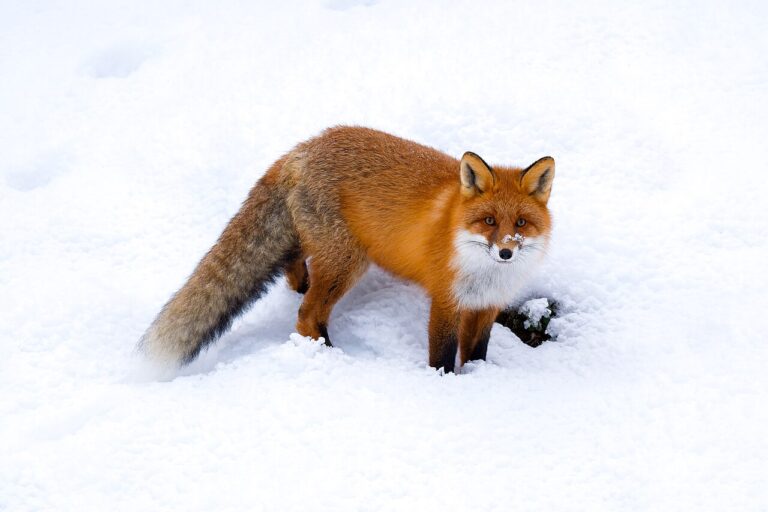
| Burrow occupants | Often shared with rabbits, skunks, or foxes |
Are Groundhogs Dangerous to Humans?
No, not under ordinary circumstances. Groundhogs are large rodents, related to squirrels and marmots, and their entire behavioral strategy is avoidance: at the first sign of a person they head for the nearest burrow entrance and disappear underground. There is no recorded pattern of unprovoked groundhog attacks on people.
The exception is a cornered or handled animal. A groundhog that cannot reach its burrow, or one that is grabbed or trapped by hand, will bite and has strong incisors capable of a painful wound, the same way any wild rodent would defend itself. This is a defensive response to a specific situation, not evidence of general aggression, and it is entirely avoidable by never attempting to catch or corner one.
Rabies is the other consideration people raise, and it applies to groundhogs the way it applies to any wild mammal: bites from an unprovoked, disoriented, or unusually aggressive animal warrant medical attention and a call to local animal control, but healthy groundhogs going about normal burrow business carry no elevated risk over any other wild mammal in the yard.
Will a Groundhog Attack a Dog?

Only if the dog leaves it no way out. A groundhog’s first response to a dog is the same as its response to a person, retreat to the burrow, and most dog-groundhog encounters end with the groundhog disappearing underground before real contact happens.
The dangerous scenario is a dog that catches the groundhog away from its burrow or blocks the entrance during a chase. A cornered groundhog will bite and scratch defensively, and its incisors can cause a real wound to a dog’s face or paws, sometimes requiring stitches. This is defense, not predation, but the injury is the same either way.
The practical response is supervision rather than assuming either animal will back off. Keep dogs leashed or supervised near known burrow entrances, especially in spring when groundhogs are establishing territory and less inclined to give ground. If a confrontation happens, separate the animals rather than letting it play out; groundhog bites can carry bacteria that cause infection even when the wound looks minor.
What Does a Groundhog in Your Yard Mean?

Practically, it means the yard offers what a groundhog needs: soft diggable soil, cover near the burrow entrance, and a food source within range, usually a garden, clover-heavy lawn, or nearby vegetation. It does not mean anything is wrong with the property, and groundhogs are common in suburban and semi-rural yards across most of the eastern and central United States.
One groundhog rarely stays alone for long if conditions are good. A single successful burrow often attracts a second animal the following season, since the initial digging work is already done, and an established burrow system can be reused and expanded by multiple generations. Seeing one groundhog is a reasonable early warning that the yard could support more.
The location of the burrow entrance tells you something too. Entrances near foundations, under sheds, or beneath patios are the ones worth acting on quickly, since the tunnel system typically runs several feet down and several feet out, undermining whatever sits above it. The baby groundhog guide covers what a burrow with young looks like.
What Time of Day Are Groundhogs Active?
Groundhogs are diurnal, meaning active during the day, and are typically most visible in the early morning and late afternoon when temperatures are moderate. Midday in hot weather often sees them retreat underground to avoid heat, then re-emerge as it cools.
This daytime pattern is useful practically because it means most sightings, garden damage, and burrow activity happen while people are around to observe it, unlike nocturnal yard visitors such as raccoons or opossums that are rarely seen directly. A groundhog problem is usually a visible one rather than a mystery solved only by looking for tracks.
Seasonally, activity peaks from spring through early autumn. Groundhogs are true hibernators and spend winter in a deep torpor inside the burrow, with body temperature and heart rate dropping substantially, emerging again as temperatures warm in spring, which is the origin of the Groundhog Day tradition.
How Many Groundhogs Live in One Burrow?
Usually one adult, sometimes two during breeding season or a mother with a litter of young. Groundhogs are largely solitary animals outside of mating and rearing young, and an established burrow system is often used by one animal at a time even though the tunnels themselves can be extensive.
A single burrow system can still run 20 to 30 feet of tunnel with multiple entrances, a main chamber, and separate chambers used for nesting and waste, which is why one groundhog can produce a surprising amount of visible digging and multiple holes across a yard. Multiple entrances are a safety feature, giving the animal more than one escape route.
Burrows are also frequently reused across seasons and sometimes across species. An abandoned groundhog burrow is commonly taken over by rabbits, skunks, or foxes, so an active-looking hole does not guarantee a groundhog is the current occupant. The groundhog sounds guide covers how to confirm what is actually using a burrow.
What Happens If You Block a Groundhog Hole?
You risk trapping an animal underground, and if young are present, you can kill them. Simply filling in or blocking an entrance without confirming the burrow is empty is one of the most common mistakes people make, and it can leave an adult or litter sealed inside with no way out.
A safer method is the loose-fill test: stuff the entrance loosely with newspaper or soil, without packing it tight, and check after a day or two. If the material has been pushed out, the burrow is active and should not be sealed. If it remains undisturbed for several days, especially outside hibernation season, the burrow is likely vacant and can be filled more permanently.
Multiple entrances complicate this further, since a burrow with two or three openings can appear vacant at the one you tested while still being occupied via another entrance. Checking all visible holes on the same schedule gives a more reliable read before any permanent filling.
How Do You Get Rid of Groundhogs Safely?
Exclusion works better than removal. A groundhog-proof fence buried at least 12 inches deep with an outward L-shaped bend at the bottom, and standing at least 3 feet above ground, stops both digging under and climbing over, since groundhogs are competent climbers despite their bulk.
Scent and taste deterrents, including castor oil-based repellents and predator urine, have mixed and generally temporary effects, since groundhogs habituate to smells that do not come with an actual threat. They are worth trying as a first, low-effort step but rarely solve an established burrow problem on their own.
Live trapping and relocation is legal in some states and prohibited or restricted in others, since relocating wildlife can spread disease and simply moves the problem to another property; check state wildlife regulations before attempting it. Where trapping is not viable, a wildlife control professional can advise on legal removal or exclusion methods specific to the property.
What Should You Do If You See One in Your Yard?
Nothing urgent. A groundhog seen feeding, sunning, or moving between burrow entrances during the day is behaving completely normally and poses no immediate action item beyond keeping pets from cornering it. Watching from a distance is the safest and most informative response.
If it is near a garden, temporary fencing around vulnerable plants is more effective than trying to remove the animal, since a new groundhog will often move into a vacated territory anyway if the food source remains. Chicken wire buried a few inches and extending 3 feet up handles most garden protection needs.
If the burrow is under a structure, that is the point to start the exclusion process described above rather than waiting, since foundation and slab damage from an expanding tunnel system gets more expensive to fix the longer it continues, and the same exclusion logic applies to burrowing pests covered in the vole removal guide and the gopher removal guide. State extension services, such as those run by land-grant universities, typically publish region-specific groundhog management guidance for homeowners.
Do Groundhogs Carry Disease?
They can carry rabies like any wild mammal, though documented cases are uncommon relative to bats, raccoons, and skunks. Standard precautions apply: avoid handling any wild groundhog, keep pet rabies vaccinations current, and seek medical and veterinary attention after any bite from a wild animal regardless of species.
Groundhogs can also carry ticks and fleas picked up from vegetation, which is a more routine concern than rabies and is addressed the same way as any yard pest exposure, through tick checks after outdoor activity and standard pet flea and tick prevention.
Beyond disease, the main indirect risk is to livestock and pets from burrow holes themselves, since a horse, cow, or running dog can step into an unseen hole and suffer a leg injury. This mechanical risk is arguably more common in practice than any disease transmission from the animal directly, and droppings near a burrow entrance are a reliable first clue, covered in the groundhog poop identification guide.
Frequently Asked Questions
Are groundhogs dangerous to people?
No, not under normal circumstances. They avoid confrontation and retreat to burrows. Bites only occur if one is cornered or handled directly.
Will a groundhog attack a dog?
Only defensively, if the dog corners it away from the burrow entrance. A cornered groundhog will bite and scratch, which can injure a dog’s face or paws.
What time of day are groundhogs most active?
Early morning and late afternoon during the warmer months. They are diurnal and largely inactive during winter, when they hibernate.
How many groundhogs live in one burrow?
Usually one adult, or a mother with young during breeding season. The tunnel system itself can still be extensive with multiple entrances.
What happens if you block a groundhog hole?
You risk trapping the animal or a litter underground. Test with loosely packed material first to confirm the burrow is vacant before sealing it permanently.
What is the biggest real risk from a groundhog?
Structural damage. Burrows can undermine foundations, sheds, patios, and decks, which costs far more to repair than any direct interaction with the animal.