Albino Peacock
Most ‘albino peacocks’ are actually leucistic, not truly albino. Here is how to tell the difference, how the genetics work, and what a white peafowl costs and symbolizes.
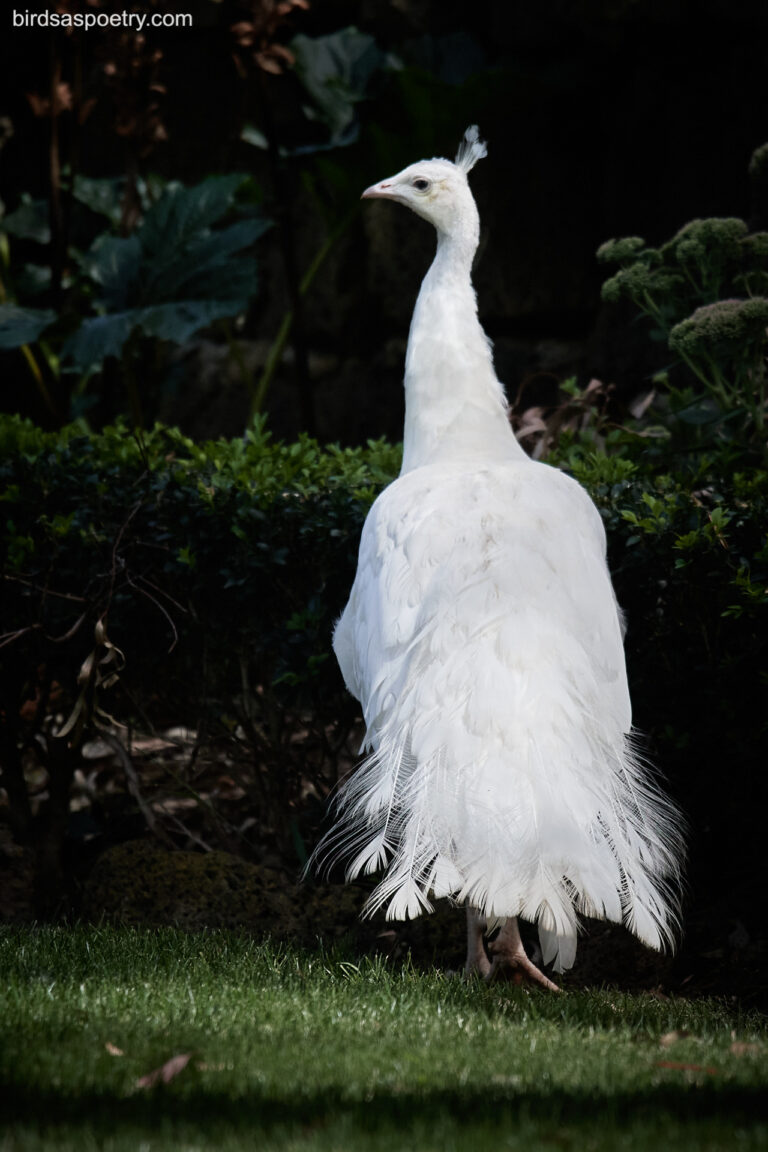
Most ‘albino peacocks’ are actually leucistic, not truly albino. Here is how to tell the difference, how the genetics work, and what a white peafowl costs and symbolizes.
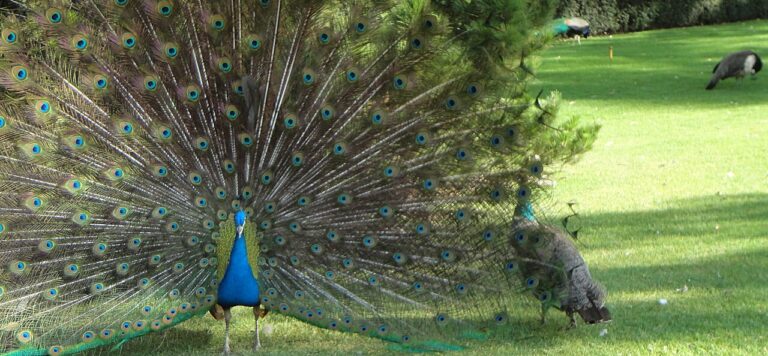
The science behind peacock feathers’ iridescent color and what they symbolize across different cultures and traditions.
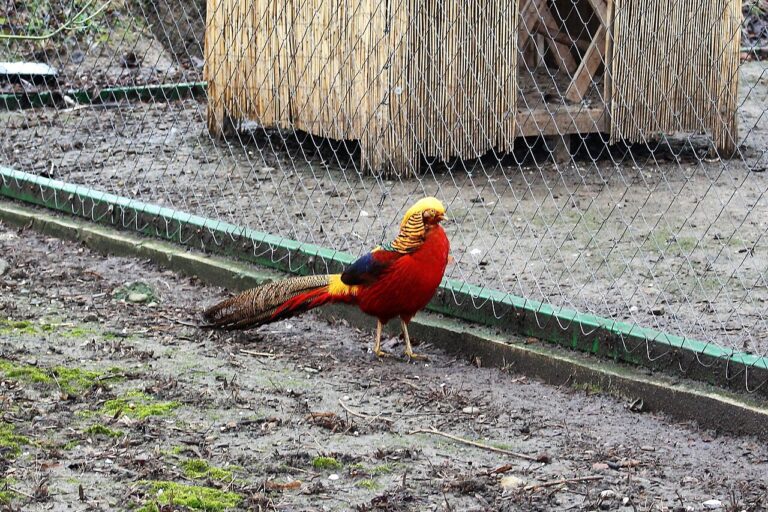
A complete guide to the golden pheasant’s striking appearance, native habitat, diet, behavior, and care as an aviary bird.
The northern goshawk is a powerful, secretive forest raptor and the largest accipiter in North America, known for fierce nest defense and explosive pursuit through dense trees.
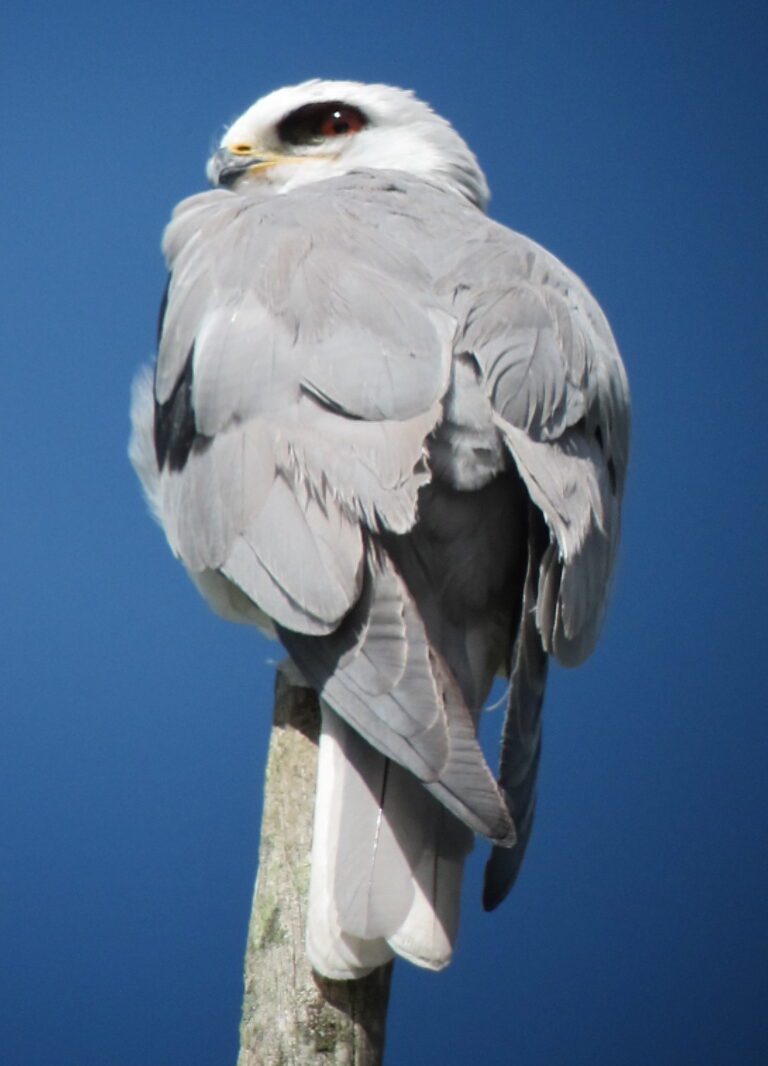
The white-tailed kite is a pale gray-and-white raptor of open western and southern grasslands, famous for hovering in place over a field before dropping on prey.
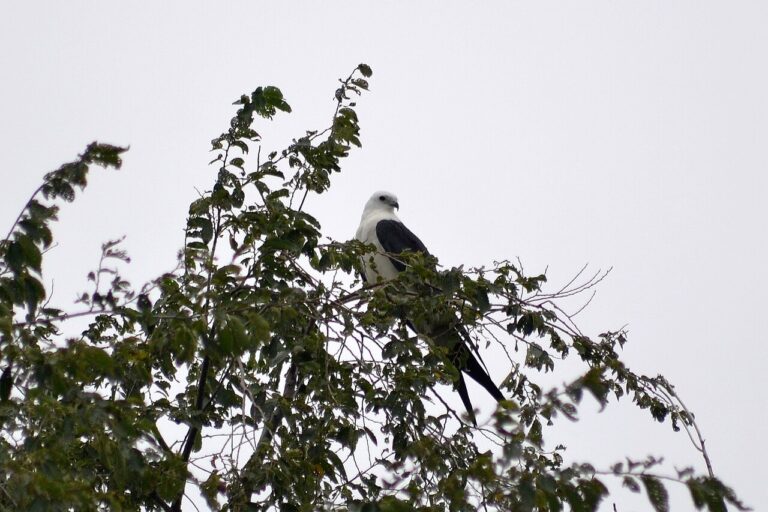
The swallow-tailed kite is a striking black-and-white raptor with a deeply forked tail, considered one of the most graceful fliers of any bird of prey in North America.
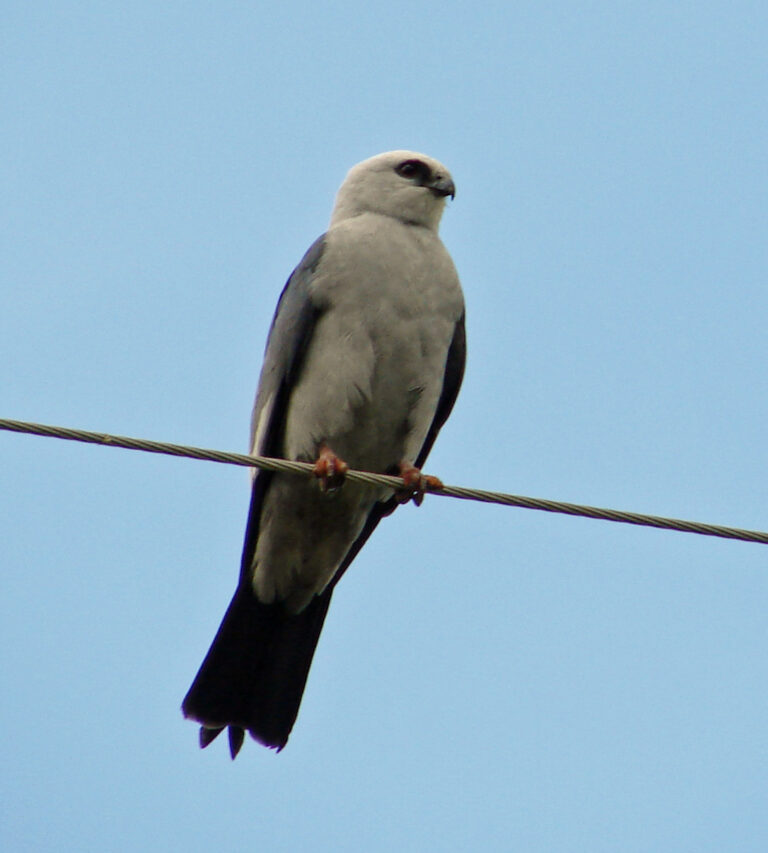
The Mississippi kite is a small, elegant gray raptor known for graceful flight, an almost entirely insect diet, and a well-earned reputation for dive-bombing people near its nest.
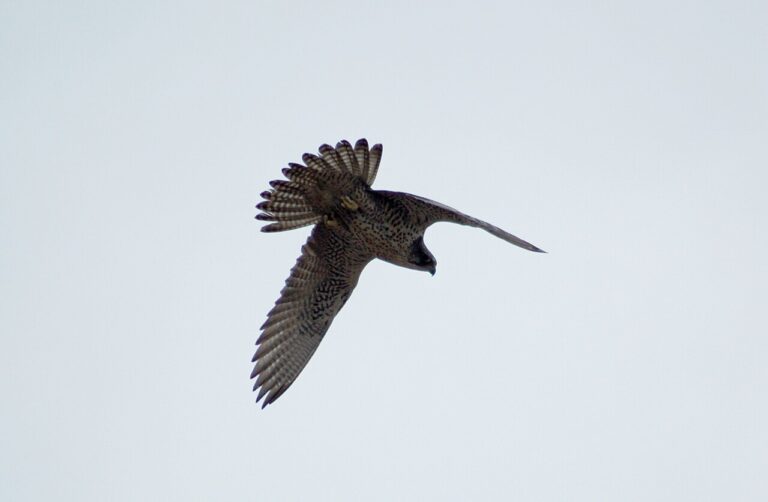
The gyrfalcon is the largest falcon in the world, an Arctic specialist that comes in white, gray, and dark color morphs and has been prized by falconers for centuries.
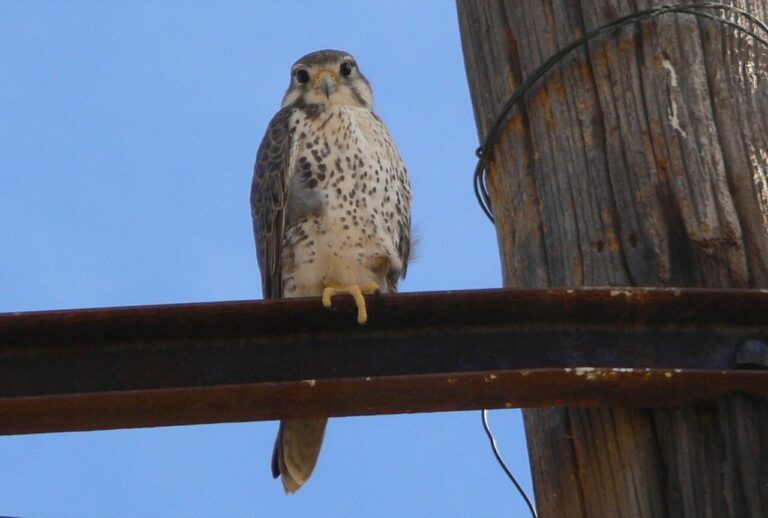
The prairie falcon is a pale, sandy-brown raptor of the open western United States, a close relative of the peregrine falcon built for hunting ground squirrels over arid grassland.
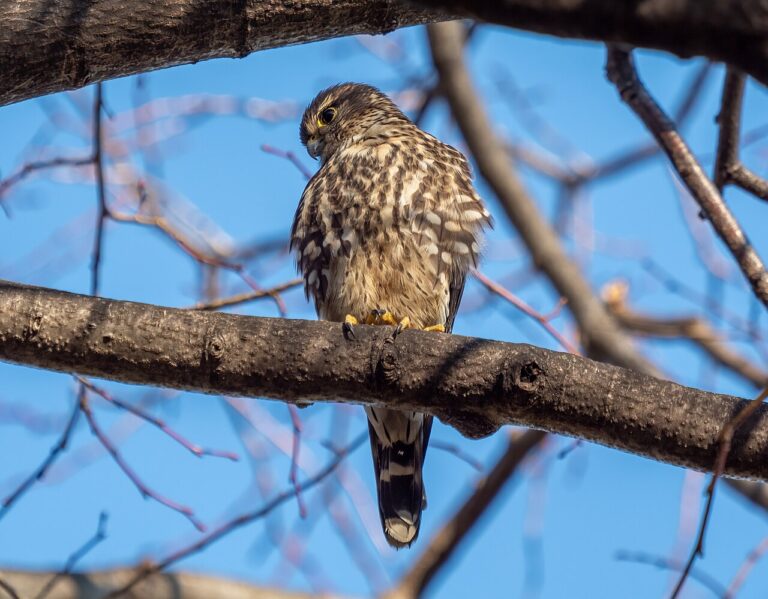
The merlin is a small, dark, fast-flying falcon known for its aggressive low-altitude pursuit of small birds, once known in North America as the pigeon hawk.