Birds That Eat Grasshoppers: Natural Pest Control
Kestrels, shrikes, burrowing owls and turkeys eat grasshoppers heavily, and Swainson’s hawks migrate to follow them. Why almost nothing eats toxic lubbers, and what helps.
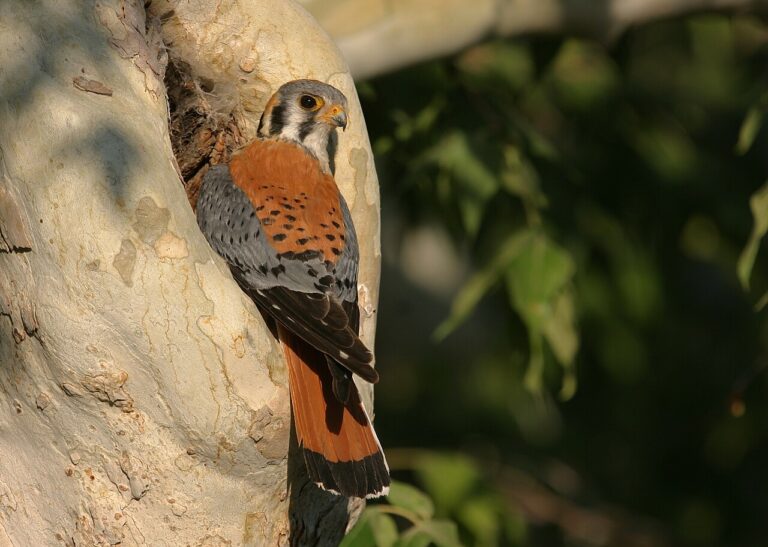
Kestrels, shrikes, burrowing owls and turkeys eat grasshoppers heavily, and Swainson’s hawks migrate to follow them. Why almost nothing eats toxic lubbers, and what helps.
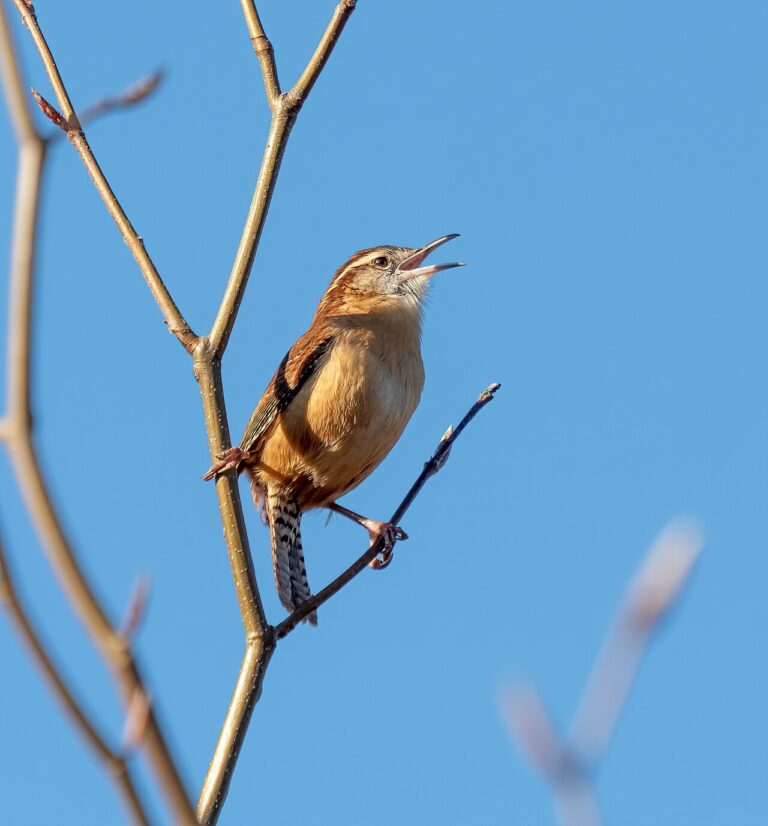
Wrens, bluebirds, cardinals and chickens eat stink bugs, but most birds avoid them. Why the introduced species has so few predators, and what really keeps them out.
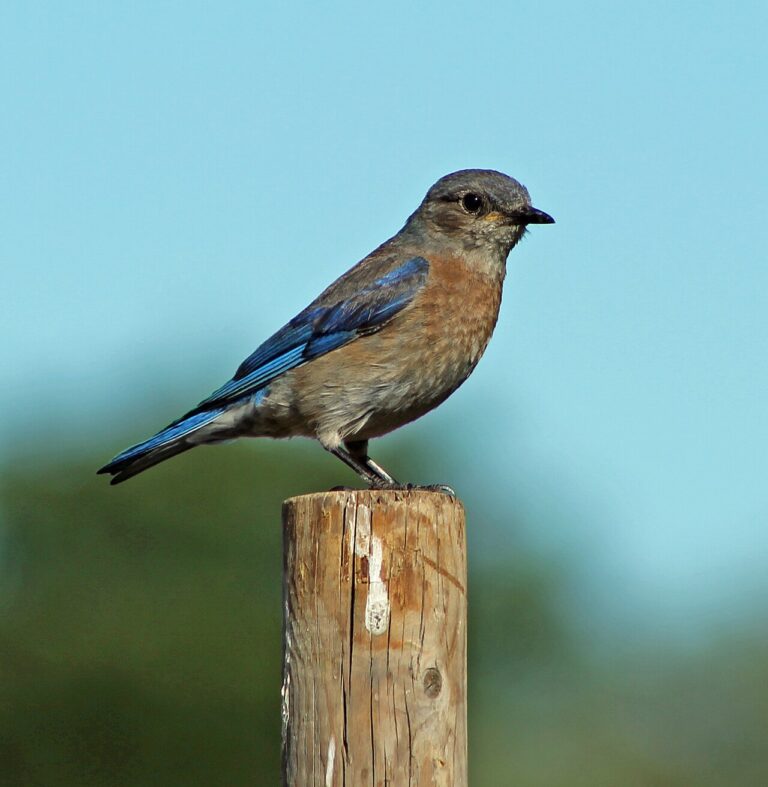
A blue bird means happiness, hope, and good news arriving. Where the bluebird of happiness comes from, what repeated visits mean, and which blue bird you are actually seeing.
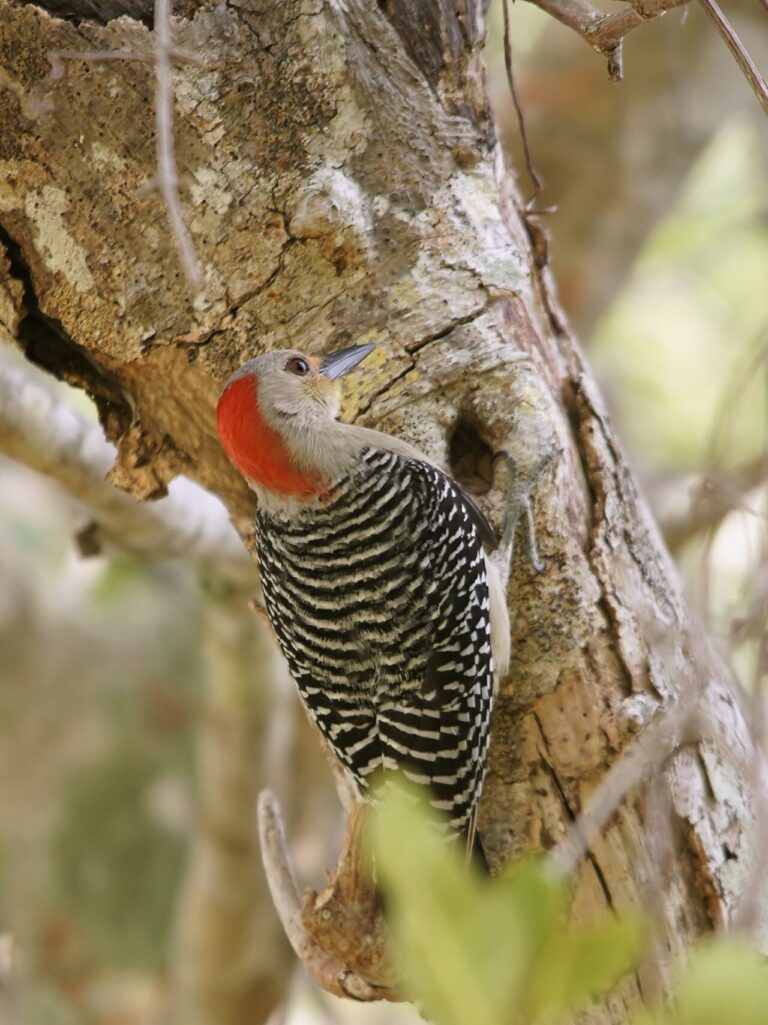
A female red-bellied woodpecker has red only on the nape and a grey crown. How she differs from the male, which birds are mistaken for her, and what she eats.
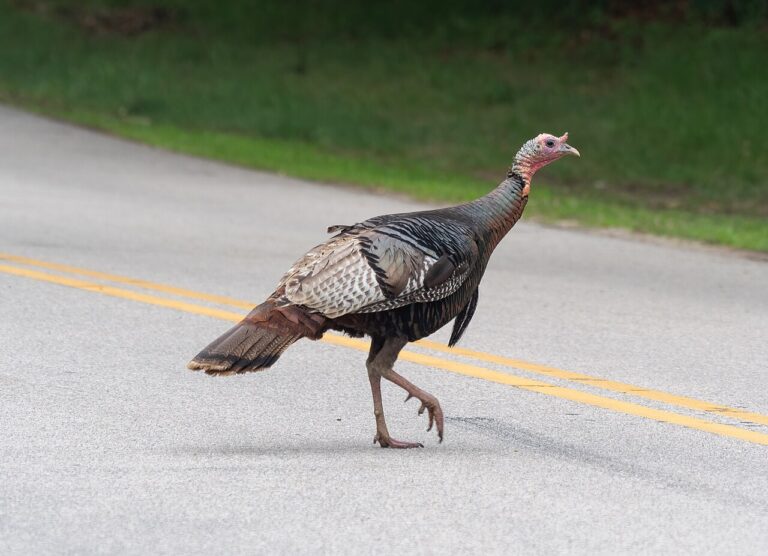
Male turkey droppings are J-shaped, female droppings are coiled. How to read freshness, roost sites and scratchings, plus safe cleanup and disease risk.
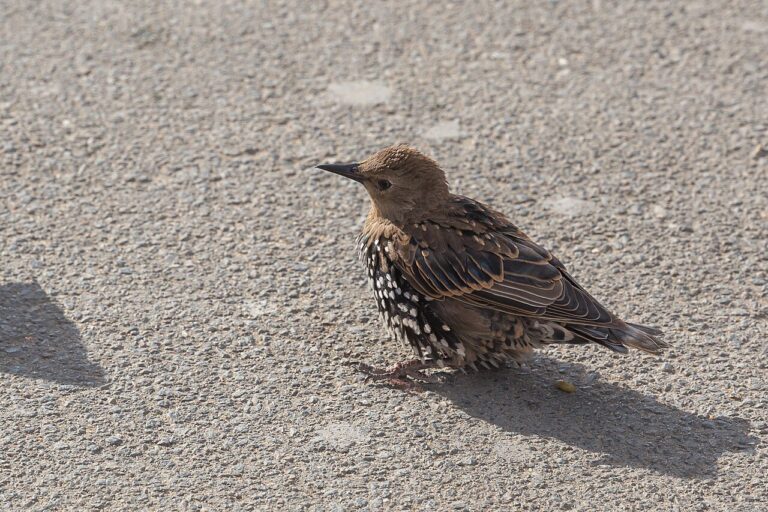
Starlings whistle, click, rattle and mimic hawks, killdeer, car alarms and speech. What each sound means, what a murmuration sounds like, and why they nest in your roof.
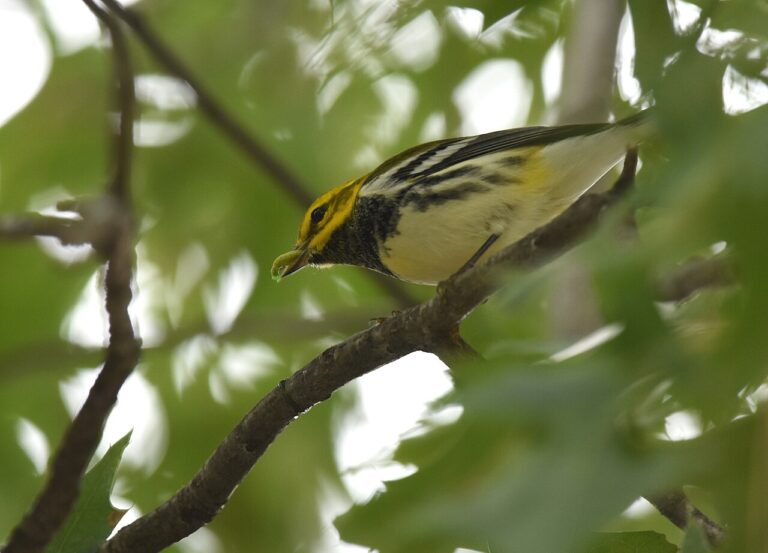
One chickadee brood eats 6,000 to 9,000 caterpillars. Which birds hunt them, which caterpillars they avoid, and what to plant so a yard can actually produce them.
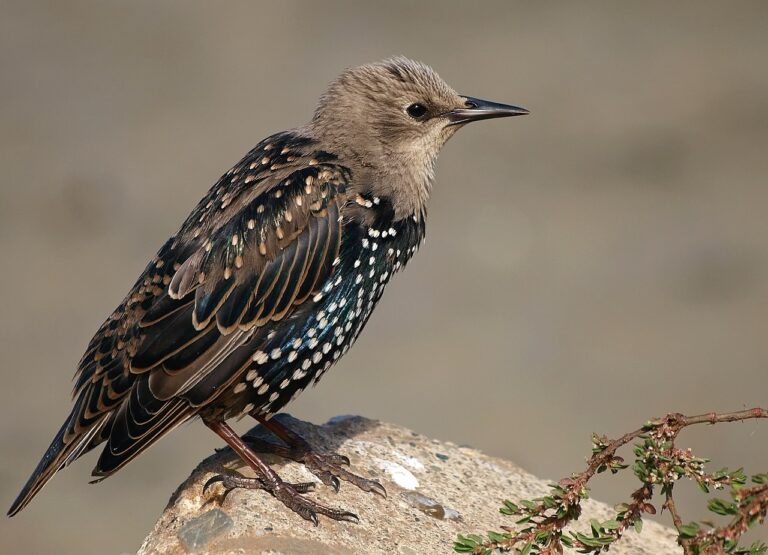
Starlings, grackles, robins, cardinals, and wild turkeys all eat Japanese beetles. Which stage each targets, how to attract them, and why birds alone cannot control an infestation.
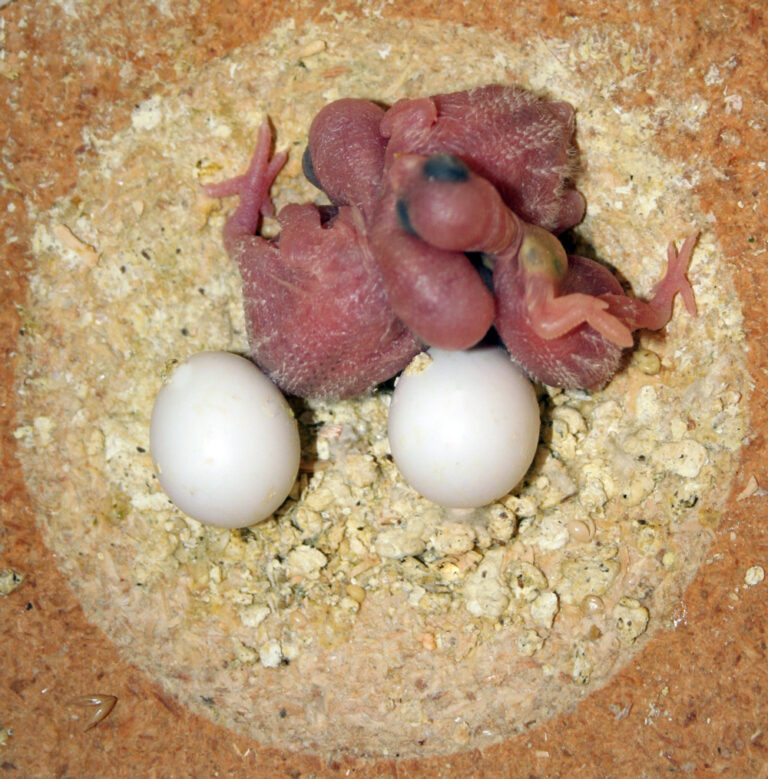
A baby parrot is called a chick and needs weeks to months before weaning. Realistic costs, why buying unweaned chicks is dangerous, and what a parrot really commits you to.
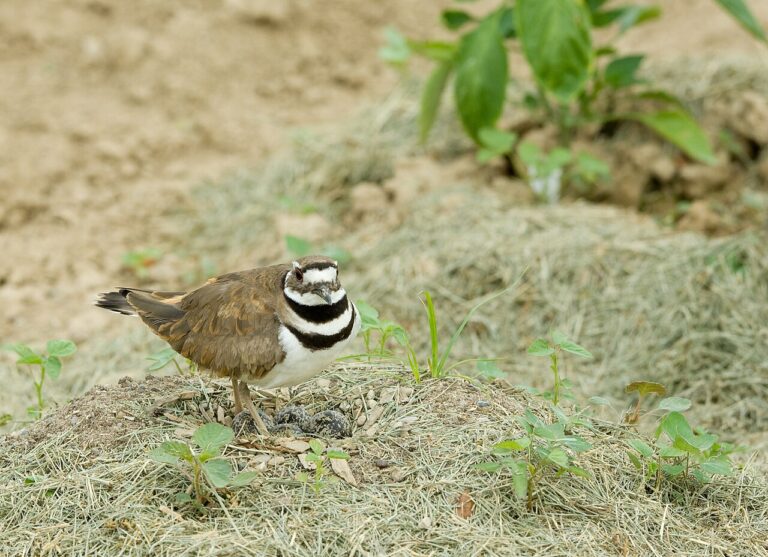
Killdeer make a piercing kill-deer call plus alarm trills. Why they call at night, what the broken-wing display means, and what to do about a nest in your driveway.