Are Crows Bad Luck? No, and Here Is Where the Myth Began
Crows are not bad luck. The omen comes from medieval plague years and a counting rhyme, while Japanese, Hindu and Native American traditions read the same bird as sacred.
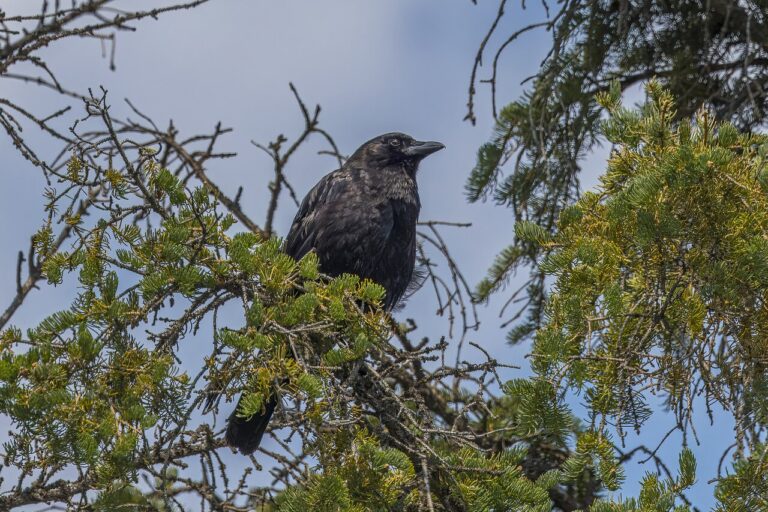
Crows are not bad luck. The omen comes from medieval plague years and a counting rhyme, while Japanese, Hindu and Native American traditions read the same bird as sacred.
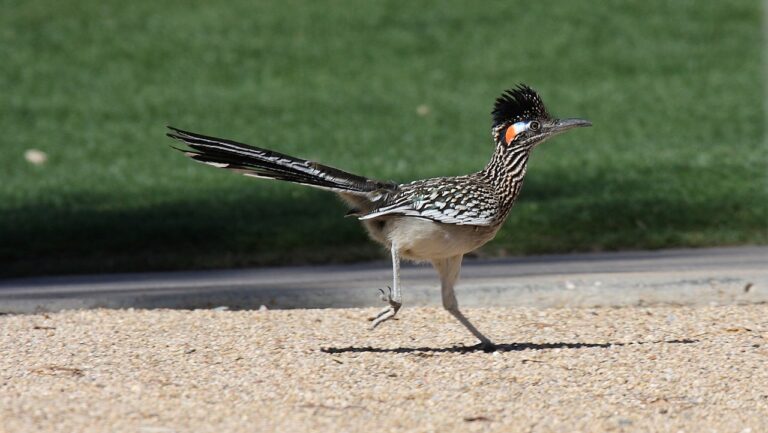
Seeing a roadrunner is read as a sign to move, and its X shaped tracks are treated as protection. What the bird means by tradition and by situation.

Great horned owls are the main predator of adult hawks, while raccoons, crows and snakes take eggs and chicks. Here is the full list by life stage and habitat.
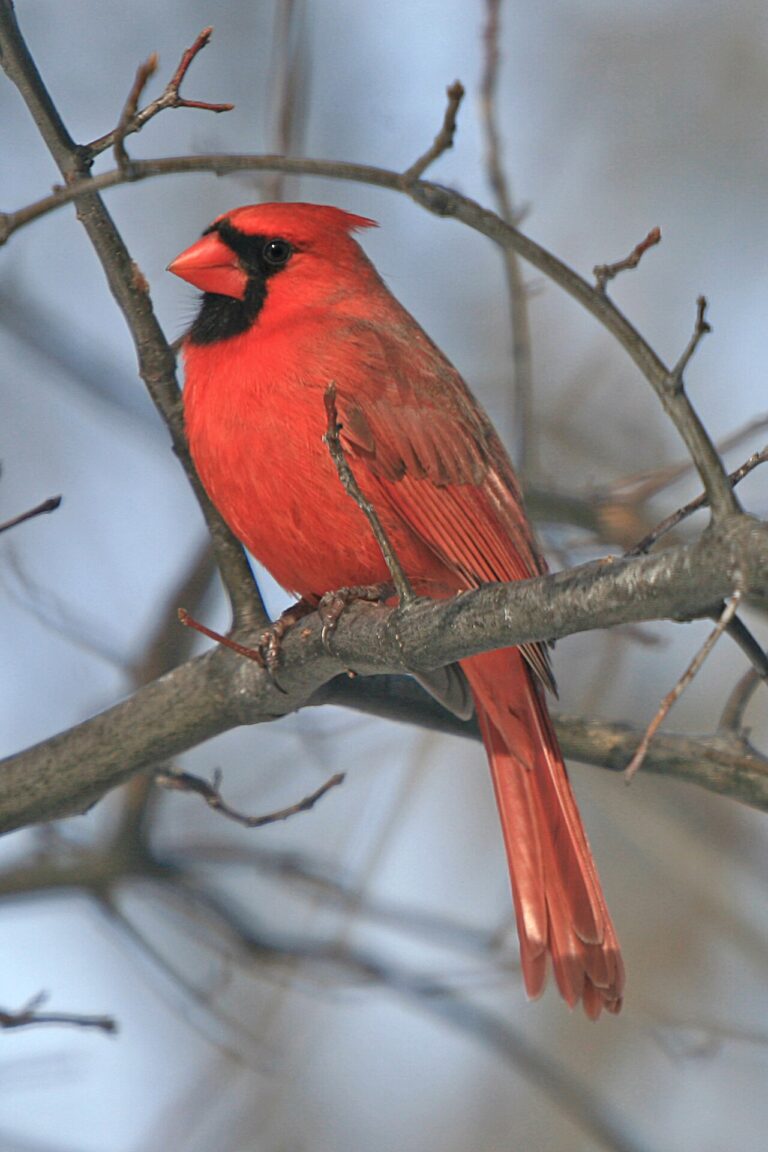
A red bird, almost always a male cardinal, is read as comfort, hope and a loved one’s presence. Here is what the sighting means at your window, on your path, in a pair and in faith.
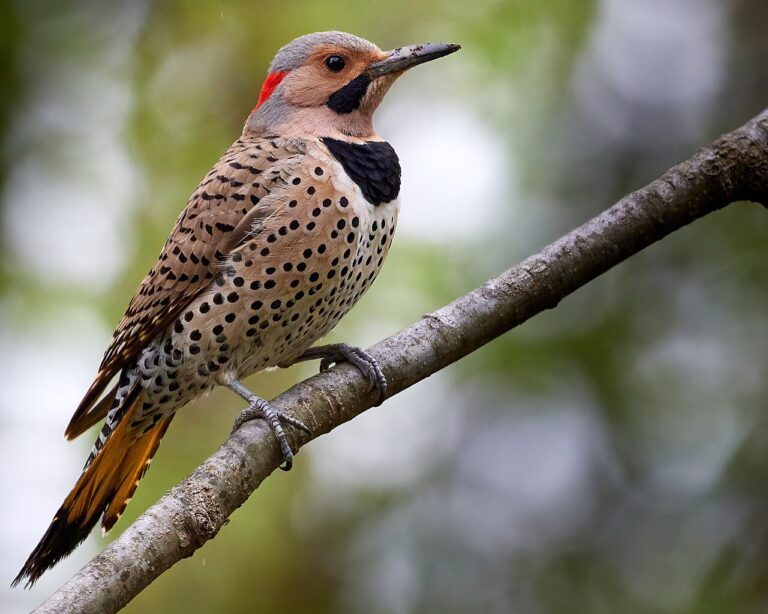
The northern flicker is read as a bird of communication, healing and new beginnings. Here is what a sighting, a drumming visit or a found feather is believed to mean.
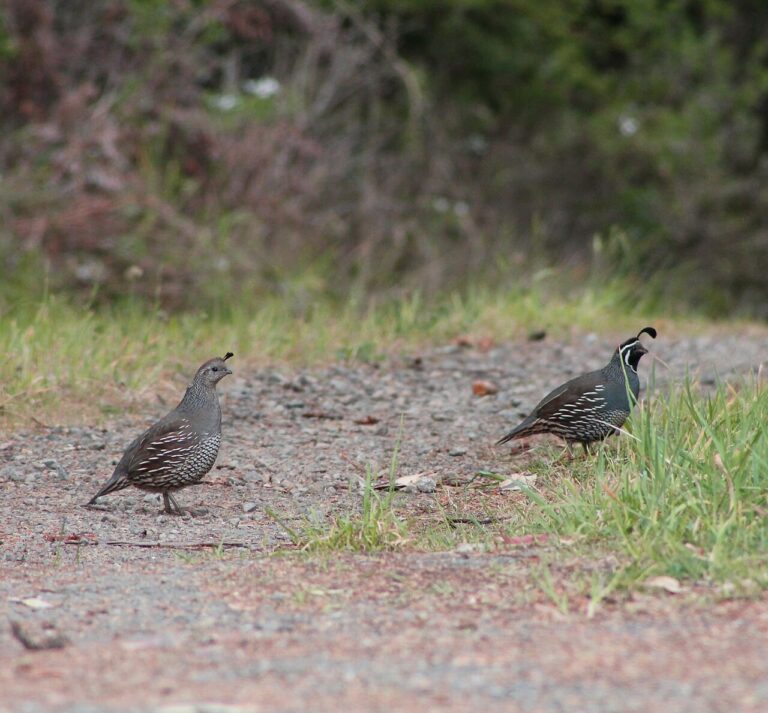
Quail make four main sounds: an assembly whistle, an alarm chirp, a male advertising call and chick peeping. Here is what each one means and when you hear it.

Falcons give fast harsh calls, not long screams. What the peregrine kak, the kestrel killy and the wail mean, when you hear them, and which bird the movies use.
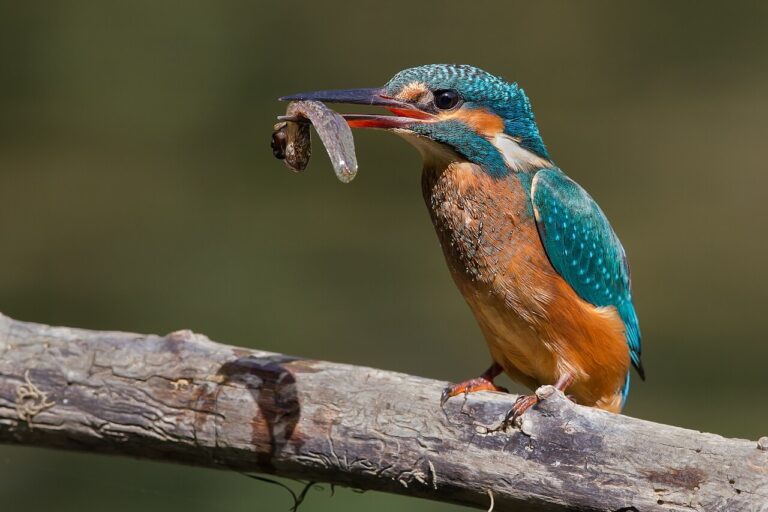
Seeing a kingfisher is read as a sign of prosperity, patience and calm after turmoil. Meanings by tradition and by situation, from garden visits to dreams.

Vultures have no syrinx, so they cannot call. What the hiss, grunt and growl mean, how turkey and black vultures differ, and what people mistake for them.
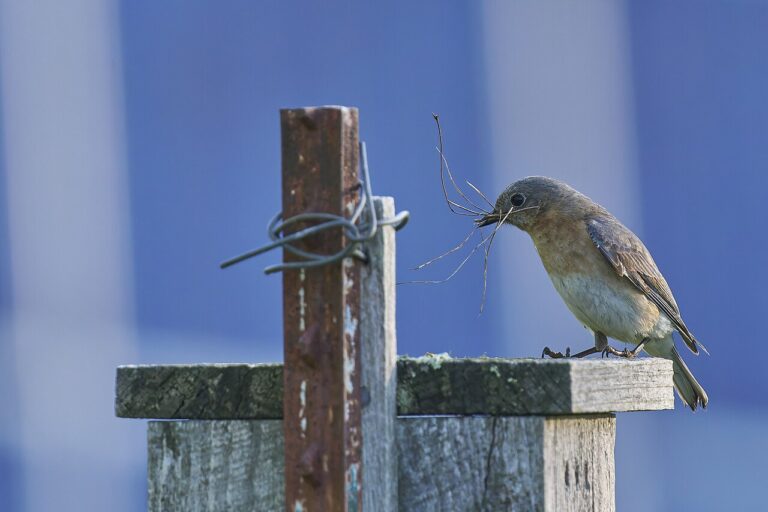
The bluebird song is a soft two to four note warble. Here is every call bluebirds make, what triggers it, when to listen and which birds get mistaken for them.