Chickadee Sounds: What Each Call Means
Chickadees make a chick-a-dee call and a fee-bee whistle, and the number of dee notes signals how dangerous a predator is. Every call explained, plus how to tell species apart.
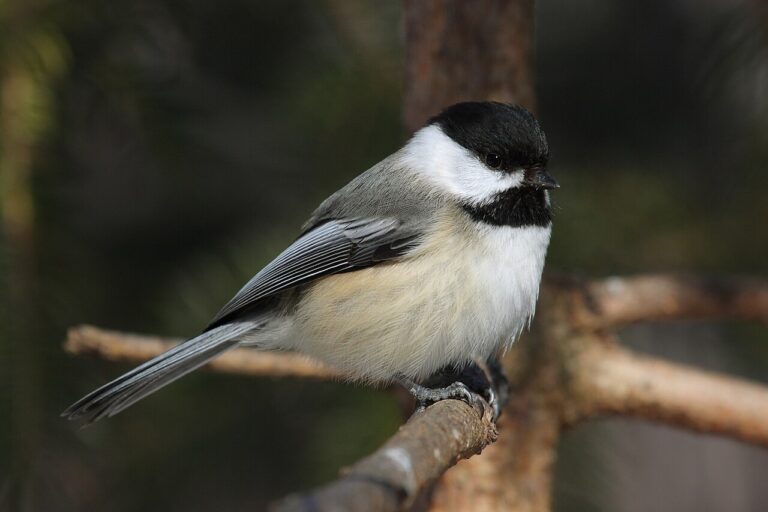
Chickadees make a chick-a-dee call and a fee-bee whistle, and the number of dee notes signals how dangerous a predator is. Every call explained, plus how to tell species apart.
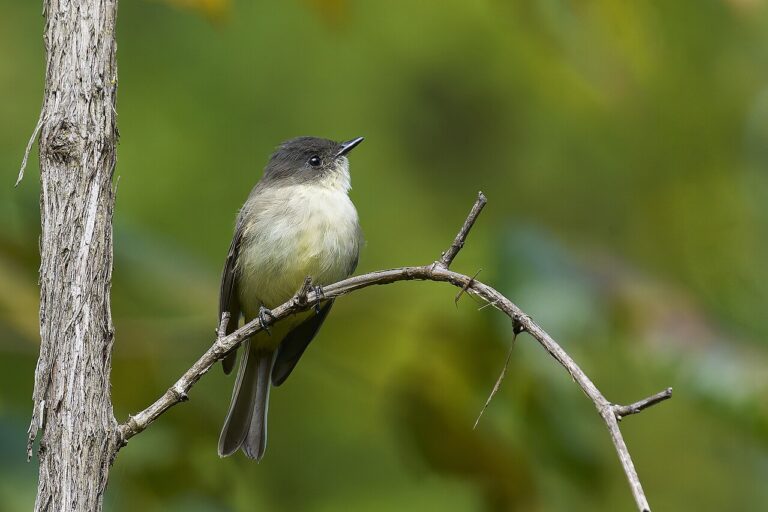
Swallows, martins, phoebes and swifts eat the most flies. How many they really take, why the 2,000 mosquito claim is false, and how to attract them to your yard.
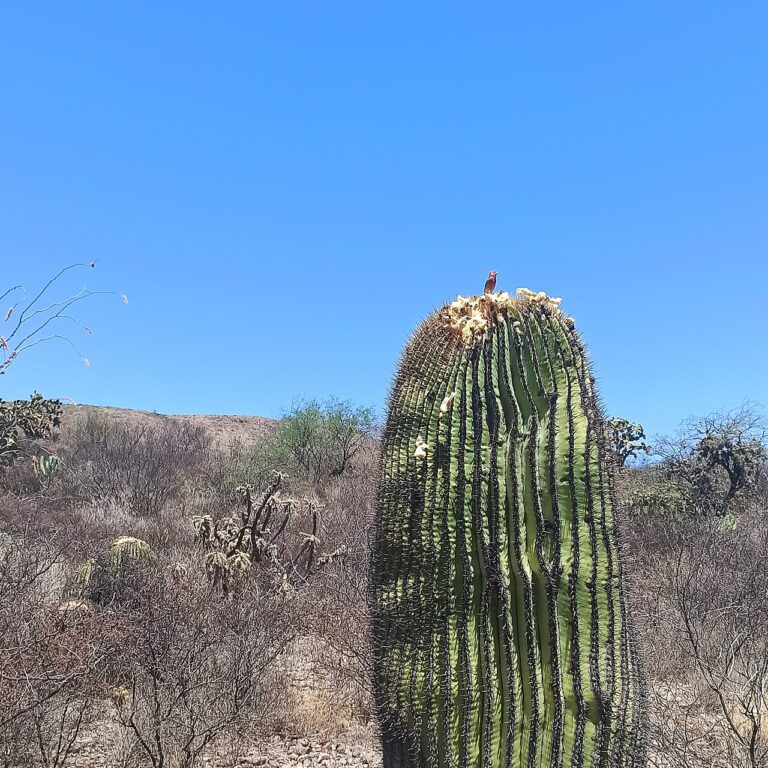
The house finch symbolizes joy, resilience and contentment. What red and brown finches mean, the biblical context, and the real survival story behind the species.
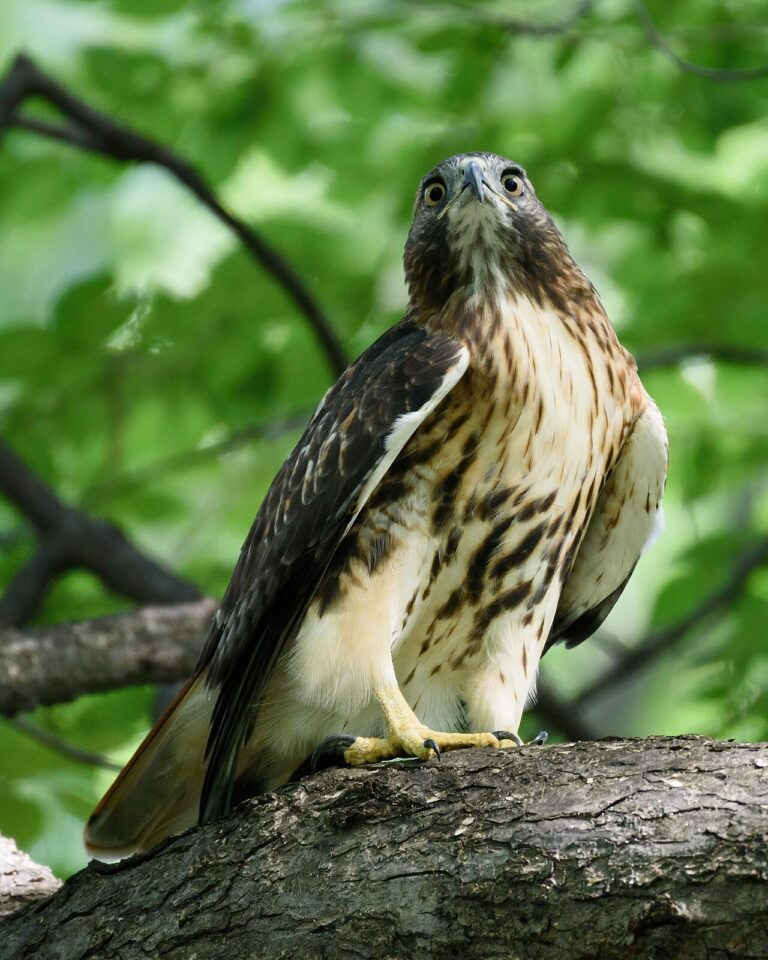
A group of hawks is called a kettle when circling on a thermal. What a thermal is, how kettles of thousands form during migration, and why hawks otherwise never flock.
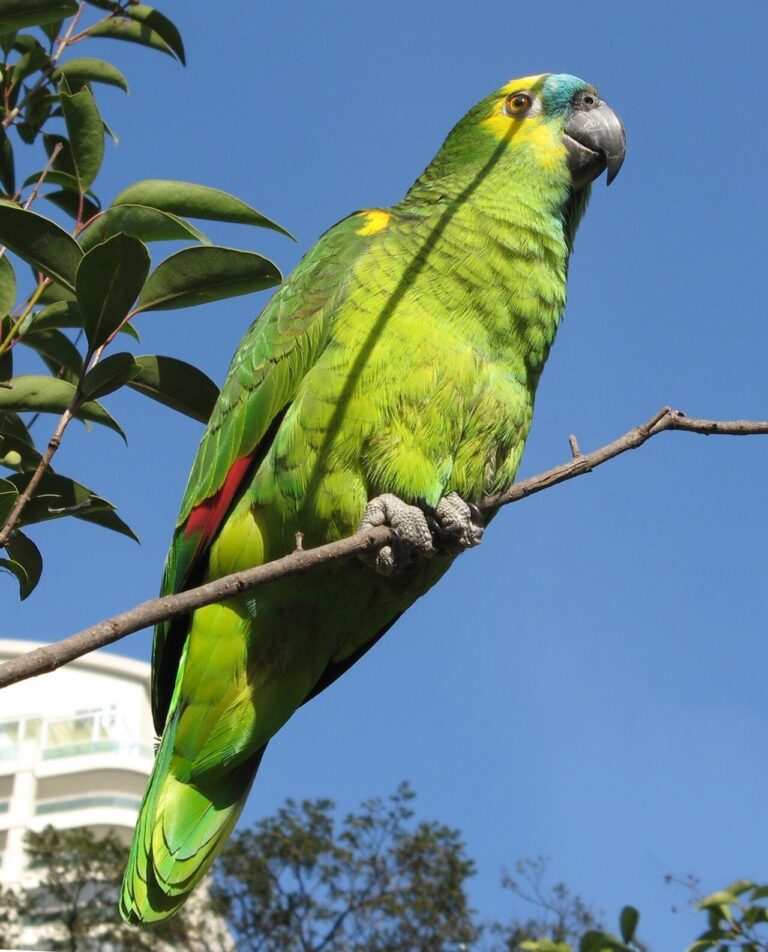
A group of parrots is called a pandemonium. Where Milton’s word came from, why parrots genuinely do flock unlike most birds with dramatic names, and how flocks work.
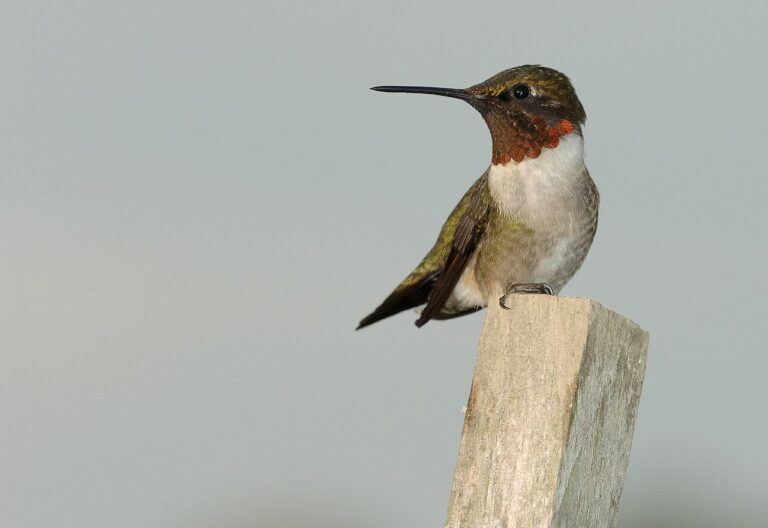
A group of hummingbirds is called a charm. Where the word came from, why hummingbirds never actually flock, and what it means when you suddenly see a lot of them.
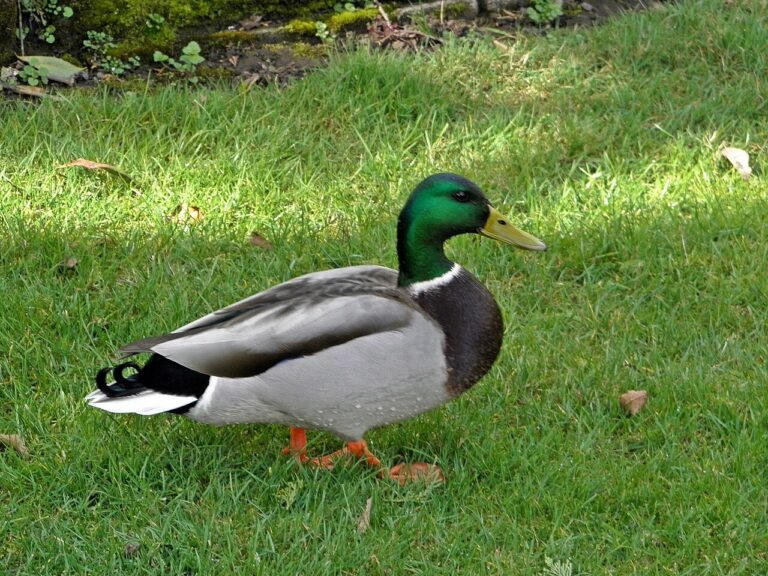
A male duck is called a drake. Where the word came from, how to tell drakes from hens even during the summer eclipse molt, and whether ducks really mate for life.
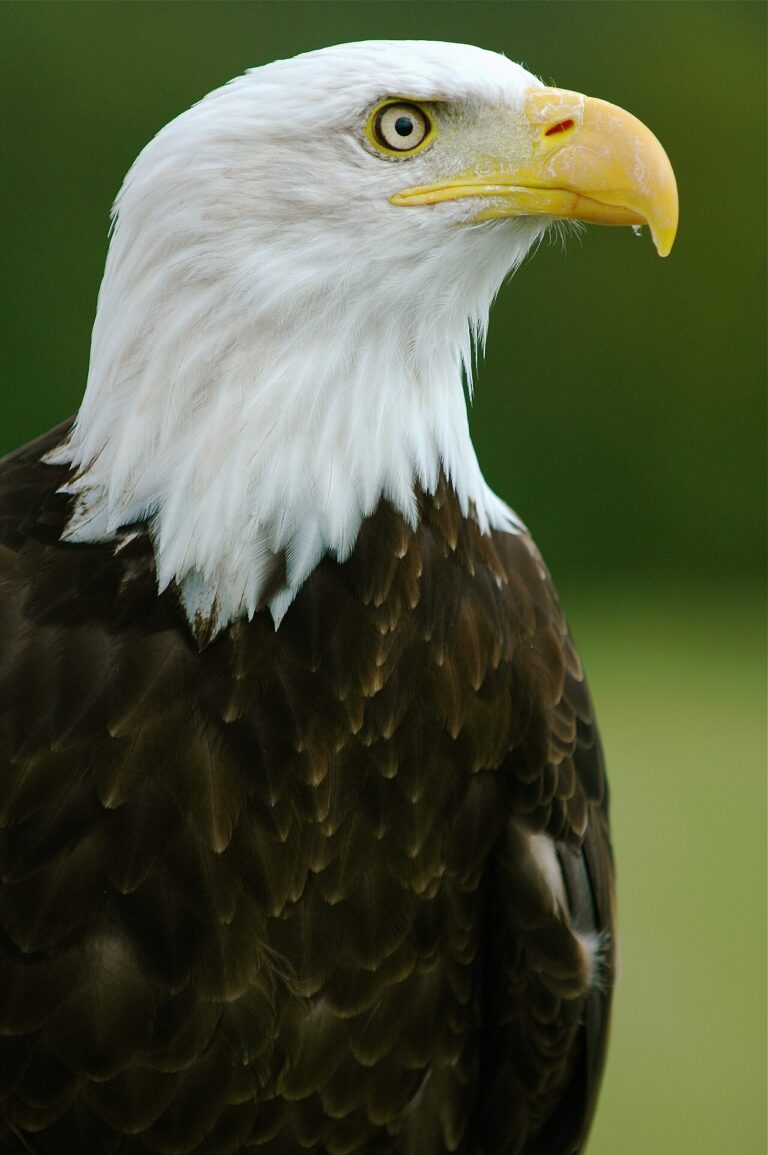
A group of eagles is called a convocation, or a kettle when circling. Where the terms came from, why eagles are territorial, and where thousands really do gather.
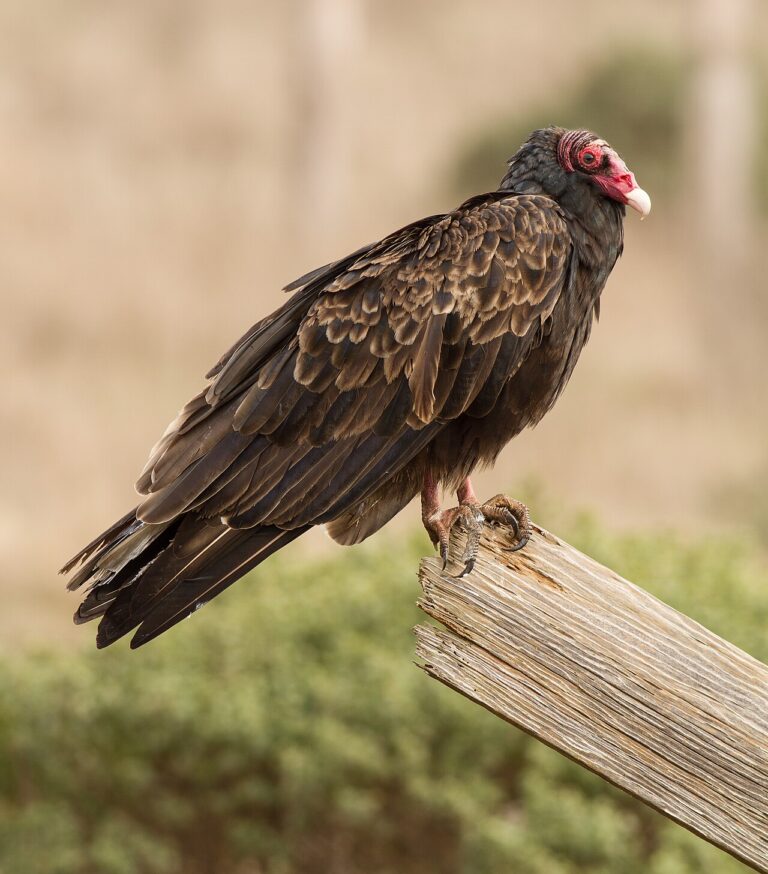
A group of vultures is called a kettle in flight, a committee perched and a wake at a carcass. Where each term came from, and why circling vultures are not waiting for anything to die.
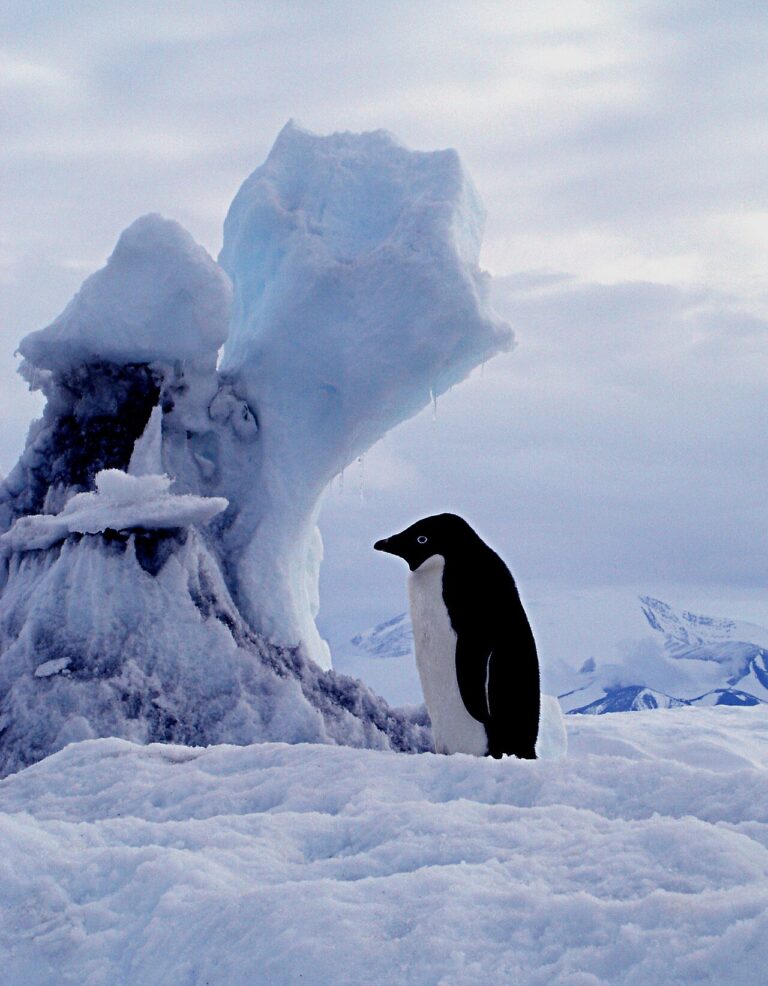
A group of penguins is called a waddle on land and a raft in water. Why the embarrassment claim is an internet myth, what a creche is, and how emperor huddles work.