Dead Rooster Meaning: Spiritual Signs
A dead rooster spiritually marks the close of a chapter you have been guarding. The bird that calls up the morning has gone quiet, and the dead rooster meaning starts there. A stretch of alertness is over, a wake-up call has done its work, and something in your own life has run its course.
The practical side matters as much as the sign. Roosters die suddenly from heat, predators, fights and disease, and two of those diseases, bird flu and Newcastle disease, are reportable. Check the body and the flock first. Read the omen after that.
As a sign, a dead rooster points to an ending and a fresh start. The watchman of dawn falls silent, so a stage of vigilance or waiting closes. It is not a fixed death omen. The living rooster stands for wakefulness and courage, so its death asks what you have stopped watching for.
What Does a Dead Rooster Mean Spiritually?
A dead rooster means a wake-up call has gone silent. The rooster (Gallus gallus domesticus) announces the morning before the house is awake, so its death points to the end of a period in which you had to stay alert. That period can be a job, a worry, a stretch of caregiving or a long wait for news. The watch is over, and the next stage begins without the alarm.
The rooster is the bird of vigilance. It crows at first light, watches the sky for hawks and sleeps lightly on the roost. When that guardian dies, the message turns inward. Ask what you have been guarding out of habit and whether it still needs you.
Roosters carry a wider set of meanings as living birds, including courage, pride and the return of light. A dead one keeps the light and drops the pride. It stands for a morning that arrives unannounced, a change you notice only once it has happened. Treat it as a closing bell, not a curse.
Is a Dead Rooster an Omen?
A dead rooster is an omen of change, not of death, because the living rooster appears as a good omen in old Greek and Japanese texts. Roosters are a good omen for one clear reason. They call back the light, and two ancient texts give them exactly that role without tying the bird to misfortune.
In Plato’s Phaedo, the dying Socrates tells his friend Crito that they owe a rooster to Asclepius, the Greek god of healing. A rooster was the offering for a cure, so the line frames death itself as a recovery. In Japan’s Kojiki, the gods gather long-crowing birds outside the cave where the sun goddess Amaterasu has hidden, and their crowing is part of the plan that draws her back out. In both texts, the rooster stands at the turn from darkness to light.
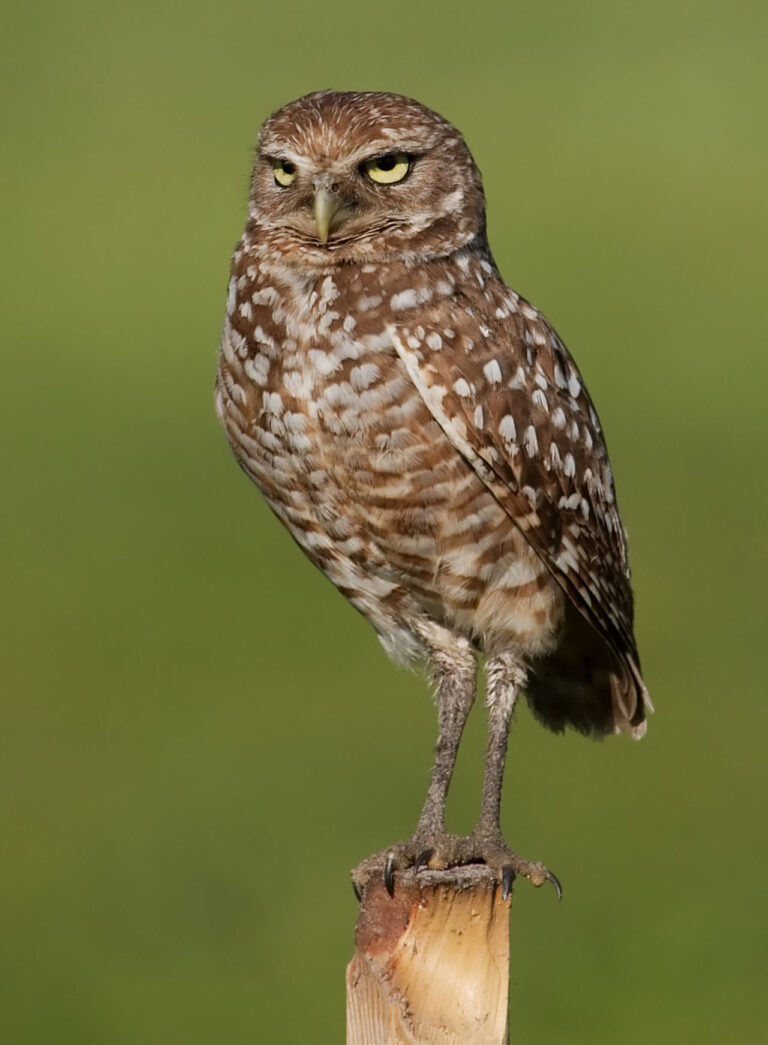
Barn owls hunt in the dark and call through the night, so they sit at the opposite end of the clock from the rooster. A dead rooster near the house belongs to the morning side of that pair. It points to a stage ending at dawn, not a loss arriving at night.
Birds in general each carry their own signs, and the rooster’s is the plainest of them. Wake up and look around.
What the Bible Says About Roosters
The Bible uses the rooster as a clock and a conscience, never as a death sign. The King James Version says “cock,” not “rooster,” and the best-known scene comes the night before the crucifixion. In Matthew 26:34, Jesus tells Peter, “before the cock crow, thou shalt deny me thrice.” Mark 14:30 gives the sharper version, “before the cock crow twice.”
The prediction comes true in Matthew 26:74 to 75. Peter denies knowing Jesus a third time, “and immediately the cock crew.” He remembers the words, goes out and weeps bitterly. The crow is not a punishment. It is the moment Peter sees himself clearly, and that makes the rooster a bird of honest reckoning.
Mark 13:35 uses the same bird to mark time. Jesus tells his listeners to watch, because no one knows when the master of the house comes, “at even, or at midnight, or at the cockcrowing, or in the morning.” Cockcrowing here is a watch of the night, the dark hours before dawn. Proverbs 30:31 adds a stately animal that the KJV calls a greyhound and the NIV renders as a strutting rooster.
No verse gives a dead rooster a meaning. Owls appear in Leviticus 11 among the birds Israel must not eat, a very different role from the rooster’s call to watchfulness.
Why Did My Rooster Suddenly Die?
A rooster that dies without warning has often died of heat stress, a predator, a fight or an infection that showed few outward signs. Random deaths are rarely random. Roosters hide illness well, so a sudden death can follow days of quiet decline. Look at the body and the coop before you guess.
Heat kills fast. Chickens cannot sweat, so they cool off by panting and holding their wings away from the body, and a heavy rooster in a closed coop on a hot afternoon can collapse quickly. Predators leave clues. Raccoons, foxes, hawks and loose dogs all take chickens, and bite wounds or a missing head point to a raider. Two roosters in one flock can also fight until one is badly hurt.
Disease is the cause to rule out. Marek’s disease, caused by a herpesvirus, can bring paralysis and tumors in birds that looked healthy weeks before. Virulent Newcastle disease and avian influenza can kill several birds within days, and both are reportable to animal health officials. A necropsy at your state veterinary diagnostic laboratory is the only way to know, and many state labs accept backyard birds.
Dead cardinals raise the same question in the yard, and the order is the same. Find the physical cause first, then decide what the bird means to you.
Is a Dead Rooster Dangerous to Touch?
A dead rooster carries a small but real risk, so handle it with gloves. The CDC rates the current bird flu risk to the general public as low, and people rarely catch it. When they do, it is most often after close, unprotected contact with infected birds or other animals.
Backyard flocks are part of that picture. The CDC page on how bird flu spreads notes that some people have been infected by backyard poultry that were sick and died. Infection can happen when a person touches the virus and then touches their eyes, nose or mouth. No person-to-person spread of bird flu has been identified in the United States.
Wear disposable gloves and a mask, and lift the bird with a plastic bag turned inside out. Keep children and pets away from the body. Wash your hands afterward. If several birds die at once, stop handling them and call for advice.
What to Do After Finding a Dead Rooster
After finding a dead rooster, check the flock, bag the body and decide whether to test it. Look at the other birds first. Labored breathing, swollen heads, a sudden drop in laying or more deaths within a day or two are warning signs that call for fast action.
Suspected bird flu or Newcastle disease must be reported. USDA APHIS takes reports of sick and dead birds at 1-866-536-7593, and your state veterinarian’s office handles the same calls. The USDA APHIS avian influenza page lists the signs and the next steps for flock owners.
For a single bird with no other signs, a vet or your state diagnostic lab can still tell you what happened. Double-bag the body, keep it cold in a refrigerator and get it to the lab as soon as you can. Freezing damages tissue and makes the results less clear.
Lucky Rooster Years in the Chinese Zodiac
In the Chinese zodiac, the Rooster years are 1993, 2005 and 2017, and the next one is 2029. The Rooster is the tenth of the twelve animals, and each sign returns every twelve years. Rooster years begin at the Lunar New Year, so a January birthday can fall under the previous sign. 2026 is a Horse year.
The Rooster sign stands for punctuality, confidence and hard work, traits taken straight from the bird that wakes the farm. The zodiac describes a birth year, not an event. The death of a rooster has no place in it, and nothing about the sign changes because a bird dies.
Dead Chicken, Black Chicken and Dead Pigeon Meaning
A dead chicken symbolizes a loss of comfort and routine more than a warning. The hen stands for home, nurture and daily provision, so her death points to a change in the rhythm of the household. A dead rooster ends the watch. A dead hen touches the nest.
A black chicken stands for the hidden and the unseen, the night half of the day the rooster opens. The best-known all-black breed is the Ayam Cemani from Java, Indonesia, whose skin, comb and even bones are dark because of a genetic trait called fibromelanosis.
Black birds carry their own symbolism of change and messages, separate from a black hen in the coop.
A dead pigeon symbolizes a message that did not arrive or a peace that needs tending. The rock pigeon (Columba livia) is a close relative of the dove in Genesis 8:11, which returns to Noah with an olive leaf as the sign that the flood is ending. A dead one turns that sign around.
Dead Rooster Meanings at a Glance
Where and how you find the bird changes both the sign and the first step. Start with the right column.
| Situation | Sign | First step |
|---|---|---|
| Rooster dead in the coop, no wounds | A long watch ending quietly | Check the flock, call the state lab |
| Rooster killed by a predator | A boundary that failed and needs rebuilding | Close and lock the coop at night |
| Rooster dead after a hot day | Burnout after carrying too much | Add shade, water and ventilation |
| Rooster dead on your path or doorstep | A wake-up call aimed at you | Gloves, inside-out bag, wash hands |
| Several birds dead at once | A reason to act before you interpret | Report to USDA APHIS at 1-866-536-7593 |
| Dead hen | A change in home routine | Watch the remaining hens for symptoms |
Frequently Asked Questions
What does a rooster crowing at night mean?
A rooster crowing at night is reacting to light, noise or a disturbance near the coop. Roosters crow on an internal clock as well as at dawn, so a porch light or a passing car can set one off. A night crow is worth checking, since raccoons and foxes hunt after dark.
Can a dead rooster spread disease?
Yes. A rooster that died of bird flu can pass the virus to people who touch it and then touch their eyes, nose or mouth, though the CDC rates the public risk as low. Bird flu is reportable, and USDA APHIS takes reports of sick and dead birds at 1-866-536-7593.
How long do roosters live?
Roosters typically live about 5 to 8 years in a backyard flock when they are protected from predators and heat. Many die earlier from fights, disease or predator attacks, and a death at two or three years often points to one of those causes rather than age. Breeds vary, so treat the range as a guide.
Is it okay to bury a dead rooster at home?
Yes, in many places, but rules vary by state and county. Your state extension service lists the safe depth and distance from wells and streams. Never bury a bird suspected of bird flu or Newcastle disease before officials clear it, and dig deep enough to keep dogs and raccoons out.
Does a dead rooster mean someone will die?
No. Neither the Bible nor the old Greek and Japanese texts tie a dead rooster to a human death. Plato’s Phaedo links the rooster to Asclepius and healing, and the Gospels use its crow as a wake-up call for Peter. A dead rooster points to the end of a phase, not of a life.
Should you touch a dead rooster with bare hands?
No. Wear disposable gloves and, if you have one, a mask, then pick the bird up with a plastic bag turned inside out. The CDC notes that some people caught bird flu from backyard poultry that were sick and died. Wash your hands with soap afterward, even if you wore gloves.
Sources
- CDC, How Bird Flu Spreads
- USDA APHIS, Avian Influenza
- Bible Gateway, Matthew 26 (King James Version)