Baby Duck: Why Ducklings Are Not Waterproof
Ducklings get their waterproofing from their mother, so an orphan in deep water drowns. Here is the care guide and the vitamin that saves their legs.
Every guide on The Faunalist in one archive. Browse identification help, species profiles, feeding advice, and regional birding guides for North American backyards.
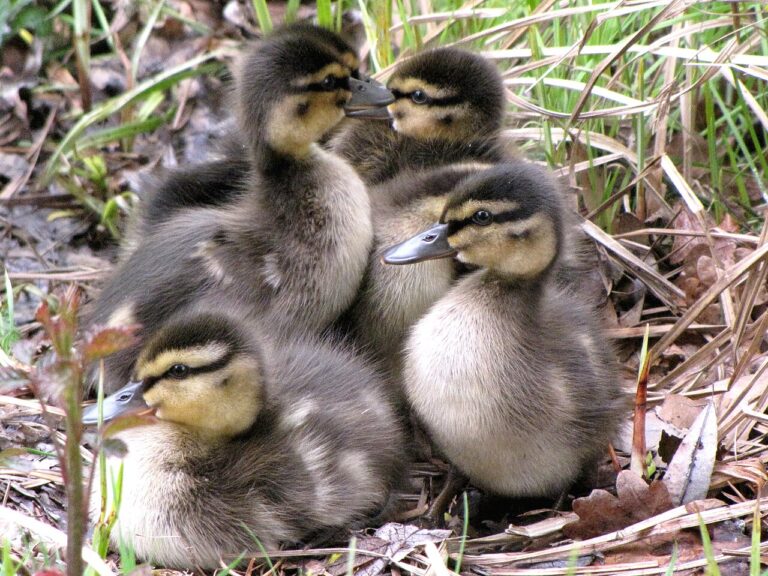
Ducklings get their waterproofing from their mother, so an orphan in deep water drowns. Here is the care guide and the vitamin that saves their legs.
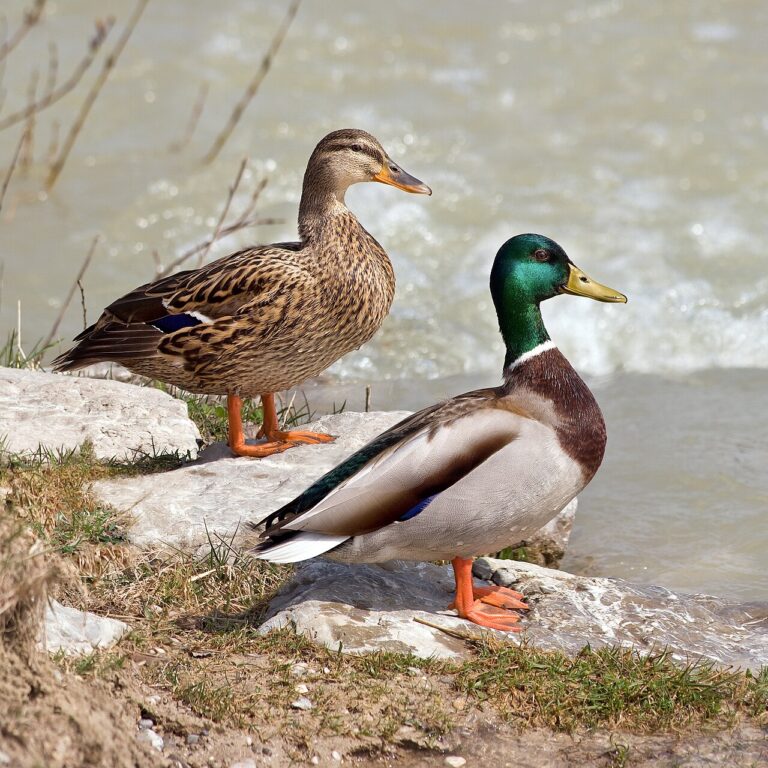
A female duck is a hen, and the loud quack everyone imitates is hers. Here is how to identify hens by species and why summer plumage confuses everyone.
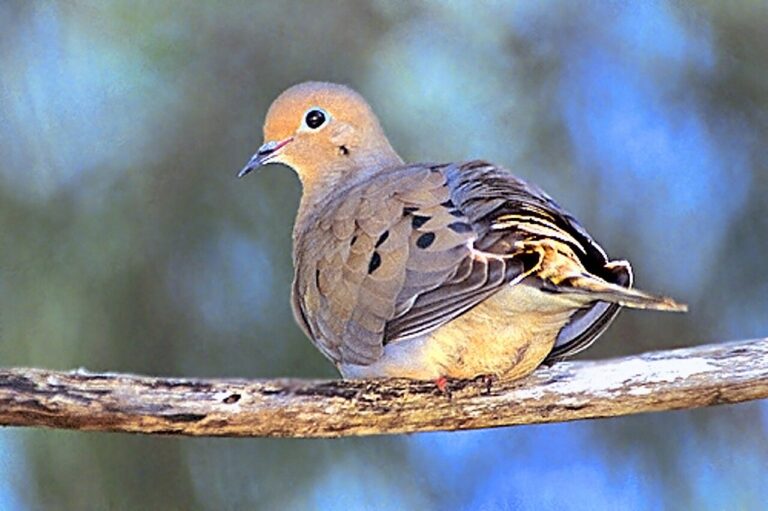
The mournful coo is an unmated male advertising, and the takeoff whistle is made by feathers rather than the voice. Here is every sound decoded.
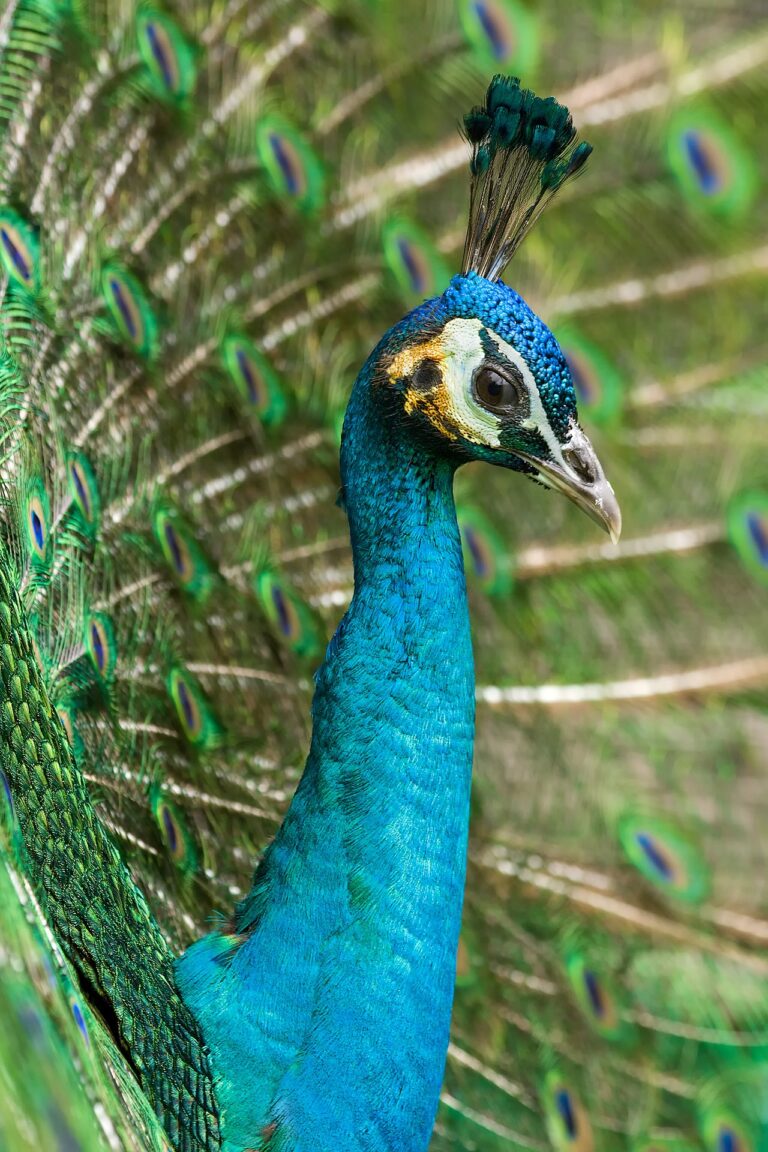
Peacocks eat seeds, fruit, insects and even venomous snakes. Here is the wild diet, what keepers should feed, and why protein spikes during molt.
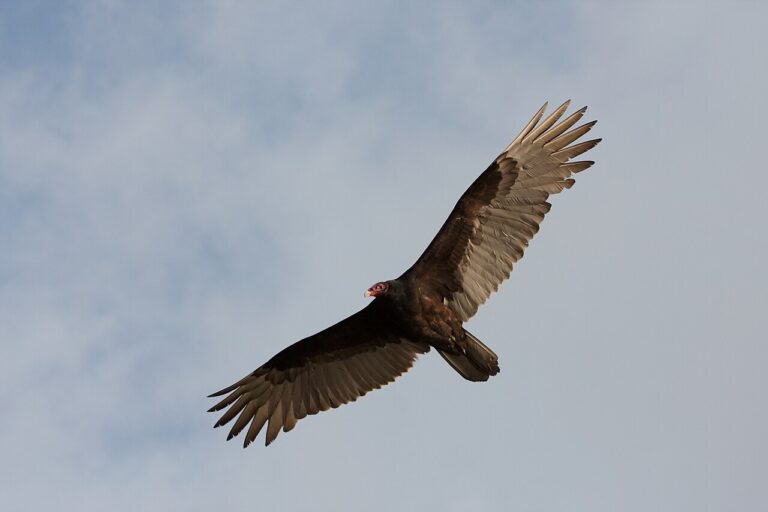
In America a buzzard is a turkey vulture. In Britain it is a hawk. Here is how to tell every bird apart and why vultures matter more than you think.
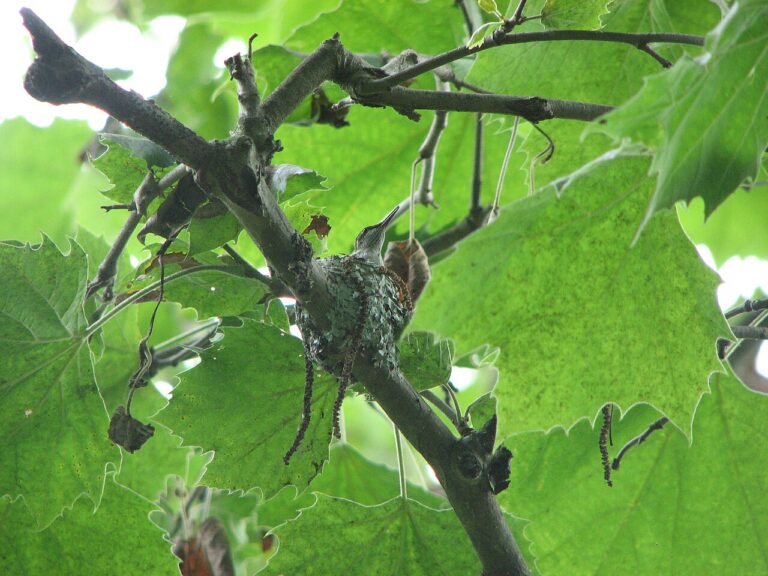
A hummingbird nest is walnut-sized and stretches as the chicks grow, thanks to spider silk. Here is what to look for and what the law says.
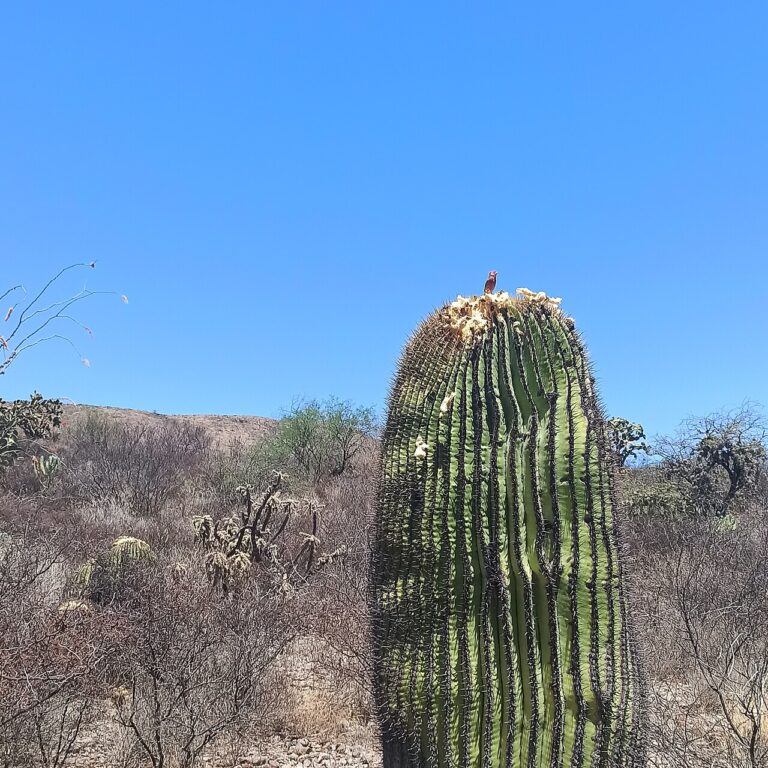
House finch eggs are pale blue-white with fine speckles. Here is how to identify them, how long they take to hatch, and what to do about a porch nest.
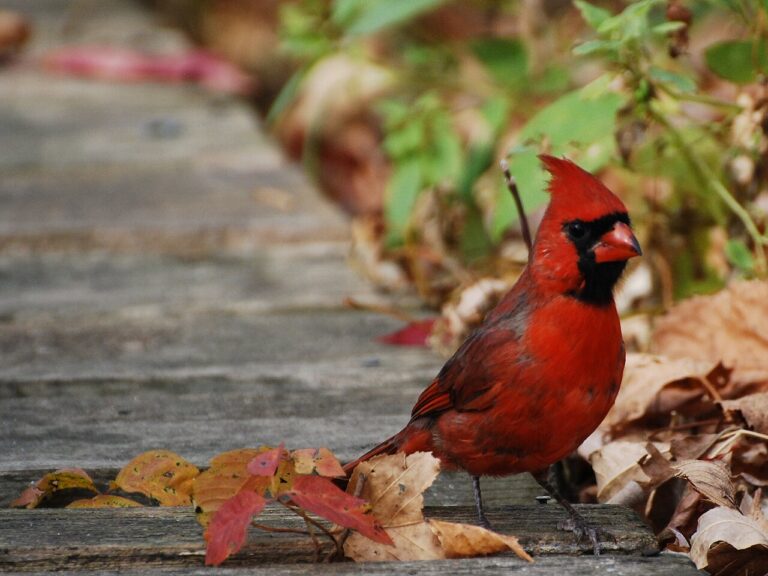
Red bird symbolism depends on which red bird you saw. Here is the meaning for cardinals, robins and tanagers, plus why red birds are red at all.
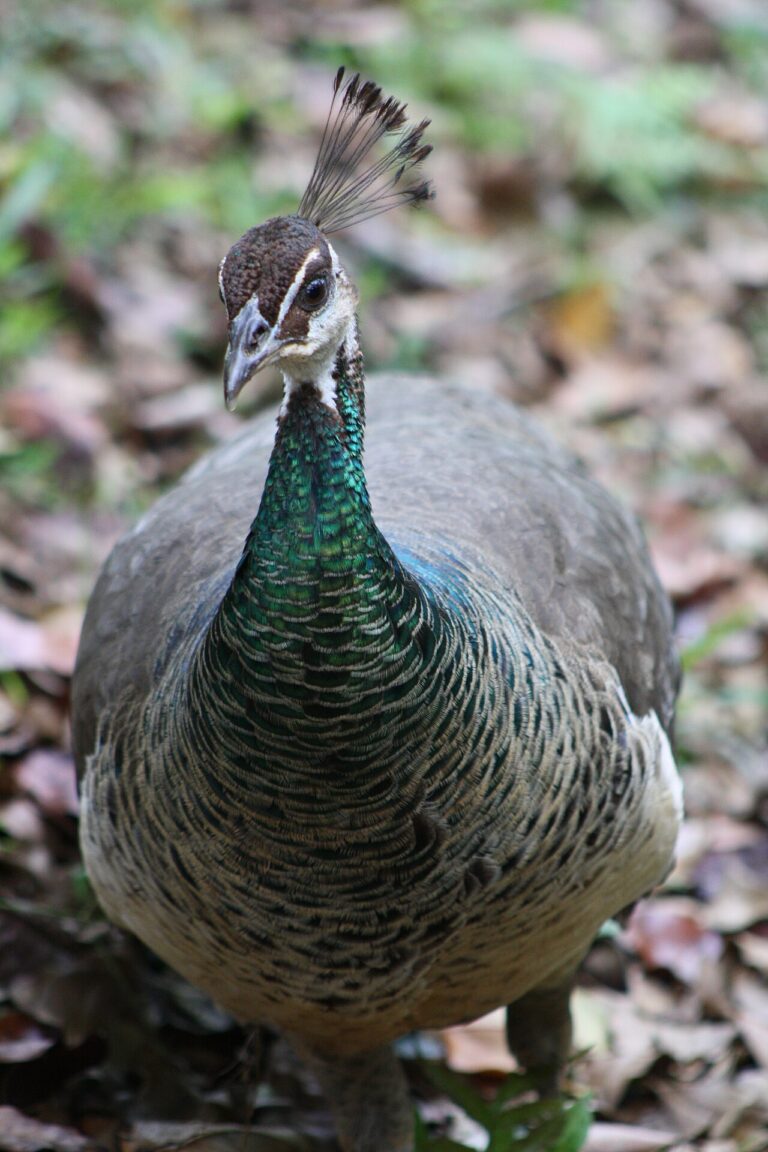
A female peacock is called a peahen. Here is how to identify her, why she is brown, whether she can fan her tail, and how she raises peachicks.
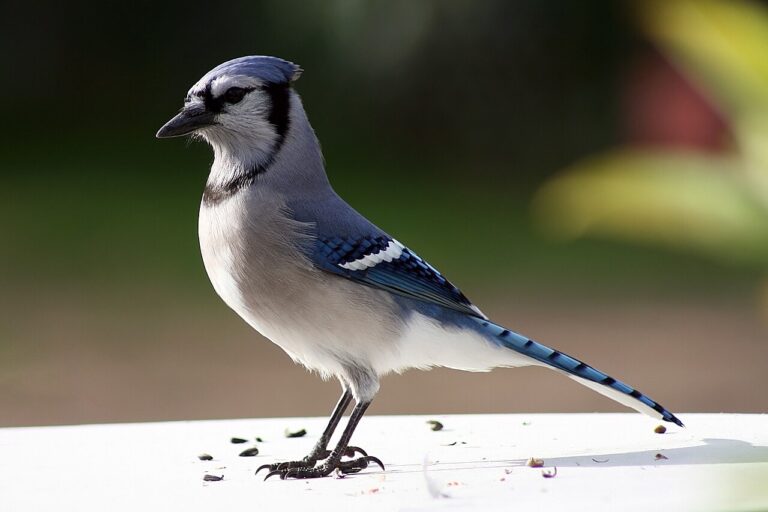
Beyond daytime visits and symbolism, a blue jay in a dream carries its own layer of spiritual meaning built around communication, protection, and hidden messages.