Cardinal Sound: What Every Whistle and Chip Means
A cardinal sound is either a loud slurred whistle or a sharp metallic chip. Here is what each one means, and why the pew pew bird is a cardinal.
Every guide on The Faunalist in one archive. Browse identification help, species profiles, feeding advice, and regional birding guides for North American backyards.
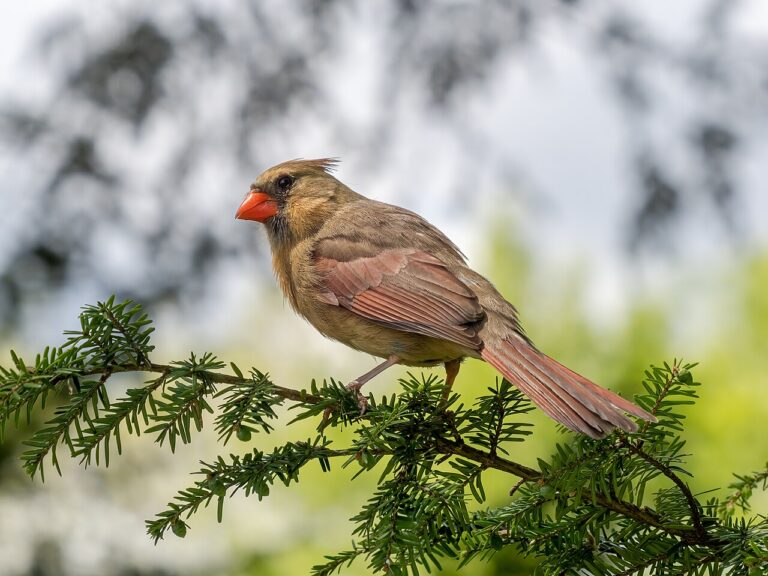
A cardinal sound is either a loud slurred whistle or a sharp metallic chip. Here is what each one means, and why the pew pew bird is a cardinal.

The killdeer sound is a piercing kill-deeah repeated over gravel lots and ballfields, day and night. Here is what each version of the call means.
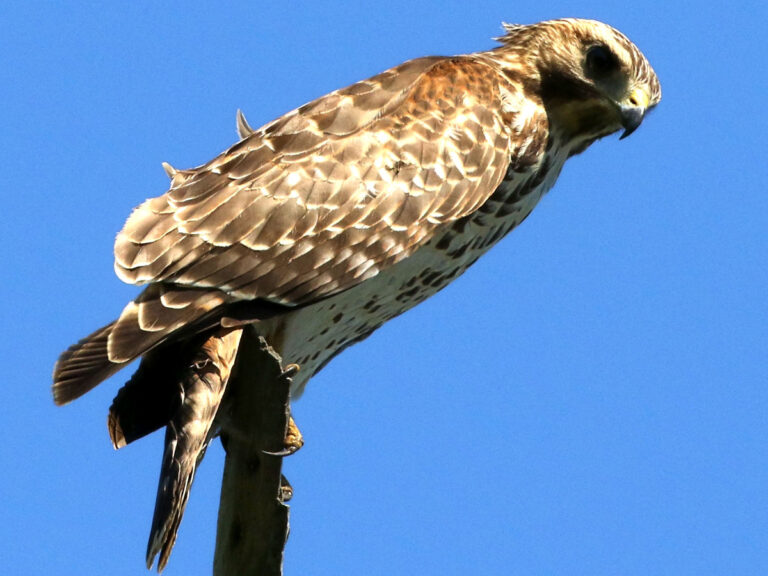
The famous hawk scream belongs to the Red-tailed Hawk, not the Bald Eagle. Here is how to match every common hawk sound to the bird that made it.
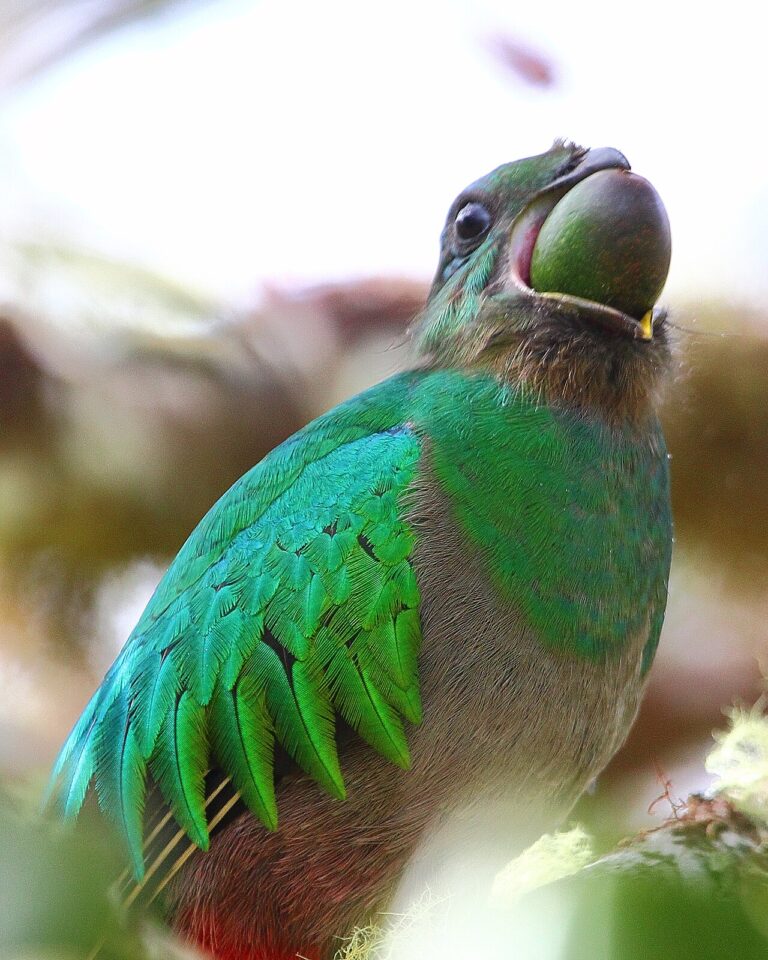
The resplendent quetzal grows tail coverts longer than its own body. Species list, range, diet, nesting, cultural history and the best places to find one wild.

Birds have no bladder and never produce liquid urine. The white cap on a bird dropping is the urine, and the reason why explains flight and eggs.
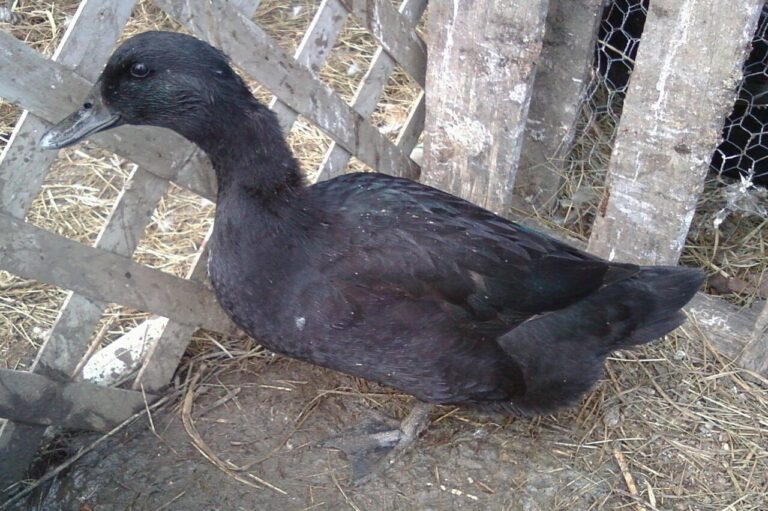
The Cayuga is a black American duck breed that lays near black eggs early in the season and slowly turns white with age.
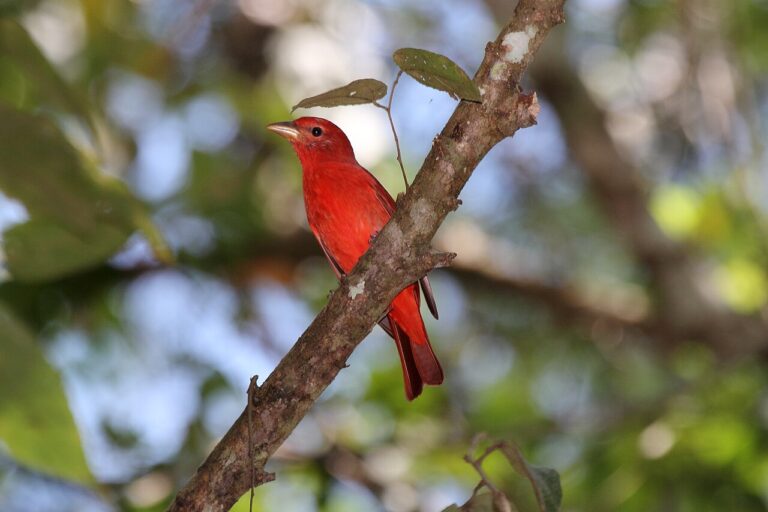
No crest and a pale bill means tanager, not cardinal. Twelve red birds compared by crest, bill, red coverage, range and season.
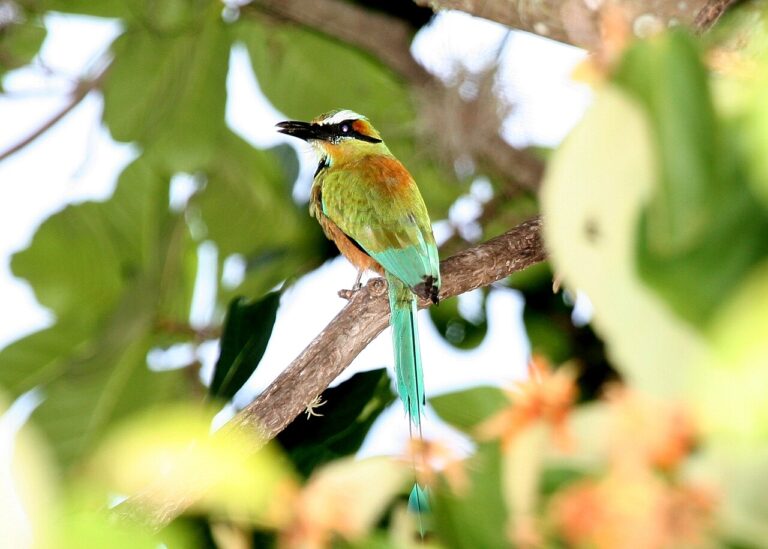
El Salvador’s national bird is the turquoise-browed motmot, the torogoz. What it looks like, what it symbolizes, and how that racket tipped tail forms.

White peacocks are leucistic Indian peafowl with blue eyes, not albinos. Rarity, price, how to tell male from female, and the symbolism behind a sighting.
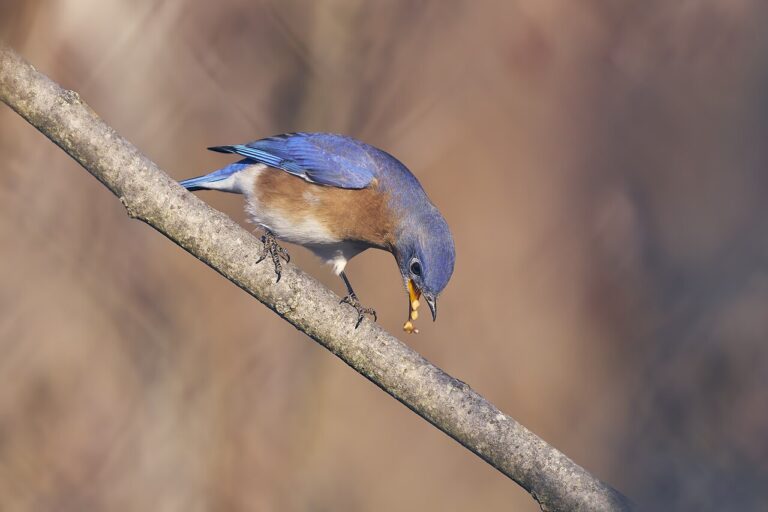
An orange throat means Eastern Bluebird, a blue throat means Western. Six blue birds with orange chests, sorted by a three step field test.